
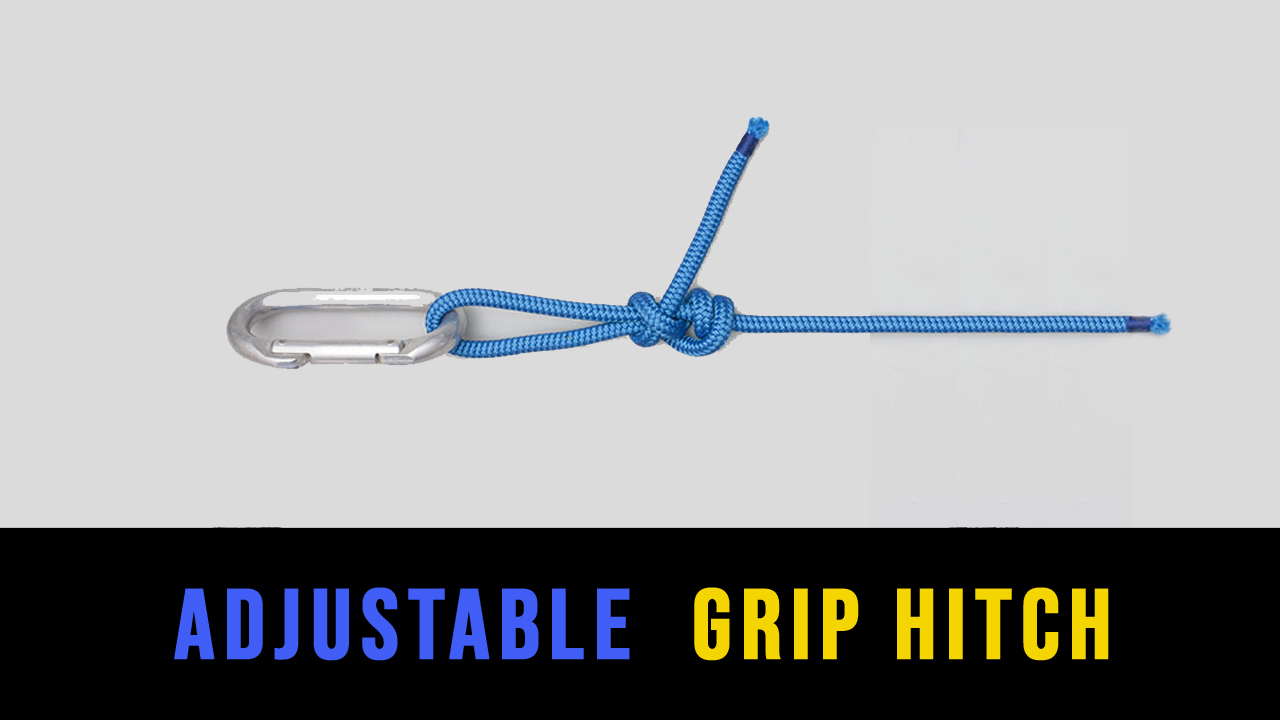
In the world of outdoor rope techniques, few things are as indispensable as a reliable friction hitch. Whether you are tensioning a rain fly in a sudden downpour or securing a load in the back of a truck, the ability to create an adjustable loop that holds under tension is a foundational skill. The Adjustable Grip Hitch knot is a standout in this category, offering a unique blend of simplicity and functionality.
As an expert in technical outdoor gear and knot typography, I have seen how the right knot can mean the difference between a secure campsite and a collapsed shelter. The Adjustable Grip Hitch is specifically designed for situations where the length of a line needs to be modified frequently without untying the entire structure. It is a "slide-and-grip" knot, meaning it slides easily when tension is removed but grips the standing part of the rope firmly when weight or pull is applied.
While often compared to the Taut-Line Hitch or the Midshipman’s Hitch, this particular knot has its own set of nuances and safety requirements that every outdoorsman should master.
Alternative Names: Slide-and-Grip Knot, Adjustable Loop Knot, Friction Grip Hitch, Sliding Hitch.
What Is an Adjustable Grip Hitch?
The Adjustable Grip Hitch is a friction hitch (or slide-and-grip knot) used to form an adjustable loop at the end of a rope. It is categorized under rope knots that are "load-assisted," meaning the more tension applied to the loop, the tighter the internal wraps grip the standing part of the line.
Practical Applications
This knot is exceptionally versatile and finds its home in various professional and recreational settings:
- Camping and Backpacking: It is the gold standard for securing guy lines on tents and tarps. If the fabric sags due to moisture or wind, you can simply slide the knot to increase tension.
- Boating: Used for temporary lashings or securing fenders where the height may need frequent adjustment.
- Arboriculture and Gardening: Useful for staking young trees where the line needs to be tightened as the tree grows or the soil shifts.
- General Utility: Creating an adjustable clothesline or securing light loads in a vehicle.
The primary advantage of the Adjustable Grip Hitch knot is its ability to be adjusted without being untied. However, its security is highly dependent on the type of rope used and the diameter of the object it is tied around—a critical detail we will explore in the step-by-step instructions.
Materials and Tools Needed
To master this knot, you don’t need complex machinery, but selecting the right materials is vital for safety and performance.
Rope Selection
- Paracord (550 Cord): Excellent for practice and light-duty camping. The nylon sheath provides enough friction for the hitch to "bite."
- Static Kernmantle Rope: Ideal for utility purposes. Because it doesn’t stretch as much as dynamic rope, the Adjustable Grip Hitch maintains its tension better over long periods.
- Natural Fiber Ropes (Manila/Hemp): These offer excellent "tooth" or grip, making the knot very secure, though they are less durable in wet conditions.
- Synthetic Braided Rope (Polypropylene/Polyethylene): Be cautious with these. Their "slick" nature can cause friction hitches to slip under heavy loads.
Essential Tools
- Cutting Tool: A sharp knife or specialized rope cutter to manage your cordage lengths.
- Heat Source: A lighter or butane torch to sear the ends of synthetic ropes to prevent fraying.
- Gloves: When practicing with heavy loads, leather work gloves protect your hands from rope burn during the "tighten and slide" phase.
How to Tie Adjustable Grip Hitch?
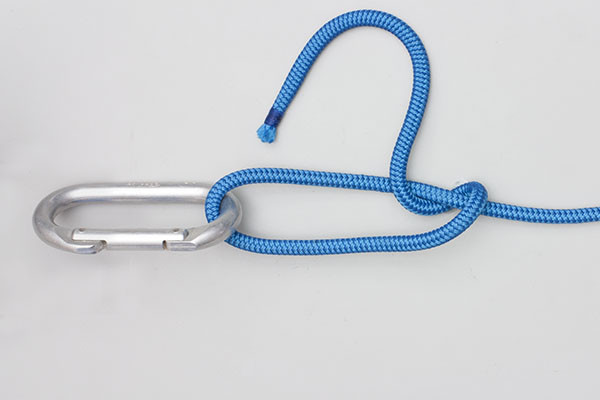
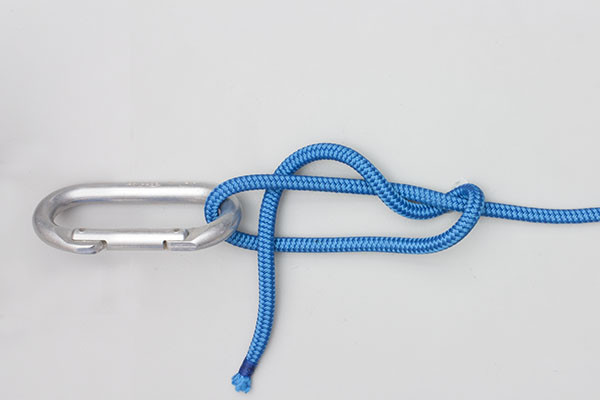
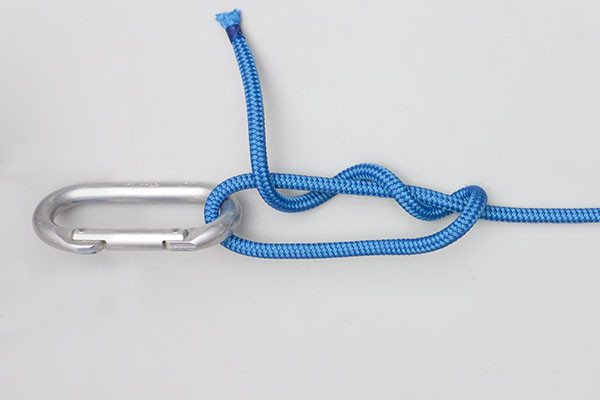
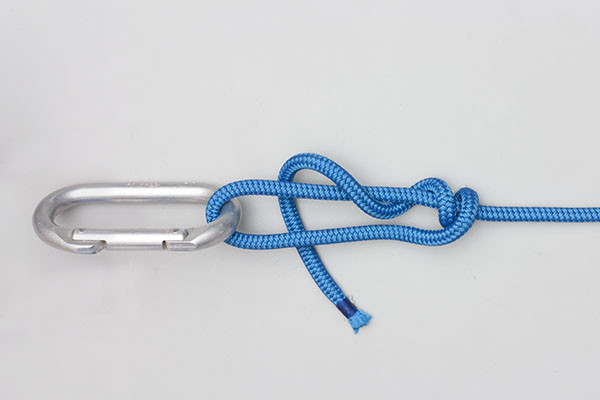
When learning how to tie Adjustable Grip Hitch, precision is paramount. Follow these specific steps to ensure the knot functions correctly and provides the necessary friction to hold your gear in place.
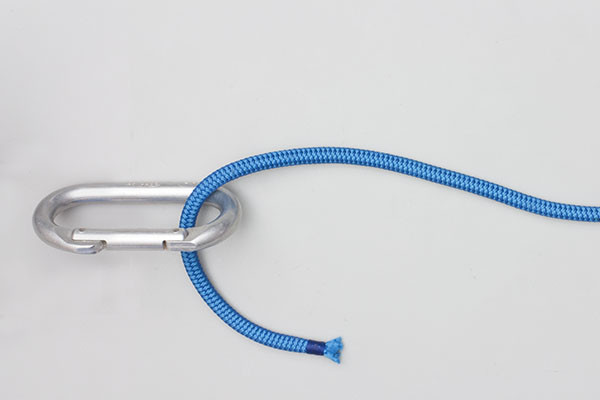
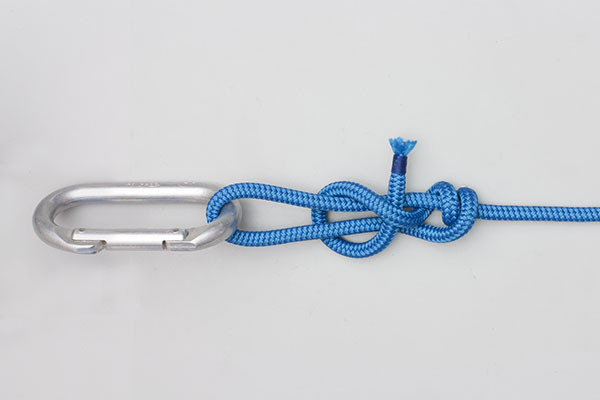
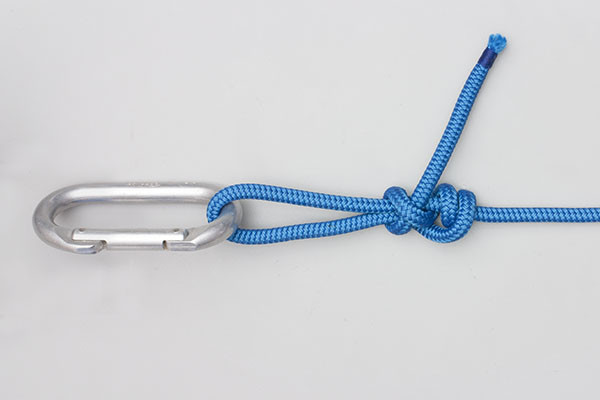
- Pass the working end around the object.
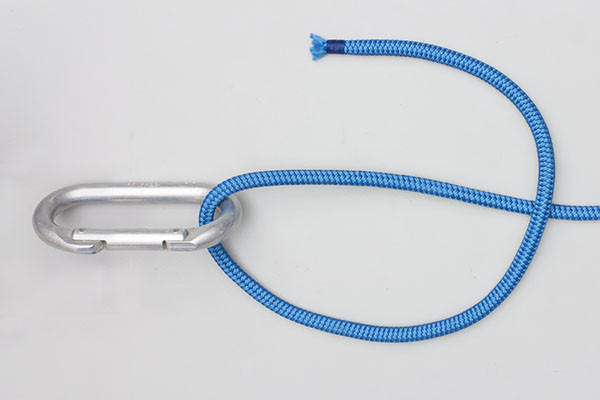
- Wrap the end twice around the standing end.
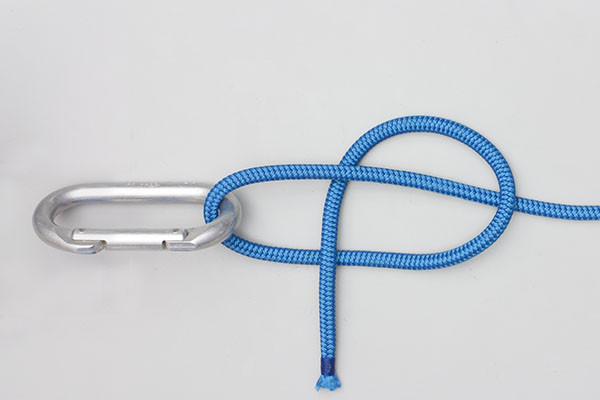
- Then wrap the end around both ropes, tuck it under itself, and tighten the knot.
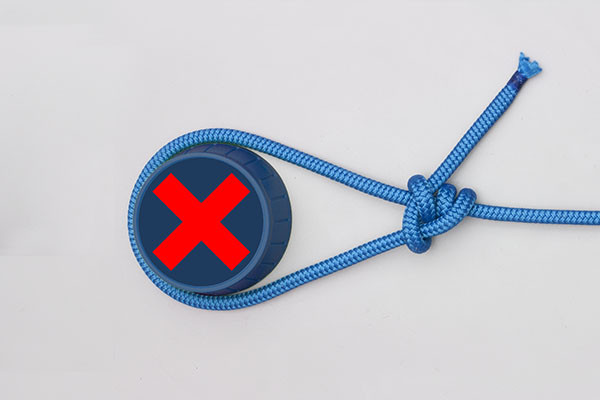
Safety Warning: Never tie close to a tree or large object – the knot may release.
Common Mistakes to Avoid
Even experienced riggers can make mistakes with the Adjustable Grip Hitch knot. To ensure your outdoor rope techniques remain safe and effective, watch out for these common errors:
1. Tying Against Large Diameters
As noted in the instructions, tying this hitch too close to a large object (like a thick tree trunk) is dangerous. The geometry of the knot requires the loop to have a certain degree of "v-shape" as it leaves the knot. If the object is too wide, it flattens the knot, preventing the internal wraps from gripping the standing part properly. This can lead to a sudden and total failure of the hitch.
2. Incorrect Number of Wraps
The instruction specifies wrapping the end twice around the standing end. Skipping a wrap reduces the surface area contact, which leads to slipping. Adding too many wraps might make the knot too bulky to slide smoothly when you actually want it to move.
3. Using "Slick" Rope
High-tech ropes like those made from Dyneema or Spectra are incredibly strong but have very low friction. An Adjustable Grip Hitch tied in these materials may slide even under low tension. Always test your knot in a low-risk environment if using new or synthetic cordage.
4. Failure to "Dress" the Knot
"Dressing" a knot refers to straightening the turns and ensuring they lie neatly against each other. A messy knot creates uneven friction, which can cause the rope to bind or slip unexpectedly. After following the steps, always manually snug the wraps before applying a load.
Related Knots and Splicing
Understanding the Adjustable Grip Hitch is a gateway to other essential rope knots. Here are a few related techniques that every specialist should know:
- Taut-Line Hitch: A classic sliding hitch used for similar purposes, though it differs slightly in the final "hitch" placement compared to the Adjustable Grip Hitch.
- Blake’s Hitch: A heavy-duty friction hitch used primarily by arborists for climbing; it stays secure even when the climber’s full weight is applied.
- Prusik Knot: A friction hitch wrapped around a host rope; it is bi-directional and used extensively in search and rescue and mountaineering.
- Rolling Hitch: Designed to attach a rope to a pole or another rope, it is optimized for a pull that is parallel to the object rather than at an angle.
- Midshipman’s Hitch: Often considered an improved version of the Taut-Line, it incorporates an awning hitch that makes it more secure under heavy strain.
Final Words
The Adjustable Grip Hitch is a vital tool in any outdoor enthusiast’s arsenal. Its ability to provide adjustable tension makes it the perfect solution for everything from securing a tarp in a storm to creating a temporary drying line for gear. By following the precise steps of passing the working end around the object, wrapping twice, and finishing with a tuck under both ropes, you create a mechanical advantage that is both elegant and functional.
However, remember the golden rule of this specific hitch: avoid large objects that might interfere with the knot’s ability to "bite" the standing line. Mastery of outdoor rope techniques comes through practice and respect for the physics of cordage. Spend some time practicing the Adjustable Grip Hitch knot at home with different rope types, and you will find it to be one of the most useful skills you carry into the wilderness.
Whether you are a professional rigger or a weekend camper, the reliability of your knots is the foundation of your safety. Tighten your hitches, check your lines, and enjoy the confidence that comes with expert knot-tying knowledge.