
The world of rope knots is vast, but few names carry as much weight as Clifford Ashley. As the author of the definitive The Ashley Book of Knots (ABOK), his contributions to maritime and utility knotting are unparalleled. Among his many inventions and documentations, the Ashley Bend stands out as a premier method for joining two ropes of similar diameter. Whether you are an arborist, a sailor, or a search-and-rescue professional, mastering the Ashley Bend knot is a vital addition to your repertoire of outdoor rope techniques.
In technical terms, a "bend" is a knot used to join two separate pieces of rope together. While the Sheet Bend is famous for its simplicity and the Double Fisherman’s for its strength, the Ashley Bend offers a unique balance of security and ease of untying. It was designed specifically to be more secure than the common Hunter’s Bend while remaining stable under heavy loads.
Also known as: Ashley’s Bend.
What Is an Ashley Bend?
The Ashley Bend is a high-security knot used to connect two rope ends. Clifford Ashley developed this knot (cataloged as #1452 in his book) after experimenting with various interlocking bights. Its primary purpose is to provide a reliable connection that will not slip, even when subjected to significant tension or used with modern, synthetic materials that tend to be "slippery."
Practical Uses and Applications
The Ashley Bend knot is prized in several industries due to its symmetrical structure and resistance to "capsizing" (deforming under load).
- Sailing and Marine Use: It is excellent for extending lines or joining two hawsers. Because it remains relatively easy to untie even after being soaked and strained, it is a favorite for temporary rigging.
- Arboriculture: Tree climbers often use bends to create loops or join climbing lines. The Ashley Bend provides the security needed when life-safety is a secondary consideration in utility hauling.
- General Utility: From securing loads on a truck to joining clotheslines, this knot is a "set it and forget it" solution.
- Rescue Scenarios: In emergency rigging where a specialized bend like the Zeppelin or Alpine Butterfly isn’t immediately recalled, the Ashley Bend offers a robust alternative that handles shock loading well.
Materials and Tools Needed
To successfully tie and utilize the Ashley Bend, you must consider the type of rope and the environment in which it will be used. Not all rope knots perform the same across different materials.
- Rope Types:
- Nylon: Excellent for the Ashley Bend due to its elasticity. The knot seats deeply into the fibers.
- Polyester: Very stable. This is perhaps the best material for this knot in a marine environment.
- Natural Fibers (Manila/Hemp): While the knot works, natural fibers are bulkier. Ensure the knot is dressed very tightly to prevent friction burns.
- High-Modulus Polyethylene (Dyneema/Spectra): These are very slippery. While the Ashley Bend is secure, always leave long "tails" (working ends) when using these materials.
- Tools:
- Marlinspike or Fid: Useful if you need to untie the knot after it has been under extreme tension for a long period.
- Gloves: Recommended when tightening the knot to protect your hands from rope burn.
How to Tie Ashley Bend?
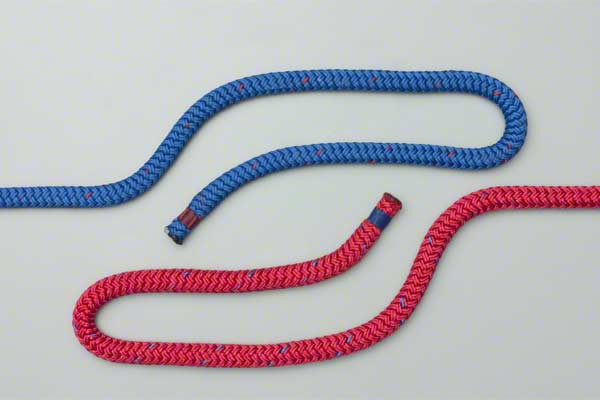
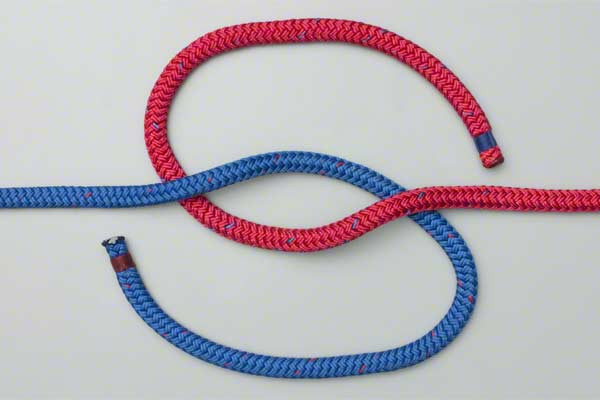
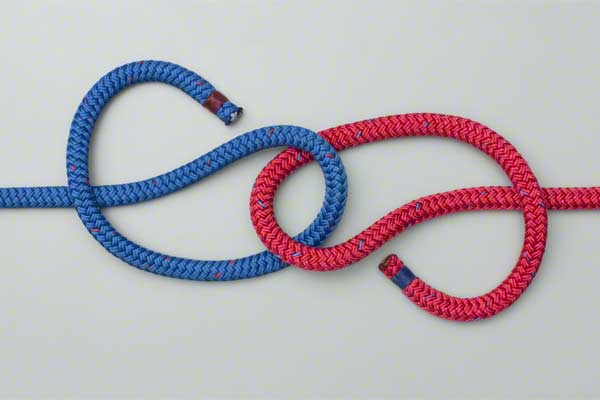
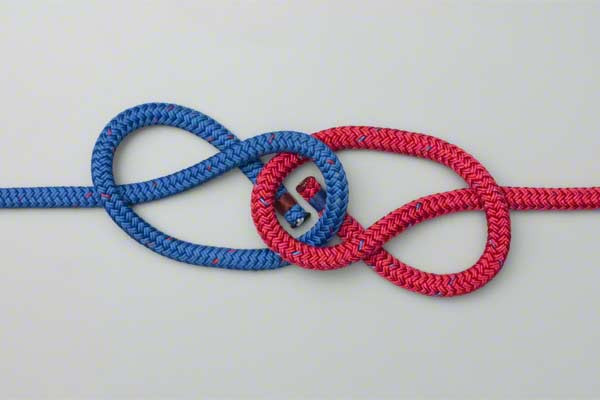
To ensure the highest level of security, follow these steps precisely. This method focuses on the interlocking nature of the bights, which provides the knot its signature stability.
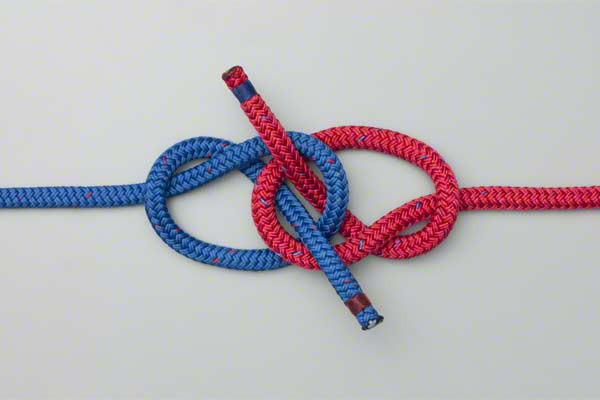
- Form a bight in each rope.
- Interlock the two bights.
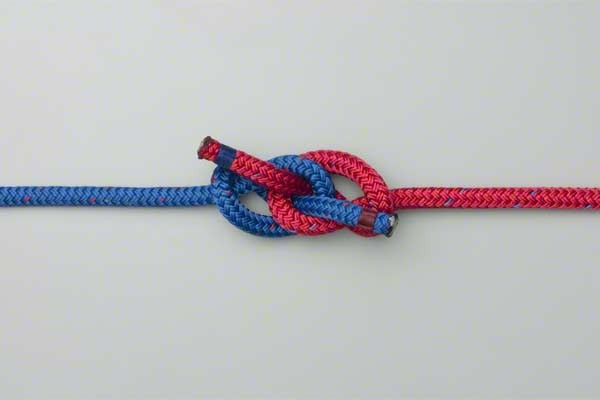
- Pass each end over itself, under both ropes, and then up through the middle staying close to its own standing end.
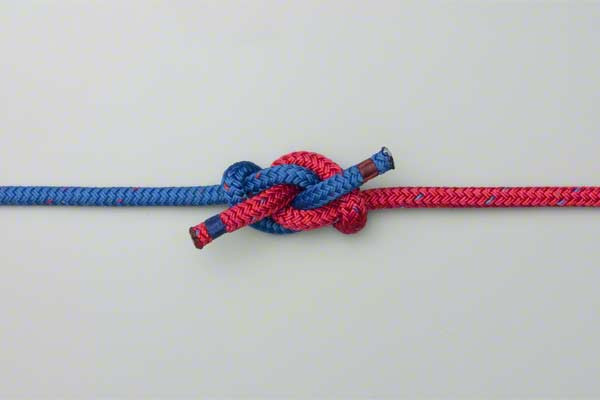
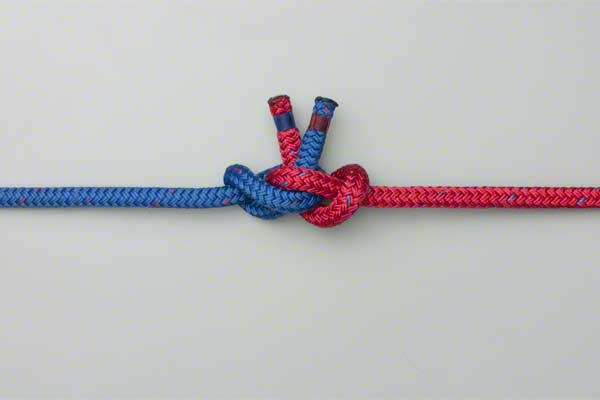
- Tightening naturally rotates each end around the other to finish adjacent to the other standing end – as shown in the side view.
Common Mistakes to Avoid
Even for those experienced in outdoor rope techniques, small errors can compromise the integrity of a bend. Safety is paramount when joining two lines.
- Improper Interlocking: The most common mistake is failing to properly interlock the initial bights. If the bights are merely laid next to each other rather than interwoven, the knot will fail immediately under load.
- Short Tails: Always ensure that the working ends (the "tails") are long enough. A good rule of thumb is to leave a tail length at least five times the diameter of the rope. If the knot settles or "creeps" under high tension, short tails can be pulled back into the knot, causing it to undo.
- Failure to "Dress" the Knot: Dressing a knot means smoothing out the strands and ensuring they lie flat and parallel where intended. A messy Ashley Bend knot can create localized stress points that weaken the rope.
- Mismatching Rope Diameters: Bends are generally designed for ropes of equal or very similar thickness. If you attempt to tie an Ashley Bend with one thick rope and one thin cord, the thinner line may act as a saw or simply slip through the structure of the larger rope.
Related Knots and Splicing
Understanding how the Ashley Bend relates to other rope knots helps you choose the right tool for the job. Here are a few related techniques:
- Hunter’s Bend: Also known as the Rigger’s Bend, it is structurally similar but less secure than the Ashley Bend in slippery synthetic lines.
- Zeppelin Bend: A highly symmetrical and jam-proof bend that is considered by many experts to be the gold standard for joining two ropes.
- Alpine Butterfly Bend: A variation of the Butterfly Loop used as a bend; it is exceptionally secure and easy to inspect visually.
- Sheet Bend: The simplest way to join two ropes, especially of different diameters, though it is significantly less secure than the Ashley Bend.
- Double Fisherman’s Knot: A very strong and permanent way to join ropes, though it is notoriously difficult to untie after it has been weighted.
Final Words
The Ashley Bend is a testament to the functional beauty of traditional knot-tying. It bridges the gap between the simplicity of a basic bend and the high-performance security required for modern outdoor rope techniques. By following the specific steps of interlocking bights and passing the ends through the center, you create a symmetrical, stable, and reliable connection.
Whether you are preparing for a weekend camping trip or rigging lines on a sailboat, the Ashley Bend knot provides peace of mind. Practice it frequently with different rope types to develop the muscle memory needed to tie it in low-light or high-stress situations. Remember, the strength of your system is only as good as the knot that holds it together. Always inspect your knots before applying a load, and stay safe in all your outdoor adventures.