
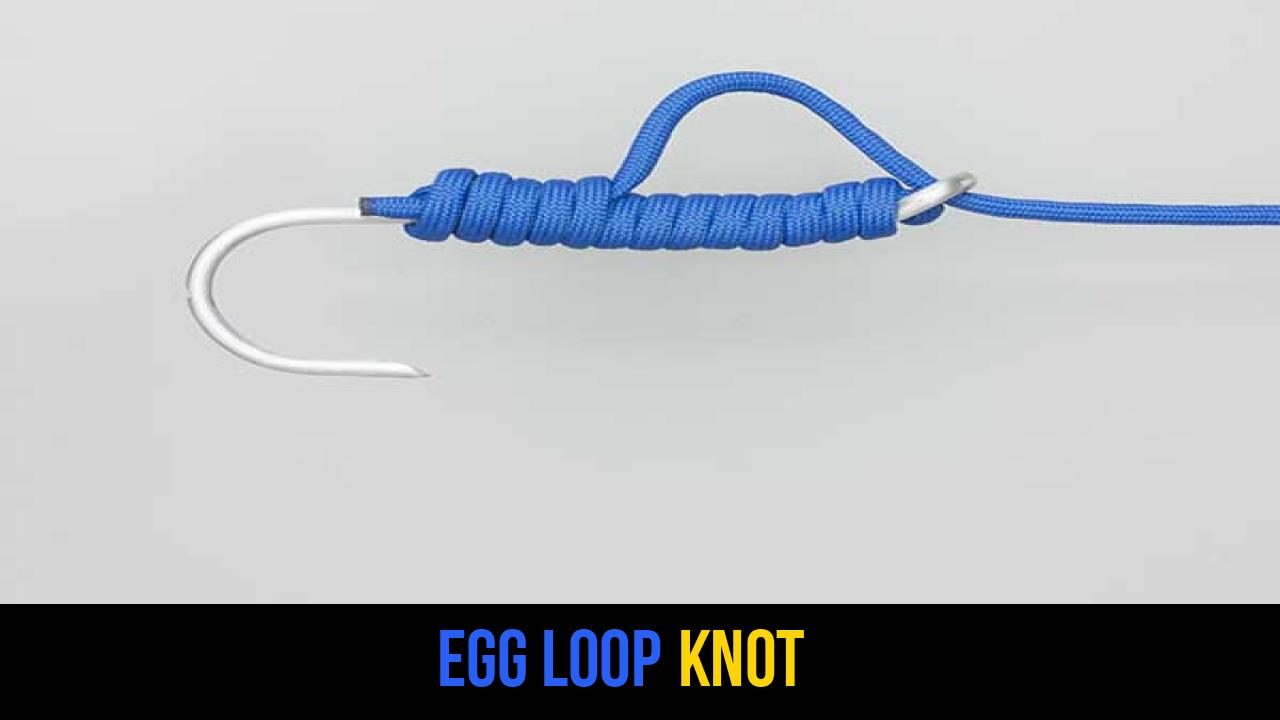
In the world of angling and specialized outdoor rope techniques, few connections are as revered for their utility and strength as the Egg Loop Knot. Primarily utilized by salmon and steelhead anglers, this knot is a sophisticated variation of the traditional snell knot. Its primary purpose is to provide a secure "loop" on the shank of the hook, allowing the user to cinch down on soft baits like cured salmon roe (eggs), yarn, or prawns without the bait sliding off during a cast or in heavy currents.
Mastering the Egg Loop Knot is often considered a rite of passage for serious outdoor enthusiasts. While it may appear complex at first glance, its mechanical advantages are undeniable. It provides a straight-line pull from the eye of the hook, ensuring better hook sets, while the integrated loop acts as a secondary "hand" to hold your presentation in place. Whether you are navigating the rushing rivers of the Pacific Northwest or studying various rope knots for general outdoor applications, understanding the geometry of this knot is invaluable.
Alternative names for this knot include: The Bumper Knot, The Yarn Knot, and the Salmon Egg Loop.
What Is an Egg Loop Knot?
The Egg Loop Knot is a specialized hitch used to attach a leader to a hook while simultaneously creating a functional loop along the hook’s shank. Unlike standard knots that simply terminate at the eye, the Egg Loop wraps around the shank multiple times, creating a friction-based grip that is incredibly strong.
Practical Uses and Applications
- Securing Soft Baits: The most common use is holding "clusters" of eggs. By opening the loop, placing the bait against the hook shank, and tightening the leader, the bait is squeezed firmly in place.
- Yarn Presentations: Many anglers use "drift gear" where a small piece of colorful yarn is held in the loop to mimic natural food sources or provide a scent sponge.
- High-Current Stability: Because the knot is snelled (wrapped around the shank), the hook remains perfectly aligned with the leader, preventing the "wobble" that can occur with other rope knots when subjected to heavy water pressure.
- Outdoor Utility: While primarily a fishing knot, the mechanical principles of the Egg Loop—using overlapping wraps to secure a secondary loop—can be applied in various outdoor rope techniques where a temporary, adjustable loop is needed on a rigid cylindrical object.
Materials and Tools Needed
To tie a perfect Egg Loop Knot, you need the right materials. The quality of your components directly affects the knot’s performance and break strength.
- Leader Material: Typically, monofilament or fluorocarbon is used. Fluorocarbon is preferred for its low visibility and high abrasion resistance. For practice, any medium-gauge cord used in rope knots training will suffice.
- Hooks: An "up-eye" or "straight-eye" bait hook is standard. Hooks with a "baitholder" barb on the shank can provide extra grip but are not strictly necessary for this knot.
- Scissors or Line Clippers: You will need a sharp tool to trim the tag end cleanly.
- Pulling Tool (Optional): A knot-pulling tool or a pair of pliers can help in seating the knot firmly without straining your hands.
- Bait/Yarn: If you are using this for its intended purpose, have your yarn or bait ready to test the loop’s function.
How to Tie Egg Loop Knot?
Follow these steps precisely to ensure the knot is tied correctly. This sequence focuses on creating the necessary friction wraps and the secondary loop that gives the knot its name.
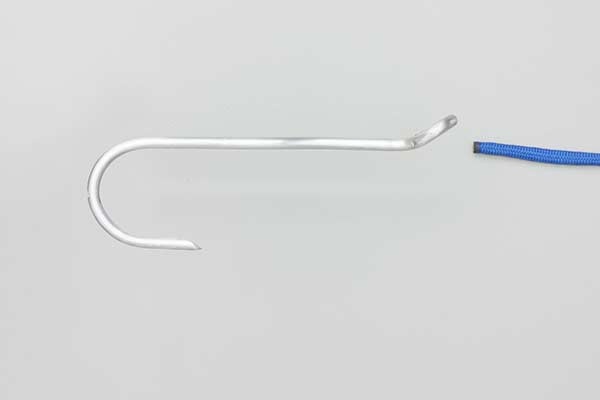
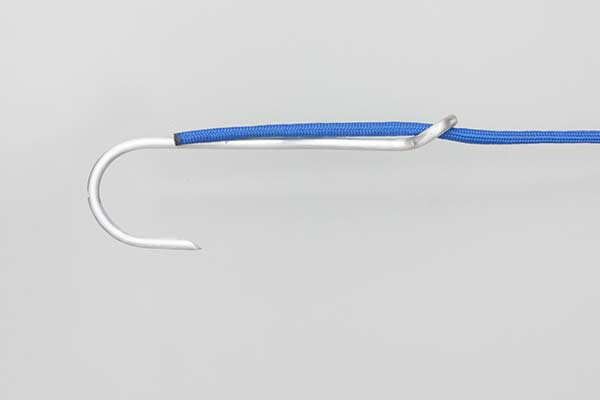
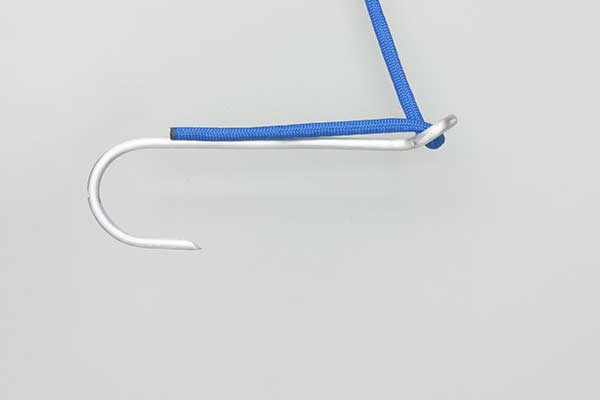
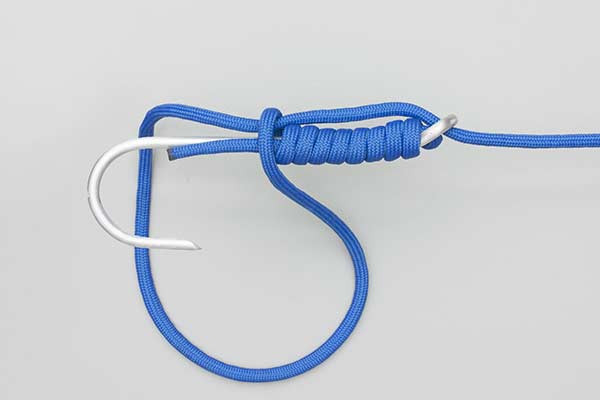
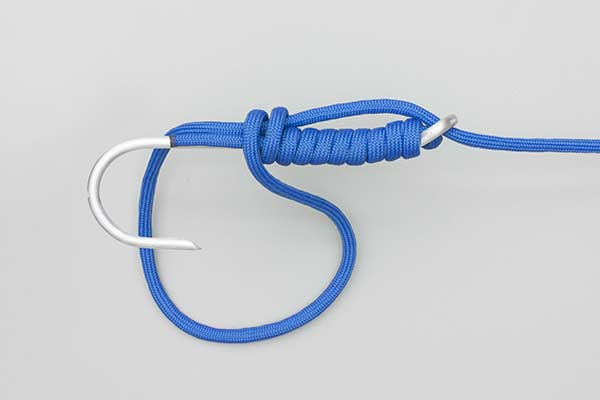
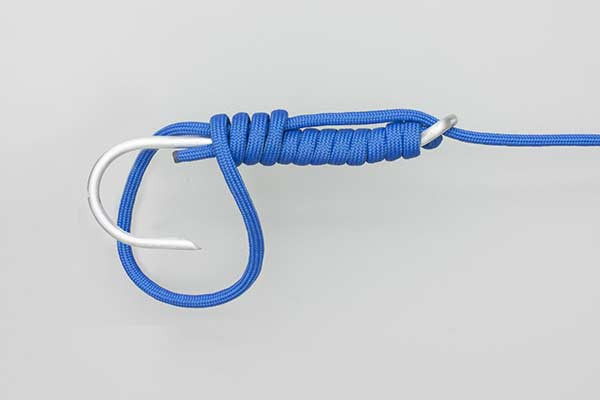
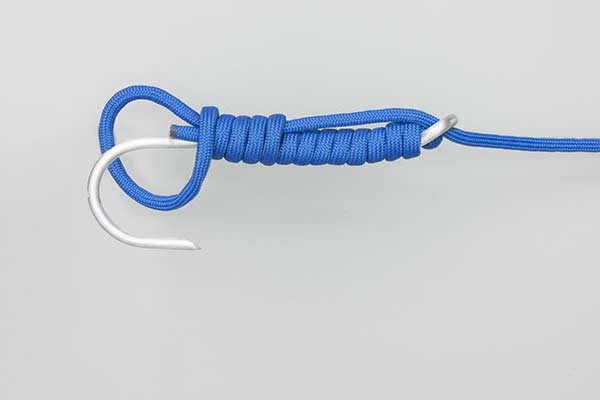
- Pass one end of the leader through the eye.
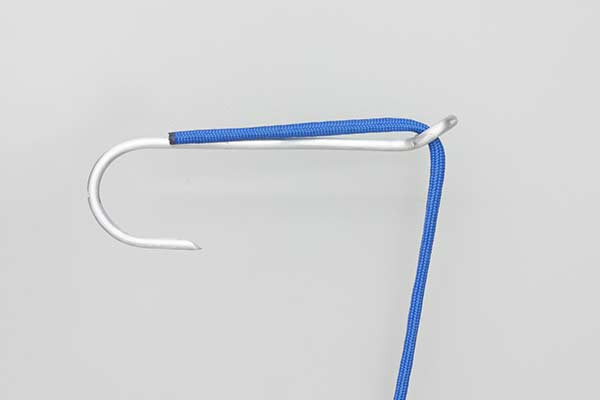
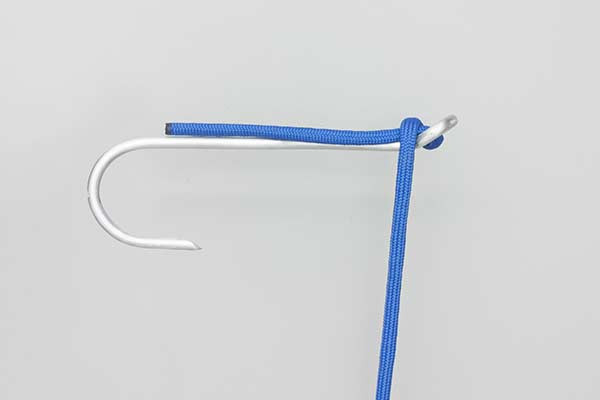
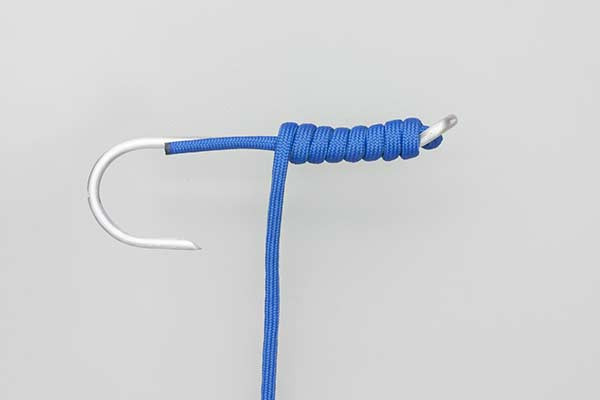
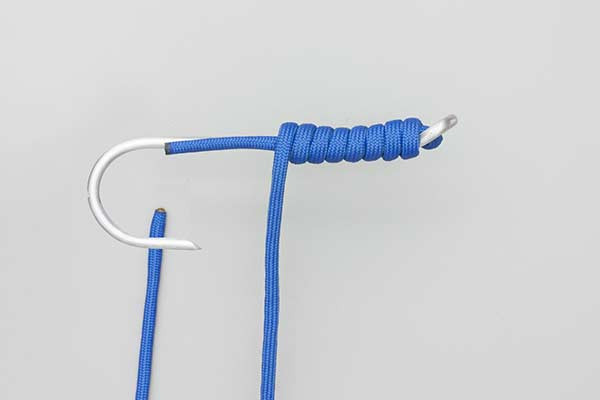
- Wrap the long end around the hook and short end about 15 times.
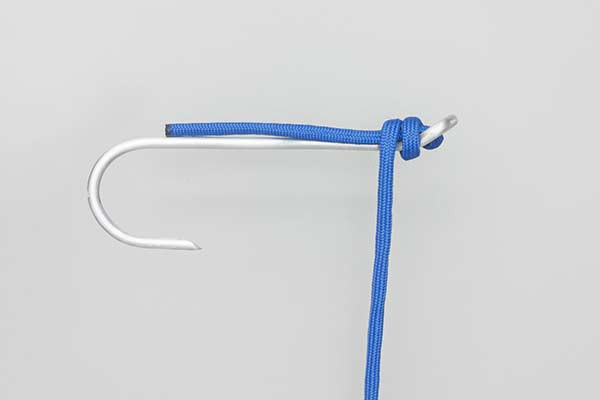
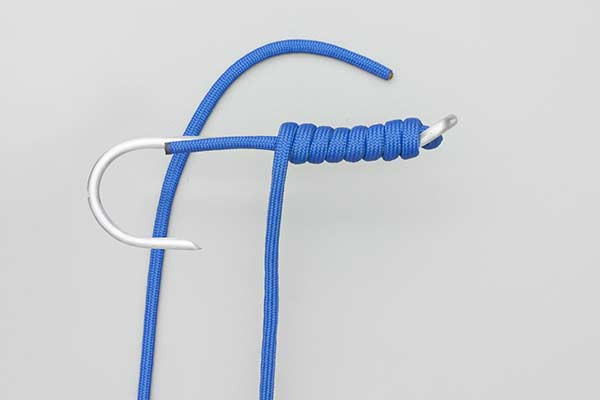
- Pass the long end through the hook to create a loop.
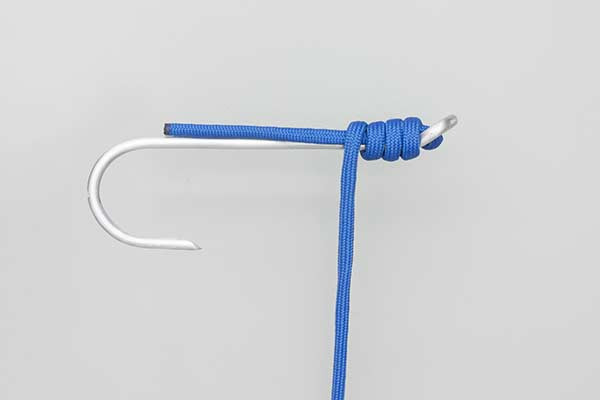
- Continue wrapping using the loop about another 7 times.
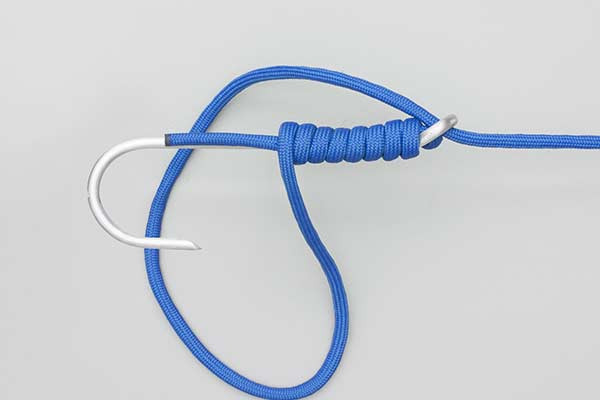
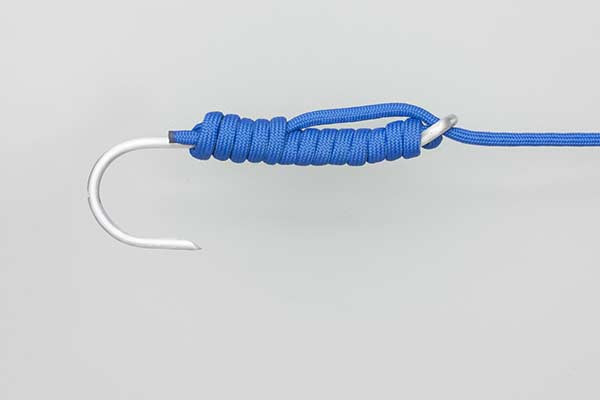
- Pull the long end to tighten the wraps.
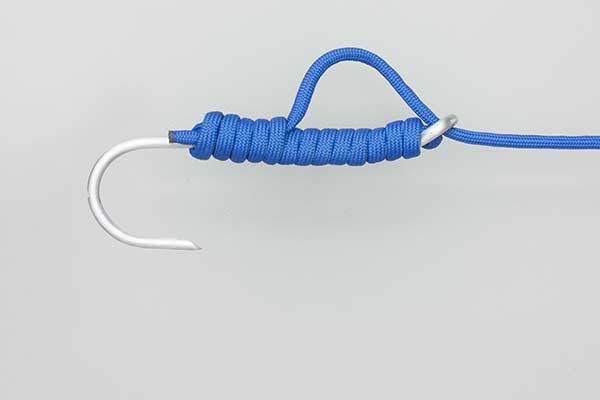
- Open up the egg loop.
The Mechanics of the Egg Loop Knot
Understanding why the Egg Loop Knot works is as important as knowing how to tie it. This knot relies on capstan friction. Each wrap around the hook shank increases the amount of surface area in contact between the line and the metal. By the time you have completed 22 total wraps (15 initially and 7 after the loop is formed), the knot is almost impossible to slip.
The middle step—passing the long end back through the eye—is what creates the "trap." When you pull the standing line, it creates tension that pulls both sets of wraps together. This sandwiching effect is what secures the loop. In the context of outdoor rope techniques, this is a prime example of how internal tension can be used to manage a secondary line without needing a separate knot.
Common Mistakes to Avoid
Even experienced outdoorsmen can struggle with the Egg Loop Knot if they rush the process. Here are the most common pitfalls:
- Overlapping Wraps: When performing the initial 15 wraps, ensure they lie side-by-side like a coil spring. If the line crosses over itself prematurely, it creates a weak point that can snap under pressure.
- Incorrect Wrap Direction: Always wrap toward the bend of the hook. If you wrap toward the eye, the knot will unravel as soon as tension is applied.
- Dry Tightening: This is a universal rule for rope knots involving synthetic fibers. Friction creates heat. Always moisten the knot with water or saliva before the final pull to prevent the line from "burning" and becoming brittle.
- Loose Loops: If the 7 secondary wraps are too loose, the egg loop will not stay closed properly. Maintain constant tension on the line throughout the process.
Related Knots and Splicing
Expanding your knowledge of outdoor rope techniques involves understanding how different knots relate to one another.
- Snell Knot: A fundamental method of attaching a line to a hook, providing a straight pull and high strength. It is essentially an Egg Loop without the secondary bait-holding feature.
- Palomar Knot: Renowned for its simplicity and near 100% knot strength, ideal for braided lines and heavy outdoor use where a loop is not required.
- Improved Clinch Knot: A classic, reliable knot for securing a line to a lure or swivel, used widely in various rope knots applications for its quick tying time.
- Nail Knot: Often used in fly fishing to join lines of different diameters, it utilizes similar wrapping principles to the Egg Loop to create a smooth, tapered connection.
Advanced Tips for the Egg Loop Knot
To truly excel at this technique, consider these professional adjustments:
Adjusting Loop Size
The size of your "egg loop" is determined by how much slack you leave when you pass the long end back through the eye in step 3. If you are using large clusters of salmon roe, you will want a larger loop. For small pieces of yarn, a tighter, smaller loop is more effective.
Wrap Counts
While the instructions specify 15 and 7 wraps, these can be adjusted based on the diameter of your line. Thinner lines may require more wraps (e.g., 20 and 10) to create enough bulk to hold the bait, while very thick leaders might function better with slightly fewer wraps to avoid a bulky knot that might spook fish.
Consistency in Outdoor Rope Techniques
When practicing your rope knots, consistency is key. Try to tie the Egg Loop ten times in a row until the muscle memory takes over. In the field, you may be tying this with cold, wet hands or in low-light conditions. Mastery means being able to feel the wraps as they seat against the hook shank.
Safety and Maintenance
When working with hooks and high-tension lines, safety is paramount.
- Hook Awareness: Always keep the point of the hook away from your palm while wrapping. Some professionals use a small piece of cork to cover the hook point during the tying process.
- Line Inspection: After tying the Egg Loop Knot, always inspect the leader for nicks. If the wraps have abraded the line, cut it off and start over. A compromised knot is a guaranteed failure point.
- Environmental Consideration: Always dispose of your trimmed tag ends properly. Discarded line is a significant hazard to wildlife and the environment.
Final Words
The Egg Loop Knot is more than just a fishing connection; it is a masterpiece of functional design within the broader category of outdoor rope techniques. By combining the strength of a snell with the utility of an adjustable loop, it provides a solution for bait presentation that no other knot can match.
Whether you are preparing for a season on the river or simply expanding your repertoire of rope knots, the Egg Loop is a vital tool. It requires patience to master, but the rewards—in both security and versatility—are well worth the effort. Practice the steps, avoid the common mistakes of overlapping and dry-pulling, and you will soon be able to tie this essential knot with professional speed and precision.
Summary of practical applications:
- Salmon/Steelhead Fishing: The gold standard for egg and yarn presentations.
- Catfishing: Excellent for holding soft "stink baits" or liver on the hook.
- Rigging: Useful in any scenario where a line must be secured to a shank while leaving an adjustable loop for secondary attachments.
By integrating the Egg Loop Knot into your skillset, you ensure that your gear is as resilient and adaptable as the environments you explore.
