
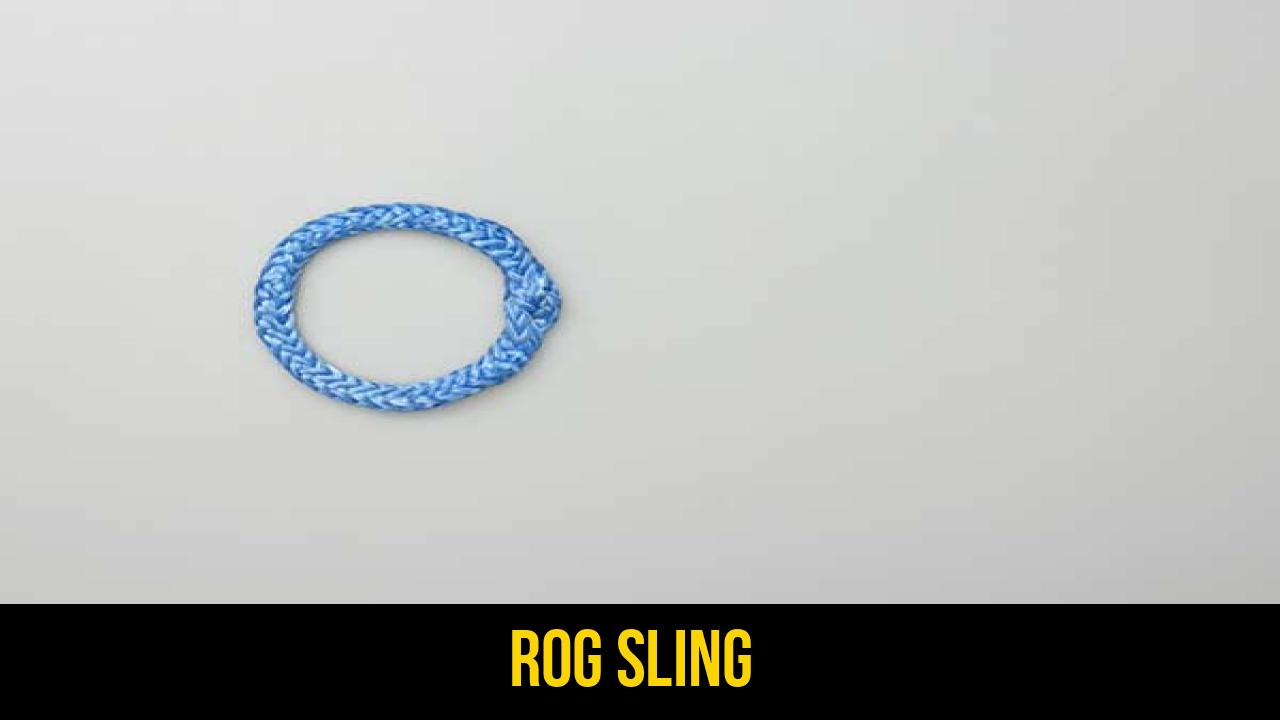
In the world of high-performance rigging and outdoor rope techniques, few structures offer the combination of elegance and sheer mechanical strength found in the Grog Sling. Used extensively by arborists, blue-water sailors, and weight-conscious backpackers, the Grog Sling is a specialized form of a continuous loop. Unlike a standard loop joined by a knot—which can reduce a rope’s breaking strength by up to 50%—the Grog Sling utilizes a "locked" splicing technique to maintain nearly the full structural integrity of the cordage.
Whether you are securing a hammock, rigging a pulley system for tree care, or looking for a lightweight alternative to heavy steel hardware, mastering this splice is an essential skill. This article provides a comprehensive deep dive into the construction, utility, and technical nuances of this specialized rope knot alternative.
Alternative Names: Grog’s Sling, Mobius Loop, Continuous Brummel Loop, Locked Brummel Ring, Infinite Splice.
What Is a Grog Sling?
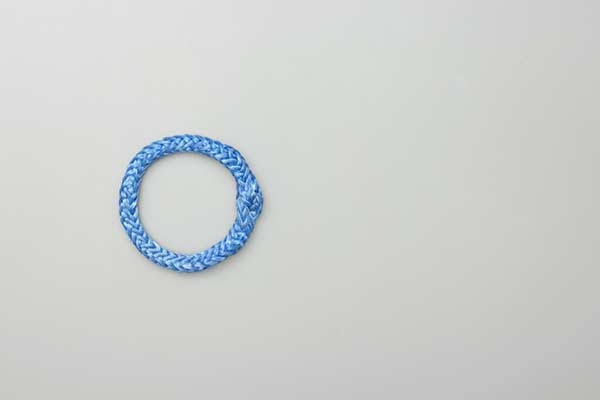
A Grog Sling is essentially a continuous loop made from a single piece of hollow-braid rope, joined together using a back-to-back Brummel Eye Splice. The beauty of the Grog Sling lies in its "locked" nature. While many splices rely solely on the "Chinese finger trap" friction of a long bury, the Brummel technique involves passing the rope ends through one another in a specific sequence. This creates a mechanical lock that prevents the splice from slipping even when the rope is not under tension.
Practical Uses and Advantages
The primary advantage of the Grog Sling knot construction is its efficiency. In modern outdoor applications, we frequently use ultra-high-molecular-weight polyethylene (UHMWPE) ropes, such as AmSteel-Blue or Dyneema. These fibers are incredibly strong but also very "slick," meaning traditional knots often slip or crawl under load.
The Grog Sling solves this by:
- Maximizing Strength: It retains approximately 90-100% of the rope’s rated breaking strength.
- Reducing Bulk: There are no bulky knots to snag on branches or hardware.
- Stability: The locked Brummel ensures the loop stays the same size regardless of cyclic loading.
Common applications include creating "soft shackles," forming fixed loops for prusik cords, and providing high-strength attachment points in sailing reefing lines.
Materials and Tools Needed
Before beginning your splice, you must ensure you have the correct type of rope. The Grog Sling is designed specifically for hollow-braid 12-strand rope. It cannot be performed on standard kernmantle (climbing) rope or 3-strand twisted rope.
Recommended Cordage
- AmSteel-Blue / Dyneema SK75/SK78: The gold standard for high-strength, low-stretch applications.
- Hollow-Braid Polyester: Good for practice and lower-load utility applications.
Essential Tools
To achieve a professional-grade finish, gather the following:
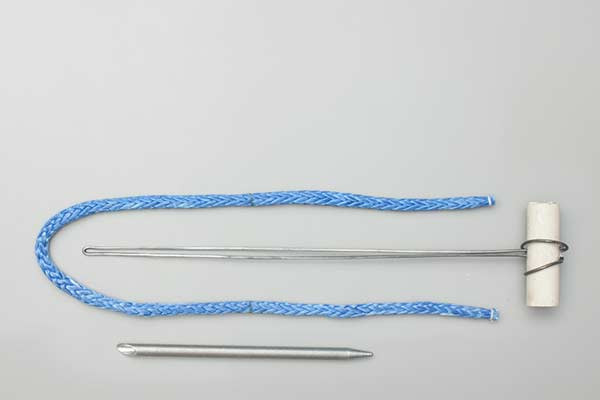
- Splicing Tool (Fid or Wire Puller): A specialized tool used to pull the rope through its own core. For smaller diameters (7/64" or 1/8"), a folded piece of floral wire or a guitar string works well.
- Sharp Scissors or Ceramic Knife: UHMWPE fibers are notoriously difficult to cut; a high-quality edge is vital.
- Marking Pen: A permanent marker or grease pencil to mark your tuck points accurately.
- Measuring Tape: Essential for ensuring the final loop is the desired circumference.
How to Tie Grog Sling?
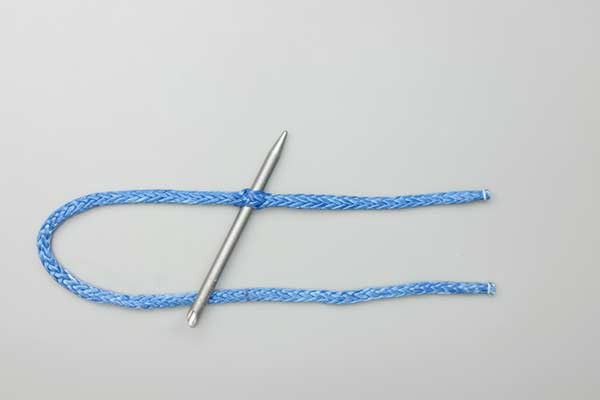
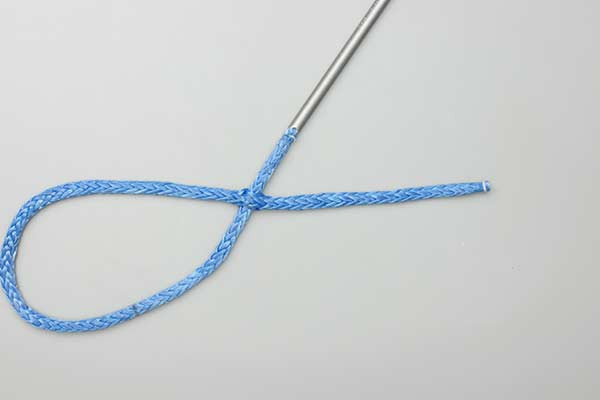
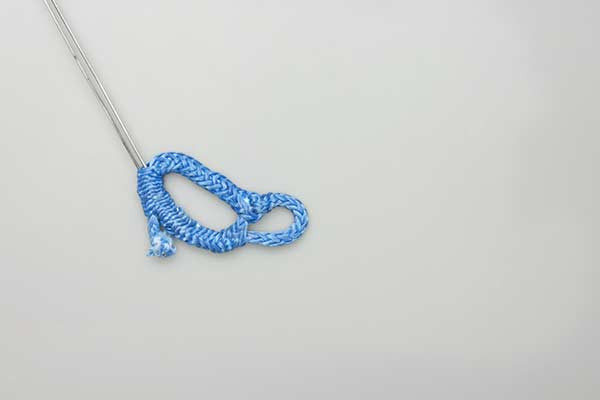
Creating a Grog Sling requires precision. Unlike a standard eye splice where you have a long standing part, here you are working both ends of a single segment into each other to form a ring. Follow these steps exactly to ensure a secure, locked Brummel construction.
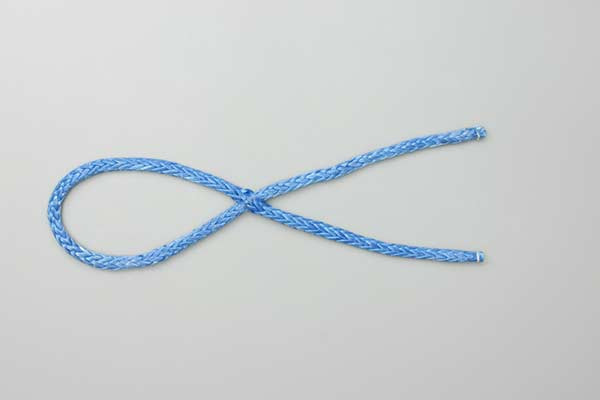
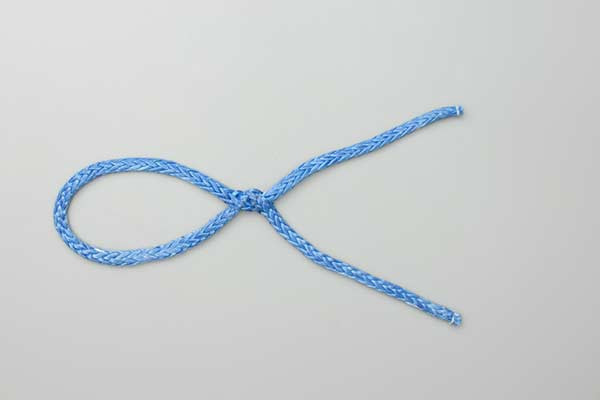
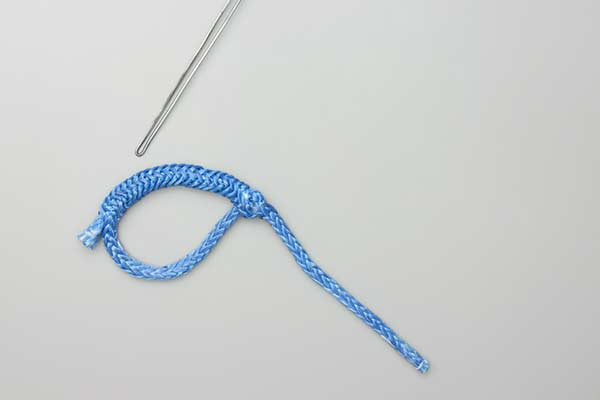
- Pass the first end and then the second to make a Brummel Eye Splice.
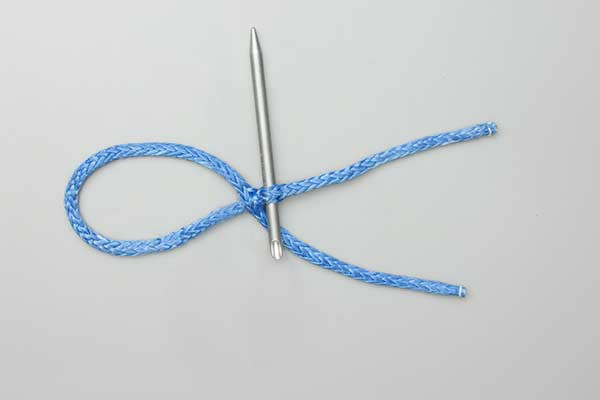
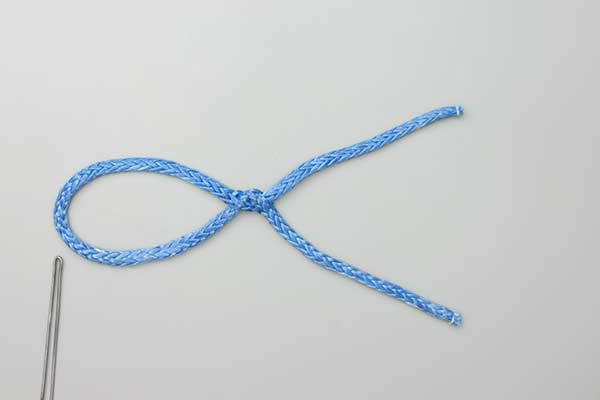
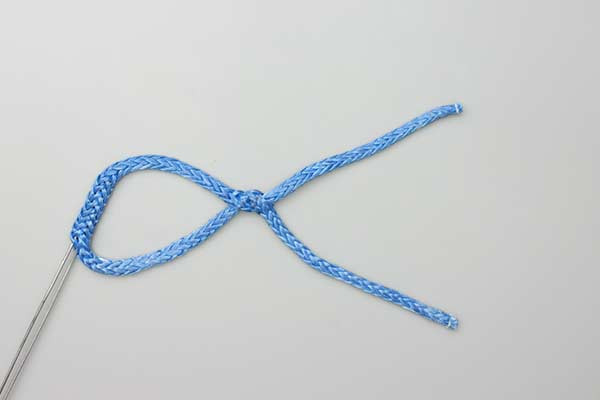
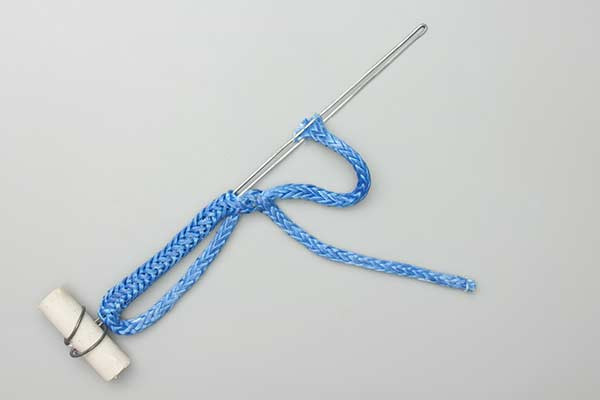
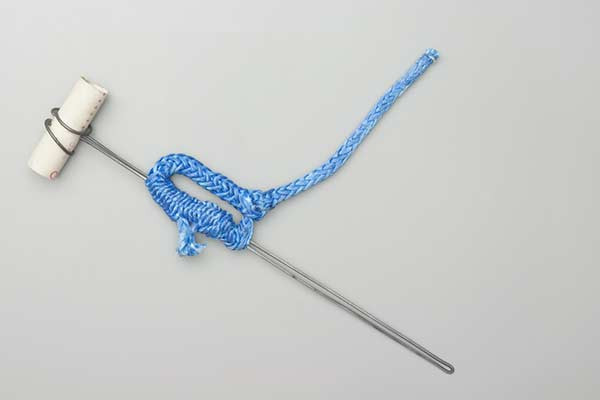
- Pass the splicing tool up to exit beside the first tuck.
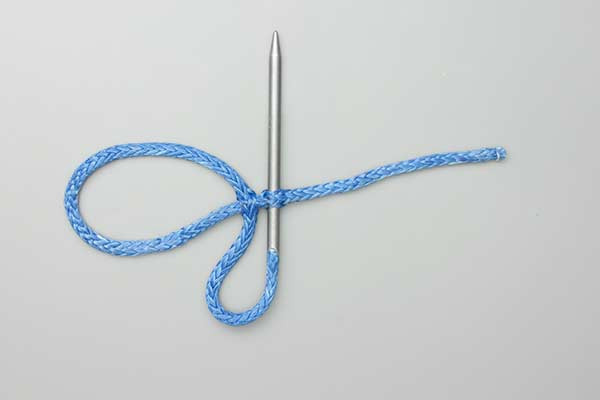
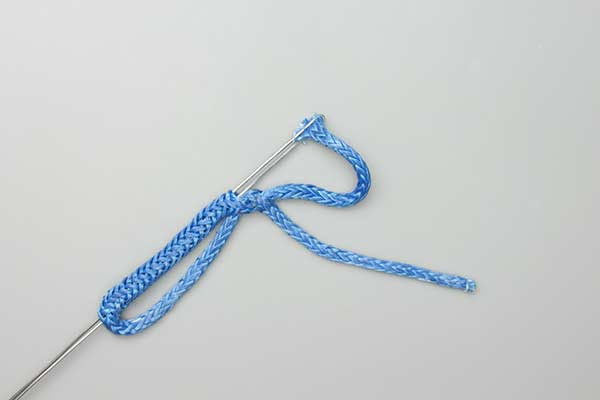
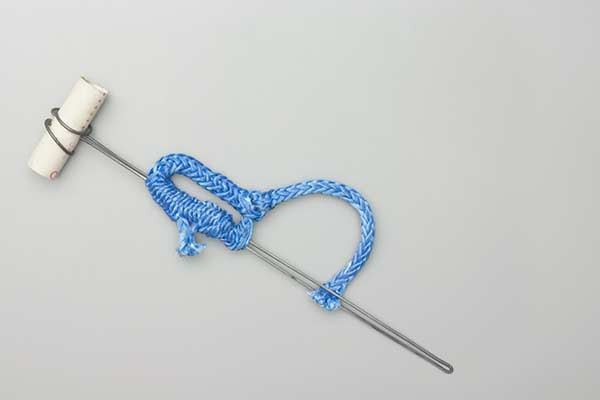
- Pull the second end back through.
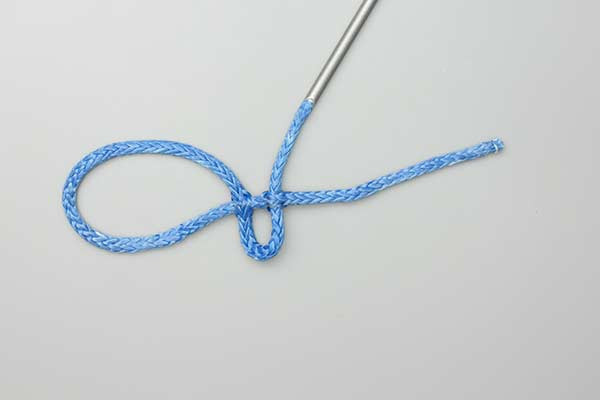
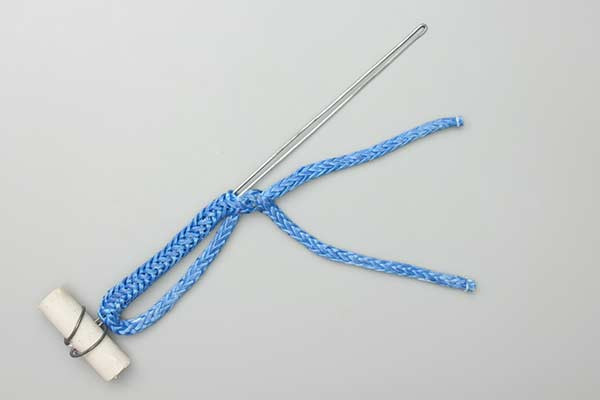
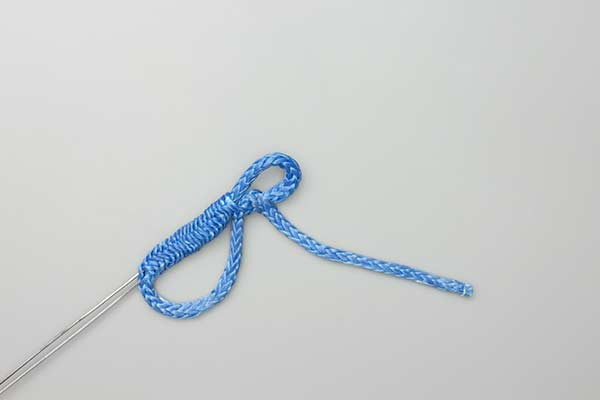
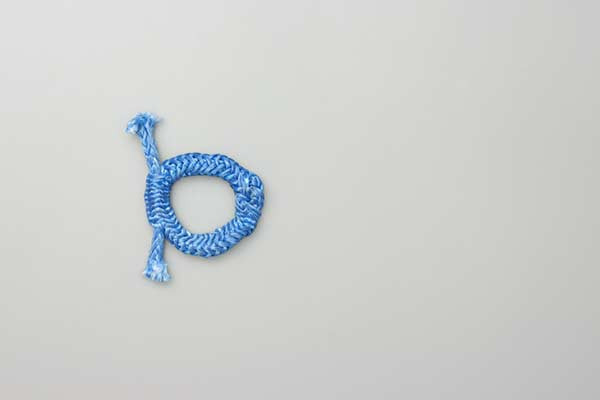
- Overlapping with the previous tuck, pass the splicing tool up the other side and pull the first end back through.
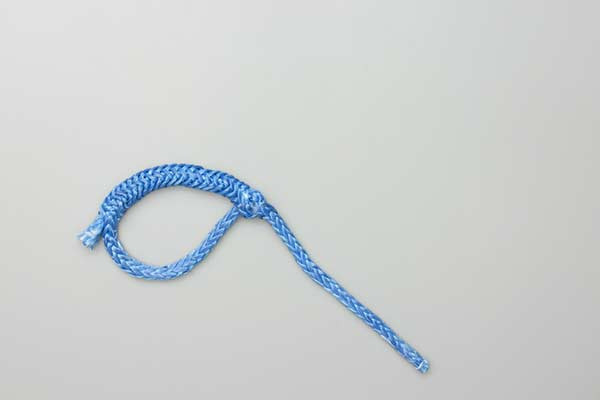
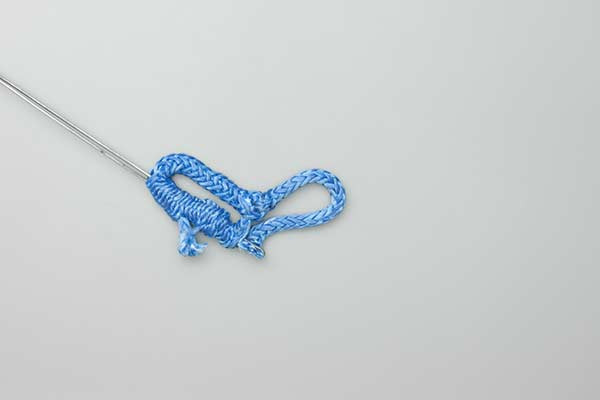
- Taper the ends and pull the ring tight.
Note: Once the final tucks are made, "milking" the rope (sliding the outer braid over the buried ends) is necessary to smooth out the transition and ensure the taper is fully encased.
Common Mistakes to Avoid
Even experienced riggers can make errors when first learning outdoor rope techniques involving the Brummel lock. Pay close attention to these common pitfalls:
1. Forgetting the Taper
In step 5, tapering is mentioned. This involves thinning the ends of the rope by removing several strands before burying them. If you do not taper the ends, you create a "step" inside the rope, which causes a significant stress concentration point. A proper taper allows the load to transition smoothly from the full rope to the splice.
2. Incorrect Exit Points
When you pass the splicing tool up to exit, it must be precisely beside the previous tuck. If you skip a strand or exit too far away, the "lock" will be sloppy, and the rope may distort under heavy loads.
3. Using the Wrong Rope Construction
Attempting a Grog Sling knot on a parallel-core or double-braid rope without adjusting the technique will result in a failure. This specific set of instructions is intended for 12-strand hollow braid where the center is empty, allowing the ends to be buried within the rope itself.
4. Safety and Load Testing
Never use a newly spliced sling for life-critical applications (climbing or overhead lifting) without first pull-testing the splice to "set" the fibers. Always inspect your splices for signs of abrasion or strand pulling.
Related Knots and Splicing
Understanding the Grog Sling is often a gateway to other advanced rope knots and splicing techniques. Here are a few related methods:
- Brummel Eye Splice: The foundational technique for creating a permanent, non-slip loop at the end of a single rope. It is the "building block" of the Grog Sling.
- Whoopie Sling: An adjustable version of a splice that uses a sliding bury to change the loop length, widely used in the hammock camping community.
- Soft Shackle: A lightweight, high-strength loop that uses a diamond knot and a spliced eye to replace heavy metal carabiners in rigging.
- Continuous Loop (Locked): Often confused with the Grog Sling, this is a general term for any loop where the ends are permanently joined via splicing rather than knotting.
Final Words
The Grog Sling represents the intersection of traditional seamanship and modern material science. By following the precise steps of the Brummel Eye Splice and ensuring a proper taper, you can create a tool that is significantly stronger and more reliable than any knotted loop.
While the process may seem complex to beginners, the result—a seamless, high-strength ring—is invaluable for anyone serious about outdoor rope techniques. Whether you are optimizing your sailing rig or refining your arborist gear, the Grog Sling is a professional-grade solution that ensures safety and efficiency in the field. Practice with scrap cordage first, and once you master the "lock," you will find yourself reaching for this splice more often than any traditional rope knots.
