
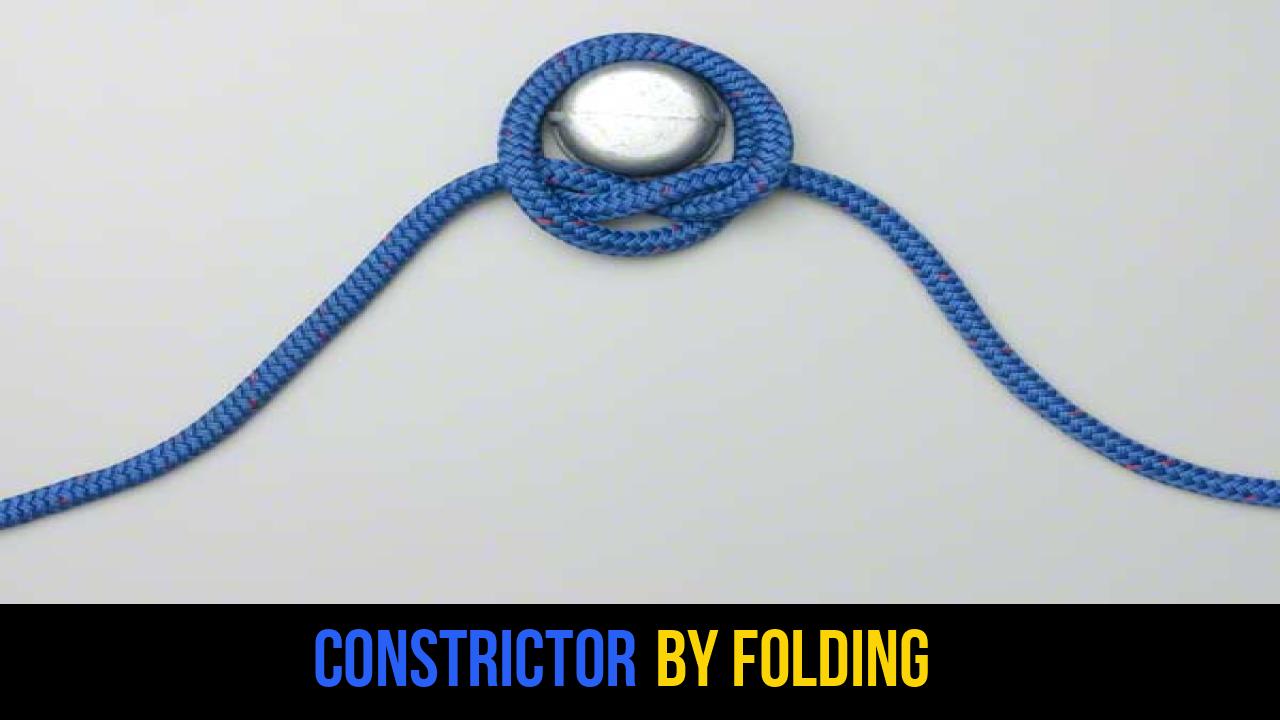
In the realm of rope knots, few hitches command as much respect for their sheer gripping power as the Constrictor Knot. Often described as the "king of binding knots," its ability to seize an object and refuse to let go makes it an indispensable tool for sailors, arborists, campers, and DIY enthusiasts alike. While there are several ways to tie this legendary knot, the "folding" method—also known as tying it "in the bight"—is one of the most efficient ways to prepare the knot before sliding it over the end of a post or bag.
Whether you are securing a heavy-duty sack of grain or providing a temporary clamp for a woodworking project, mastering outdoor rope techniques like the Constrictor Knot by Folding ensures you have a reliable, permanent-style solution in your tactical toolkit.
Alternative names for this knot include: The Miller’s Knot (variation), The Gunner’s Knot, and the Binding Hitch.
What Is a Constrictor Knot by Folding?
The Constrictor Knot is a highly effective binding knot designed to hold tight on cylindrical objects. Unlike the Clove Hitch, which can slip or loosen if the tension is removed, the Constrictor Knot utilizes a unique geometry that causes it to "lock" into place. The more tension applied to the ends, the tighter the knot bites into the object it surrounds.
The "by folding" method is specifically used when you have access to the end of the object you are binding. Instead of wrapping the rope around the object manually, you form the knot in your hands (in the bight) and then drop it over the target.
Practical Uses in the Field
- Emergency Hose Repair: It can act as a temporary hose clamp to stop leaks.
- Whipping Rope Ends: Use it with twine to prevent a thick rope from fraying.
- Sack Closures: It is the gold standard for tying off heavy bags of sand, grain, or gear.
- Bushcraft and Pioneering: Perfect for securing cross-members in temporary structures or garden trellises.
- Tool Maintenance: Replacing or securing grips on handles.
Materials and Tools Needed
To achieve the best results with the Constrictor Knot by Folding, selecting the right material is paramount. Because this knot relies on friction, the texture of the rope matters.
- Rope Selection:
- Paracord (550 Cord): Excellent for small-scale binding and light-duty outdoor repairs.
- Nylon or Polyester Cord: These provide a good balance of strength and grip.
- Natural Fibers (Hemp/Cotton): These offer superior "bite" because the fibers create more friction against themselves.
- The Object: The knot works best on curved or cylindrical surfaces (poles, PVC pipes, rolled-up tarps). It is less effective on flat or square objects.
- Cutting Tool: Since a well-tightened Constrictor Knot is notoriously difficult to untie, you should always have a sharp knife or multi-tool nearby to remove it.
How to Tie Constrictor by Folding?
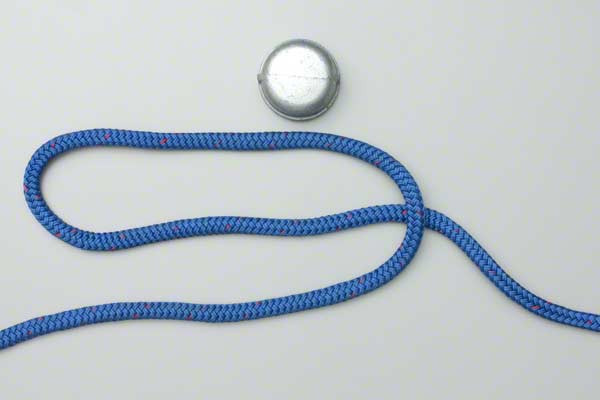
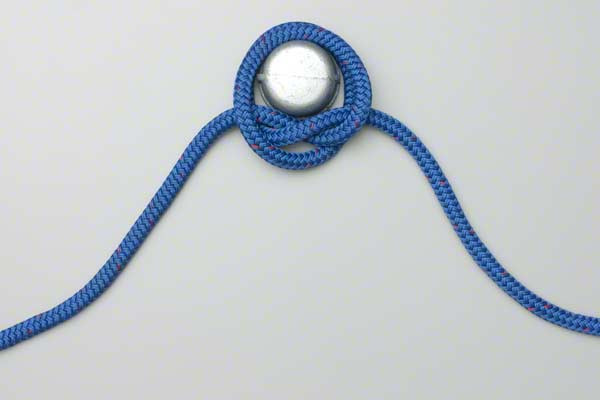
To successfully execute this knot, follow these specific steps to create the "in the bight" configuration. This method is fast and allows you to prepare the knot before applying it to the object.
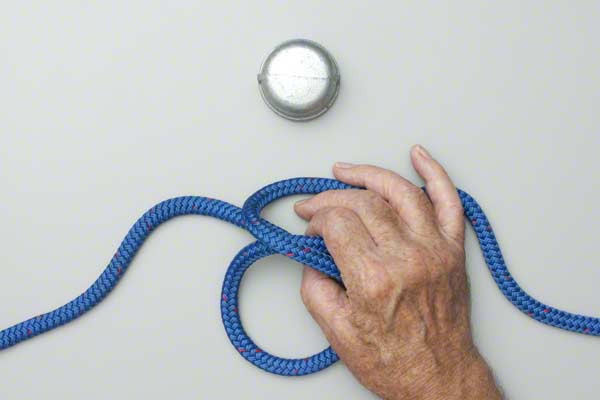
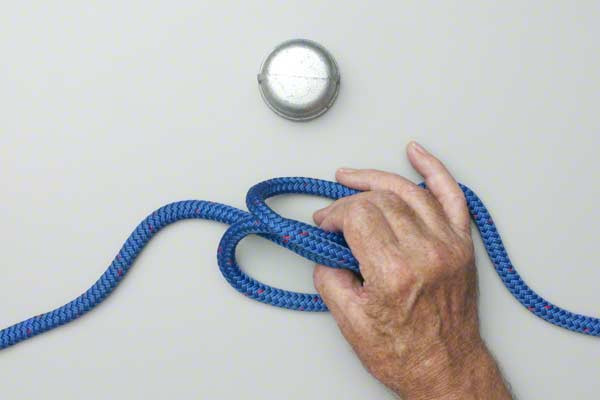
- Form a loop in the rope.
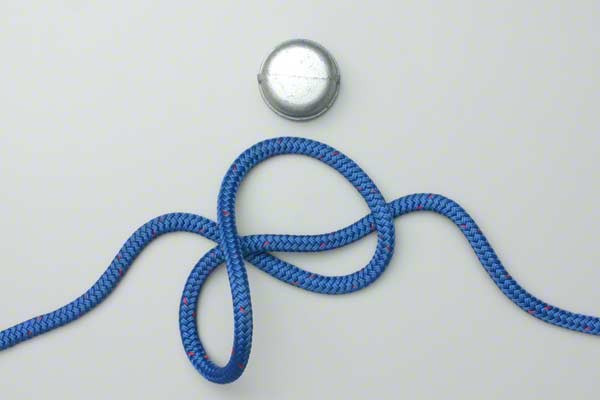
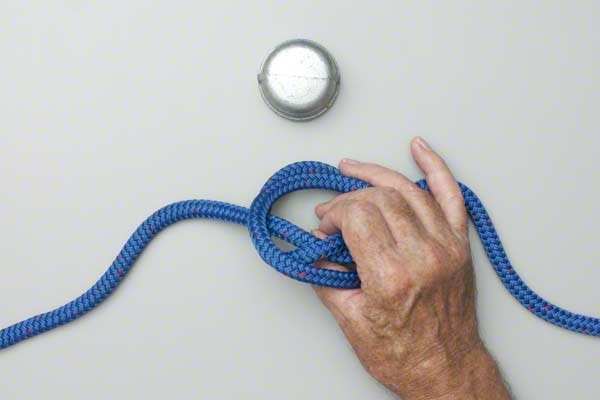
- Fold this loop across the rope to form a figure 8 appearance.
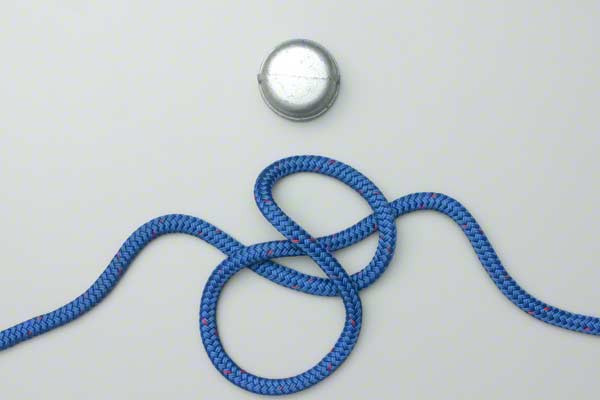
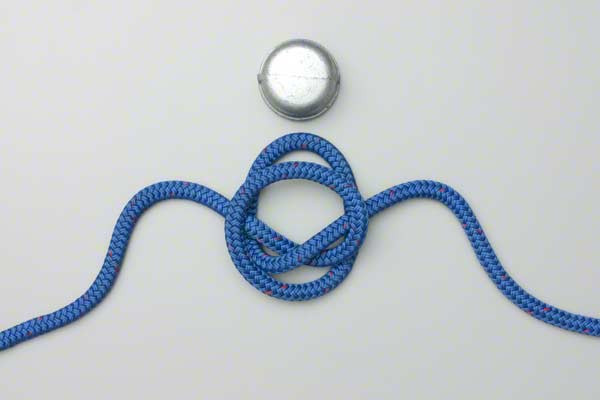
- Lift the center of the figure 8 so that the loops fold down each side of the center to form the Constrictor Knot.
Once these steps are completed, you simply slide the resulting double-loop over the end of your post or bag and pull both ends simultaneously to tighten.
Common Mistakes to Avoid
Even though the Constrictor Knot by Folding is straightforward, beginners often encounter a few pitfalls that can compromise the knot’s integrity.
- Confusing it with a Clove Hitch: At a glance, the two look similar. However, the Constrictor has an extra "over-and-under" pass that creates the locking mechanism. Ensure the "bridge" of the knot is tucked under the crossing turn.
- Tying on Flat Surfaces: This knot requires the curvature of a cylinder to create the necessary tension. If tied on a flat board, it may fail to lock.
- Using Slippery Synthetic Rope: Very slick monofilament or high-tech polyethylene ropes (like Dyneema) may slip unless the knot is tied with extra care or doubled.
- Forgetting it’s Permanent: Do not use this knot on something you intend to untie frequently. Once cinched down, it often requires cutting.
Related Knots and Splicing
Expanding your knowledge of rope knots involves understanding how different hitches relate to one another. Here are a few knots similar to the Constrictor:
- Clove Hitch: A fundamental hitch that is easy to tie and untie, though it lacks the permanent locking power of the Constrictor.
- Double Constrictor: An advanced version where the rope is wrapped twice around the object before tucking, providing even more gripping surface.
- Transom Knot: A specialized binding knot used to join two perpendicular pieces of wood, often used in kite making and light construction.
- Boa Knot: Developed by Peter Suber, this knot is a more complex variation of the Constrictor that provides an exceptionally strong grip on smooth surfaces.
Final Words
The Constrictor Knot by Folding is a masterclass in mechanical advantage and friction. As a staple of outdoor rope techniques, it provides a level of security that few other knots can match. By learning the "folding" method, you gain the ability to deploy this knot rapidly in high-pressure situations, whether you are securing gear in a storm or performing a field repair on essential equipment.
Remember, the strength of any knot is only as good as the rope used and the care taken in "dressing" the knot (straightening the strands before tightening). Practice the Constrictor Knot until it becomes second nature, and you will find it to be one of the most useful tools in your outdoor repertoire.
Safety Note: Never use a Constrictor Knot on living tissue (like a makeshift tourniquet) unless you are a trained medical professional in an extreme emergency, as its locking nature can cause permanent damage by cutting off circulation completely. Always carry a knife to safely remove tightened binding knots.
