
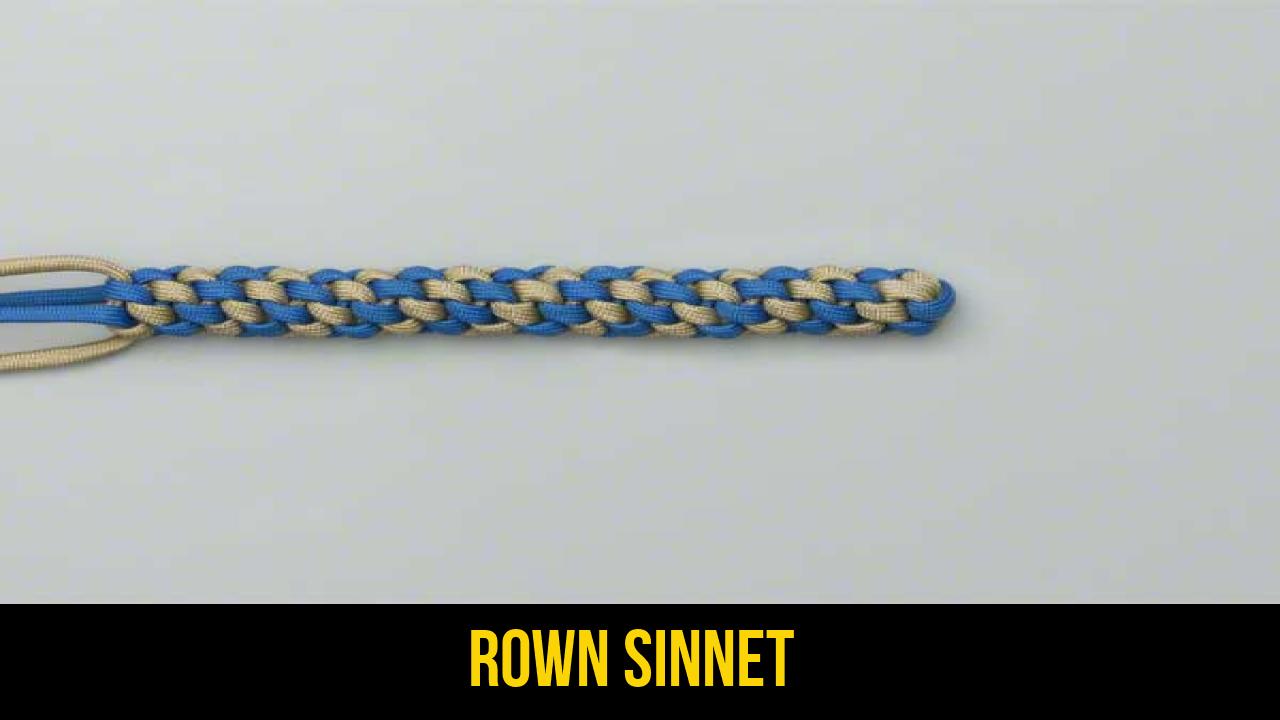
In the world of marlingspike seamanship and modern outdoor crafts, few patterns are as recognizable and satisfying to create as the Crown Sinnet. This technique, rooted in centuries of maritime tradition, transforms simple strands of cordage into a robust, three-dimensional structure that is as functional as it is aesthetic. Whether you are a sailor looking to create a traditional "fancy work" lanyard or a modern survivalist crafting a durable zipper pull for a tactical backpack, mastering the Crown Sinnet knot is an essential skill.
The beauty of the sinnet lies in its repetitive nature. Unlike single-hitch knots designed for temporary securement, a sinnet is a form of "braiding" or "plaiting" that builds upon itself. The Crown Sinnet, specifically, creates a dense, cylindrical cord that can withstand significant wear and tear. It is a foundational technique for anyone interested in outdoor rope techniques, providing a gateway into more complex decorative knotting.
Alternative Names: The Crown Sinnet is known by several names depending on the community and the specific variation being tied. Common aliases include the Round Sinnet, Circle Sinnet, Japanese Crown Knot, and occasionally the Box Knot (though the Box Knot typically refers to a square variation).
What Is a Crown Sinnet?
At its core, a Crown Sinnet is a decorative braid created by a series of crown knots stacked on top of one another. While most knots are designed to join two ropes or secure a rope to an object, the sinnet is designed to consolidate multiple strands into a single, thicker, and more resilient cord.
Practical Applications
While it is often categorized under "decorative knotting," the Crown Sinnet has several practical applications in the field:
- Lanyards and Fobs: It provides a thick, tactile grip for knives, flashlights, and multi-tools, making them easier to retrieve from pockets or pouches.
- Grip Wraps: The texture of the finished sinnet offers an excellent non-slip surface for handles.
- Structural Reinforcement: In traditional sailing, sinnets were used to create "puddening" or padding to prevent chafing on heavy equipment.
- Survival Gear: By tying a sinnet with Paracord, you can store a significant length of rope in a compact, organized form that can be quickly deployed in an emergency.
Materials and Tools Needed
To achieve a professional-grade finish on your Crown Sinnet knot, selecting the right materials is paramount. While this knot can be tied with almost any flexible material, certain cords highlight the pattern better than others.
Recommended Rope Types
- Paracord (550 Cord): The gold standard for modern rope knots. It is durable, comes in a vast array of colors, and has a slight elasticity that helps the knot "set" firmly.
- Cotton or Hemp Cord: Ideal for a traditional, rustic look. Natural fibers offer a different tactile experience and are excellent for decorative home items.
- Leather Thongs: Used frequently in high-end leatherwork for keychains and jewelry.
- Nylon or Polyester Rope: Best for outdoor applications where moisture resistance and UV protection are required.
Essential Tools
- Scissors or a Sharp Knife: For clean cuts.
- Lighter or Heat Source: Essential for synthetic ropes to sear the ends and prevent fraying.
- Marlinspike or Fid: While not strictly necessary for a basic sinnet, these tools help in tightening the strands evenly or tucking ends during the finishing process.
- Work Surface: A flat surface or a "knotting board" can help keep your strands organized as you begin the process.
How to Tie a Crown Sinnet?
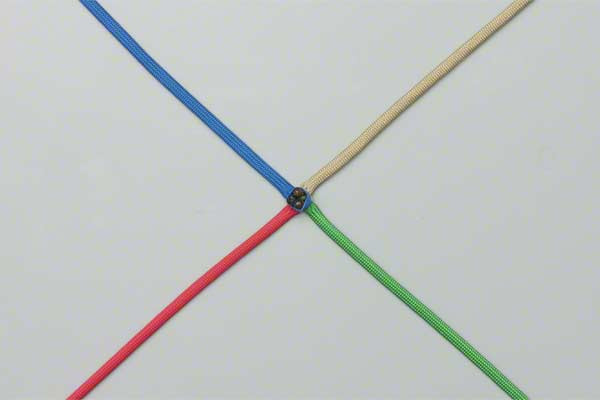
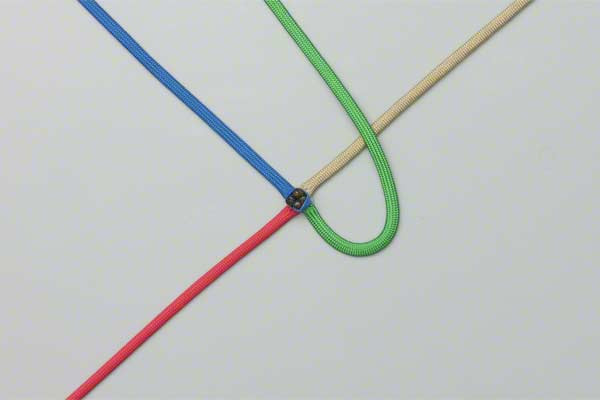
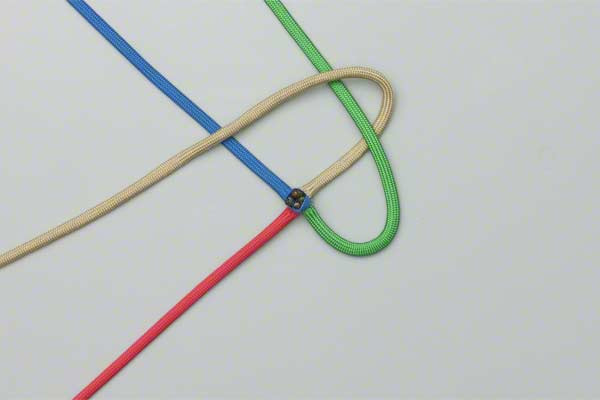
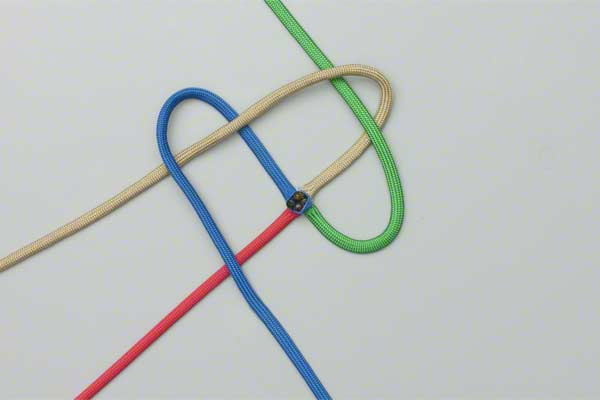
Follow these precise steps to create a perfect Crown Sinnet. Consistency in tension is the key to a professional result.
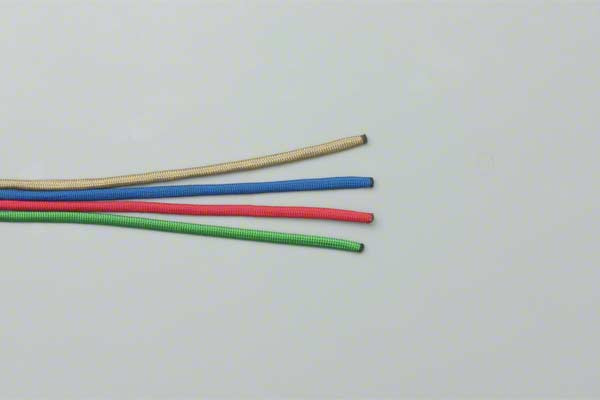
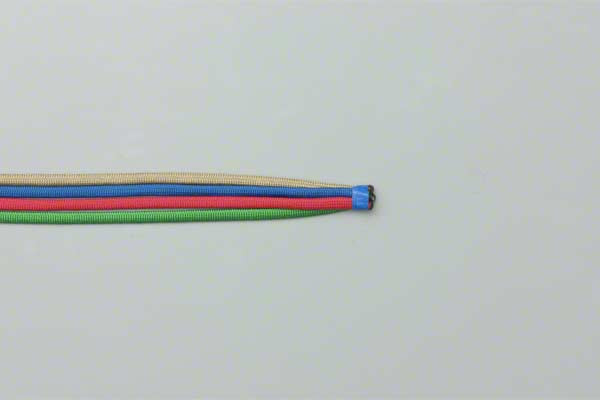
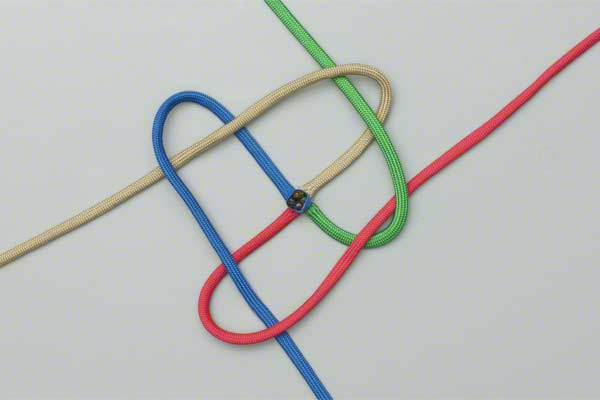
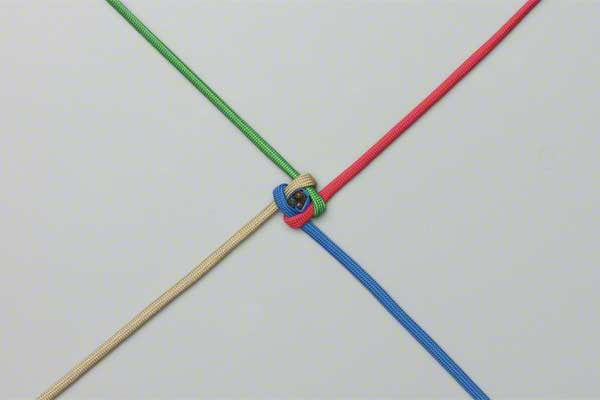
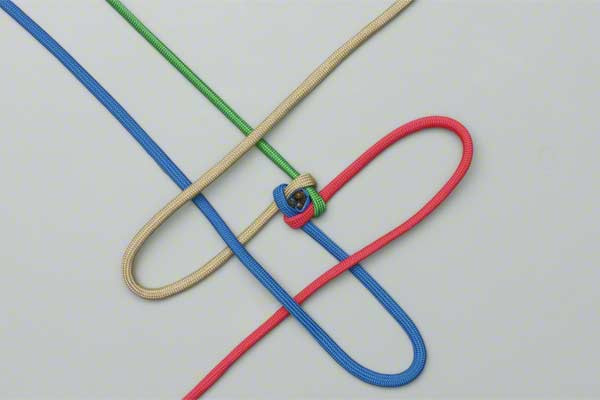
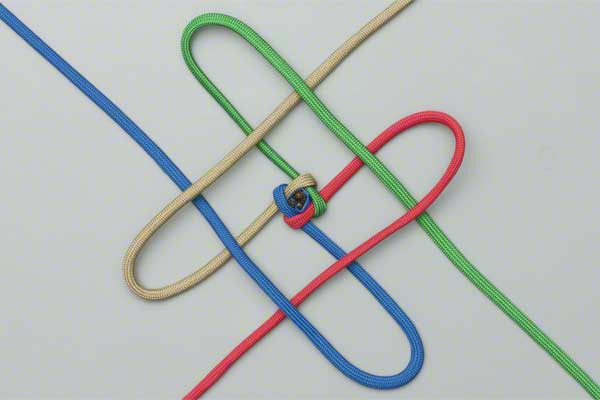
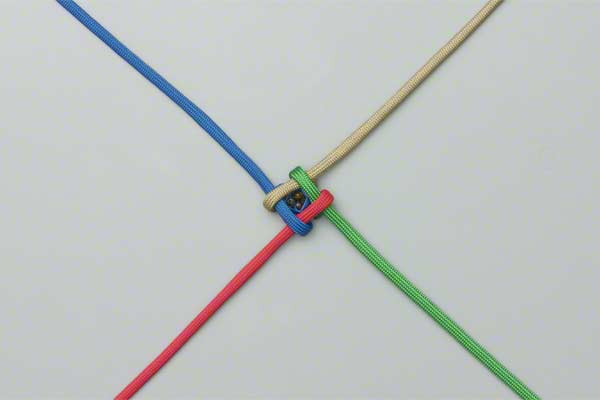
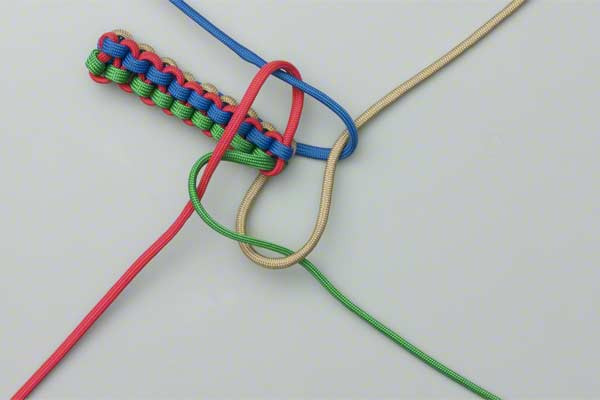
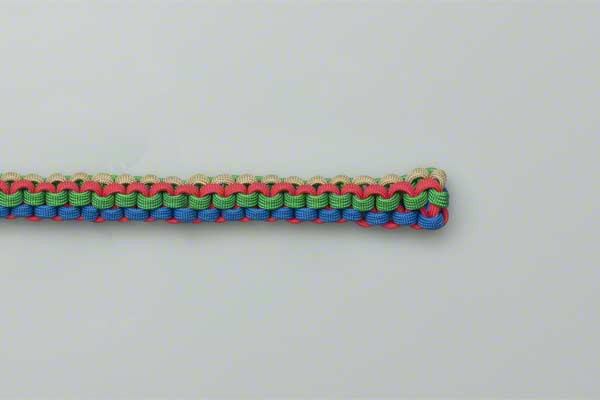
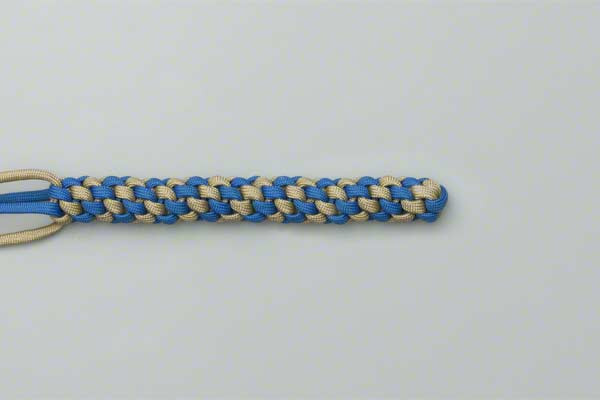
- Bind the four ends together.
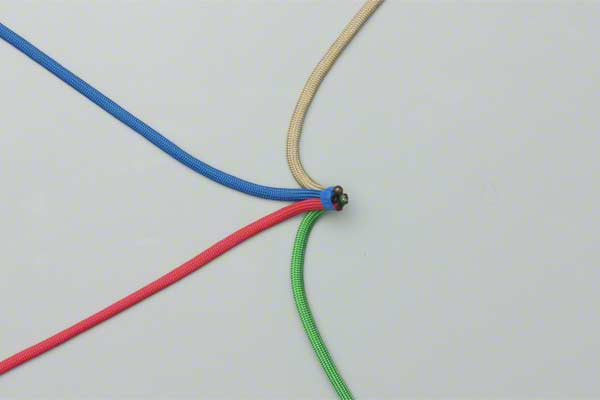
- Turn the ends towards you.
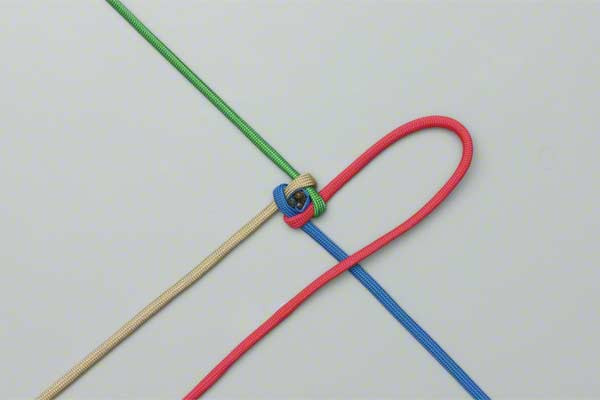
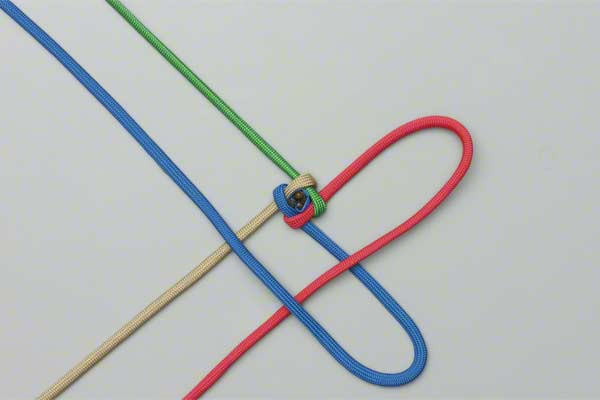
- Tie a crown knot and tighten.
- Reverse direction, tie another crown knot and tighten.
- Keep repeating.
Common Mistakes to Avoid
Even for those experienced in outdoor rope techniques, the Crown Sinnet can present challenges. Avoiding these common pitfalls will ensure your work looks expert-level.
Uneven Tension
The most frequent error is pulling one strand tighter than the others. This causes the sinnet to warp, curve, or "corkscrew" rather than maintain a straight, cylindrical shape. To avoid this, always tighten the crown knot by pulling all four strands simultaneously and with equal force.
Losing the "Reverse" Pattern
The instructions specify to reverse direction after each knot. If you continue tying the crown knots in the same direction (e.g., always clockwise), you will create a Spiral Sinnet or Round Sinnet. While this is also a valid decorative technique, it is not the traditional Crown Sinnet. Ensure you alternate the "lay" of the strands to maintain the classic stacked appearance.
Over-tightening the First Loop
If you tighten the very first crown knot too much before the second is formed, it can be difficult to maintain the structural integrity of the base. Keep the initial "bind" secure but allow the first few layers to settle into place before applying maximum tension.
Related Knots and Splicing
Understanding the Crown Sinnet opens the door to a family of related maritime and decorative knots. Here are a few essential variations:
The Wall Knot
The Wall Knot is the structural opposite of the Crown Knot. While the Crown Knot directs the strands downward (or towards the center), the Wall Knot directs them upwards and outwards. It is often used as a base for more complex terminal knots like the Manrope Knot.
The Diamond Knot (Lanyard Knot)
The Diamond Knot is a beautiful, bulbous knot often used to finish a Crown Sinnet. It acts as a stopper and provides a decorative "head" to the cord. It is significantly more complex to tie but offers a highly professional look for lanyards and fobs.
The Matthew Walker Knot
Considered one of the most important knots in "fancy work," the Matthew Walker knot is a permanent stopper knot tied in the strands of a rope. It is more secure than a standard crown or wall knot and was historically used to prevent strands from unlaying through a hole.
The Wall and Crown (Double Sinnet)
By alternating a Wall Knot and a Crown Knot, you create a pattern known as the "Wall and Crown." This results in a thicker, more textured braid that is exceptionally strong and was traditionally used for the ends of bell ropes or bucket handles.
Final Words
The Crown Sinnet is more than just a decorative braid; it is a testament to the utility and artistry found in outdoor rope techniques. By mastering the simple repetition of the crown knot, you gain the ability to create customized gear, repair equipment with improvised grips, and carry on a tradition of craftsmanship that has spanned centuries.
Whether you are using 550 paracord for a survival lanyard or natural hemp for a nautical project, the principles remain the same: precision, consistent tension, and patience. As you continue to practice your rope knots, you will find that the Crown Sinnet serves as a reliable foundation for your technical skills, bridging the gap between basic utility and expert-level knotting artistry. Keep your strands organized, maintain your rhythm, and enjoy the process of turning raw cordage into a functional masterpiece.
