
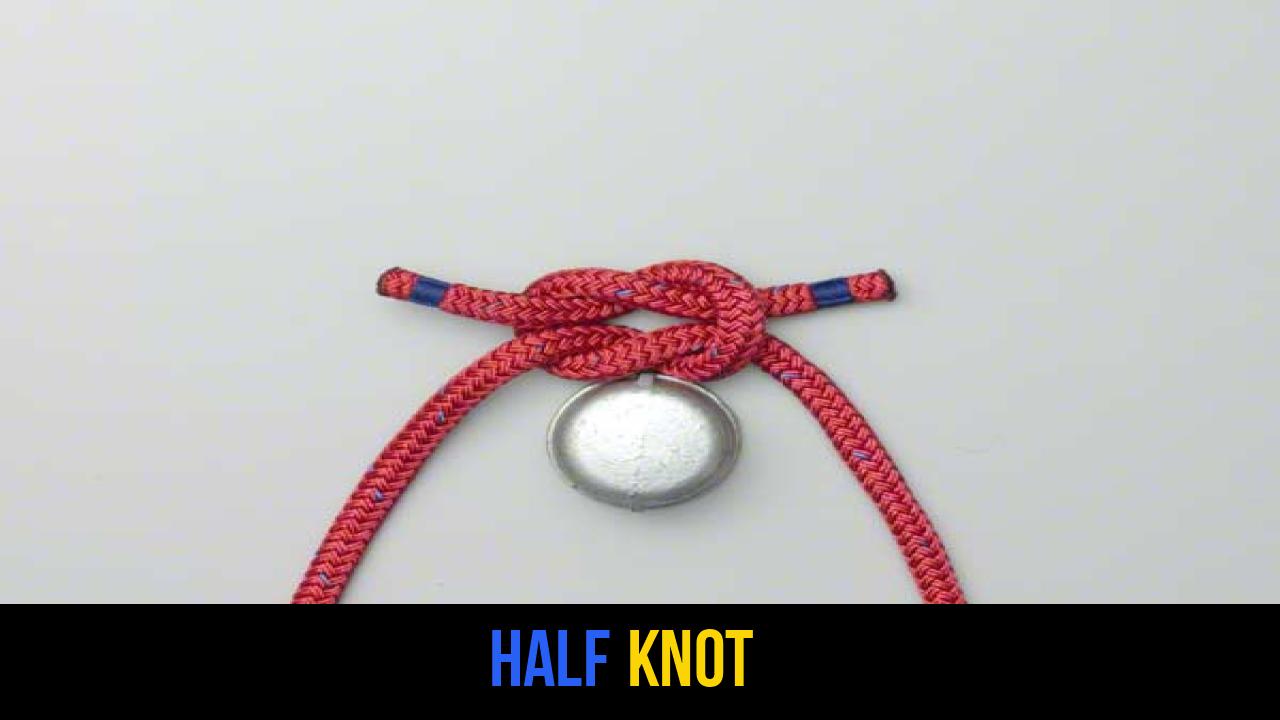
In the world of rope knots, few structures are as foundational or as frequently utilized as the Half Knot. Whether you are an experienced climber, a maritime professional, or a weekend camping enthusiast, understanding the mechanics of this simple binding knot is essential. While it is rarely used in isolation for critical safety applications, its role as the building block for more complex hitches and bends makes it a cornerstone of outdoor rope techniques.
The Half Knot is often the very first knot we learn as children, usually as the initial step in tying shoelaces. However, its simplicity belies its importance in tensioning and securing loads. By mastering this knot, you develop the muscle memory required for more advanced rigging and survival tasks.
Alternative Names: The Half Knot is sometimes referred to as the Single Knot, the Binding Knot, or occasionally confused with the Overhand Knot (though the latter is technically tied with a single end, whereas the Half Knot involves two ends).
What Is a Half Knot?
The Half Knot is a basic binding knot used to secure a rope or line around an object. It is characterized by its symmetry and the way it utilizes friction between two rope ends to hold tension. Unlike a "hitch," which secures a rope to an object, or a "bend," which joins two separate ropes, the Half Knot is primarily used to begin the process of binding or to provide a temporary stop under light loads.
Practical Uses in the Outdoors
- Foundation for the Square Knot: The most common application of the Half Knot is as the first half of a Square (Reef) Knot.
- Initial Tensioning: When securing a bundle of firewood or a sleeping bag, the Half Knot allows you to pull the ends tight before finishing with a more secure secondary knot.
- Basic Crafting: It is used extensively in macramé and decorative rope work to create structure.
- First Aid: In emergency scenarios, a Half Knot is often used to begin securing a bandage or a makeshift splint.
While the Half Knot is versatile, it is important to remember that it is not a "stopper knot" and should not be relied upon to hold significant weight on its own, as it can easily slip or spill if the ends are not further secured.
Materials and Tools Needed
To practice and master the Half Knot, you don’t need specialized equipment, but choosing the right materials will help you understand how different rope knots behave under tension.
Recommended Ropes
- Paracord (550 Cord): Excellent for beginners due to its flexibility and visibility.
- Static Nylon Rope: Good for practicing tension, as it doesn’t stretch significantly.
- Natural Fiber Rope (Manila or Cotton): Provides high friction, making it easier to see how the knot "bites" into itself.
Considerations
When working with outdoor rope techniques, always inspect your gear. Ensure your rope is free of frays, chemical damage, or "hernias" (core damage). For the Half Knot, using two ropes of the same diameter is ideal, though it can be practiced with a single rope wrapped around a post or bundle.
How to Tie Half Knot?
To ensure accuracy and safety, follow these specific instructions to create a secure and functional knot.
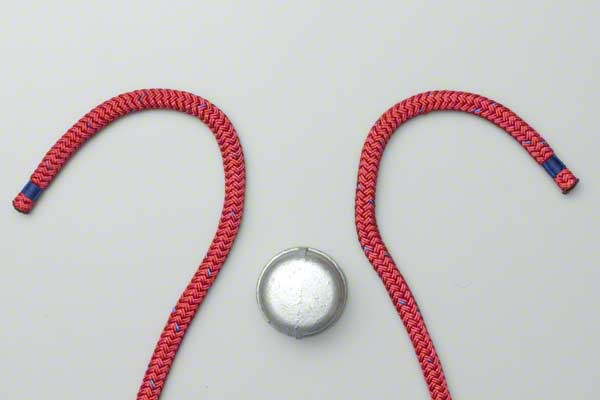
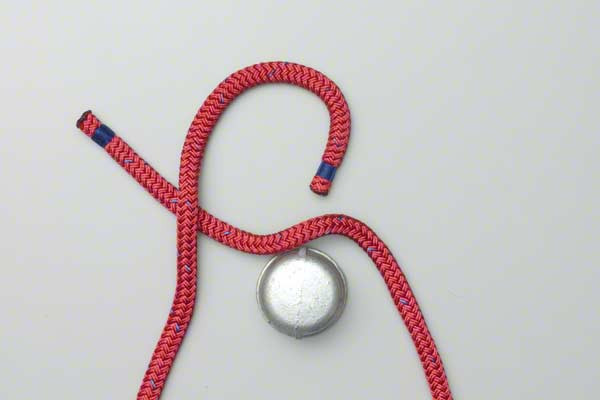
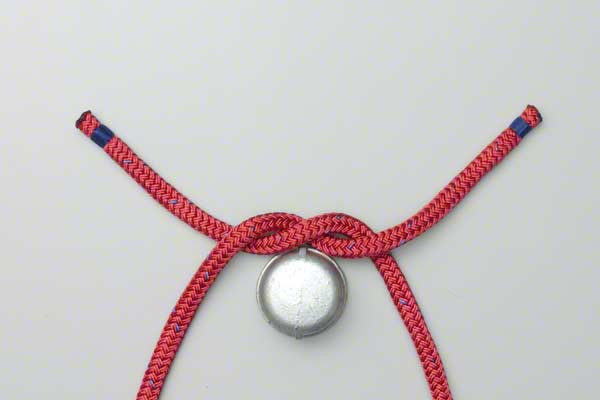
- Cross the two ends over each other.
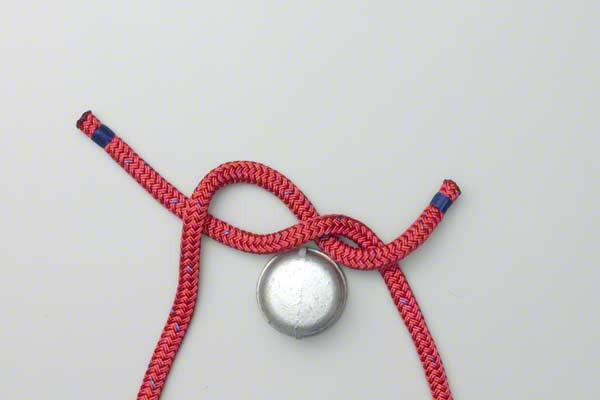
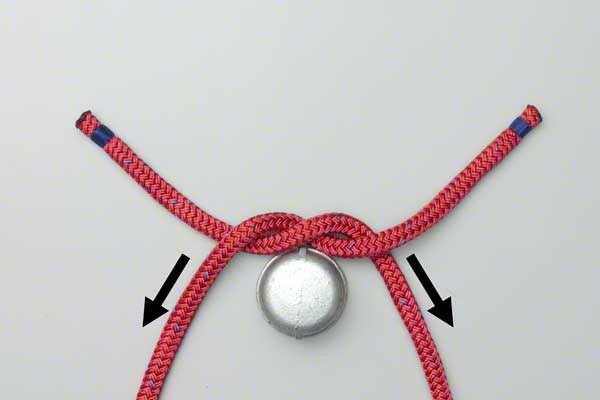
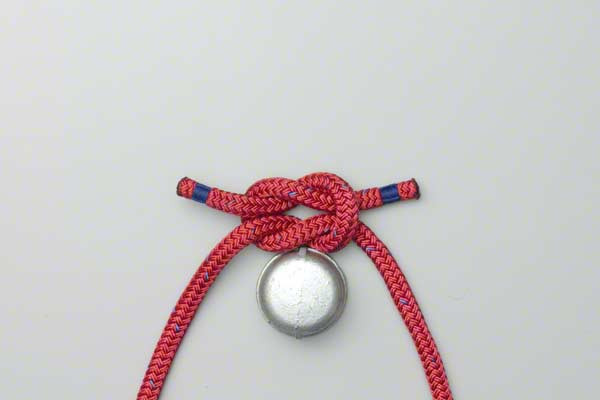
- Pass one end over and then under the other to make the Half Knot – which takes the load (arrows) in both ropes.
Common Mistakes to Avoid
Even though the Half Knot is simple, beginners often make errors that can lead to failure in more complex rigging.
- Confusing it with the Overhand Knot: An Overhand Knot is tied using one rope end to form a loop. A Half Knot requires two ends (or two parts of the same rope) to wrap around each other.
- Insufficient Tail Length: Always leave enough "tail" (the remaining rope after the knot). If the tails are too short, the knot may unravel when tension is applied.
- Assuming Security: Never use a single Half Knot to secure a load that could cause injury if it falls. It is a transitional knot, not a terminal one.
- Incorrect Direction: When following up a Half Knot to make a Square Knot, many people tie the second Half Knot in the same direction, resulting in a "Granny Knot," which is notoriously unstable and prone to slipping.
Related Knots and Splicing
Understanding how the Half Knot relates to other rope knots will broaden your expertise in outdoor rope techniques.
- Square Knot (Reef Knot): This is essentially two Half Knots tied in opposite directions. It is used for joining two ropes of equal diameter.
- Granny Knot: A failed version of the Square Knot where the second Half Knot is tied incorrectly; it is prone to slipping and should be avoided.
- Surgeon’s Knot: A variation of the Half Knot where the first step involves an extra twist (two passes) to provide more friction while tying.
- Overhand Knot: A simple stopper knot tied in a single rope end to prevent it from fraying or passing through a pulley.
- Half Hitch: While it sounds similar, a Half Hitch is used to secure a rope to a post or ring rather than binding two ends together.
Final Words
The Half Knot is the unsung hero of the knot-tying world. While it may lack the complexity of a Bowline or the strength of a Figure-Eight, it is the fundamental starting point for nearly all binding tasks. By mastering the simple action of crossing and passing the rope ends, you set the stage for more advanced outdoor rope techniques.
Whether you are securing a camp lashing or simply tying your boots before a long hike, the Half Knot provides the initial tension necessary to get the job done. Practice with different materials and always remember: a knot is only as good as the person who ties it. Stay safe, keep practicing, and always double-check your work before applying a load.
