
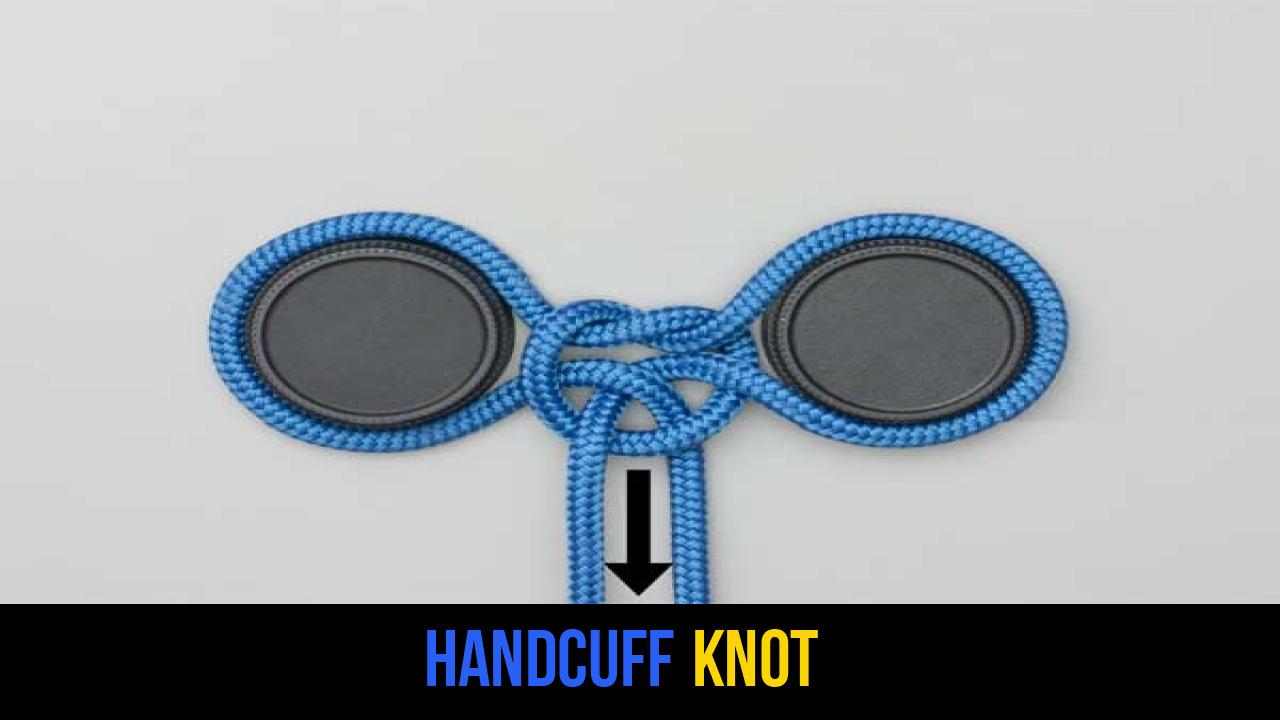
In the world of rope knots, few configurations are as historically significant or as structurally unique as the Handcuff Knot. As an essential part of any outdoor enthusiast’s or technical specialist’s repertoire, this knot serves as a dual-loop hitch that provides a symmetrical grip on two separate objects. Whether you are studying historical maritime techniques, practicing advanced scouting skills, or exploring outdoor rope techniques for gear management, understanding the mechanics of this knot is paramount.
The Handcuff Knot is categorized as a "hitch" or "binding knot" that creates two adjustable loops in the middle of a length of rope. Unlike a standard loop knot that remains fixed, the loops of this knot can be adjusted before tension is applied, making it highly versatile for various securing tasks. While its name suggests a specific historical use, its modern applications in load-balancing and temporary rigging are what make it a staple in technical rope work.
Commonly known by several designations depending on the region and the specific field of use, you may also hear this knot referred to as:
- The Hobble Knot
- The Fireman’s Chair Knot (a variation)
- The Double Hitch
- The Beggar’s Knot
What Is a Handcuff Knot?
The Handcuff Knot is a specialized knot that forms two adjustable loops that can be tightened around an object. From a structural standpoint, it is closely related to the Clove Hitch. In fact, many beginners often mistake the two during the initial stages of tying. However, where the Clove Hitch secures a rope to a post, the Handcuff Knot transforms the rope into a dual-restraint system.
Practical Uses in the Outdoors
While the name carries a specific connotation, the practical utility of this knot in the wilderness is extensive:
- Animal Husbandry: Historically used as a "Hobble Knot" to prevent livestock from wandering too far by securing their legs loosely.
- Gear Organization: It is an excellent way to bundle long, cylindrical items like tent poles, trekking poles, or firewood for transport.
- Rescue Scenarios: In emergency bushcraft, it can be used to create a makeshift harness for hauling equipment or stabilizing limbs during transport.
- Load Balancing: Because the loops are symmetrical, it can be used to hang two equal weights from a single overhead point, ensuring the rope stays centered.
Materials and Tools Needed
To master the Handcuff Knot, the choice of material is just as important as the technique itself. Different rope knots react differently depending on the friction, elasticity, and diameter of the cordage used.
Recommended Rope Types
- Paracord (550 Cord): Excellent for practice and small-scale gear organization. Its slight elasticity allows the knot to "bite" well.
- Static Climbing Rope: If you are using the knot for hauling gear, a static rope with low stretch is preferred.
- Nylon Utility Rope: Provides high friction, which is necessary to ensure the loops do not slip once the knot is set.
- Natural Fiber (Manila or Hemp): Often used in traditional crafts and historical reenactments, natural fibers hold this knot exceptionally well due to their rough surface texture.
Considerations
When choosing your rope, consider the tensile strength required for your specific task. Always inspect your rope for frays, burns, or "dead spots" where the core may be compromised. For the Handcuff Knot to function safely, the rope must be supple enough to transition through the loops during the tightening phase.
How to Tie Handcuff Knot?
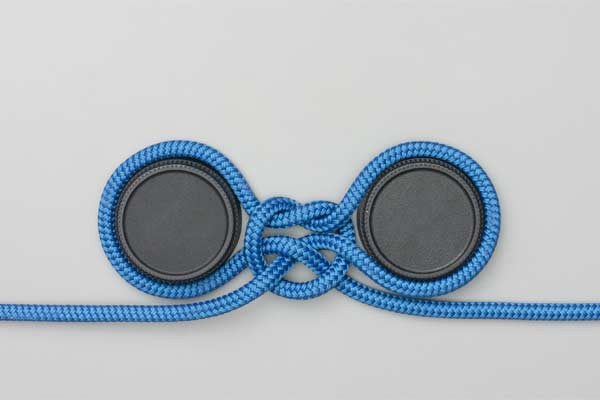
Tying the Handcuff Knot requires precision during the overlapping phase to ensure the loops interact correctly. Follow these steps exactly as outlined to achieve a secure and functional knot.
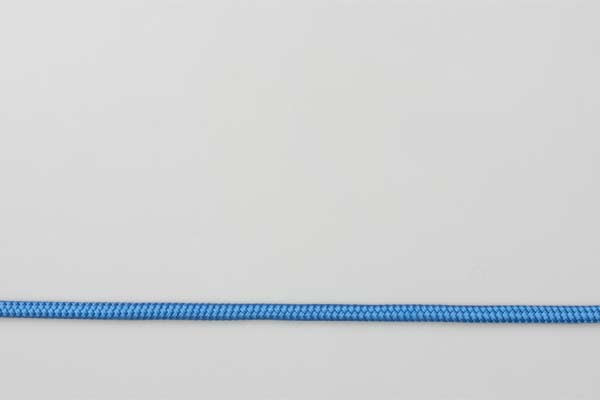
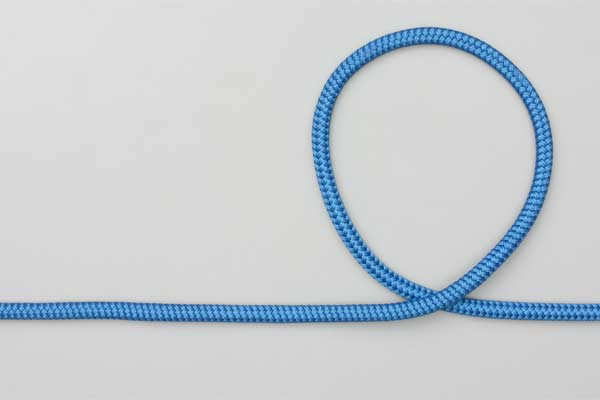
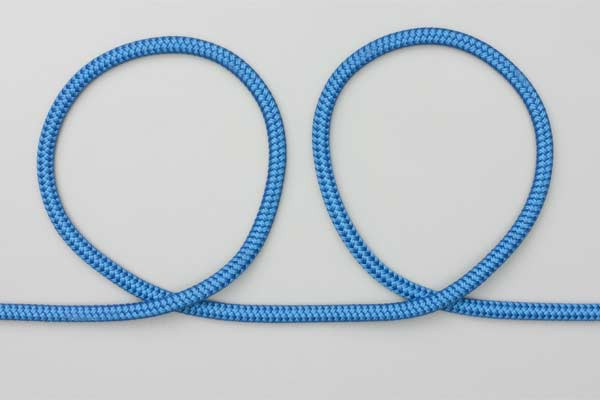
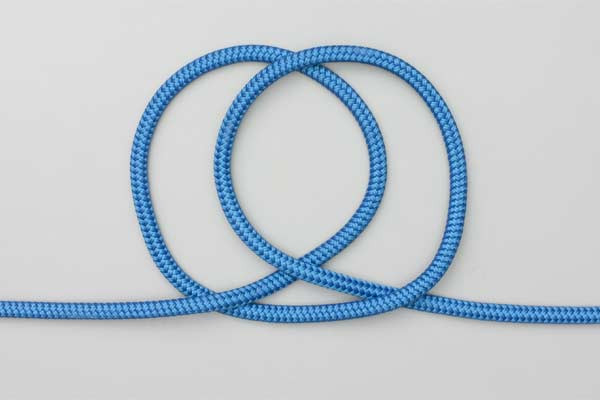
- Use the rope to form two identical loops.
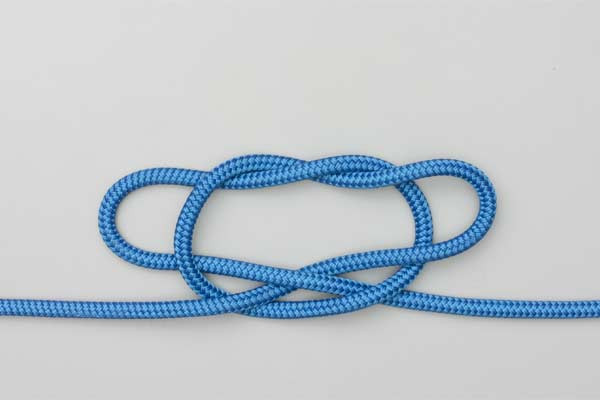
- Overlap them as though tying a Clove Hitch.
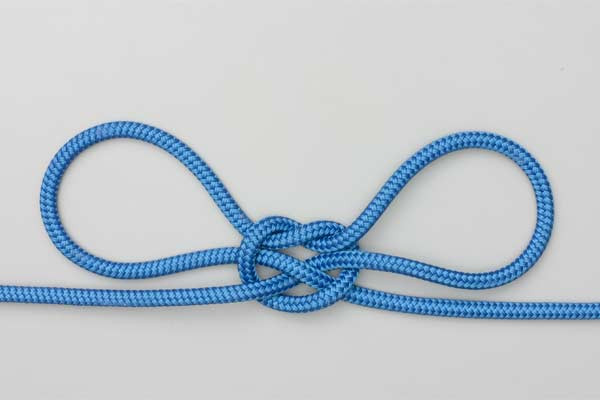
- Then thread each loop through the other loop and tighten.
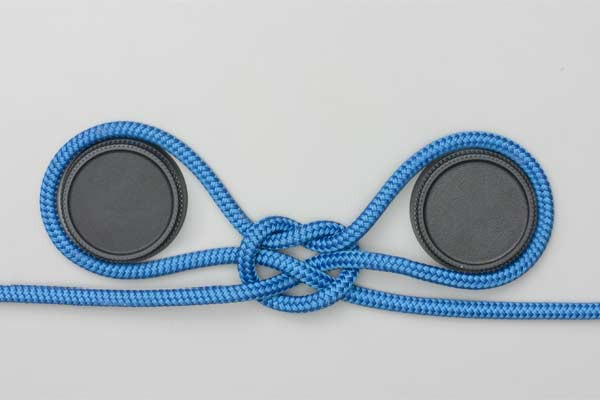
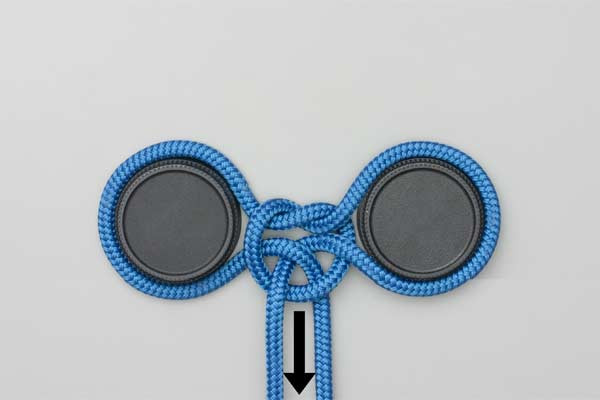
- Insert the victim’s limbs into the loops, tighten, and apply traction.
By following this sequence, you ensure that the internal friction of the rope holds the loops in place. Once the loops are populated and the standing ends are pulled, the knot cinches down, providing a firm and reliable grip.
Common Mistakes to Avoid
Even experienced practitioners can encounter issues when tying the Handcuff Knot. Understanding these common errors will improve your proficiency in outdoor rope techniques.
1. The "Clove Hitch" Trap
The most common mistake is failing to pull the loops through each other. If you simply overlap the loops and don’t perform the "threading" step, you will end up with a standard Clove Hitch. While a Clove Hitch is useful, it will not provide the dual-loop functionality required for this specific technique.
2. Improper Overlapping
If the loops are overlapped in the wrong direction (left over right vs. right over left), the knot may collapse or fail to tighten symmetrically. Always ensure the loops look like "handcuff" circles before you apply the final pull.
3. Using "Slippery" Synthetic Ropes
High-tech ropes like Dyneema or Spectra have very low friction. When using these materials, the Handcuff Knot may slip if not backed up with stopper knots. For beginners, sticking to nylon or polyester cordage is recommended.
4. Lack of Dressing the Knot
"Dressing" a knot refers to straightening the strands so they lie flat and parallel. A messy Handcuff Knot creates uneven pressure points, which can weaken the rope or cause the knot to jam, making it difficult to untie later.
Related Knots and Splicing
To truly master rope knots, it is helpful to understand the "family tree" of the knot you are learning. Here are a few knots related to the Handcuff Knot:
- Clove Hitch: A fundamental binding knot used to secure a rope to a cylindrical object; it serves as the structural foundation for the Handcuff Knot.
- Spanish Bowline: A complex knot that creates two fixed loops that do not slip or constrict, often used in maritime rescue and chair-lifting.
- Bowline on a Bight: This knot creates two fixed loops in the middle of a rope without needing access to the ends, ideal for emergency seats.
- Tom Fool’s Knot: Often confused with the Handcuff Knot, this is a "trick" knot used more for entertainment than for load-bearing applications.
Final Words
The Handcuff Knot remains a fascinating and practical component of outdoor rope techniques. Its ability to provide dual, adjustable loops from a single length of cord makes it an invaluable tool for gear management, historical studies, and emergency rigging. By mastering the specific overlapping and threading technique, you add a versatile skill to your technical outdoor repertoire.
Whether you are a scout, a survivalist, or a gear specialist, the Handcuff Knot demonstrates the elegance of friction-based engineering. Always remember to practice your knots in a controlled environment before applying them in the field, and always prioritize safety by using the appropriate rope for the task at hand. With consistent practice, this knot will become a reliable part of your technical skillset.
