
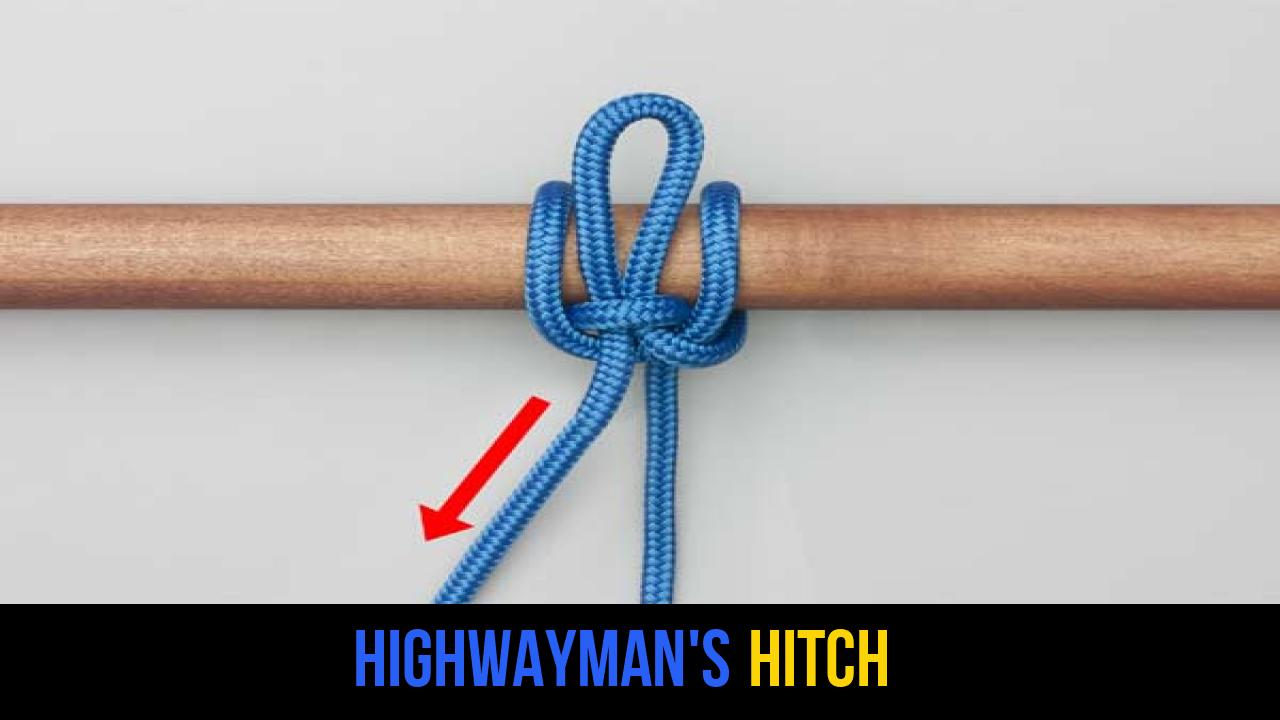
In the world of rope knots, few hitches carry as much historical intrigue and practical utility as the Highwayman’s Hitch. Known primarily for its "quick-release" capability, this knot belongs to a class of hitches designed to hold a significant load while allowing the user to untie it instantly with a single tug on the working end. Whether you are an equestrian, a boater, or an outdoor enthusiast, understanding the mechanics of this knot is a vital addition to your repertoire of outdoor rope techniques.
The name itself evokes images of 18th-century "highwaymen"—bandits who needed to tether their horses quickly and make a rapid escape if the authorities appeared. While the romanticized history of the knot adds to its charm, its modern application is rooted in efficiency and temporary securing. It is a "slip hitch" or "exploding knot," meaning its structure relies entirely on the tension applied to the standing part; once that tension is balanced by the friction of the bights, it stays secure, but the moment the "tail" is pulled, the entire structure collapses.
Alternative Names: Quick-Release Hitch, Draw Hitch, Bandit’s Hitch.
What Is a Highwayman’s Hitch?
The Highwayman’s Hitch is a temporary hitch used to secure a rope to a post, pole, or ring. Technically, it is a series of interconnected bights (loops where the rope does not cross itself) that create enough friction to hold a load. It is categorized as a "capsizeable" knot because it is designed to fall apart when the loose end is pulled.
Practical Uses and Applications
Despite its simple construction, the Highwayman’s Hitch is incredibly versatile in specific scenarios:
- Equestrian Use: Traditionally used to tie a horse to a rail. If the horse panics or if the rider needs to mount and leave quickly, the knot can be released in a second.
- Boating and Sailing: Useful for temporary mooring where a quick departure is anticipated, though it should never be used for long-term docking or in heavy currents.
- Camping and Bushcraft: Ideal for hanging gear or setting up temporary clotheslines that need to be struck down rapidly at the end of a trip.
- Rescue Scenarios: In specific technical rope work, quick-release mechanisms are used for lowering gear, provided a secondary safety backup is in place.
It is important to note that the Highwayman’s Hitch knot is a temporary solution. Because it is designed to come apart easily, it is not suitable for life-critical applications or situations where the rope will be subjected to intermittent, jarring tension (which could cause the knot to "walk" or loosen).
Materials and Tools Needed
To successfully tie and utilize the Highwayman’s Hitch, you need to consider the type of rope and the surface of the object you are tying to.
Rope Considerations
- Natural Fiber Ropes: Manila or hemp ropes provide excellent "bite" or friction. The Highwayman’s Hitch is very secure on these materials because the fibers grip each other.
- Synthetic Ropes: Nylon or polyester ropes are more "slippery." When using synthetic lines, ensure the knot is dressed (tightened) very carefully, as the lack of friction can lead to premature slipping.
- Rope Diameter: This hitch works best with medium-diameter ropes (6mm to 12mm). Very thin cords may jam, while very thick hawsers may be too stiff to form the necessary tight bights.
Tools and Environment
- A Secure Anchor: A smooth pole, a tree branch, or a metal ring.
- The Load: A weight or tension source to keep the standing part of the rope taut.
How to Tie Highwayman’s Hitch?
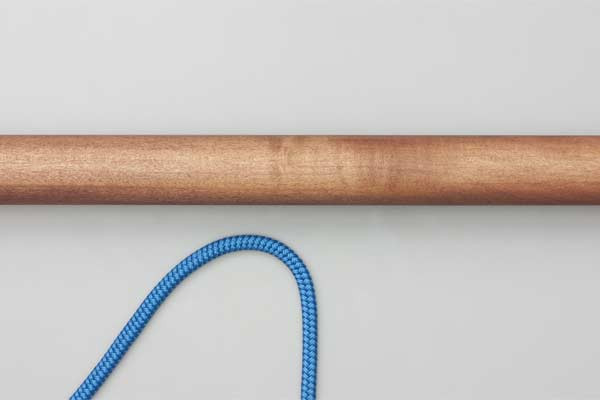
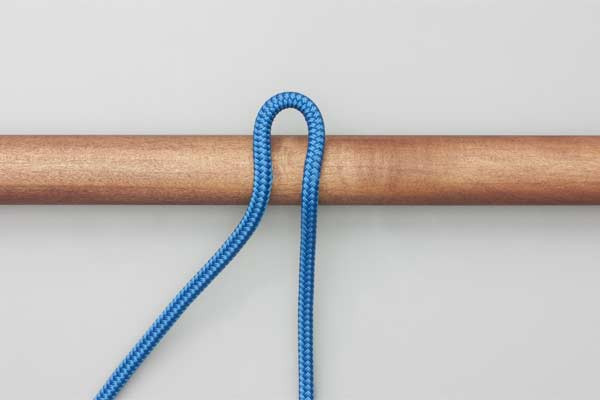
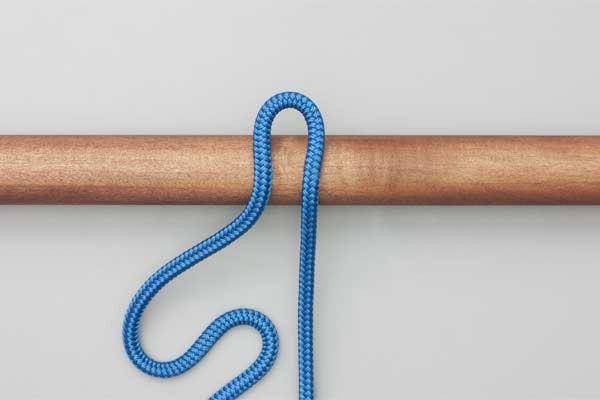
The following steps outline the precise method for securing this quick-release hitch. Follow these instructions carefully to ensure the knot functions as intended.
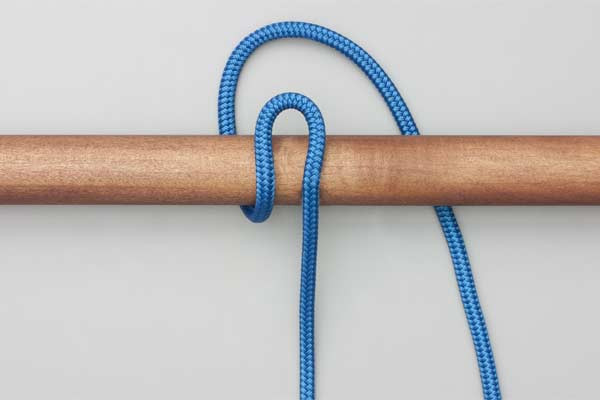
- Hold an initial bight of the rope against the pole.
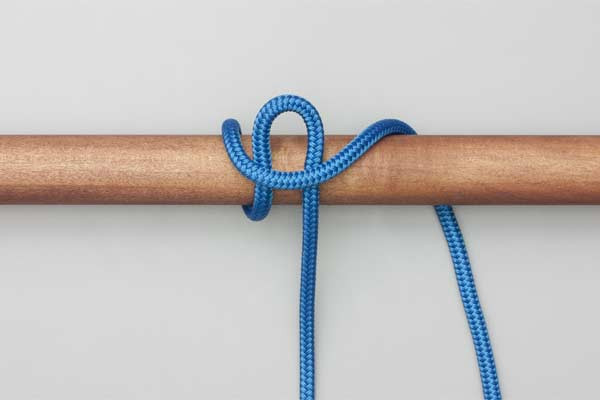
- Place a second bight behind the pole and around the initial bight.
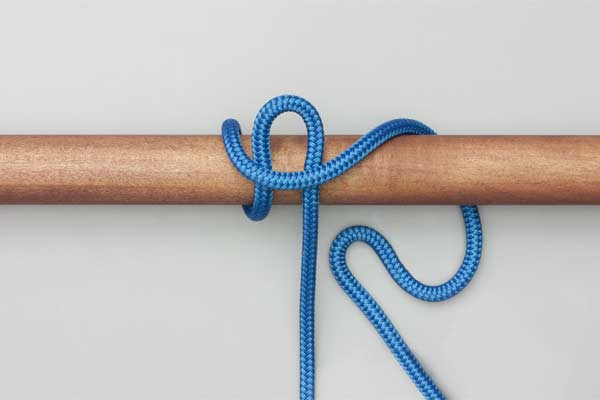
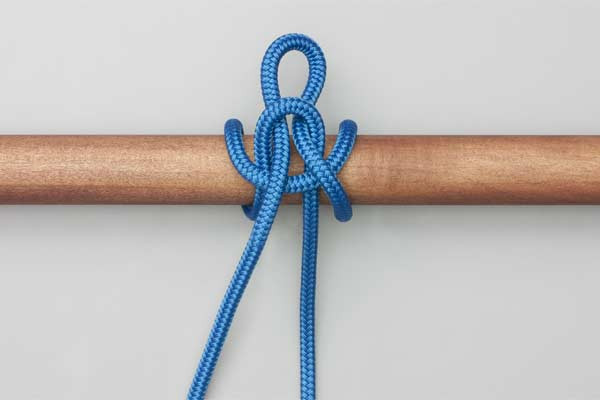
- Pass a bight of the tail in front of the pole through the first bight.
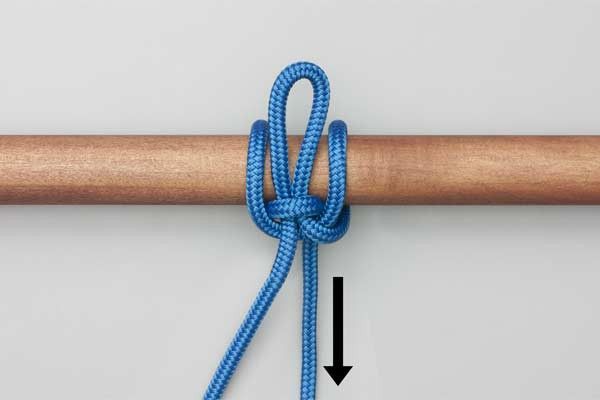
- Tighten to secure the knot and take the load.
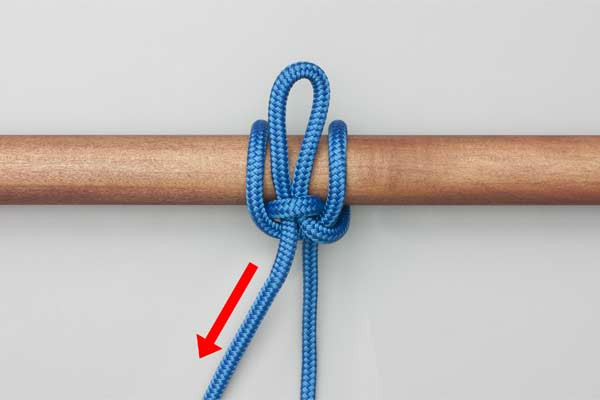
- Pull the tail to release.
Common Mistakes to Avoid
While the Highwayman’s Hitch is valued for its simplicity, errors in tying can lead to either a knot that jams or, more dangerously, a knot that fails under load.
1. Mixing Up the Standing Part and the Tail
The most common mistake is applying the load to the "tail" (the release end) instead of the "standing part." If the load is applied to the tail, the knot will release immediately, potentially causing gear to fall or animals to escape. Always double-check that the tension is on the side of the rope that is not meant to be the release cord.
2. Failing to "Dress" the Knot
A knot is "dressed" when the loops are neatly arranged and snugged against each other. If the bights are loose or overlapping haphazardly, the friction will not be distributed correctly. This can cause the knot to slip even when it shouldn’t.
3. Using the Wrong Surface
Tying a Highwayman’s Hitch around a square post or an object with sharp edges can prevent the "exploding" action when you pull the release tail. This knot performs best on cylindrical objects like poles, pipes, or smooth branches.
4. Over-Reliance on Safety
Never use this knot to secure a load over people or in a situation where an accidental pull of the tail could result in injury. It is a convenience knot, not a safety knot.
Related Knots and Splicing
Understanding the Highwayman’s Hitch is often a gateway to learning other outdoor rope techniques. Here are a few related knots that serve similar or complementary purposes:
- Tumble Hitch: A more secure version of a quick-release hitch that involves an extra wrap around the pole to increase friction.
- Siberian Hitch (Evenk Knot): A quick-release hitch frequently used by campers to tie a ridgeline for a tarp; it can be tied even while wearing heavy gloves.
- Slip Knot: The simplest form of a quick-release loop, often used as a starting point for more complex decorative or functional hitching.
- Mooring Hitch: A reliable quick-release knot used specifically for securing boats to docks, offering a bit more stability than the standard Highwayman’s.
Final Words
The Highwayman’s Hitch remains a classic example of functional ingenuity in rope knots. By mastering this hitch, you gain the ability to secure loads firmly while retaining the power to clear your gear in a single motion. It embodies the balance between security and speed that is so often required in the Great Outdoors.
As with all outdoor rope techniques, practice is key. Before relying on the Highwayman’s Hitch in the field, practice tying it with different rope types and under various tension levels. Remember: the strength of a quick-release knot lies in the user’s ability to tie it correctly and use it in the appropriate context. Whether you’re tethering a horse or hanging a bear bag, the Highwayman’s Hitch is a reliable, time-tested tool for the modern adventurer.
