
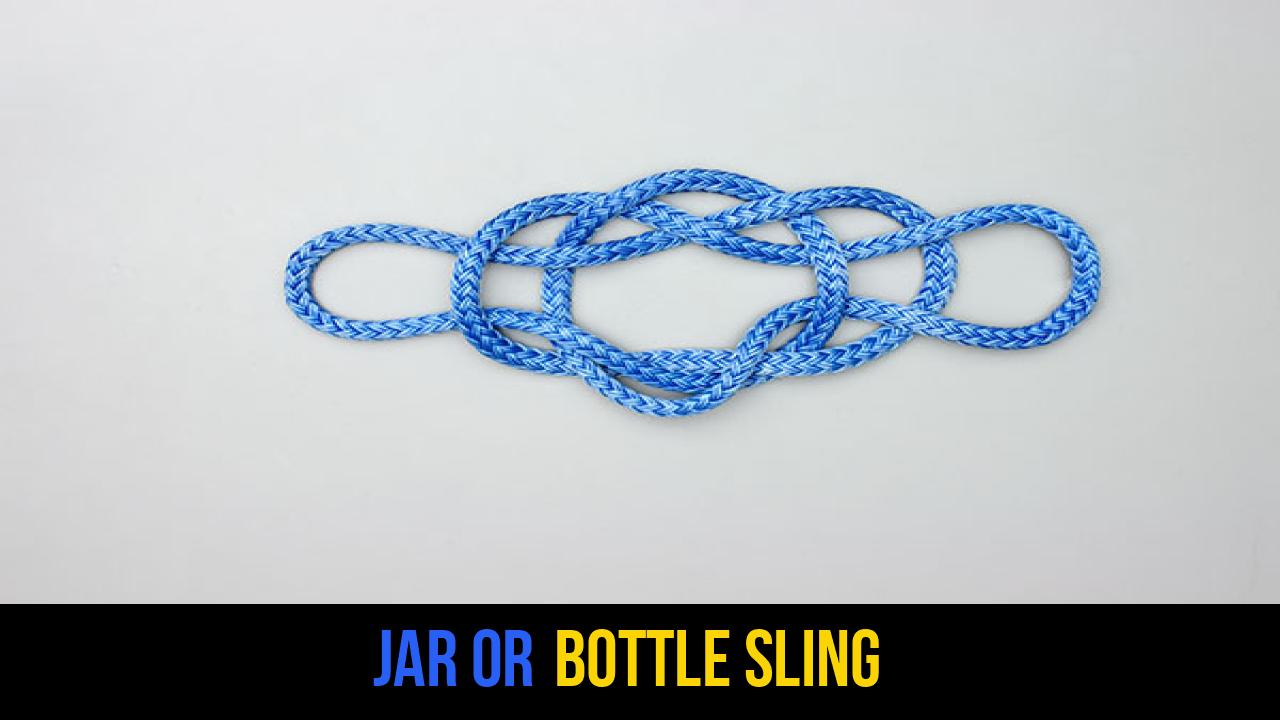
In the world of outdoor rope techniques, few hitches are as specialized yet practical as the Jar or Bottle Sling. Whether you are a seasoned bushcraft enthusiast, a professional rigger, or a weekend camper, the ability to secure a glass or plastic container with nothing more than a length of cordage is a fundamental skill. This knot creates a secure, decorative, and functional handle around the neck of a vessel, allowing for easy transport, cooling in a stream, or suspension from a tripod.
Historically, this knot has roots in maritime traditions and rural utility. It relies on the mechanical principle of friction and tension; as weight is applied to the handles, the central loops constrict around the rim of the container, ensuring it stays in place even if the surface is slippery. In this guide, we will explore the nuances of the Jar or Bottle Sling knot, the best materials to use, and a precise walkthrough on how to master its construction.
Alternative Names: Jug Hitch, Bottle Knot, Chylinski’s Knot, Spanish Hackamore (variation), and the Clove Hitch Bottle Sling.
What Is a Jar or Bottle Sling?
The Jar or Bottle Sling is a binding knot specifically designed to create a load-bearing loop around a cylindrical object with a flared top or a distinct rim. Unlike a standard loop knot, the Jar or Bottle Sling creates a "cloverleaf" pattern that, when collapsed and tightened, forms a secure collar.
Practical Uses in the Field
- Hydration Management: Suspending a water bottle in a river or stream to keep the contents cool without losing the bottle to the current.
- Bushcraft Kitchen: Hanging a glass jar of sourdough starter or preserved goods away from ground-level pests.
- Equipment Organization: Creating a hanging point for fuel canisters or lanterns that lack built-in hooks.
- Emergency Repair: Fashioning a temporary handle for a bucket or jug when the original plastic handle has snapped.
The beauty of the Jar or Bottle Sling knot lies in its symmetry. When tied correctly, it provides two balanced "ears" or loops that act as a handle, distributing the weight evenly and preventing the container from tilting or slipping out of the harness.
Materials and Tools Needed
To tie a successful Jar or Bottle Sling, your choice of rope is paramount. Because this knot depends on the "grip" it maintains on the neck of a bottle, the diameter and texture of the cordage will dictate its reliability.
Recommended Rope Types
- 550 Paracord: The gold standard for outdoor rope techniques. Its slight elasticity allows it to "bite" into the rim of a bottle, and its 550-lb tensile strength is more than enough for any jar.
- Bank Line (Tarred Twine): Excellent for permanent or semi-permanent slings. The tar coating provides exceptional grip on glass surfaces.
- Hemp or Jute Rope: Offers a high coefficient of friction and a traditional aesthetic, though it is less durable when exposed to moisture over long periods.
- Cotton Sash Cord: Soft on the hands and provides a wide surface area, making it ideal for heavier ceramic jugs.
Considerations
- Diameter: For most standard jars, a cord between 3mm and 6mm is ideal. Anything thicker may become too bulky to sit securely under the rim.
- Surface Texture: Avoid using slick, monofilament fishing lines or high-sheen polypropylene ropes, as these can slide off the neck of a bottle under load.
How to Tie Jar or Bottle Sling?
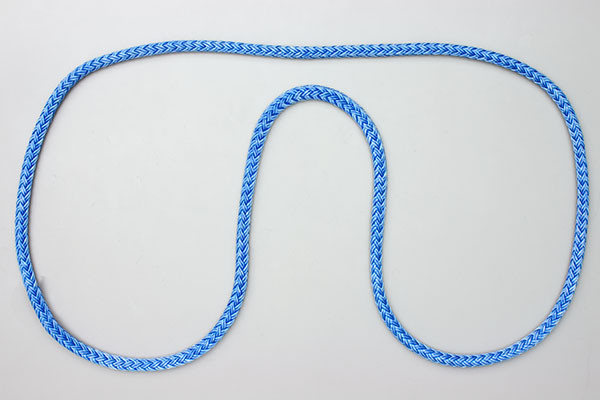
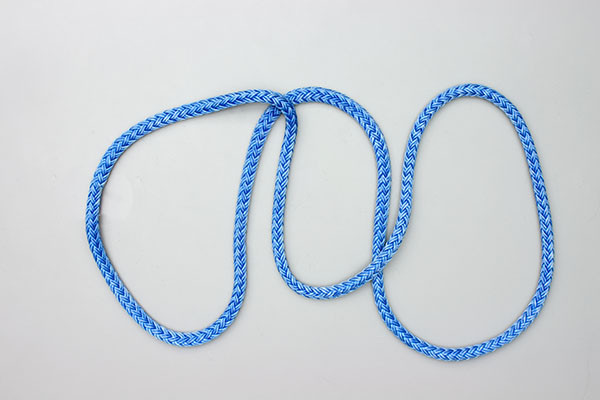
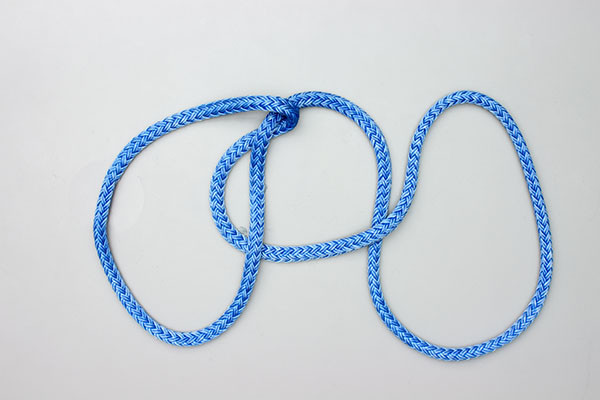
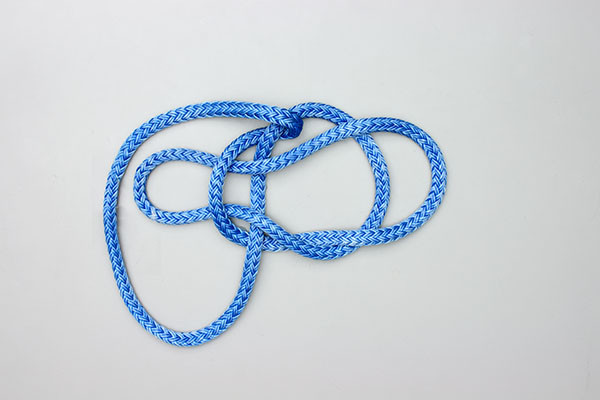
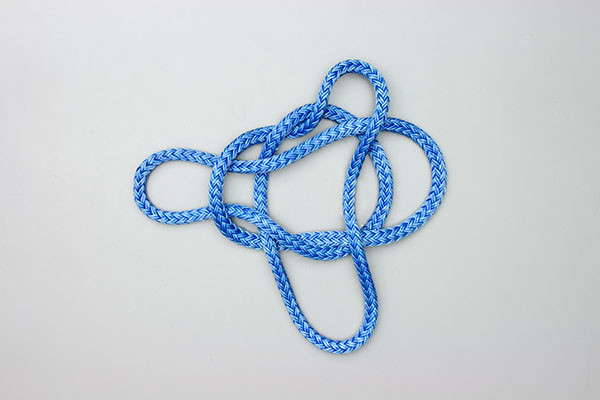
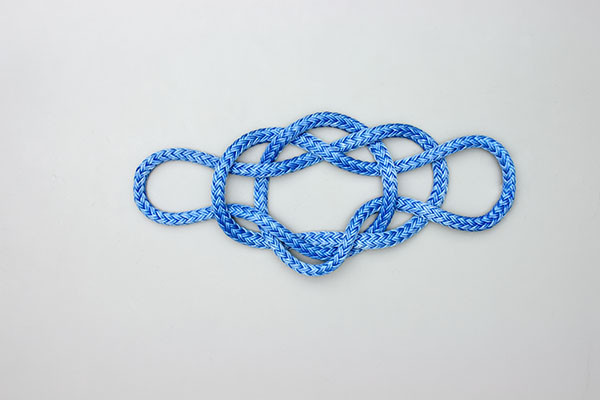
Tying the Jar or Bottle Sling requires a bit of spatial awareness. Follow these instructions exactly as provided to ensure the knot forms the correct "cloverleaf" structure.
- With a bight in one side of a loop, fold down a second bight from the the other side.
- Tuck the second under the first to create a new bight.
- Pass the distant end of the big loop under this new bight.
- Pass the other end under the original bight.
Once these steps are completed, you will see a central "hole" surrounded by several loops. Place the neck of your jar or bottle through this central hole. Carefully pull the outer loops (the "ears") to tighten the knot around the rim. Ensure the cord sits snugly beneath the widest part of the bottle’s lip before applying full weight.
Common Mistakes to Avoid
Even for those experienced in rope knots, the Jar or Bottle Sling can be tricky during the "dressing" stage (the process of tidying and tightening the knot).
- Incorrect Placement: The most common failure occurs when the knot is tightened around the smooth body of a bottle rather than under the rim. Without a flare or lip to catch the rope, the knot will eventually slide off.
- Uneven Tension: If one "ear" of the handle is pulled tighter than the other during the initial setup, the bottle will hang at an angle. This increases the risk of the knot slipping.
- Ignoring Rope Memory: If you are using a stiff rope (like thick nylon), the loops may try to spring back to their original shape. Always "set" the knot by putting a small amount of weight in the bottle and giving it a firm tug.
- Safety Tip: Never use this knot to suspend heavy glass jars over sleeping areas or expensive equipment. While secure, mechanical vibrations or rope stretch over time can cause shifts in tension.
Related Knots and Splicing
Expanding your repertoire of outdoor rope techniques involves understanding how different knots interact with cylindrical objects. Here are a few related knots that complement the Jar or Bottle Sling:
Clove Hitch
The Clove Hitch is a foundational binding knot used to secure a rope to a post. While simpler than the bottle sling, it lacks the secondary safety loops needed for heavy containers.
Bowline
Often called the "King of Knots," the Bowline creates a fixed loop at the end of a rope. It is frequently used to attach the finished Jar Sling to a higher suspension point like a tree branch.
Barrel Hitch
The Barrel Hitch is designed for lifting open-top containers or barrels vertically. It wraps around the base and sides of the object, providing more stability for top-heavy loads than a neck-only sling.
Constrictor Knot
The Constrictor Knot is one of the most effective binding knots available. It is similar to a clove hitch but much more secure; once tightened, it often must be cut off, making it ideal for permanent bottle handles.
Final Words
The Jar or Bottle Sling is a testament to the ingenuity of traditional rope knots. It transforms a simple length of cord into a sophisticated carrying tool, proving that specialized knowledge is often more valuable than expensive gear. By mastering the steps provided, you ensure that you can keep your supplies organized, your water cool, and your hands free during any outdoor excursion.
Practice this knot with different types of cordage and various bottle shapes until the muscle memory is locked in. Whether you are using it for its aesthetic appeal in a home garden or its sheer utility in the deep woods, the Jar or Bottle Sling remains an essential skill for any technical outdoor specialist. Remember: a knot is only as good as the person who ties it—tighten carefully, check your work, and always prioritize safety in the field.
