
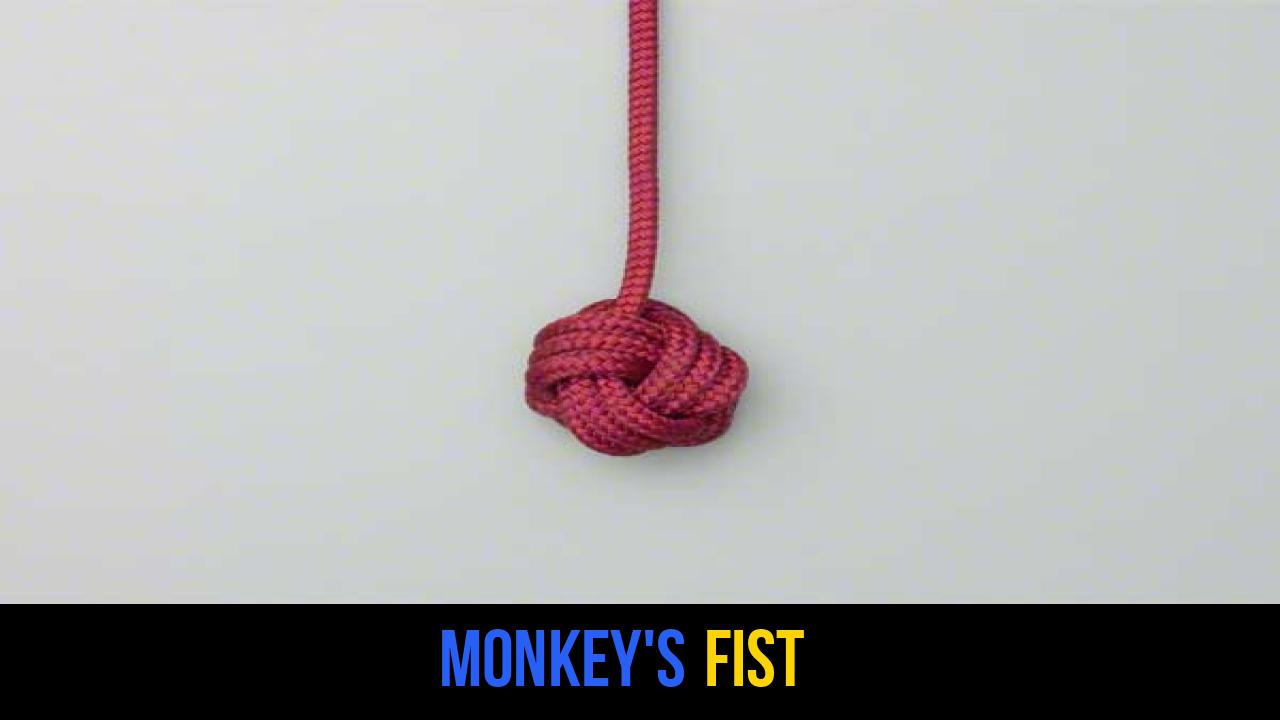
In the world of rope knots and outdoor rope techniques, few entries are as visually striking or historically significant as the Monkey’s Fist knot. Originally developed by sailors in the 19th century, this knot serves as a heavy "stopper" or "heaving knot," allowing a lightweight line to be thrown across long distances between ships or from a ship to a pier.
Today, the Monkey’s Fist has evolved beyond its nautical roots. It is now a staple in survivalist kits, decorative macramé, and even specialized rock climbing applications. Understanding the physics and the precise methodology of this knot is essential for any serious outdoorsman or rigging specialist.
Alternative names for this knot include: Sailor’s Knot, Heaving Line Knot, and Weighted Stopper Knot.
What Is a Monkey’s Fist?
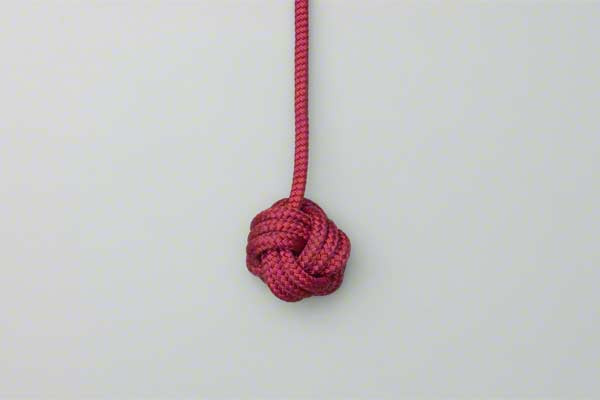
The Monkey’s Fist knot is a type of multi-axis knot that forms a spherical shape. Its primary functional purpose is to add weight to the end of a rope. When a sailor needed to pass a thick, heavy hawser to another vessel, they would first throw a "messenger line" weighted with a Monkey’s Fist. Because the knot is dense and can contain a weighted core, it carries momentum through the wind much more effectively than a standard loop or hitch.
In modern contexts, the knot is used for:
- Maritime Operations: Weighted ends for heaving lines.
- Outdoor Survival: Creating a weighted cord for throwing over tree branches (e.g., hanging bear bags).
- Rock Climbing: Historically used as a "nut" or passive protection in cracks before metal gear became standard.
- Decorative Crafts: Keychains, doorstops, and nautical-themed jewelry.
Materials and Tools Needed
To achieve a professional-grade Monkey’s Fist knot, you must select the right materials. The choice of rope affects the knot’s durability, grip, and aesthetic finish.
1. Rope Selection
- Paracord (550 Cord): Ideal for beginners and decorative projects. Its nylon sheath provides excellent friction.
- Cotton or Manila Rope: Best for traditional maritime looks and large-scale projects like doorstops.
- Static Climbing Cord: Recommended for technical outdoor applications where high tensile strength is required.
2. The Core
To give the knot its spherical integrity, a core is often used.
- Metal Bearings: Often used to provide the "metal here" weight mentioned in traditional instructions.
- Wooden Balls: Used for lighter, decorative versions.
- Rubber Balls: Provides a bounce and prevents damage to surfaces.
3. Essential Tools
- Marlinspike or Fid: A pointed tool used to help tighten individual turns and dress the knot.
- Sharp Scissors or Knife: For trimming the bitter end.
- Lighter: To singe the ends of synthetic ropes to prevent fraying.
How to Tie Monkey’s Fist?
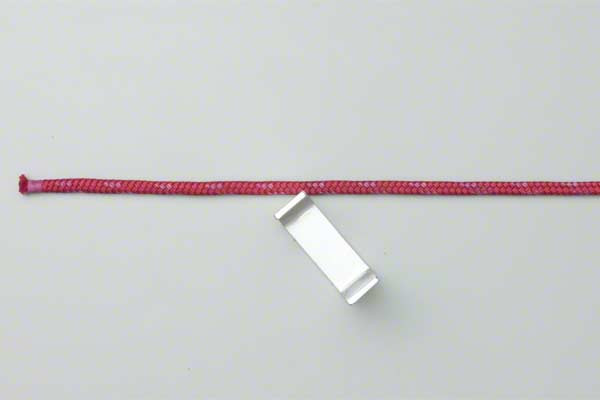
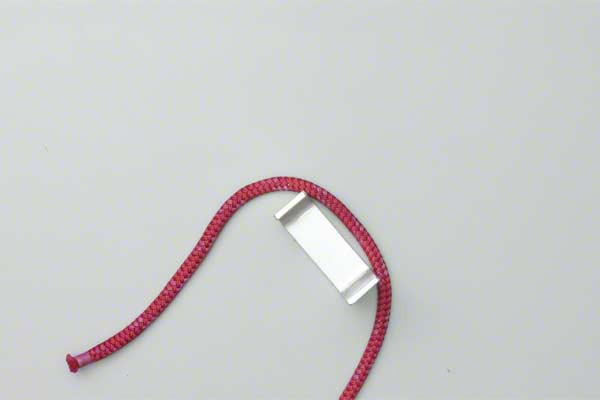
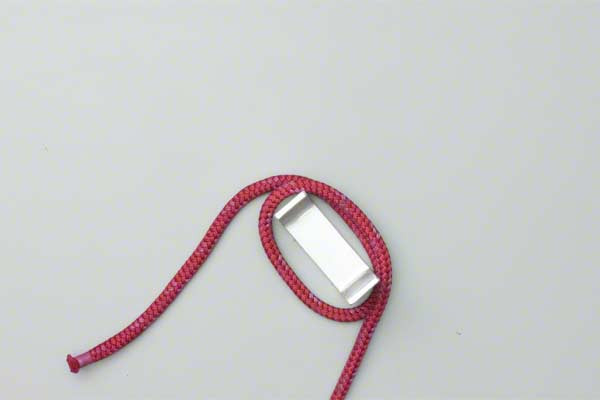
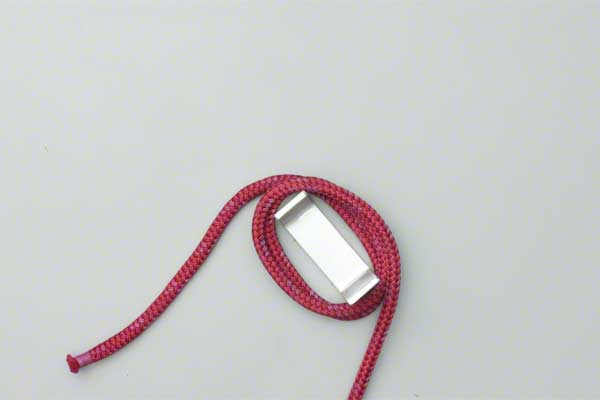
The following instructions provide the technical sequence required to construct a standard three-turn Monkey’s Fist knot. Follow these steps precisely to ensure the structural integrity of the knot.
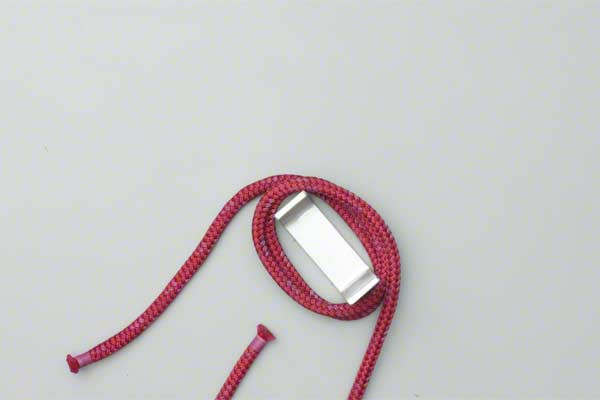
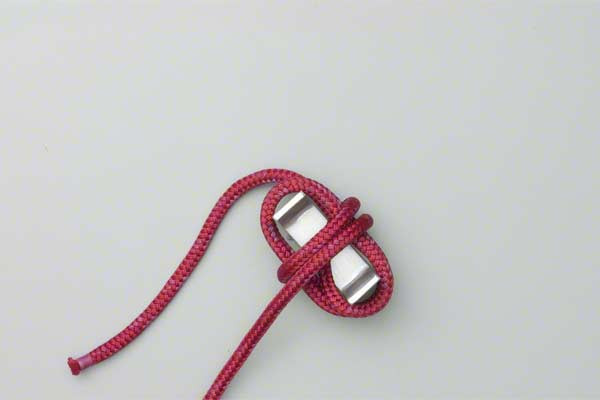
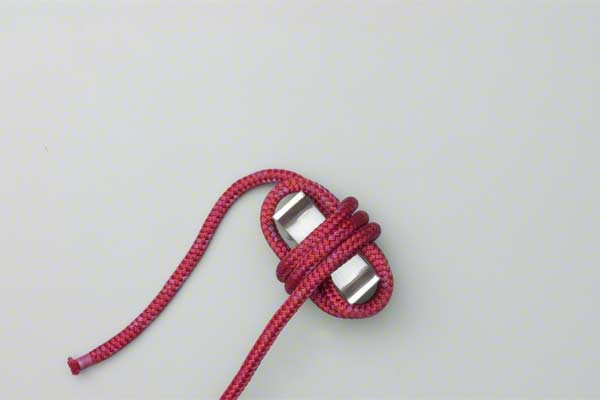
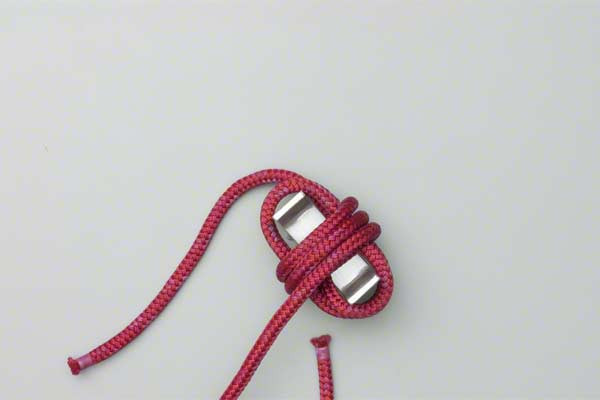
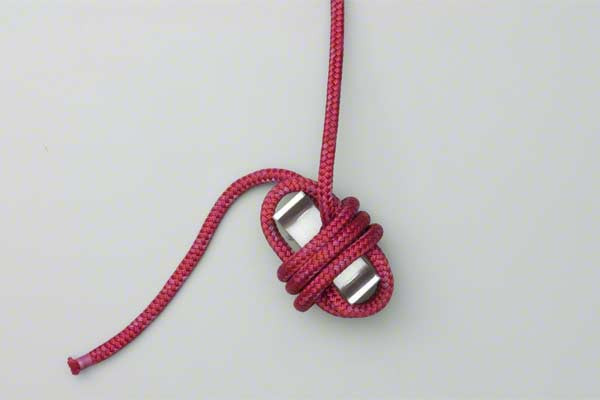
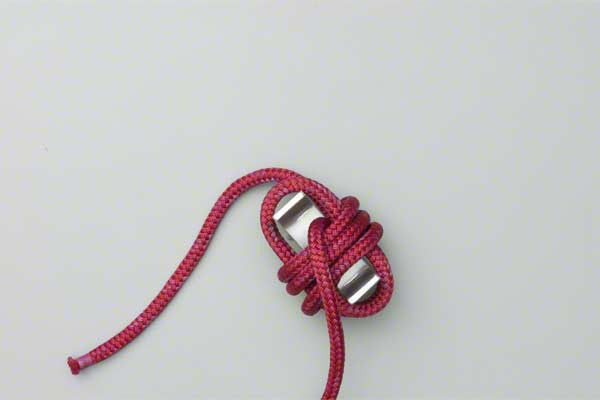
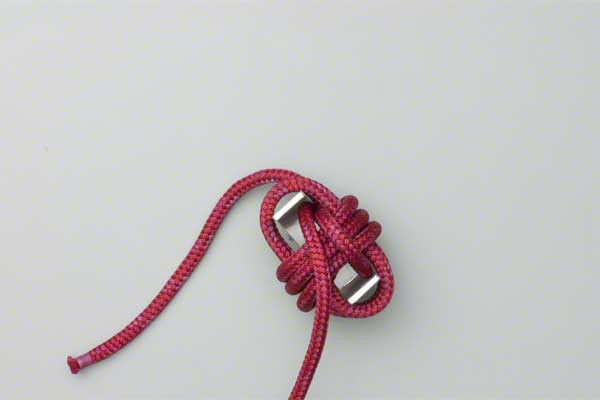
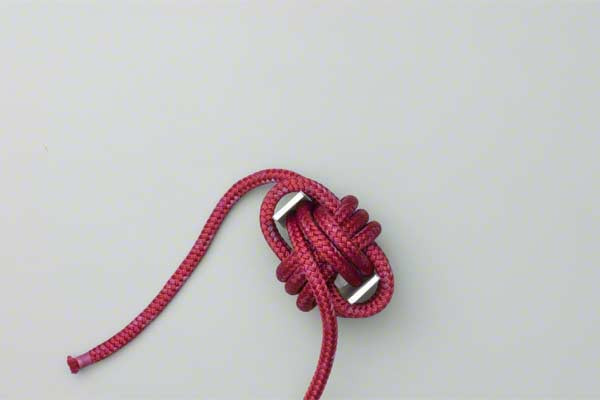
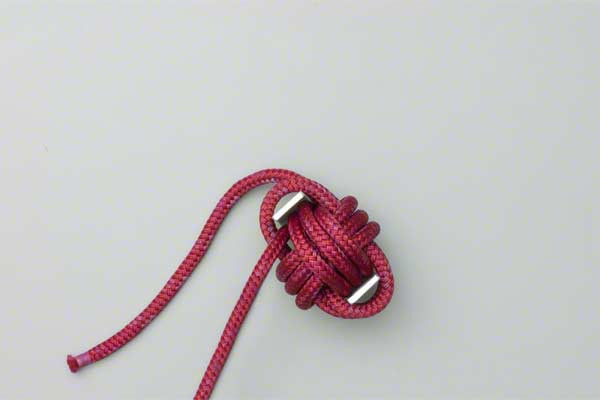
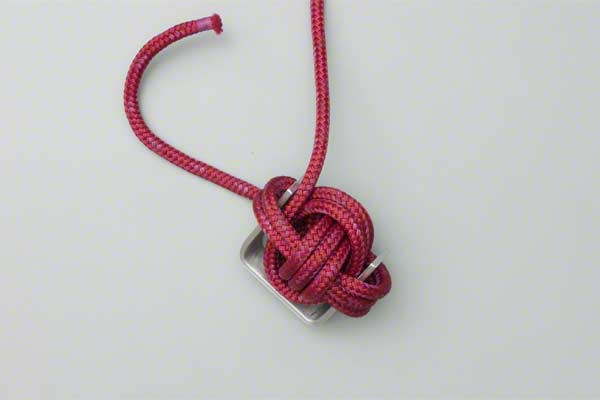
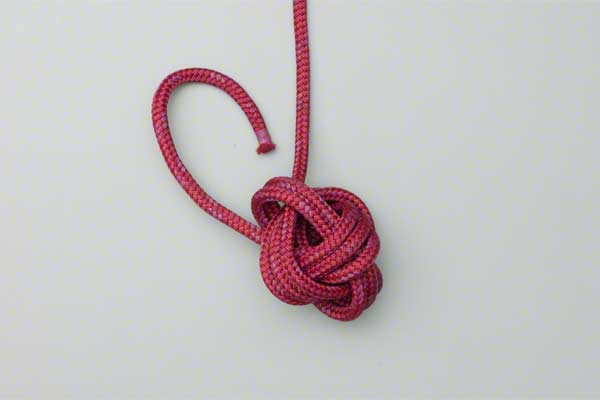
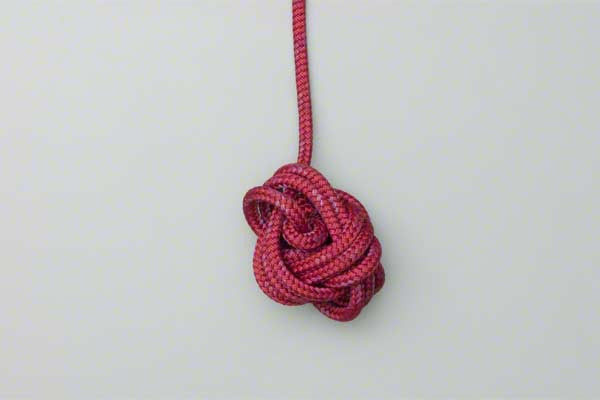
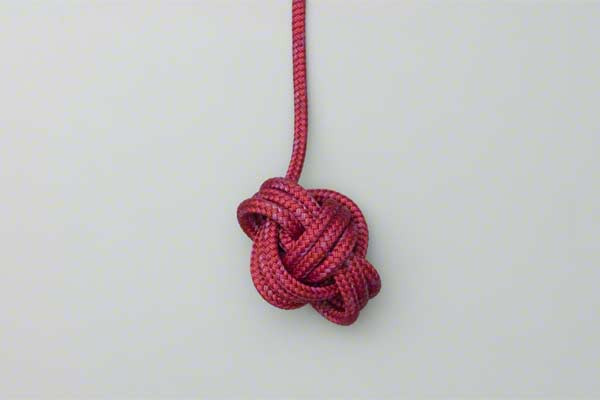
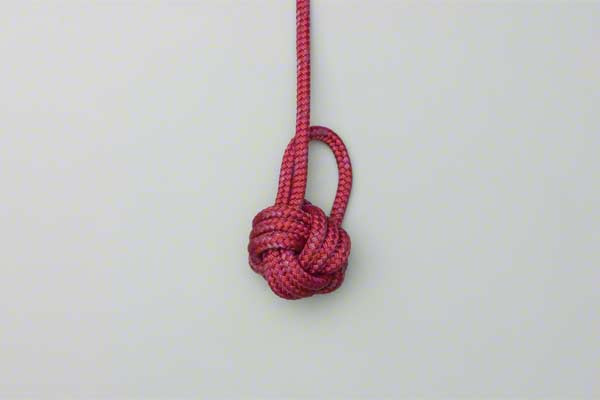
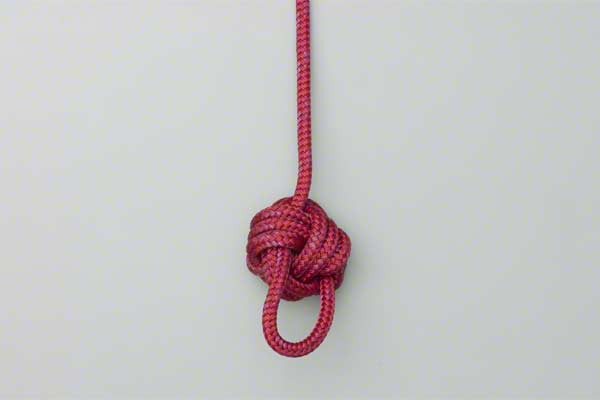
- Wrap three turns around your fingers (metal here).
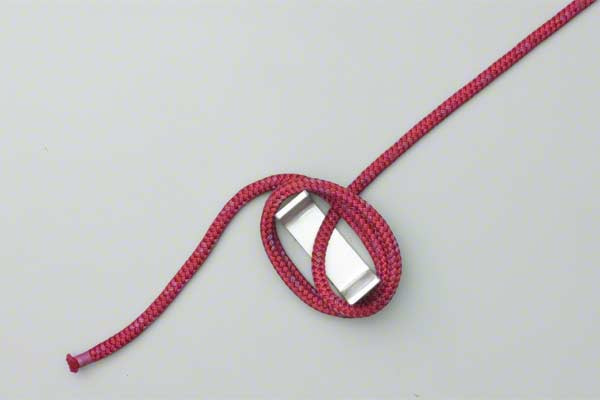
- Pass the end through the middle.
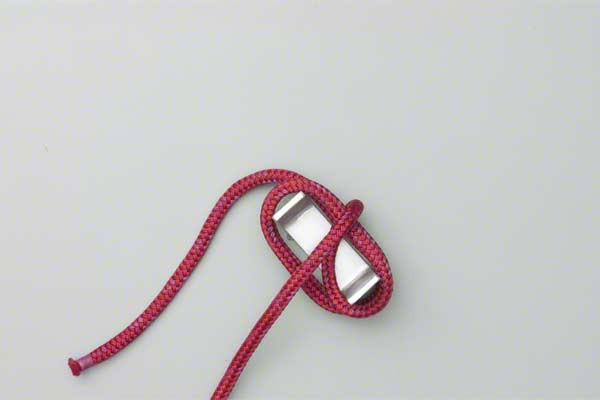
- Make three more turns around the first ones.
- Pass the end through the middle.
- Make three more turns locking the previous turns and remove fingers.
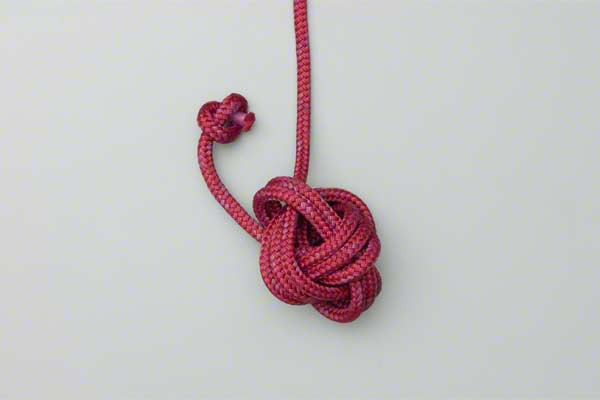
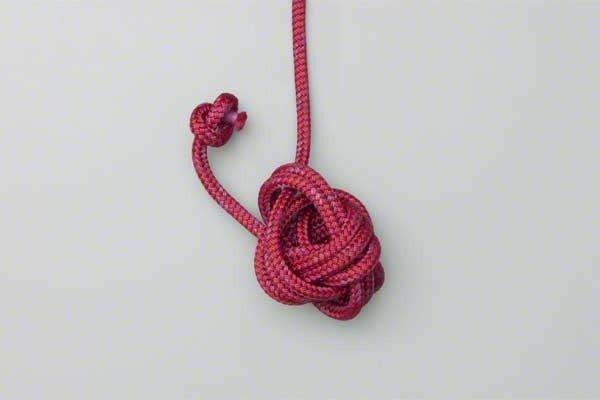
- Tie a knot in the end and tuck it into the center.
- Then tighten every turn.
Common Mistakes to Avoid
Even experienced practitioners can struggle with the Monkey’s Fist due to its three-dimensional complexity. Here are the most common errors and how to fix them:
Uneven Tension
The most frequent mistake is tightening the knot too quickly. If you pull the end of the rope with too much force initially, the inner loops will collapse, and the knot will become lopsided. Tighten every turn individually, starting from the beginning of the knot and working the slack through to the end.
Incorrect Core Placement
When the instructions mention "(metal here)", it refers to placing the weighted core inside the first set of loops. If the core is not centered, the knot will not be aerodynamic when thrown. Ensure the metal ball or wooden core is securely cradled by the first three turns before proceeding to the locking turns.
Using Slippery Rope
Some high-tech synthetic ropes (like Dyneema) have very low friction. For a Monkey’s Fist, a rope with a bit of "bite" is preferable. If your rope is too slippery, the turns may overlap and lose their distinct three-axis appearance.
Related Knots and Splicing
Expanding your knowledge of rope knots involves understanding how different structures interact. Here are three knots related to the Monkey’s Fist:
- Turk’s Head Knot: A decorative knot that creates a cylindrical braid, often used to create grips on oars or railings, sharing the "interwoven" logic of the Monkey’s Fist.
- Bowline Knot: Known as the "king of knots," this creates a secure, non-slipping loop at the end of a line, often used to attach the heaving line to the main hawser.
- Clove Hitch: A simple yet effective binding knot used to secure a rope to a cylindrical object, frequently used as a starting point for more complex lashings.
Advanced Techniques: Dressing and Tightening
The difference between a functional knot and a professional-grade Monkey’s Fist lies in the "dressing." Dressing a knot refers to the process of arranging the strands so they sit neatly against one another without crossing.
- The Initial Slack: After completing the steps, the knot will look like a loose "cage."
- The "Trace" Method: Identify the beginning of the rope. Follow the path of the rope through every turn, pulling about an inch of slack through at a time.
- Multiple Passes: You will likely need to go around the entire knot three or four times to get it perfectly tight.
- The Final Tuck: In Step 6, the instructions state to "Tie a knot in the end and tuck it into the center." This internal knot acts as an anchor, ensuring that even under high centrifugal force (when being thrown), the end of the rope cannot slip out.
Safety and Practical Applications
While the Monkey’s Fist knot is a valuable tool in outdoor rope techniques, it must be used with caution.
- Safety Warning: A weighted Monkey’s Fist (especially one containing metal) can be dangerous. It should never be swung toward people. In many jurisdictions, a weighted knot of this type may be classified under specific weapon laws if used inappropriately.
- Maritime Use: Always ensure the line is coiled properly before throwing. If the line tangles, the weight of the Monkey’s Fist can cause the rope to "snap back" toward the thrower.
- Arborist Use: When throwing a line into a tree, ensure you have a clear line of sight. The knot can become wedged in "V" crotches of branches if not retrieved carefully.
Final Words
The Monkey’s Fist remains one of the most iconic rope knots in history. Whether you are using it to pass a line in heavy seas, securing gear in the backcountry, or simply practicing your outdoor rope techniques, mastering this knot is a rite of passage for any gear specialist.
By following the exact steps—wrapping the turns, passing through the middle, locking the turns, and meticulously tightening—you create a tool that is as functional as it is beautiful. Remember that patience is the key to a perfect Monkey’s Fist; the tightening process is just as important as the wrapping itself. Happy tying!
