
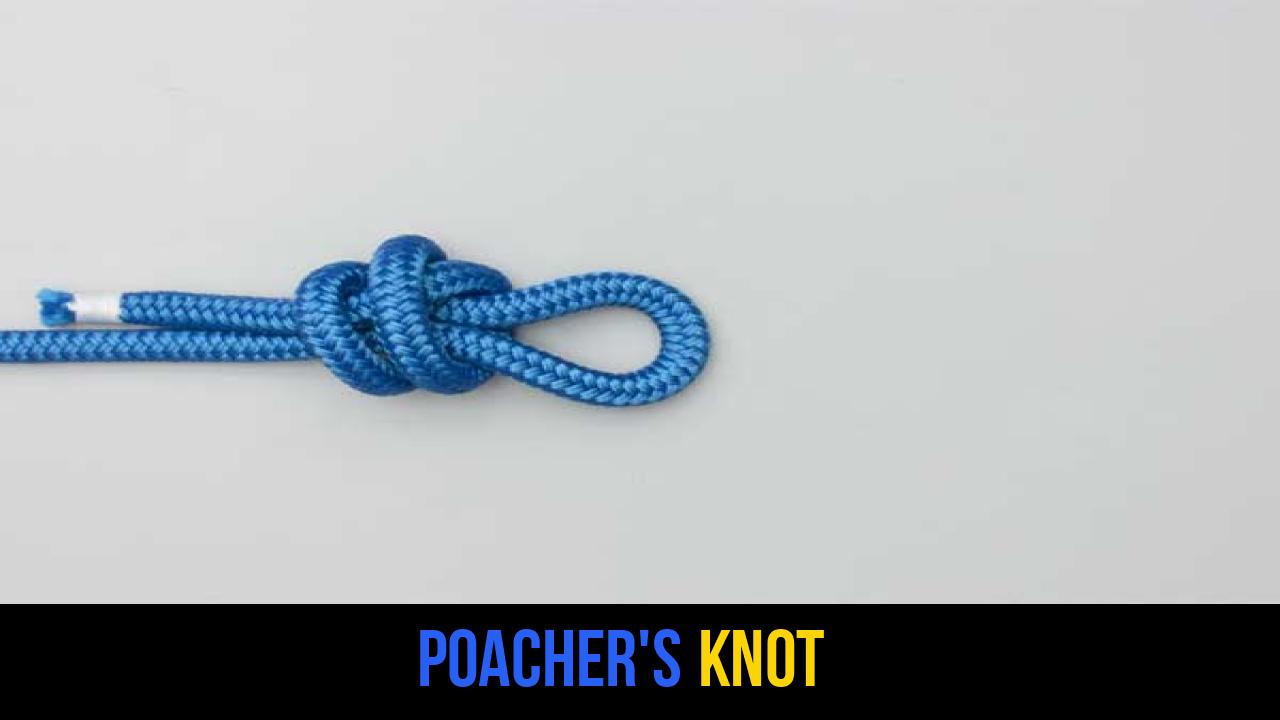
In the world of rope knots, few are as deceptively simple yet incredibly secure as the Poacher’s Knot. This knot is a staple in the repertoire of bushcraft enthusiasts, arborists, and outdoor survivalists. At its core, it is a sliding loop—or slip knot—built upon the foundation of a double overhand knot. Its primary characteristic is its ability to tighten around an object under tension, creating a grip that is remarkably difficult to shake loose.
Historically, the Poacher’s Knot earned its name from its use in small-game trapping, where a secure, fast-acting, and compact sliding loop was required. In modern contexts, however, it has transitioned into a versatile tool for outdoor rope techniques, used for everything from securing gear to creating adjustable lanyards. Its compact profile makes it an excellent choice when space is limited or when a bulky knot would interfere with the task at hand.
Alternative Names: Double Overhand Noose, Double Overhand Sliding Knot, and occasionally a variation of the Scaffold Knot (though the Scaffold Knot typically utilizes more turns).
What Is a Poacher’s Knot?
The Poacher’s Knot is a highly effective sliding loop knot. Unlike a fixed loop knot like the Bowline, which maintains a constant diameter regardless of tension, the Poacher’s Knot is designed to "choke" down on whatever it is attached to.
Security and Friction
The secret to the Poacher’s Knot lies in its internal friction. By wrapping the working end around the standing part twice (forming a double overhand structure), the knot creates a significant amount of surface area contact. When the loop is pulled, the internal wraps bind against each other, preventing the knot from capsizing or failing even under heavy loads.
Practical Applications
While its origins are rooted in traditional trapping, the modern application of this knot is vast:
- Arboriculture: Used by tree surgeons to secure light tools or as a secondary attachment point.
- Camping and Bushcraft: Ideal for creating tension in a ridgeline or securing a tarp to a branch.
- Lanyards: Many professionals use the Poacher’s Knot to attach a rope to a carabiner, as it cinches tightly against the metal, preventing the connector from rotating.
- Fishing: While there are specialized fishing knots, this knot can serve as a heavy-duty sliding loop for thick cordage used in maritime environments.
Materials and Tools Needed
To successfully master the Poacher’s Knot, you must understand how different materials affect the knot’s performance. Because this is a high-friction knot, the type of rope you choose is critical.
Recommended Rope Types
- Paracord (550 Cord): Excellent for practice and small-scale utility tasks. The nylon sheath provides enough grip to hold the turns securely.
- Static Kernmantle Rope: Preferred for most outdoor rope techniques where security is paramount. Static ropes have less stretch, which helps the knot maintain its "cinch."
- Natural Fibers (Manila or Sisal): These provide excellent "bite," making the knot almost impossible to slip once set. However, they are more prone to jamming permanently.
Tools for Success
- Sharp Knife or Multitool: Essential for trimming the tail of the knot once it is set.
- Heat Source (Lighter): If using synthetic ropes, you must seal the ends to prevent fraying.
- Marlinspike or Fid: Useful if you need to untie the knot after it has been under extreme tension, as the Poacher’s Knot is known to "jam."
How to Tie a Poacher’s Knot?
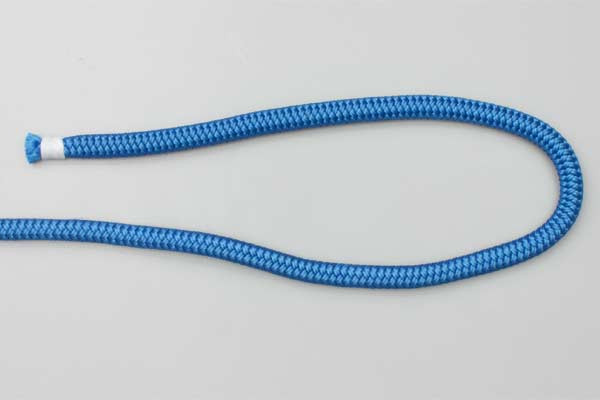
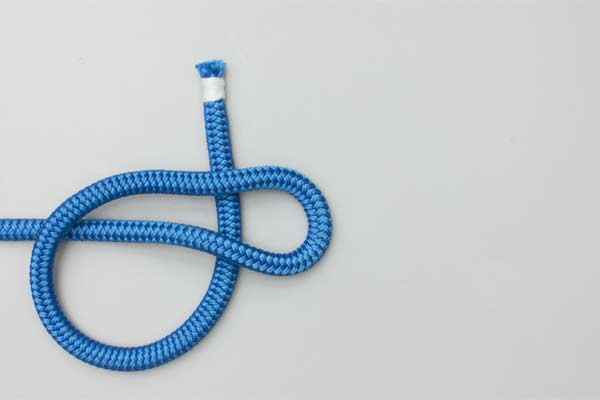
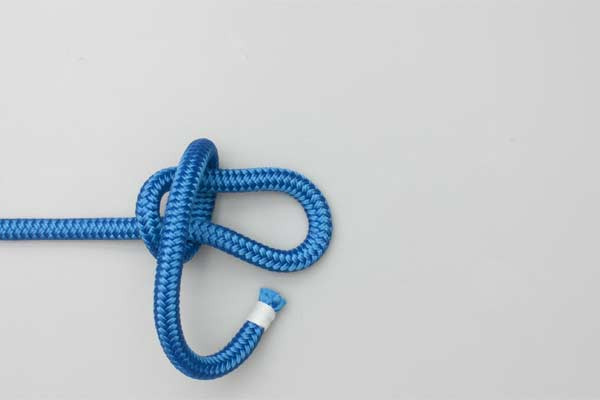
Tying the Poacher’s Knot requires precision in how the wraps are laid. Follow these instructions carefully to ensure the knot is dressed correctly and functions safely.
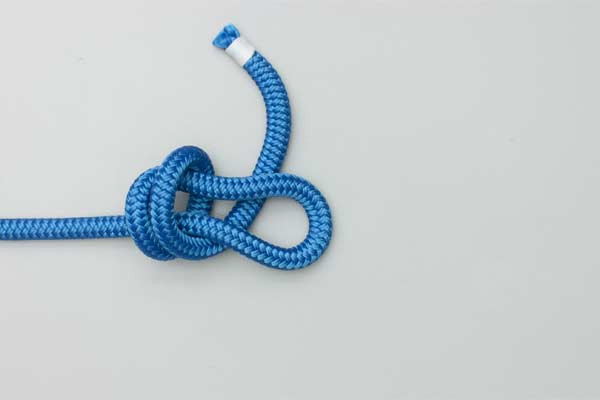
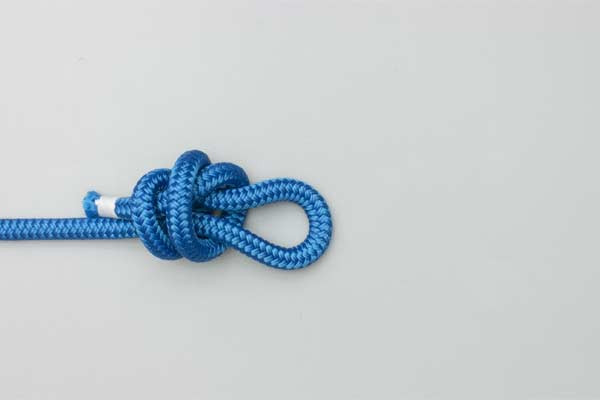
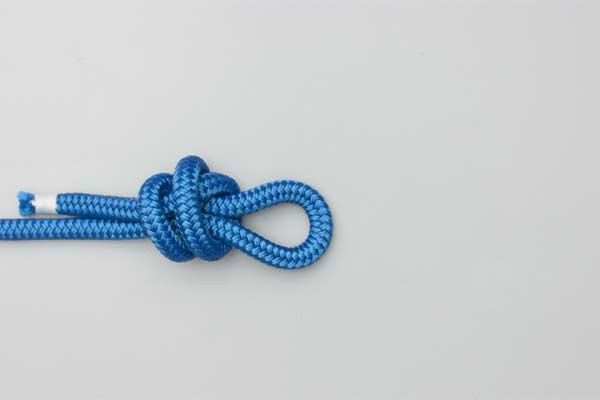
- Form a bight in the end of the rope.
- Loosely wrap the end around the bight twice.
- Tuck the end through these turns to complete the knot.
- Pull tight.
By following these four steps, you create a double-wrapped sliding loop that provides superior security compared to a standard single-wrap slip knot.
Common Mistakes to Avoid
Even experienced outdoorsmen can make errors when tying the Poacher’s Knot. Attention to detail is vital for safety and reliability.
1. Crossing the Turns Incorrectly
When you loosely wrap the end around the bight twice, the turns must lie neatly side-by-side. If the turns cross over each other randomly, the knot may not tighten evenly, leading to a potential failure or making it nearly impossible to untie later.
2. Insufficient Tail Length
Always ensure you leave enough "tail" (the working end) after the final tuck. If the tail is too short, it may be sucked back into the knot under extreme tension. A good rule of thumb is to leave a tail at least three to four times the diameter of the rope.
3. Misjudging the "Jamming" Factor
The Poacher’s Knot is a semi-permanent knot once it has been loaded heavily. If you need a loop that is easy to untie after supporting a person’s weight or a heavy gear load, this might not be the right choice. For temporary applications, ensure you don’t over-tighten it manually before use.
4. Use in Life-Critical Systems
While the Poacher’s Knot is very secure, it should never be the only knot in a life-safety system (like climbing or search and rescue) without proper training and secondary backups. In these fields, it is often used to terminate a lanyard onto a connector, but the dressing of the knot must be perfect.
Related Knots and Splicing
Understanding how the Poacher’s Knot relates to other rope knots can help you choose the right tool for the job.
- The Scaffold Knot:
A more robust version of the Poacher’s Knot, usually involving three or more wraps. It provides even more friction and is often used in heavy-duty rigging. - The Double Overhand Knot:
This is the "stopper" version of the Poacher’s. It is tied exactly the same way but without the sliding bight, used primarily to prevent a rope from slipping through a pulley. - The Bowline:
The "King of Knots." Unlike the Poacher’s, the Bowline creates a fixed loop that will not slip or cinch, making it easier to untie after being under load. - The Figure-Eight Loop:
A staple in climbing, this knot provides a secure, non-sliding loop that is easier to inspect visually than the compact Poacher’s Knot.
The Physics of the Poacher’s Knot
To truly master outdoor rope techniques, one must understand the mechanical principles at play. The Poacher’s Knot relies on torsional friction. As tension is applied to the standing part of the rope, the bight is pulled through the double overhand wraps.
However, because the wraps are constricted around the bight, they create a "braking" effect. The more you pull, the tighter the wraps squeeze the bight. This creates a proportional relationship between the load and the holding power of the knot. This is why the Poacher’s Knot is often preferred over the simple Slip Knot; the second wrap doubles the surface area of the friction, significantly reducing the risk of the working end pulling through.
Practical Maintenance for Rope Longevity
Using high-friction knots like the Poacher’s Knot can put a strain on your cordage. Here is how to maintain your gear:
- Inspect for Glazing: In synthetic ropes, the heat generated by the knot cinching down can sometimes "glaze" or melt the fibers slightly. Always inspect the rope after untying a heavily loaded knot.
- Clean Your Ropes: Dirt and grit act like sandpaper inside a knot. If you are using your rope in the mud or sand, wash it with mild soap and water to ensure the Poacher’s Knot doesn’t abrade the internal fibers.
- Storage: Never store your rope with knots tied in it. Over time, this can weaken the fibers at the bend points, leading to a permanent loss of structural integrity.
Final Words
The Poacher’s Knot is an essential addition to any outdoor enthusiast’s toolkit. Its simplicity—requiring only a bight and two wraps—belies its incredible strength and utility. Whether you are securing a hammock, building a survival trap, or organizing gear in your workshop, the ability to create a secure, self-cinching loop is invaluable.
By mastering this knot and understanding the materials and mechanics behind it, you enhance your efficiency and safety in the field. Remember to practice frequently with different types of cordage, and always double-check your wraps to ensure a perfect, secure finish every time. The Poacher’s Knot is a testament to the fact that sometimes, the most effective solutions are the ones that have been refined over centuries of practical use.
