
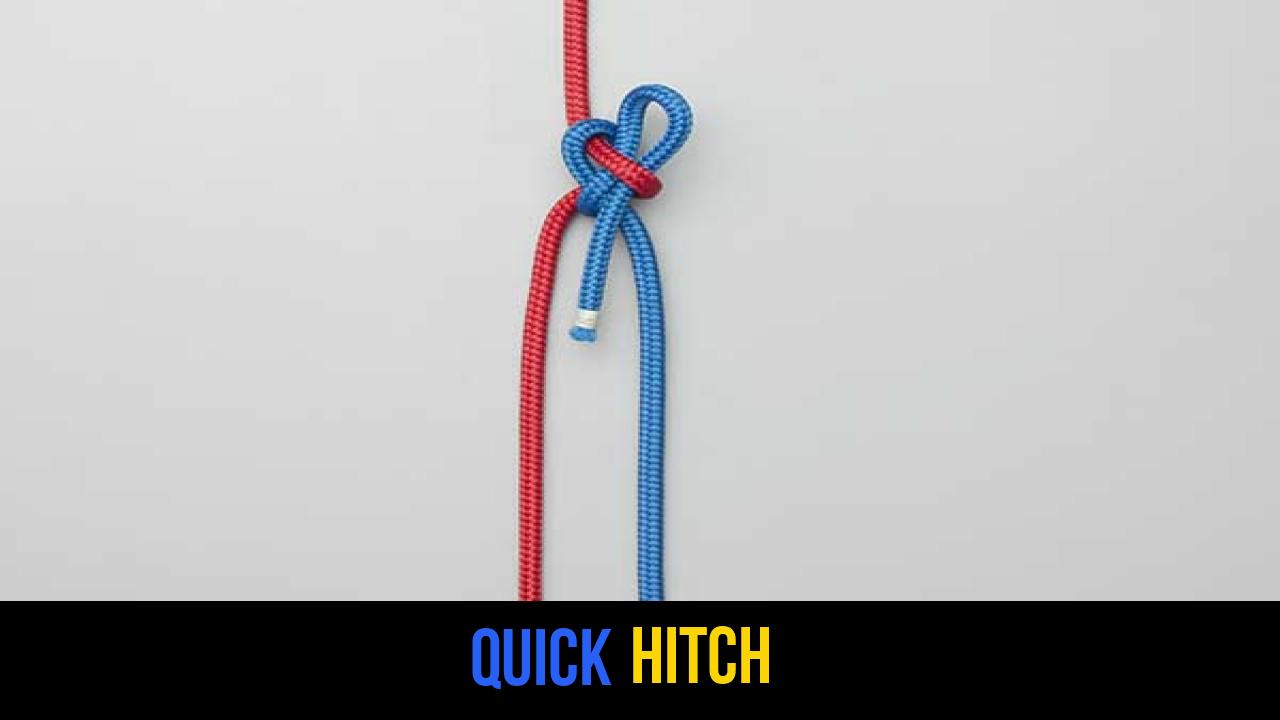
In the world of technical rigging, arboriculture, and rock climbing, efficiency is often as important as security. Among the vast library of rope knots, the Quick Hitch stands out as a specialized tool designed for speed and temporary utility. Whether you are working at height and need to pull up a secondary line or you are managing gear on a complex vertical plane, understanding how to manipulate your primary line to interact with secondary cords is a fundamental skill.
The Quick Hitch is primarily a retrieval or "passing" knot. It allows a user to send a line down, capture another rope or piece of equipment, and bring it back up to their position. Its defining characteristic, as the name suggests, is the ease with which it can be undone. In high-stakes outdoor environments, the ability to transition between tasks without struggling against jammed or over-tightened knots can save both time and energy.
While it may seem simple, the Quick Hitch requires a clear understanding of rope tension and bight management. This article will provide a comprehensive look at the Quick Hitch knot, its practical applications, and the technical nuances that make it a staple in outdoor rope techniques.
Alternative names for the Quick Hitch include: Retrieval Hitch, Slip-Pull Hitch, and the Quick Release Bight.
What Is a Quick Hitch?
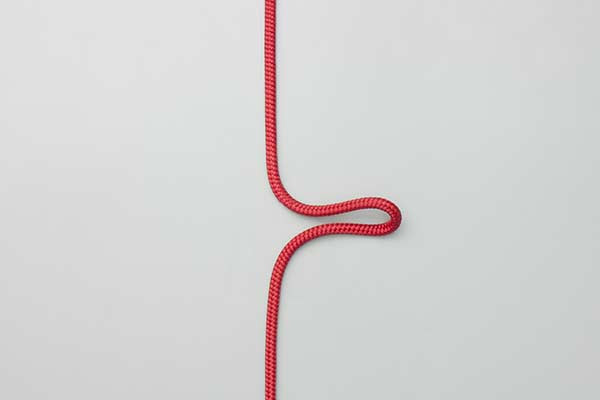
The Quick Hitch is a functional rigging knot used to connect two ropes temporarily for the purpose of hauling or retrieval. Unlike a bend (which joins two ropes permanently) or a fixed loop, the Quick Hitch is designed to be "non-permanent." It relies on the geometry of a bight—a U-shaped fold in the rope—to trap a second line just long enough to move it from point A to point B.
Practical Uses in the Field
- Arboriculture: Tree climbers often use variations of this hitch to pull up chainsaws, extra climbing lines, or rigging slings from a ground person.
- Rock Climbing: If a climber realizes they need a specific piece of gear left at the belay station, a Quick Hitch can be used on the lead rope to haul up a "tag line" or a gear loop.
- Search and Rescue (SAR): During litter evacuations or technical rescues, secondary lines often need to be managed quickly. The Quick Hitch allows for rapid attachment and detachment of auxiliary cords.
- Camping and Bushcraft: For hanging bear bags or securing temporary tarps where a fast teardown is required at dawn, this hitch provides a reliable mechanical advantage.
The primary advantage of the Quick Hitch knot is its "explosive" release. Once the second rope is obtained, a simple pull on the working end collapses the structure, leaving the main climbing rope free of any knots or kinks.
Materials and Tools Needed
To successfully execute the Quick Hitch, you must consider the diameter, texture, and material of the ropes being used. Not all ropes behave the same way under the friction required for this hitch.
Rope Types
- Main Climbing Rope: Usually a dynamic or static Kernmantle rope (9.5mm to 11mm). The "main" rope forms the bight that acts as the anchor.
- Secondary Rope/Cord: This can be a smaller diameter accessory cord (5mm to 7mm) or another full-sized climbing rope.
- Friction Considerations: Highly slick ropes (like those made of Dyneema or certain HMPE blends) may require more care, as the "tuck" in the hitch might slip prematurely. Standard nylon or polyester ropes provide the ideal amount of "bite."
Essential Tools
- Gloves: When pulling ropes under tension, especially during retrieval, high-quality leather or synthetic work gloves protect against rope burn.
- Edge Protection: If you are pulling the second rope over a sharp cliff edge or a tree limb, ensure you have a friction saver or edge roller to protect the integrity of both lines.
How to Tie Quick Hitch?
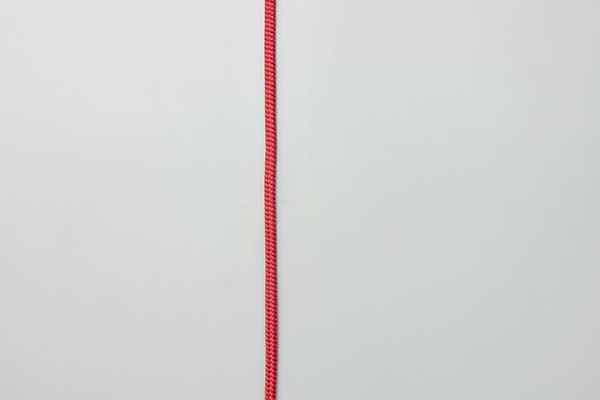
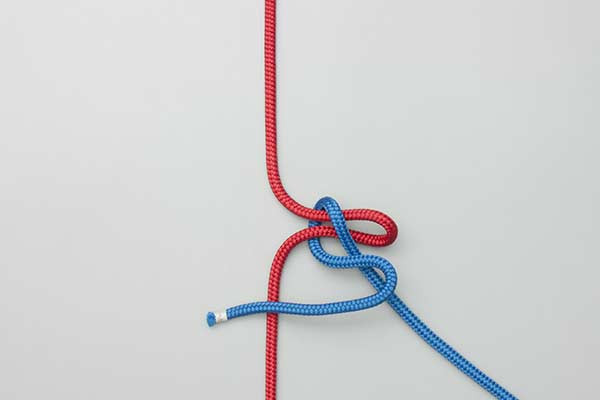
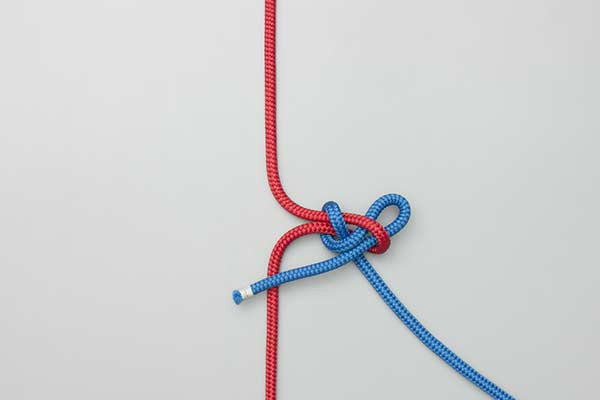
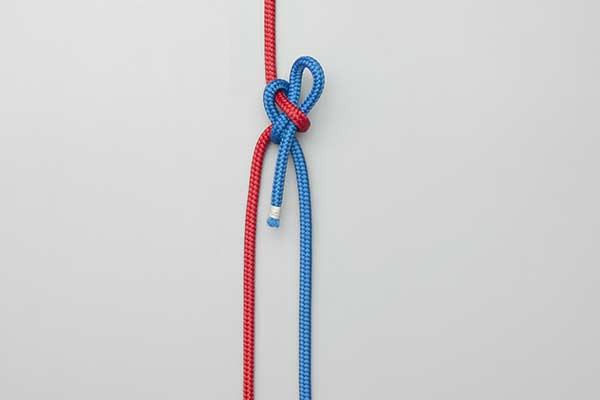
Follow these instructions precisely to ensure the hitch functions as intended. This technique focuses on using a primary climbing line to "grab" and retrieve a secondary line.
- Make a bight in the main climbing rope.
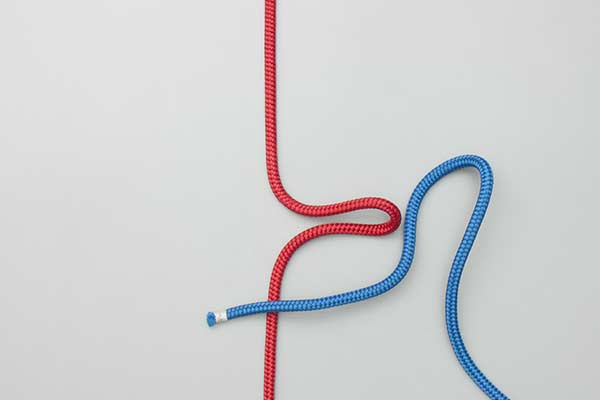
- Hook the second rope around the bight and tuck it into the bight but leave the end out.
- Pull the main rope up to obtain the second rope – quickly released by pulling on the end.
Common Mistakes to Avoid
Even the most experienced outdoor professionals can make errors when rigging under pressure. To ensure the safety and efficacy of your outdoor rope techniques, avoid these common pitfalls:
1. Insufficient Tail Length
When you tuck the second rope into the bight, failing to leave the end out with enough length can cause the hitch to fail. If the tail is too short, the weight of the second rope might cause it to slip through the bight before it reaches the climber. Always leave at least 6–10 inches of tail.
2. Confusing the "Pull" End
The Quick Hitch is a directional knot. If you pull the wrong end of the second rope once it reaches you, you might inadvertently tighten the hitch rather than releasing it. Before hauling, visually confirm which side is the "live" end and which is the "release" end.
3. Using for Life-Critical Loads
It is vital to remember that the Quick Hitch is a retrieval hitch, not a load-bearing safety knot. Never use this hitch to support the weight of a person or a critical anchor system. Because it is designed to be quickly released, any accidental tug on the tail will cause the system to collapse instantly.
4. Over-Tensioning the Bight
If the main rope is pulled too hard against a sharp redirect, the bight can "pinch" the second rope, making the "quick release" difficult. Maintain a smooth, steady upward motion during retrieval.
Related Knots and Splicing
Understanding the Quick Hitch is often a gateway to learning other rope knots used in rigging and climbing. Here are a few related techniques:
- Slip Knot: A foundational knot that creates a temporary loop; it collapses instantly when the tail is pulled, similar to the release mechanism of the Quick Hitch.
- Clove Hitch: A highly versatile binding knot used to secure a rope to a cylindrical object; unlike the Quick Hitch, it is meant to stay secure under tension.
- Munter Hitch: A friction hitch used for belaying or rappelling; it shares the "fluid" nature of the Quick Hitch but is designed for controlled movement.
- Prusik Knot: A friction hitch that grabs the rope when loaded but slides when loose; often used in tandem with retrieval systems for safety.
- Bowline: Known as the "King of Knots," it creates a fixed, secure loop that will not slip or bind, providing a more permanent alternative to a temporary hitch.
Final Words
The Quick Hitch is an elegant solution to a common problem in the field: how to move gear and ropes vertically with minimal fuss. By mastering the ability to make a bight and secure a second line for rapid retrieval, you add a layer of professional efficiency to your outdoor rope techniques.
Whether you are an arborist, a climber, or an outdoor enthusiast, the key to knot-tying mastery is repetition. Practice the Quick Hitch at ground level until the motion of tucking and releasing becomes second nature. Remember to always prioritize safety, use the right materials for the job, and never use a quick-release hitch for life-support applications. With these principles in mind, the Quick Hitch will become an indispensable part of your technical gear kit.
