
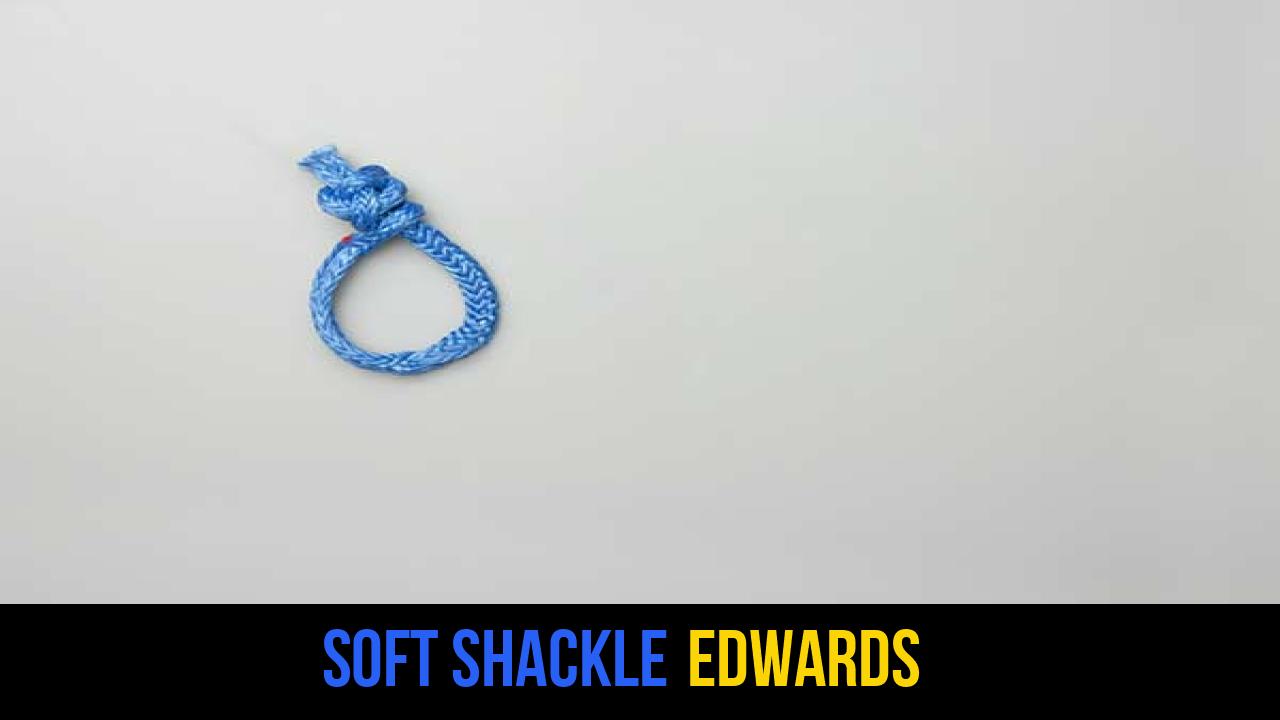
In the world of modern rigging, the transition from heavy steel hardware to high-strength synthetic fibers has revolutionized how we handle loads. At the forefront of this movement is the Soft Shackle Edwards. This specific iteration of the soft shackle represents a pinnacle of efficiency, combining the lightweight properties of High-Modulus Polyethylene (HMPE) with a secure, reliable locking mechanism. Whether you are a professional sailor, an off-road enthusiast, or a technical rigger, understanding the nuances of the Soft Shackle Edwards knot is a vital skill.
Unlike traditional metal shackles, which can become lethal projectiles if they fail under tension, the Edwards variation provides a safer, more versatile alternative. It utilizes the "Chinese finger trap" principle of hollow-braid rope to create a loop that is as strong as the line itself. This article provides a comprehensive deep dive into the materials, mechanics, and step-by-step instructions required to master this essential piece of outdoor rope techniques.
Alternative Names: Edwards Soft Shackle, Synthetic Shackle, Dyneema Shackle, Rope Shackle Edwards, Button-Knot Shackle.
What Is a Soft Shackle Edwards?
A Soft Shackle Edwards is a connector made from high-strength, 12-strand hollow-braid rope (typically Dyneema or AmSteel-Blue). It is designed to replace stainless steel or galvanized D-shackles in various high-tension applications. The "Edwards" designation often refers to a specific splicing method that ensures the loop remains secure under load while remaining easy to undo once the tension is released.
Practical Uses and Benefits
- Marine Rigging: Used for attaching sails to hanks or connecting sheets to sails without the weight of metal clanking against the mast.
- Off-Road Recovery: Soft shackles are now the industry standard for 4×4 recovery, as they can be wrapped around roll bars or recovery points where a steel shackle might not fit.
- Arboriculture: Tree climbers use these for lightweight gear organization and friction-saving redirects.
- Weight Reduction: A soft shackle is approximately 1/7th the weight of a steel equivalent with the same breaking strength.
- Safety: Because they contain no metal, a failure results in a falling rope rather than a flying piece of steel.
Materials and Tools Needed
To successfully tie the Soft Shackle Edwards, you must use the correct materials. Traditional three-strand or kernmantle ropes (like standard climbing rope) will not work for this technique, as it relies on the hollow core of 12-strand braids.
Required Materials:
- 12-Strand Hollow Braid Rope: Dyneema SK75 or SK78 is preferred. Common diameters range from 3/16" for light use to 1/2" for heavy-duty vehicle recovery.
- Masking Tape: Used to taper the ends of the rope for easier threading.
- Permanent Marker: For making precise measurements (crucial for the "Edwards" geometry).
Recommended Tools:
- Fid or Pulling Needle: A specialized tool used to pull the rope through its own core.
- Sharp Scissors or Ceramic Knife: HMPE fibers are incredibly tough and will dull standard steel blades quickly.
- Measuring Tape: To ensure the bury lengths are sufficient to prevent slippage.
How to Tie Soft Shackle Edwards?
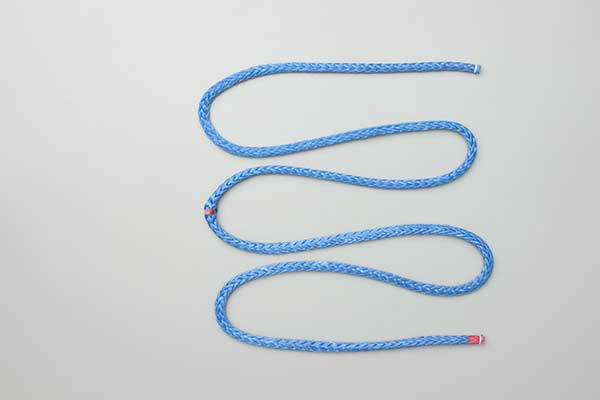
The following instructions detail the specific construction method for the Soft Shackle Edwards. Precision is key; ensure your marks are accurate to maintain the structural integrity of the shackle.
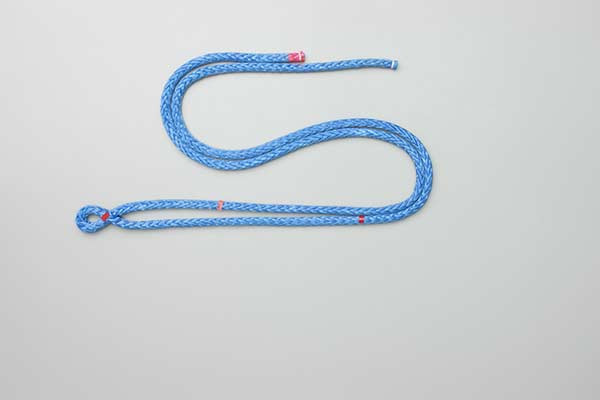
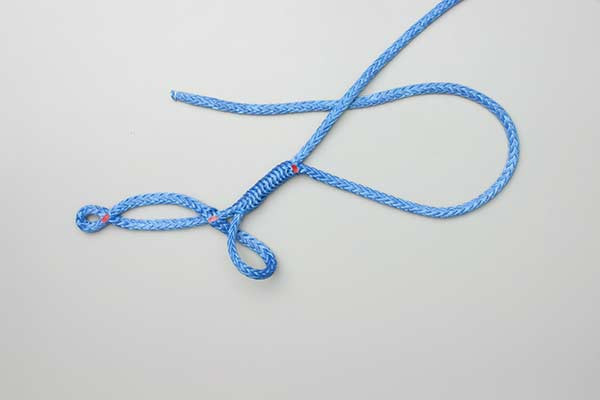
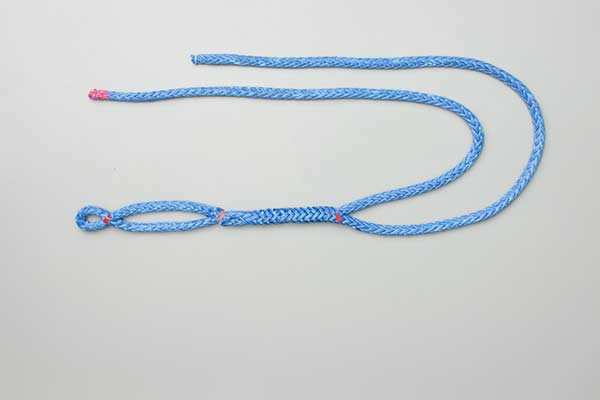
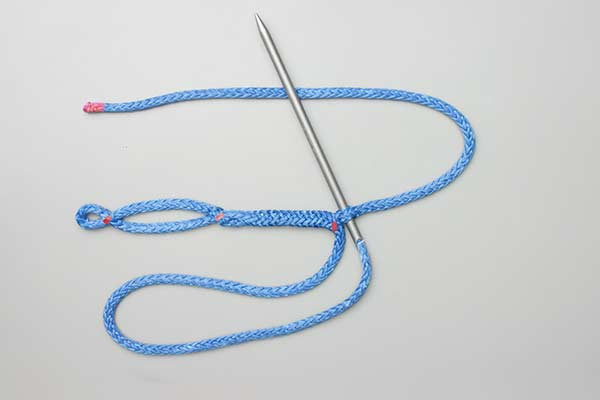
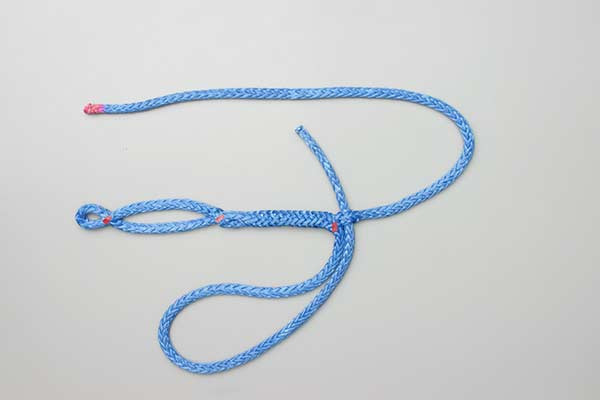
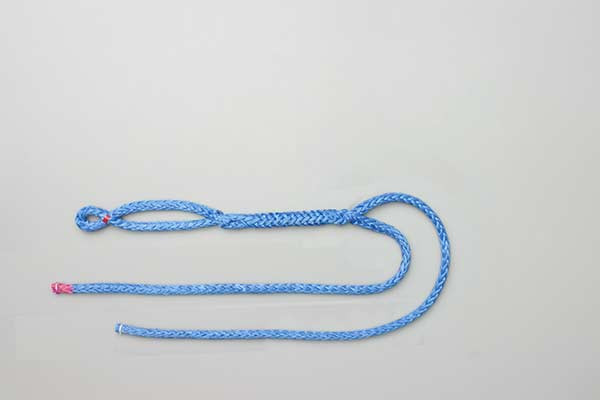
- Pass one end through the center and make two marks.
- Note: These marks define the "eye" or the loop size of your shackle.
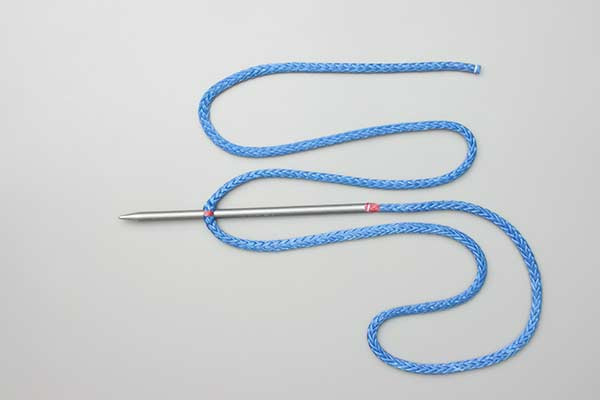
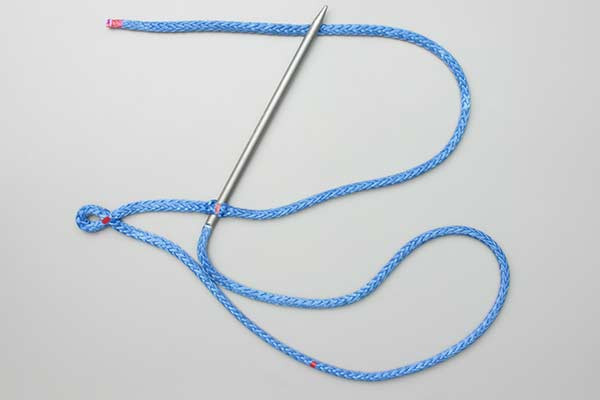
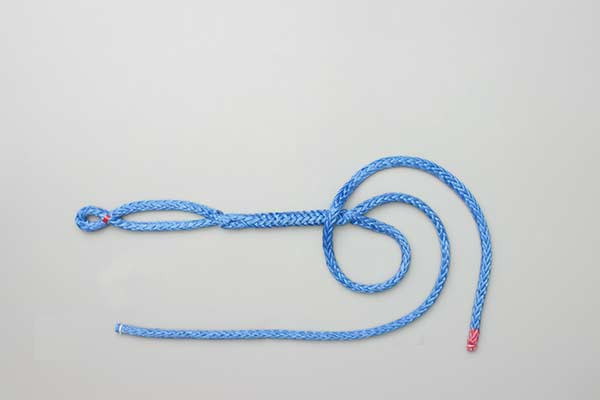
- Pass the long end through the short at the first mark.
- Tip: Use your fid to open the weave of the rope knots clearly so the long end passes through without snagging internal fibers.
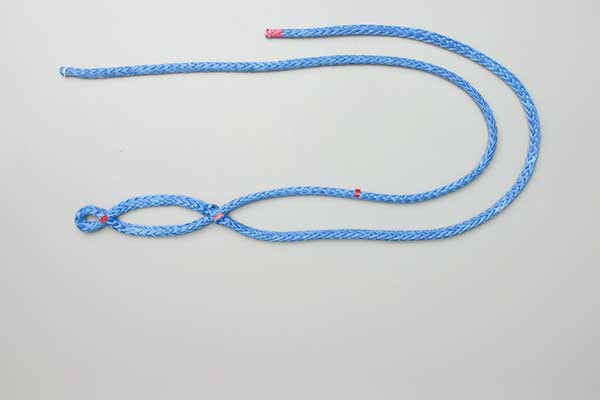
- Thread the short end along inside the long one to exit at the second mark and tighten.
- Focus: This creates the "bury," which utilizes friction to lock the rope in place under tension. This is a fundamental aspect of outdoor rope techniques.
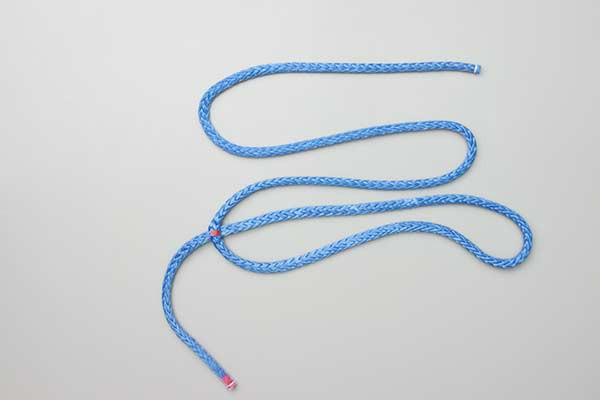
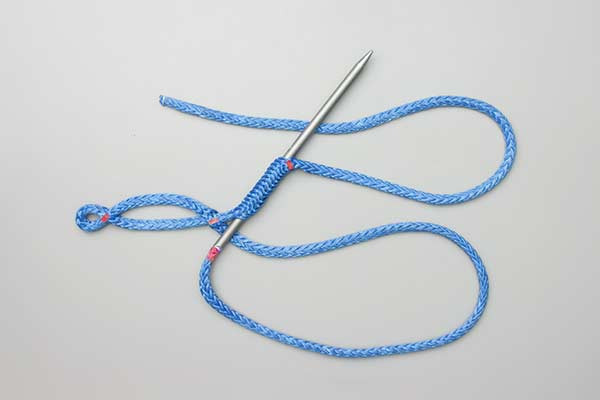
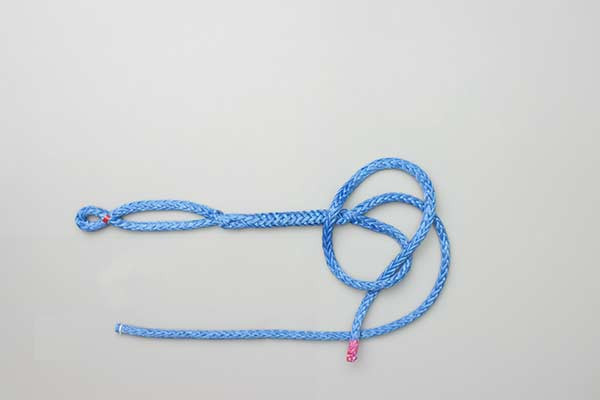
- Pass the long end through the short.
- Observation: This creates a locking "Brummel-style" pass that prevents the eye from opening when the shackle is not under load.
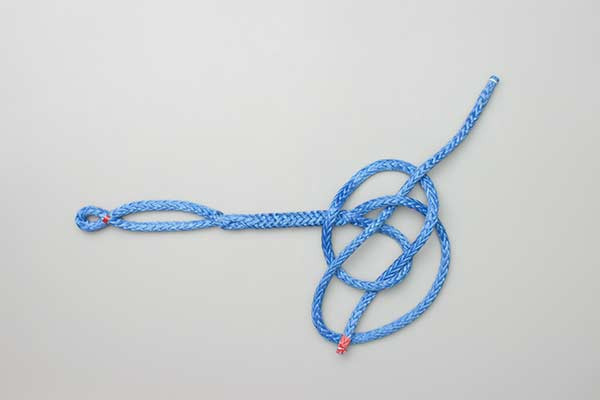
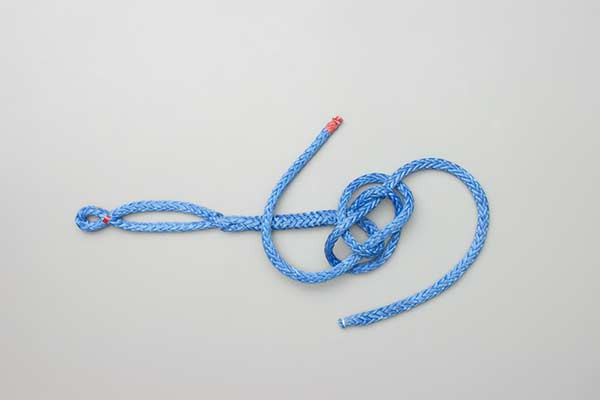
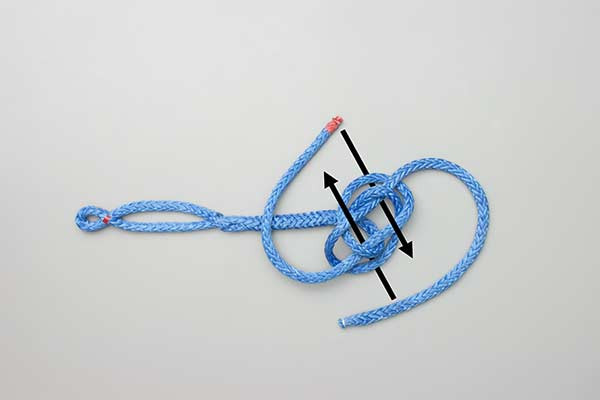
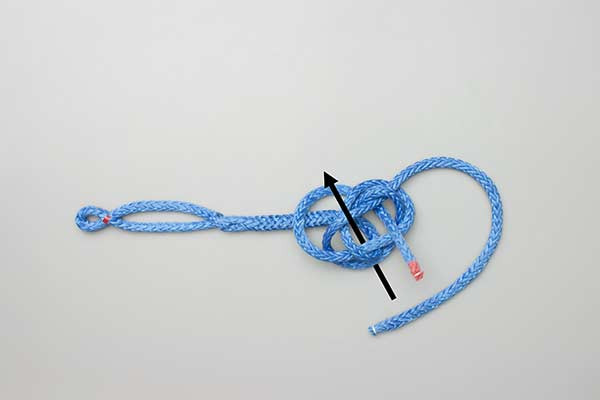
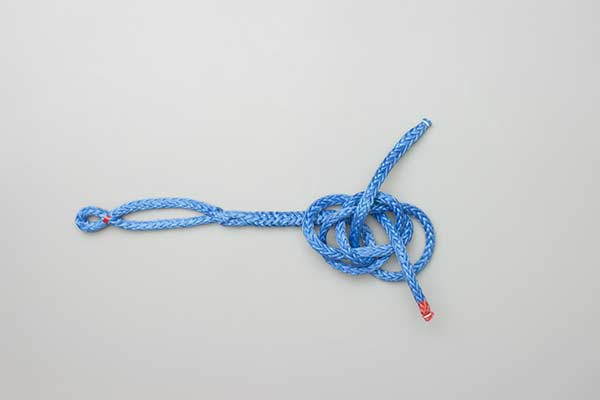
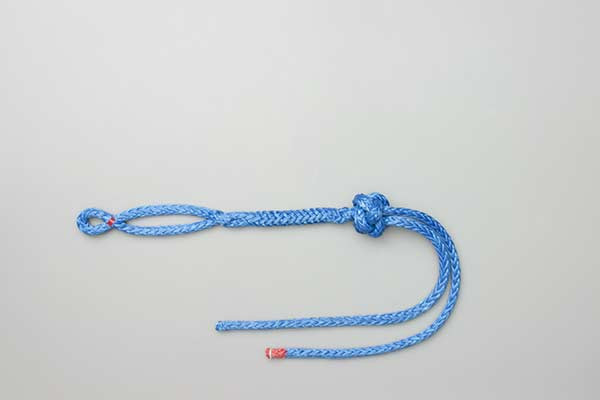
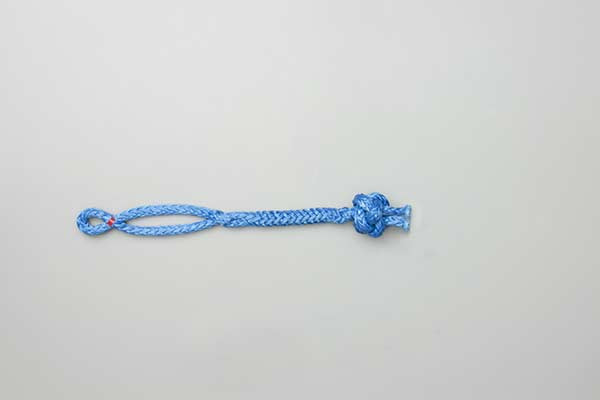
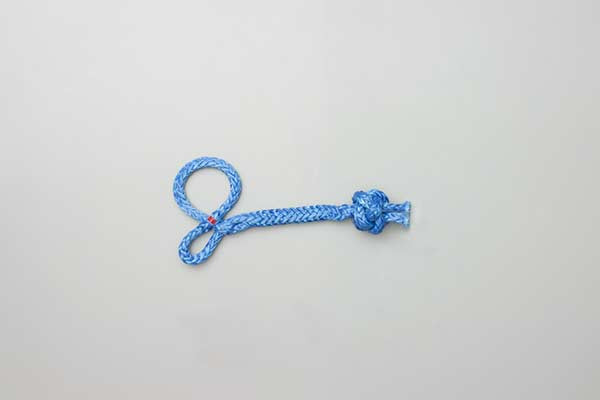
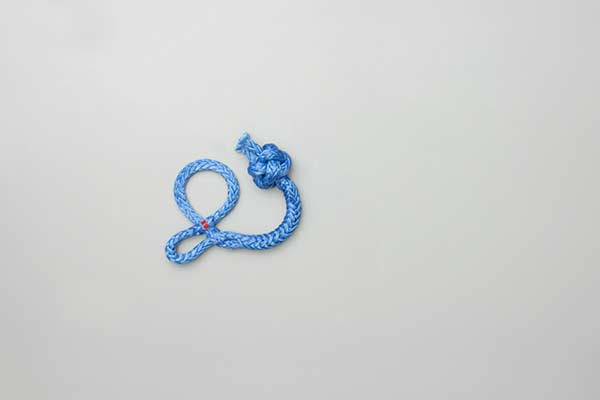
- Lay out the two ends to tie the Lanyard Knot.
- Action: The Lanyard Knot (often a Diamond Knot) acts as the stopper that prevents the loop from pulling through. Ensure this knot is dressed tightly and "set" using a winch or heavy manual tension.
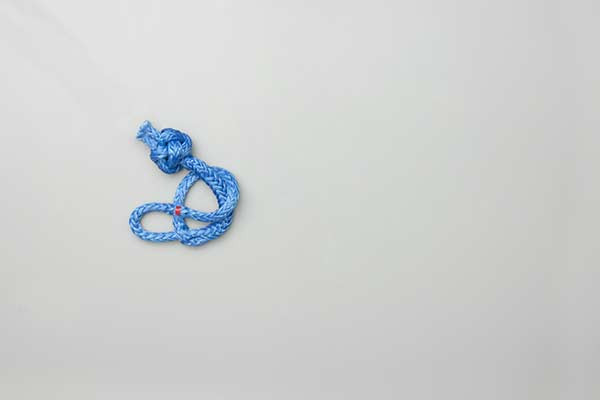
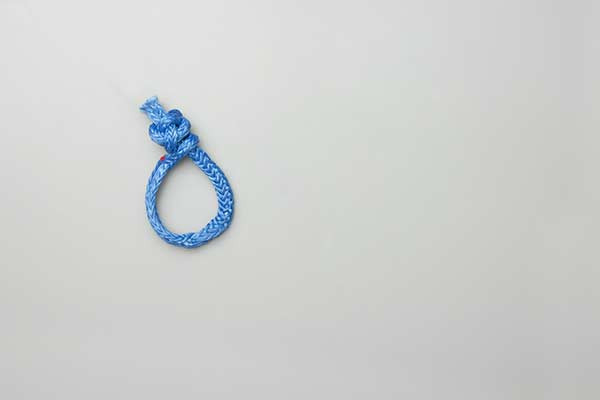
Common Mistakes to Avoid
Even experienced riggers can make errors when constructing a Soft Shackle Edwards knot. Safety is paramount when dealing with high-tension lines.
- Insufficient Bury Length: The "short end" must be buried deep enough into the "long end." A general rule is a bury length of 2 or 3 times the rope’s fid length (approx. 21x the diameter).
- Ignoring the Taper: If you do not taper the end of the rope before burying it, you create a "step" in the rope that causes a significant stress concentration, reducing the shackle’s strength.
- Using the Wrong Rope: Never attempt this with a rope that has a parallel core or a braided sheath over a core (kernmantle). It must be 12-strand hollow braid.
- Loose Stopper Knot: If the Lanyard Knot is not extremely tight, it can deform under heavy load and pull through the eye. Always pre-tension the knot before use.
- UV Damage and Abrasion: While Dyneema is resistant to many elements, always inspect your Soft Shackle Edwards for fuzzy fibers (abrasion) or discoloration (UV damage) before every use.
Related Knots and Splicing
Understanding the Soft Shackle Edwards is often a gateway to other advanced rope knots and splicing techniques used in technical rigging.
- The Diamond Knot: This is the most common "stopper" used in soft shackles. It provides a large, symmetrical footprint that prevents the eye from slipping.
- The Brummel Lock: A splicing technique where two ropes pass through each other; it is a permanent lock that does not require tension to stay secure.
- The Eye Splice: The foundational technique of hollow-braid rope, used to create a permanent loop at the end of a line without using a knot.
- Whoopie Sling: An adjustable loop that uses the same bury principle as the soft shackle, commonly used by arborists and hammock campers.
Final Words
The Soft Shackle Edwards is more than just a piece of cordage; it is a testament to how smart engineering can replace heavy hardware. By mastering the Soft Shackle Edwards knot, you gain the ability to create high-strength connectors that are safer, lighter, and more durable than their steel counterparts.
Remember that the strength of your shackle depends entirely on the quality of your splice and the tightness of your Lanyard Knot. Always practice these outdoor rope techniques with scrap rope before relying on them for critical loads. Whether you are securing a jib on a sailboat or recovering a stuck vehicle in the mud, the Edwards variation of the soft shackle is a reliable tool in any adventurer’s kit. Consistent practice and attention to detail will ensure your gear performs perfectly when the tension is on.
