
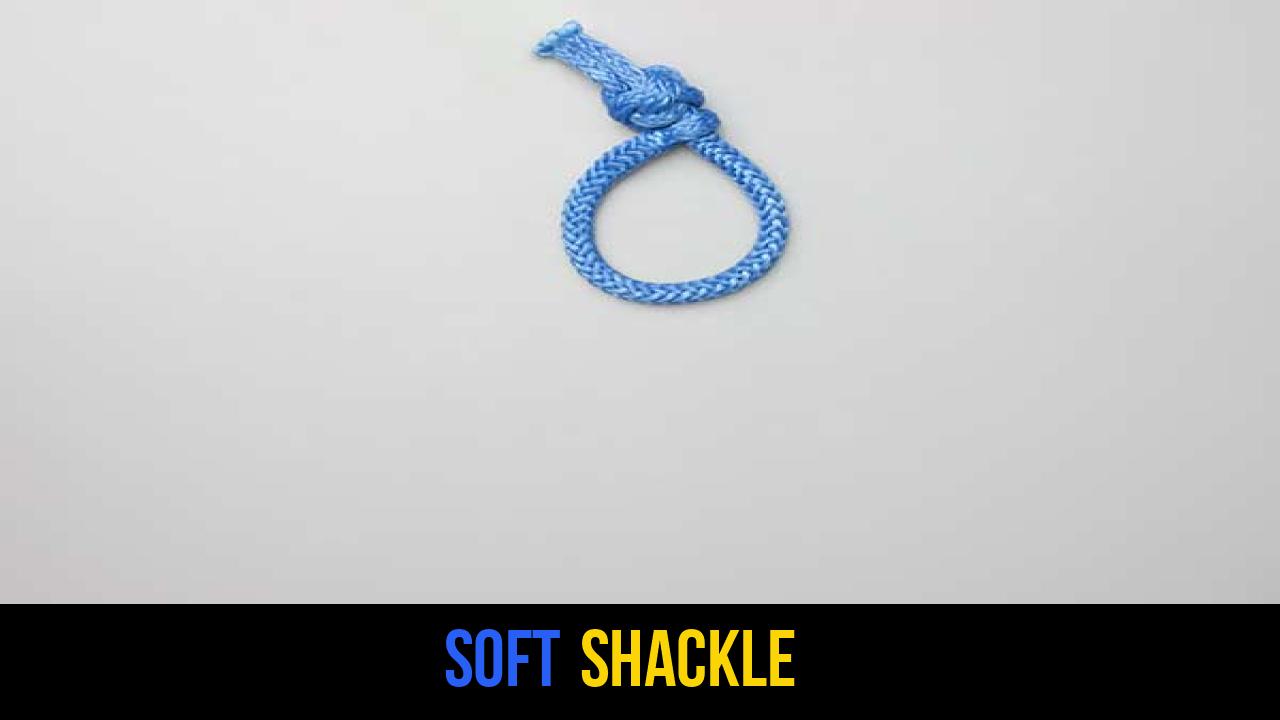
In the world of outdoor rope techniques, few innovations have revolutionized rigging and recovery as much as the Soft Shackle. Traditionally, heavy steel D-shackles or bow shackles were the industry standard for connecting lines. However, the advent of high-modulus polyethylene (HMPE) fibers—commonly known by brand names like Dyneema—gave birth to a lightweight, incredibly strong, and significantly safer alternative.
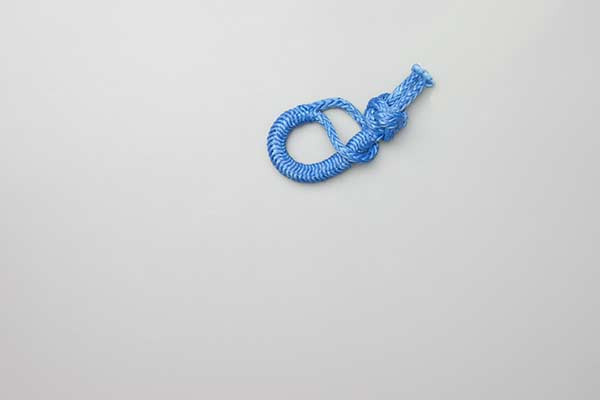
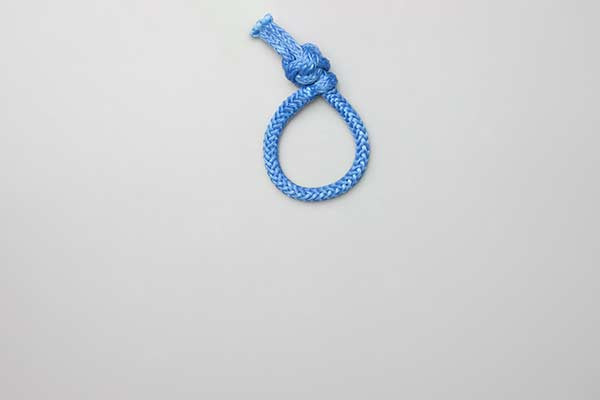
A Soft Shackle is essentially a loop of rope with a stopper knot at one end and an adjustable eye at the other. Despite its simple appearance, it relies on complex physics and high-tensile materials to perform under extreme loads. Whether you are an off-road enthusiast, a professional sailor, or an arborist, understanding how to construct and use this tool is a vital skill.
Alternative names for this tool include: Rope Shackle, Dyneema Shackle, Textile Shackle, Synthetic Shackle, and Spliced Shackle.
What Is a Soft Shackle?
A Soft Shackle is a high-strength connector made from high-performance synthetic fiber. Unlike its metal counterparts, it does not rust, it floats in water, and it carries a fraction of the weight. In the context of rope knots, it is less of a traditional knot and more of a splice—a method of joining or terminating rope by interweaving its strands.
Practical Uses and Applications
- Off-Road Recovery: Used to connect recovery straps to vehicles. If a soft shackle breaks under tension, it falls to the ground harmlessly, whereas a steel shackle can become a lethal projectile.
- Sailing and Marine: Ideal for attaching halyards to sails or connecting sheets. They are gentle on the deck and mast, preventing the “clanking” and scratching associated with metal.
- Arboriculture: Used in rigging systems for tree removal and climbing, providing a high strength-to-weight ratio for overhead work.
- Camping and General Utility: A versatile tool for hanging heavy gear or creating adjustable tensioning systems in the backcountry.
Materials and Tools Needed
To create a professional-grade Soft Shackle, you must use the correct materials. Using standard nylon or polyester rope is dangerous, as these materials stretch too much and lack the necessary tensile strength.
The Rope
- HMPE (Dyneema/AmSteel-Blue): You must use a 12-strand hollow braid rope. This structure allows one end of the rope to be passed through the center of the other, creating a mechanical lock.
- Diameter: Common sizes range from 3/16″ to 1/2″, depending on the intended load.
Necessary Tools
- Fid or Splicing Needle: A hollow tube or wire tool used to pull the rope through itself.
- Measuring Tape: Precision is key for ensuring the shackle is balanced.
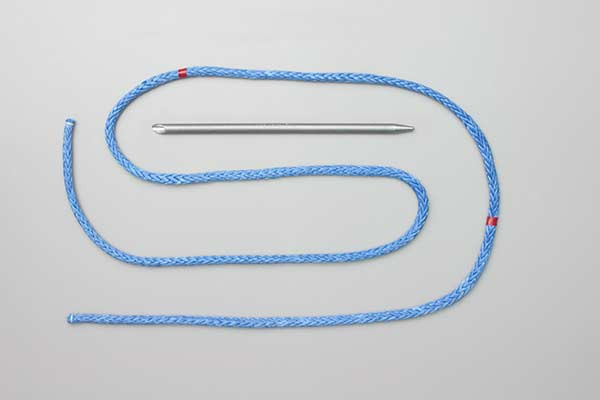
- Permanent Marker: For marking the “exit” and “entry” points on the rope.
- Sharp Scissors or Ceramic Knife: HMPE is notoriously difficult to cut; specialized blades are recommended.
How to Tie a Soft Shackle?
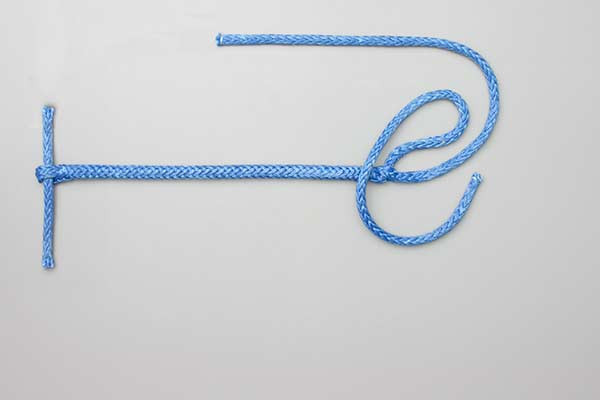
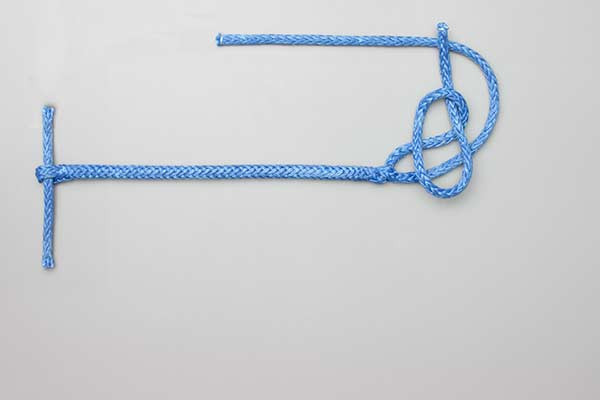
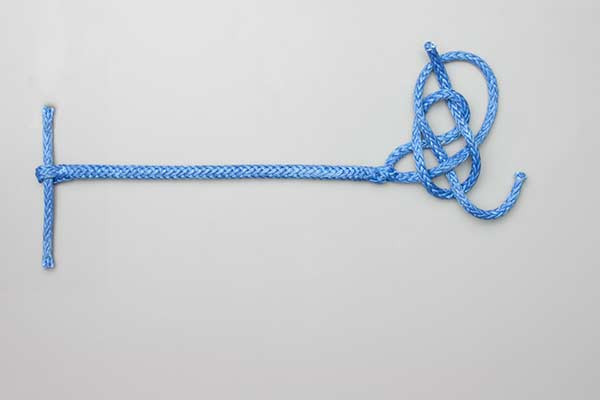
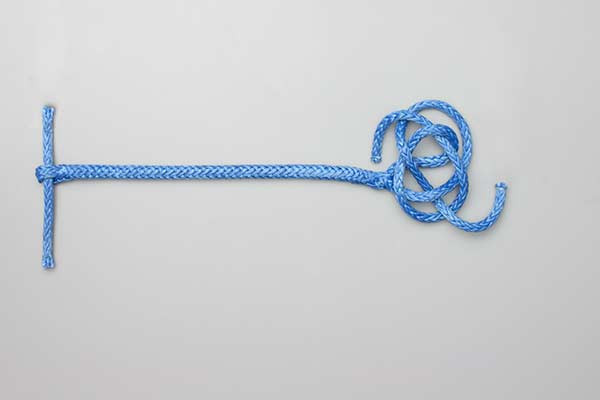
The following instructions detail the core splicing process required to form the body of the shackle. Please follow these steps precisely to ensure the integrity of the Soft Shackle knot.
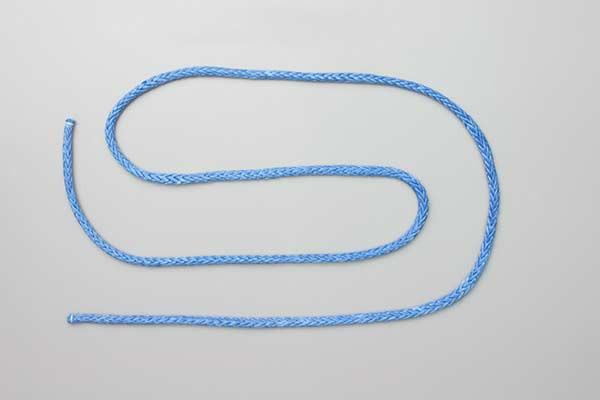
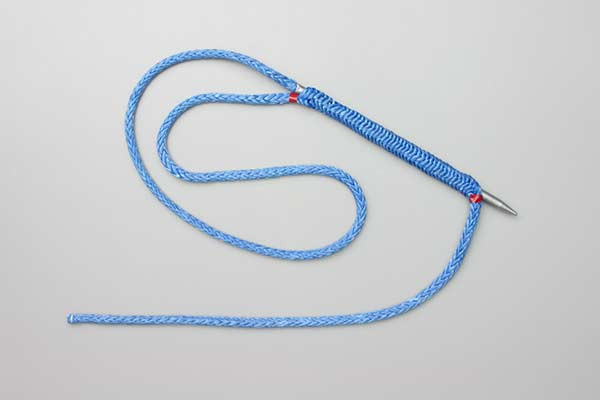
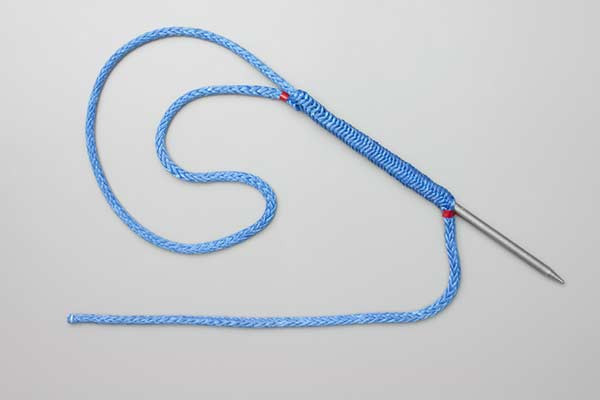
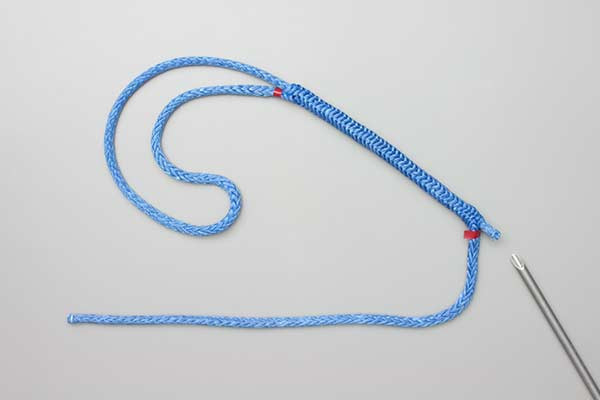
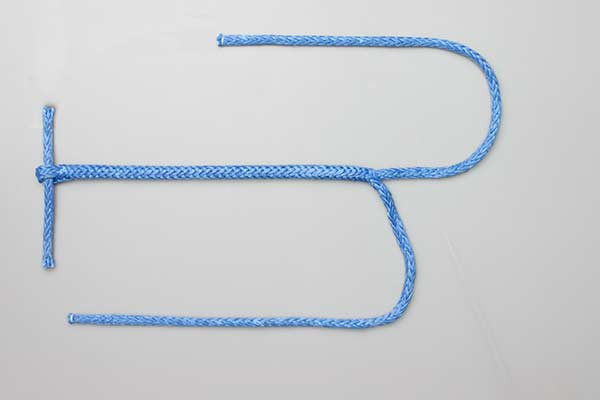
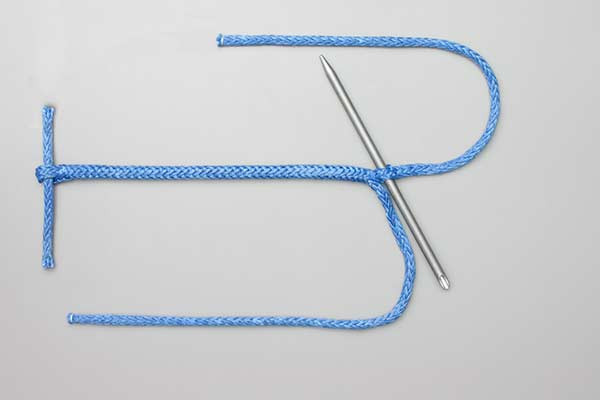
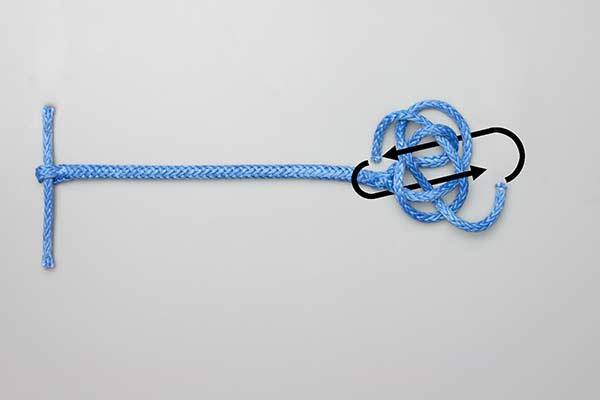
- Measure the rope and mark it.
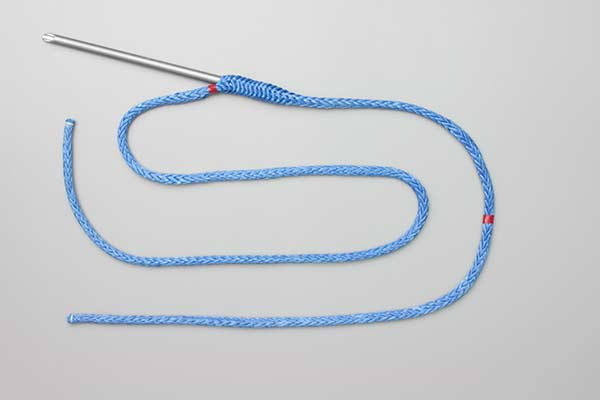
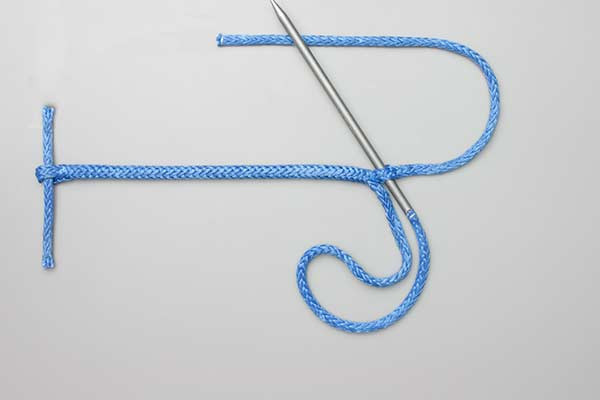
- From mark 2, pass the fid along inside the rope to exit at mark 1.
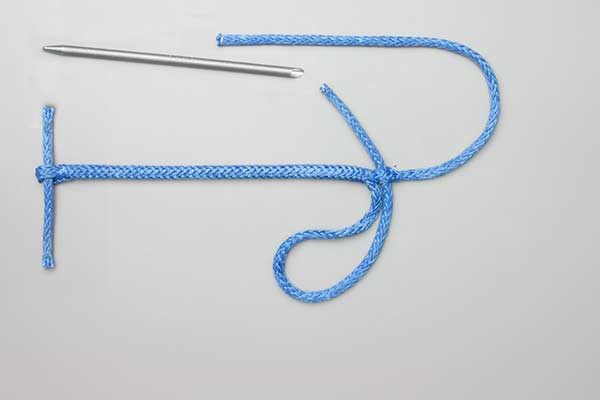
- Tighten the loop around a piece of rope.
- Pass the fid across the inner rope and pull the outer rope through.
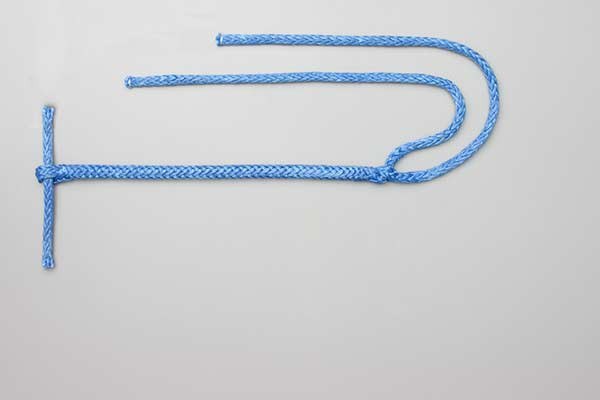
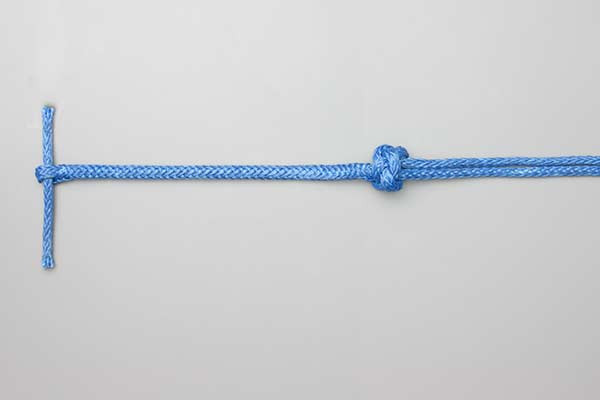
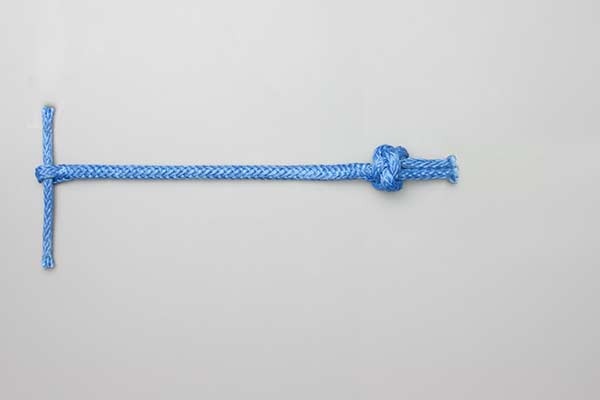
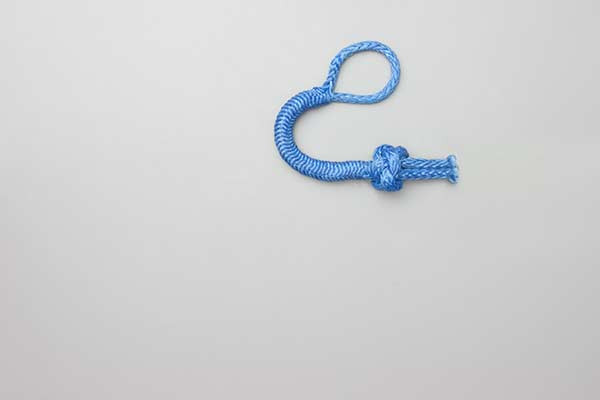
- Pull your work tight and make both tail ends the same length.
Note: After completing these steps, the practitioner typically finishes the shackle by tying a high-security stopper knot, such as a Diamond Knot or Button Knot, using the two tail ends.
Common Mistakes to Avoid
When working with outdoor rope techniques, the margin for error is slim. Even a high-quality rope can fail if the splice is executed poorly.
- Using the Wrong Rope: Never use “twisted” rope or 3-strand rope for a soft shackle. Only 12-strand hollow braid is suitable for this specific splicing technique.
- Insufficient Tail Length: If the tails used for the final stopper knot are too short, the knot can “capsize” or pull through under heavy load.
- Ignoring the “Set”: Once the shackle is finished, it must be “set” or pre-stretched. Failure to pull the splice tight before use can result in the shackle elongating unexpectedly during a recovery.
- Sharp Edges: While the shackle itself is soft, if you connect it to a metal recovery point with burrs or sharp edges, the synthetic fibers will cut and fail. Always ensure the attachment point is smooth.
Related Knots and Splicing
To further your mastery of rope knots, it is helpful to understand the knots that complement or serve as alternatives to the soft shackle.
- The Diamond Knot (Stopper Knot): This is the most critical knot used to finish a soft shackle. It creates a large, bulbous “button” that prevents the loop from sliding off.
- The Brummel Splice: A method of creating a permanent, non-adjustable eye in a hollow braid rope. It is often used in conjunction with shackle construction.
- The Bowline: A classic knot that creates a fixed loop. While not a splice, it is often compared to the soft shackle for its utility in creating secure loops in various rope types.
- The Button Knot: A more complex version of the stopper knot that provides a larger surface area, ensuring the shackle remains secure under extreme vibrations.
Why Choose Soft Shackles Over Steel?
In the context of professional outdoor rope techniques, the shift toward synthetic materials is driven by safety.
Weight and Buoyancy
A steel shackle can weigh several pounds. A soft shackle of equivalent strength weighs only a few ounces. In marine environments, if a steel shackle drops overboard, it is lost. A soft shackle will float on the surface, allowing for easy retrieval.
Kinetic Energy and Safety
The primary danger in vehicle recovery is the “slingshot” effect. If a steel component fails, the stored kinetic energy in the rope hurls the metal piece at high speeds. Because the soft shackle is made of the same material as the recovery rope, it has very little mass and loses energy quickly if a break occurs, significantly reducing the risk of injury or death.
Flexibility
Soft shackles can be threaded through tight spaces where a rigid metal shackle simply cannot fit. This makes them invaluable for complex rigging scenarios in arboriculture and technical rescue.
Final Words
The Soft Shackle represents the perfect marriage of traditional knot-tying wisdom and modern material science. By mastering this Soft Shackle knot and the associated splicing techniques, you equip yourself with a tool that is lighter, stronger, and safer than traditional hardware.
Whether you are preparing for a cross-country off-road expedition or simply upgrading your sailing kit, the ability to create your own soft shackles is an invaluable part of your repertoire of rope knots. Always remember to inspect your gear before use, looking for signs of abrasion or UV damage, and ensure your splices are pulled tight and “set” before subjecting them to a load. With the right care and technique, the soft shackle will become one of the most trusted tools in your outdoor gear collection.
