
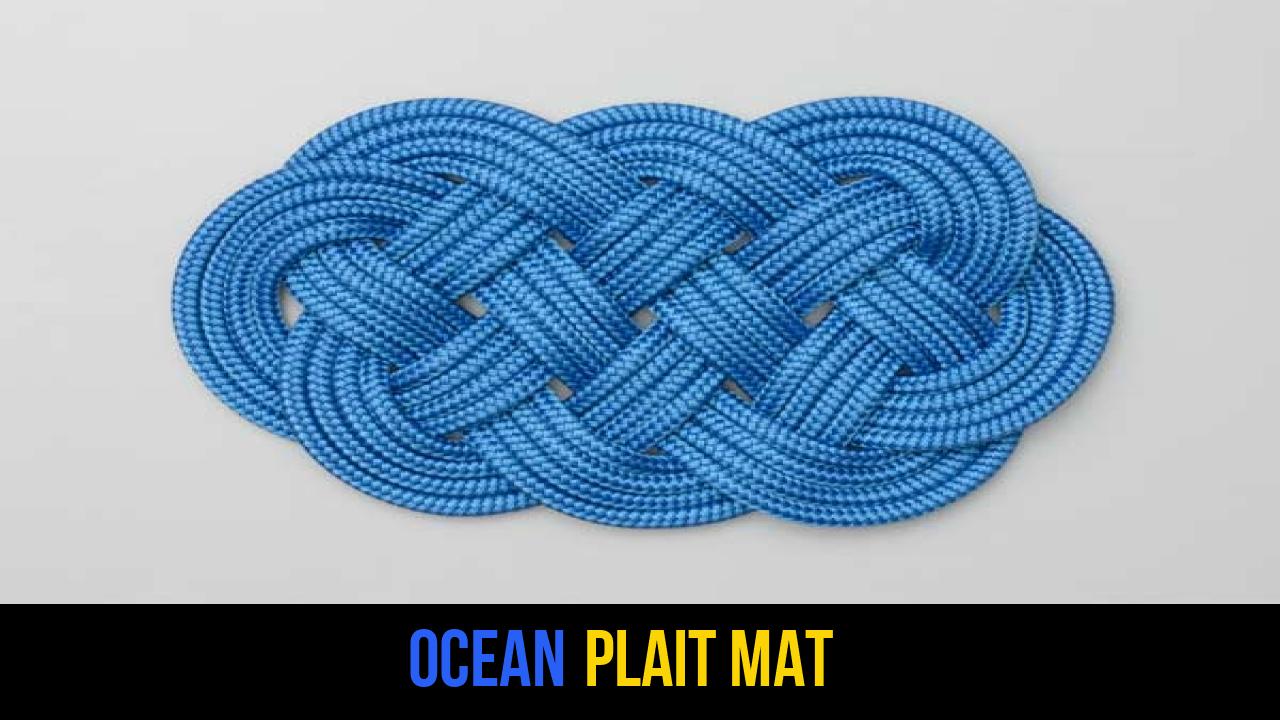
In the world of maritime tradition and outdoor rope techniques, few structures are as visually arresting and historically significant as the Ocean Plait Mat. For centuries, sailors aboard tall ships utilized their downtime—often referred to as "dog watches"—to master the art of decorative ropework. The Ocean Plait Mat knot is a prime example of "fancy work," a category of knotting that transforms functional cordage into intricate, durable patterns.
Whether you are a modern sailor looking to protect your fiberglass deck or a home enthusiast seeking a rugged, nautical aesthetic for your entryway, mastering this mat is a rite of passage. It represents a perfect intersection of geometry and utility. This guide provides a technical deep dive into the construction of this classic piece of knotwork, ensuring that both beginners and professionals can achieve a high-quality finish.
Alternative names for this pattern include: Ocean Plait, Napoleon’s Garter, and the Thump Mat.
What Is an Ocean Plait Mat?
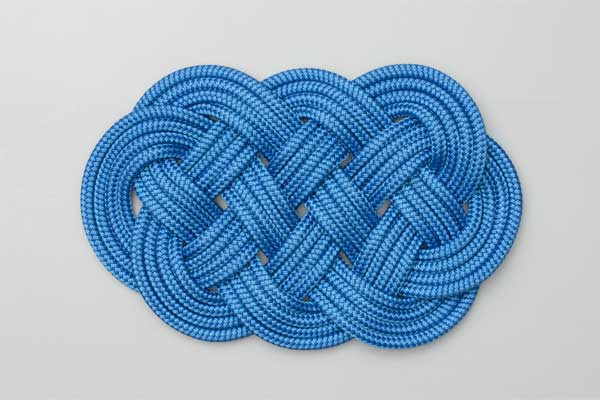
An Ocean Plait Mat is a flat, elongated decorative mat woven from a single continuous strand of rope. Historically, its primary function was practical rather than purely aesthetic. On sailing vessels, these were known as "thump mats." They were strategically placed on the deck beneath heavy blocks (pulleys) or where rigging would frequently strike the wood. The mat acted as a shock absorber, preventing the heavy hardware from "thumping" and damaging the expensive teak or pine decking.
Practical Uses Today
In the modern era, the Ocean Plait Mat has transitioned from the high seas to various land-based applications:
- Marine Protection: Still used on yachts to prevent scuffing from hardware or to provide a non-slip surface near boarding areas.
- Outdoor Gear Maintenance: Utilizing outdoor rope techniques to create durable pads for camping equipment or heavy tool storage.
- Home Decor: Serving as high-traffic doormats, trivets for hot cookware, or wall-mounted nautical art.
- Workshops: Creating vibration-dampening pads for heavy machinery or anvils.
The beauty of the Ocean Plait lies in its symmetry. Because it is a "plait," the rope weaves over and under itself in a consistent rhythm, creating a thick, cushioned surface that can withstand immense pressure and abrasion.
Materials and Tools Needed
To create a professional-grade Ocean Plait Mat, selecting the right material is paramount. The thickness of your rope will determine the final dimensions of the mat, while the material type will dictate its longevity and feel.
Rope Selection
- Manila Rope: The traditional choice. It is natural, provides excellent grip, and has a classic "salty" look. However, it can be rough on the hands.
- Cotton Cord: Best for indoor use, such as trivets or decorative wall hangings. It is soft and easy to manipulate.
- Synthetic (Polypropylene or Nylon): Ideal for modern outdoor rope techniques. These materials resist rot, mildew, and UV damage, making them perfect for outdoor mats.
- Paracord: Used for "miniature" versions of the mat, such as coasters or zipper pulls.
Essential Tools
- The Rope: For a standard-sized mat, you will typically need 10 to 15 times the desired length of the finished mat.
- A Flat Surface: Unlike many rope knots tied in the air, a mat must be laid out on a table or floor to maintain its shape.
- Masking Tape: Used to prevent the ends of the rope from fraying during the weaving process.
- A Fid or Marlinspike: A tapered tool used to open the "lays" of the rope, making it easier to thread the ends through tight gaps.
- Needle and Whipping Twine: For the final step of securing the ends.
How to Tie Ocean Plait Mat?
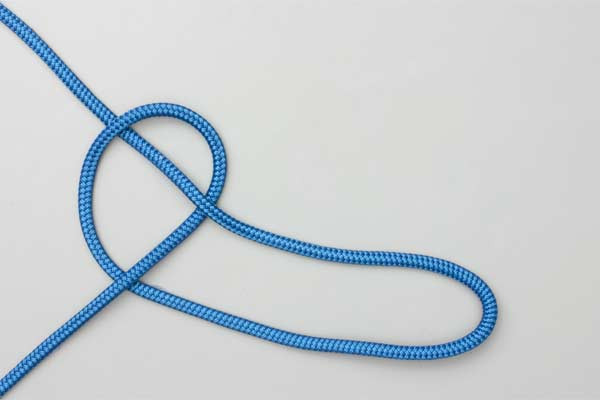
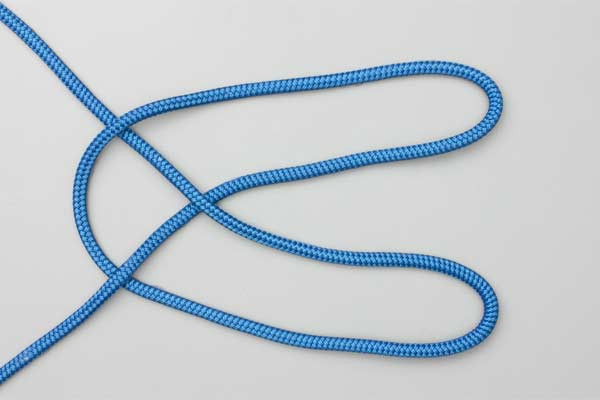
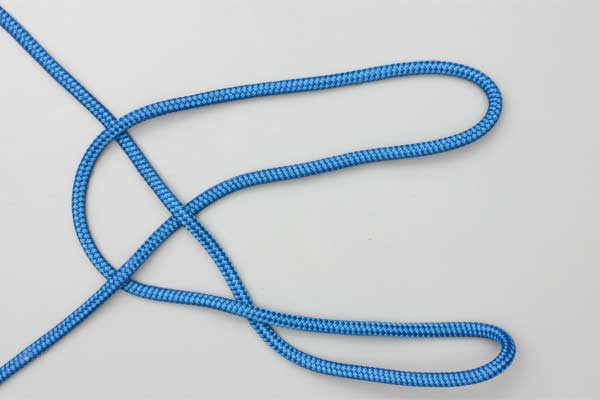
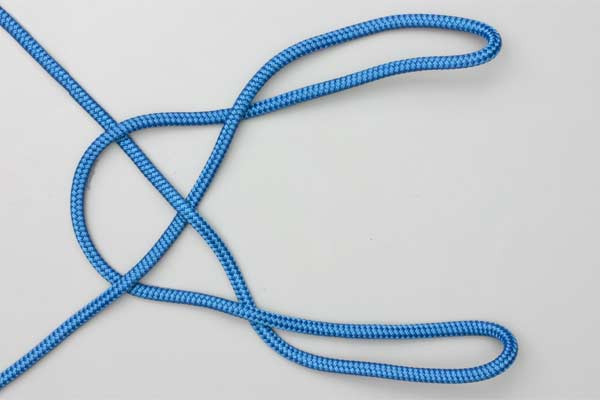
To ensure the structural integrity of the mat, follow these steps precisely. The Ocean Plait Mat requires patience and a keen eye for the over-under rhythm.
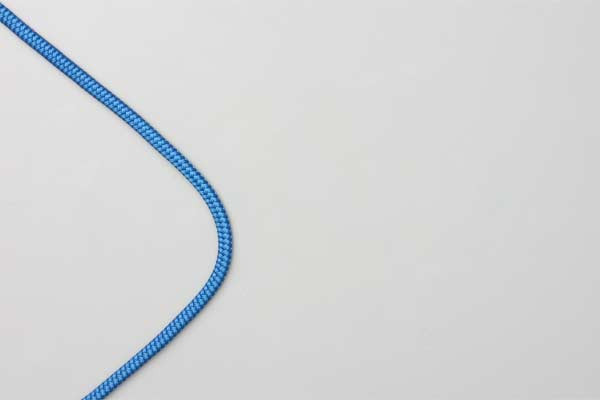
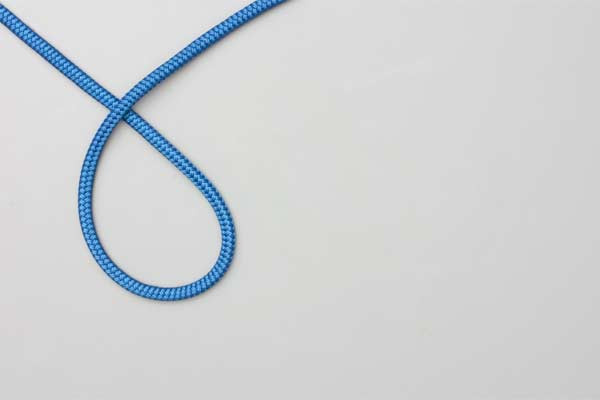
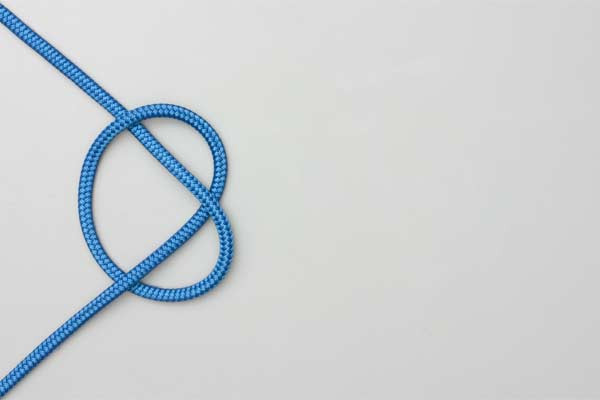
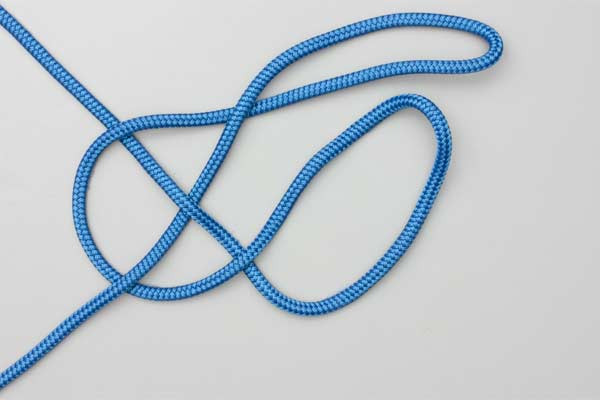
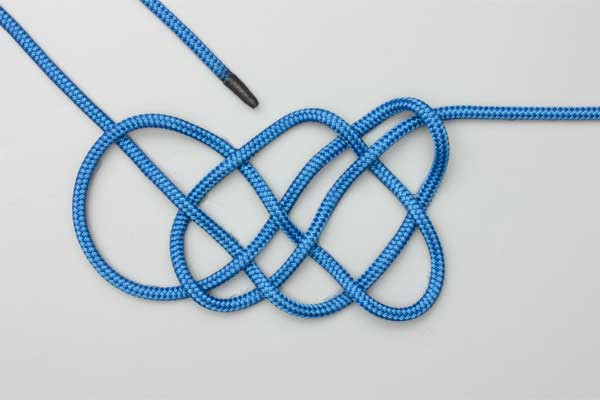
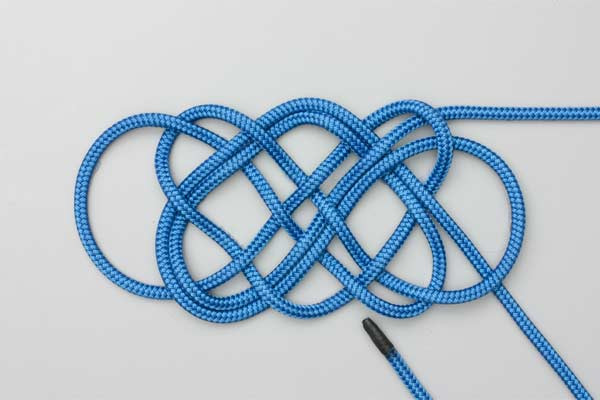
- Tie an Overhand knot with long loops.
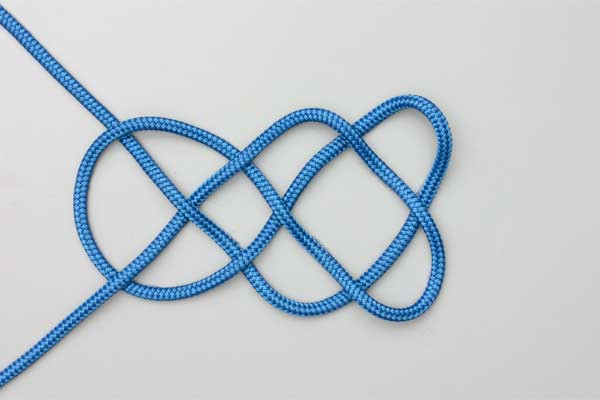
- Twist each loop and cross them over each other.
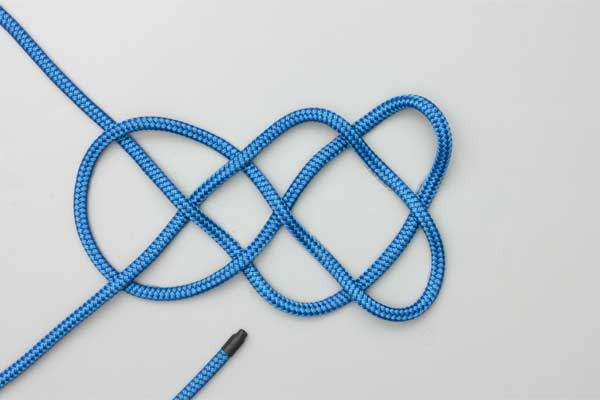
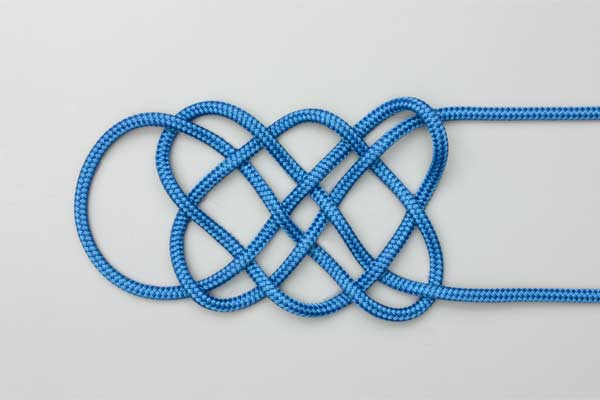
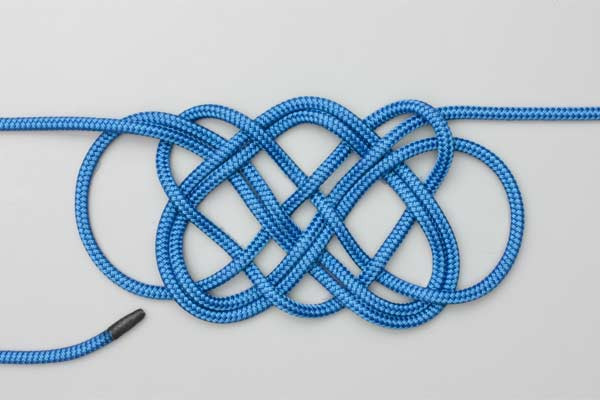
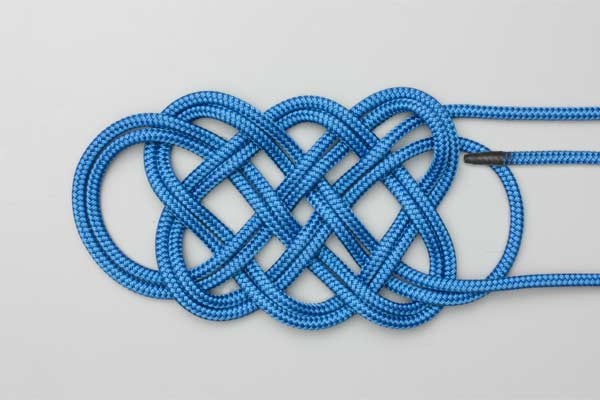
- Thread the short end across the knot and thread the long end to lock the pattern.
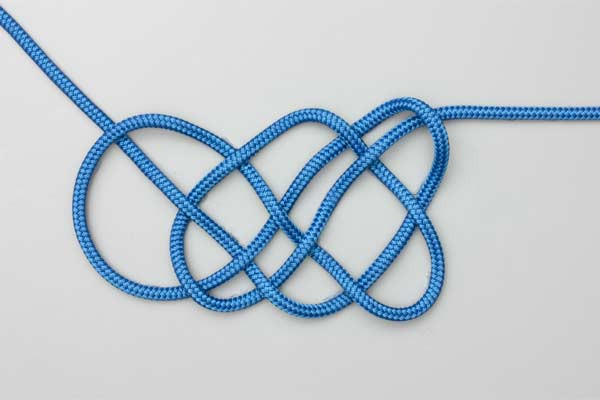
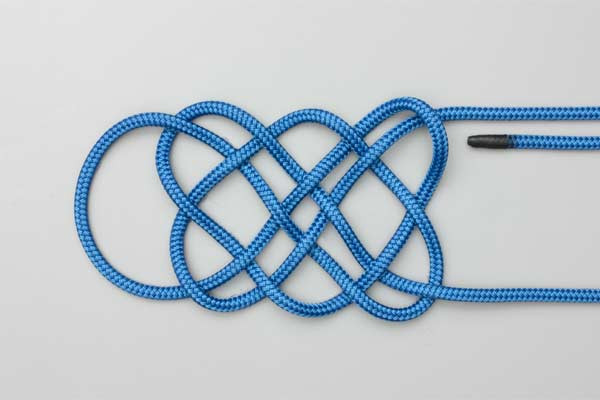
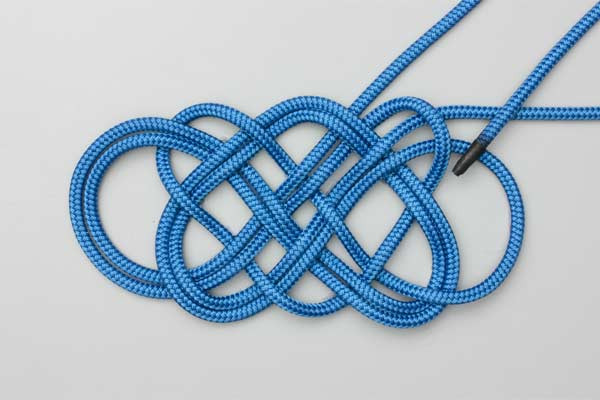
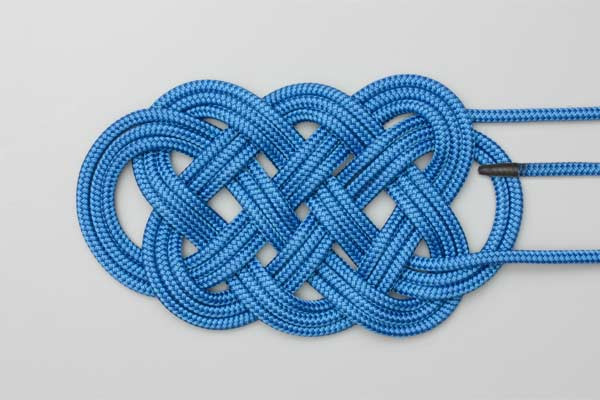
- With the long end follow the pattern around.
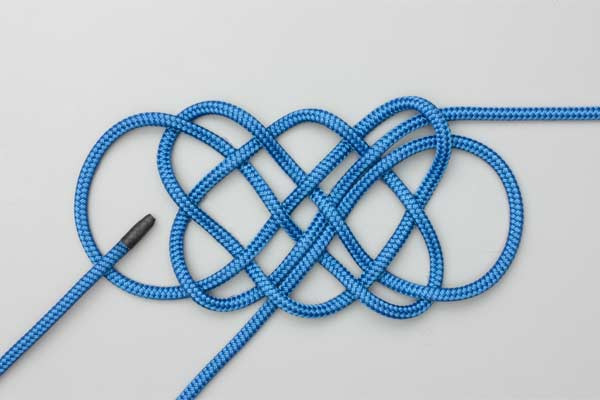
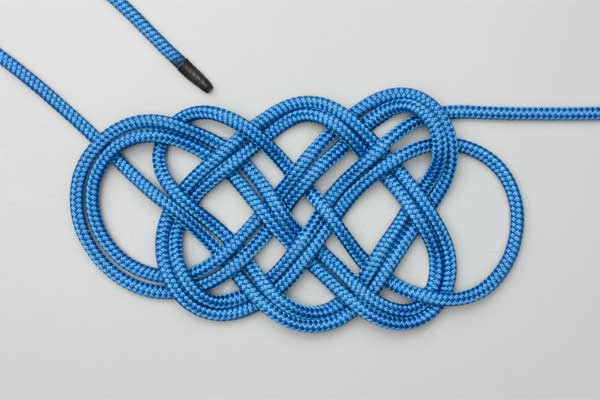
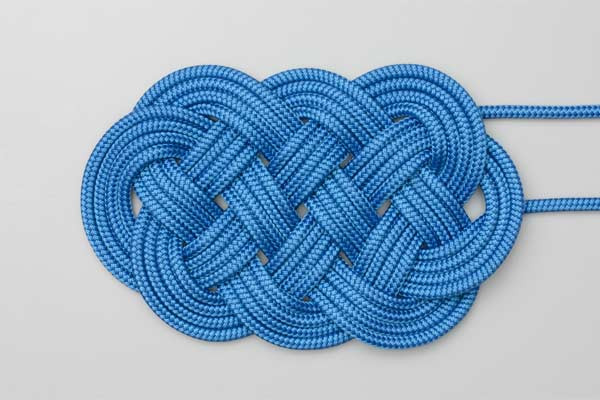
- Repeat with a third, and a fourth, turn.
- Cut the ends and stitch them under the mat.
Common Mistakes to Avoid
Even seasoned experts in rope knots can encounter difficulties with the Ocean Plait Mat. Avoiding these common pitfalls will ensure your mat is symmetrical and flat.
1. Uneven Tension
The most frequent error is pulling the rope too tight during the first "pass" or "turn." If the initial skeleton of the mat is too tight, you will not have enough space to complete the third and fourth turns. Keep the first pass loose and adjust the tension only after all turns are completed.
2. Losing the "Over-Under" Sequence
The Ocean Plait Mat is a weave. If you accidentally go "over-over" or "under-under," the pattern will fail, and the mat will lose its structural integrity. Always double-check each crossing as you "follow the pattern around."
3. Miscalculating Rope Length
Running out of rope on the fourth turn is a frustrating experience. Always over-estimate. For a standard 3-strand rope of 1/2 inch diameter, a 50-foot length is a safe starting point for a medium mat.
4. Failure to Secure the Ends
Because the mat is subject to foot traffic or movement, simply tucking the ends is insufficient. Failure to stitch them under the mat will eventually lead to the knot unraveling. Use a "seizing" or "whipping" technique with heavy-duty thread for a professional finish.
Related Knots and Splicing
Expanding your knowledge of outdoor rope techniques involves understanding how the Ocean Plait Mat relates to other decorative and functional knots.
- Turk’s Head Knot: A cylindrical decorative knot often used to wrap grab rails or create neckerchief slides. It shares the same "following the lead" logic as the Ocean Plait.
- Carrick Bend Mat: A square-shaped mat based on the Carrick Bend knot. It is more compact than the Ocean Plait and excellent for heavy-duty "thump" protection.
- Monkey’s Fist: A spherical knot used as a weight at the end of a heaving line. It utilizes multiple turns similar to the "third and fourth turn" process in mat making.
- Common Whipping: A method of binding the end of a rope with twine. This is the technical skill required to finish the Ocean Plait Mat ends securely.
Final Words
The Ocean Plait Mat is more than just a decorative item; it is a testament to the ingenuity of maritime history and the sophistication of outdoor rope techniques. By mastering the Ocean Plait Mat knot, you are not only creating a functional tool for deck protection or home decor but also preserving a craft that has spanned centuries.
Remember that the key to a perfect mat lies in the "dressing"—the process of straightening the loops and evening out the tension once the weaving is complete. Whether you are using rugged Manila for a workshop or soft cotton for a nautical-themed living room, the Ocean Plait Mat remains one of the most rewarding projects in the world of ropework. Practice the steps, mind your tension, and enjoy the meditative process of following the pattern to completion.
