
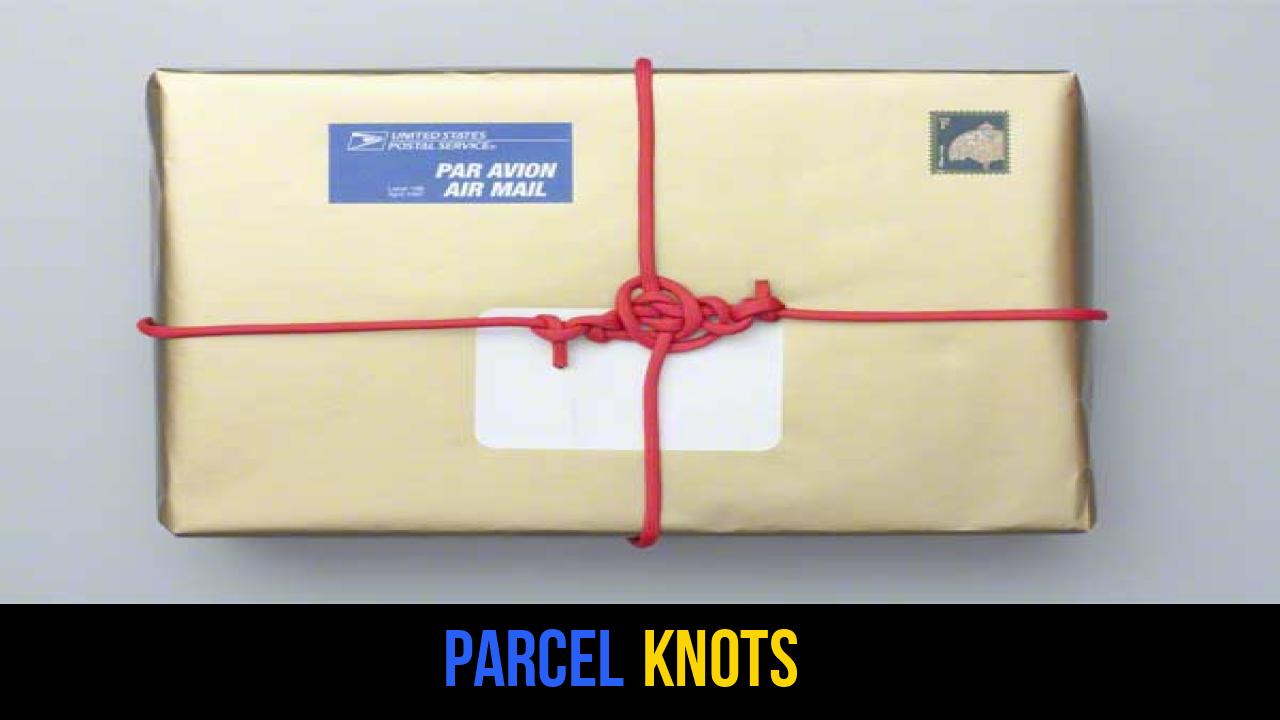
In an era dominated by adhesive plastic tapes and synthetic shrink wraps, the traditional art of securing items with cordage often feels like a forgotten craft. However, for the outdoor enthusiast, the survivalist, or the professional rigger, mastering rope knots remains a foundational skill. Among the most practical of these is the Parcel Knots system—a reliable, tension-based method for bundling items together securely.
Whether you are preparing a package for shipping, bundling firewood in the backcountry, or organizing gear for a long expedition, understanding how to apply Parcel Knots ensures your load remains stable and compact. Unlike tape, which can lose its adhesive properties in extreme cold or wet conditions, a properly tied knot relies on mechanical friction and tension, making it a superior choice for various outdoor rope techniques.
This guide provides a deep dive into the history, utility, and technical application of this essential binding knot.
Alternative Names: Package Knot, Bundle Knot, Postman’s Hitch, Stationer’s Knot.
What Is a Parcel Knot?
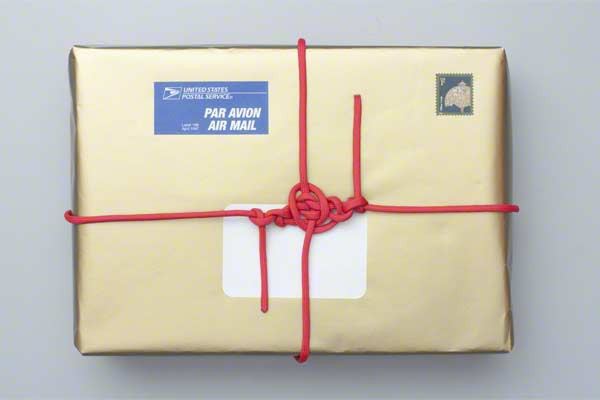
The Parcel Knots is a category of binding knots designed specifically to exert constant pressure on a bundle or package. Its primary function is to "constrict" the object it surrounds, ensuring that the contents do not shift during transport. Historically, this knot was the gold standard for postal workers and merchants before the invention of modern packaging materials.
Practical Applications
While its name suggests it is only for mailing boxes, the Parcel Knots is highly versatile:
- Bushcraft and Camping: Securing bundles of kindling or lashing sleeping mats to a rucksack.
- Logistics: Keeping loose items together on a pallet or in a truck bed.
- Home Organization: Bundling old newspapers, magazines, or lumber for storage.
- Survival Situations: Creating emergency stretchers or securing thatch for a primitive shelter.
The beauty of the Parcel Knots lies in its ability to be tightened progressively. By using a sliding element (the noose) as the foundation, the tier can remove all slack from the line before finalizing the security with hitches.
Materials and Tools Needed
To achieve a professional-grade Parcel Knots, selecting the right cordage is critical. The efficiency of rope knots often depends on the "bite" or friction of the material used.
1. Rope Types
- Natural Fibers (Jute, Sisal, Cotton): These are traditional favorites for parcel tying. The rough texture provides excellent friction, preventing the knot from slipping once tightened.
- Paracord (550 Cord): A staple in outdoor rope techniques. While slightly more elastic, its strength-to-weight ratio is unmatched for heavy-duty bundles.
- Bank Line (Tarred Nylon): Highly recommended for outdoor use. The tar coating adds grip and weather resistance, making it ideal for permanent or semi-permanent bundles.
2. Essential Tools
- Cutting Tool: A sharp knife or specialized rope cutter to trim the ends.
- Gloves: When tightening thin cordage under high tension, gloves prevent "rope burn" on the palms.
- The Load: Ensure the item being tied is compressed as much as possible before starting the knot to prevent later loosening.
How to Tie Parcel Knots?
Tying a Parcel Knots requires a systematic approach to ensure the tension is distributed evenly across all faces of the package. Follow these steps precisely to achieve a professional result.
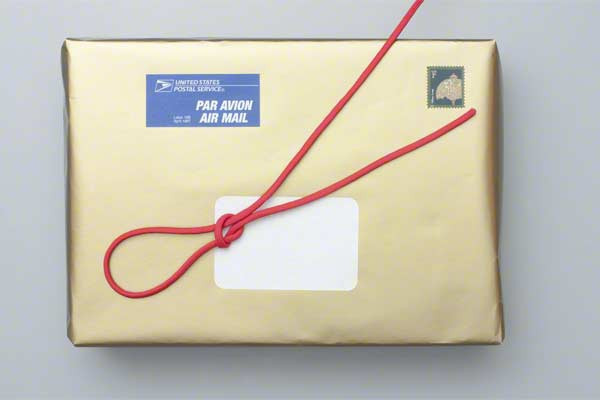
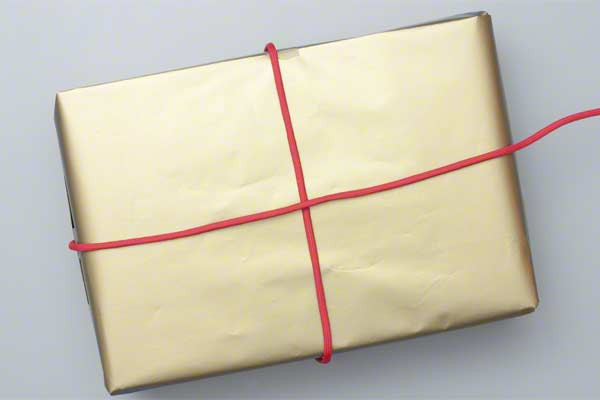
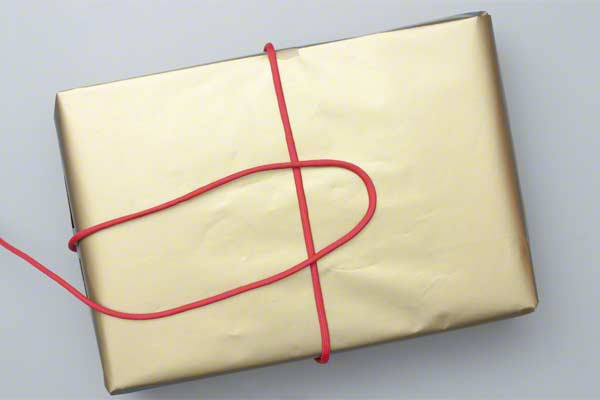
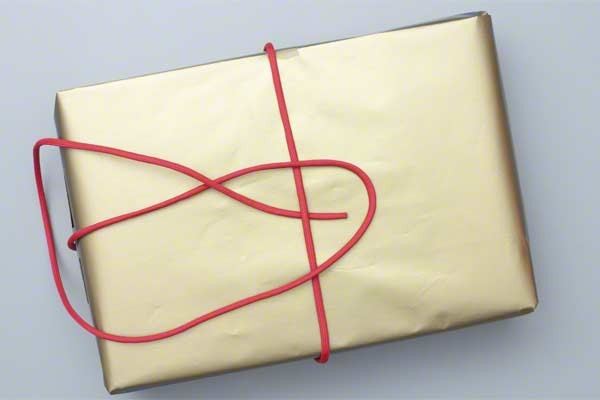
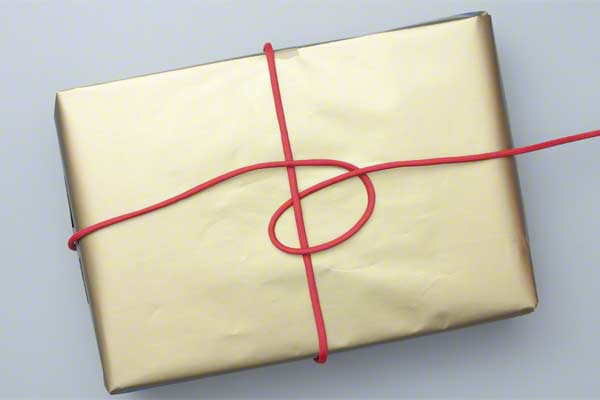
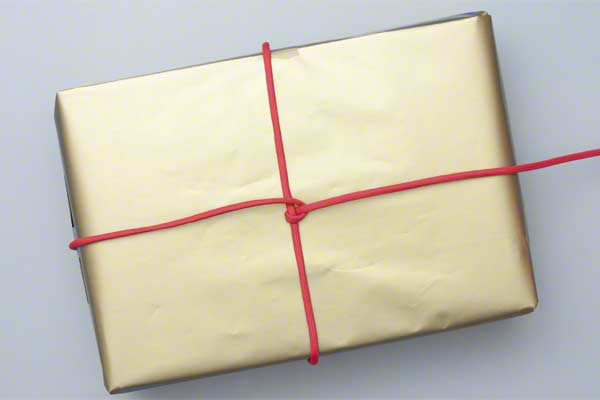
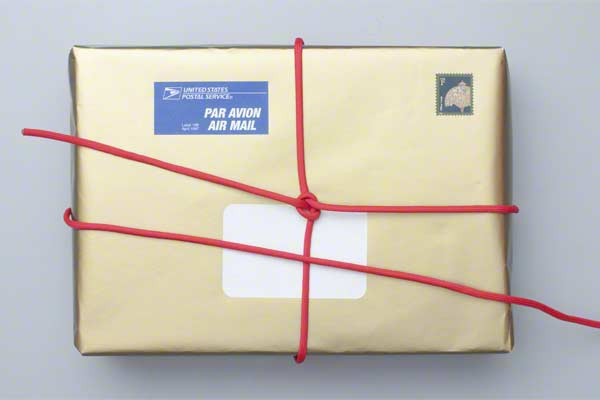
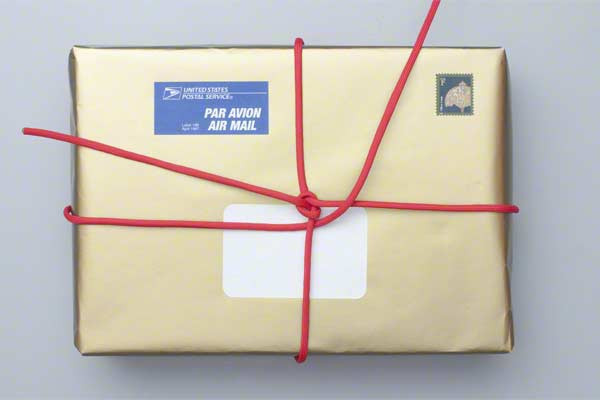
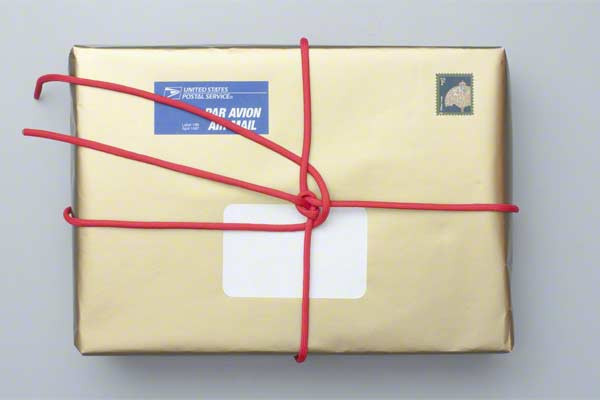
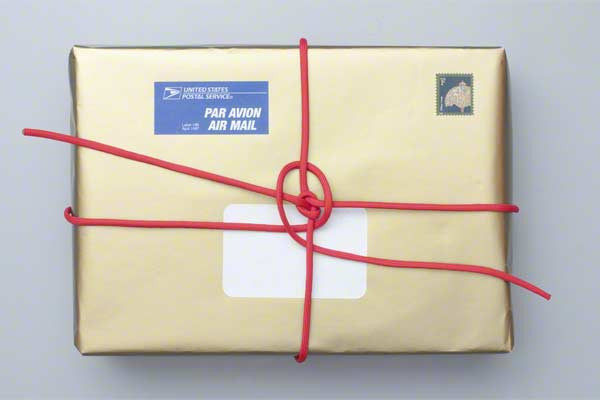
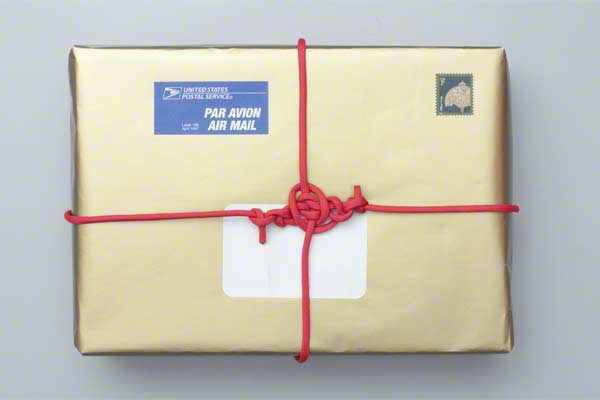
- Pass the loop of a Noose Knot around the package and tighten it.
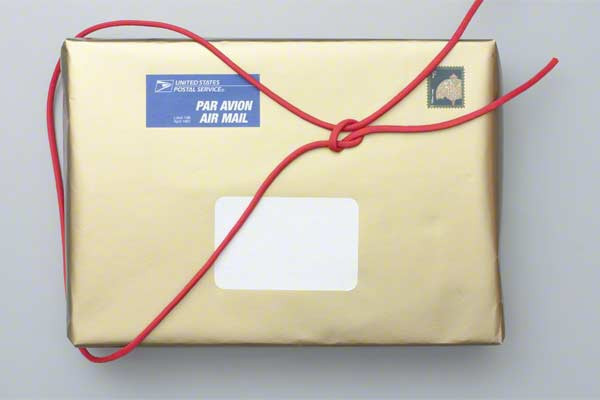
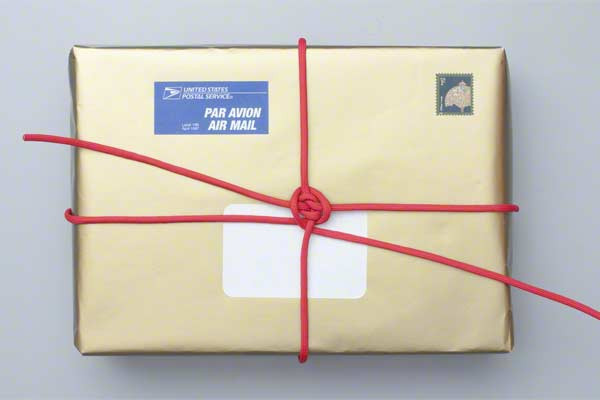
- On the bottom, form a loop and pass the end under the noose and over the loop.
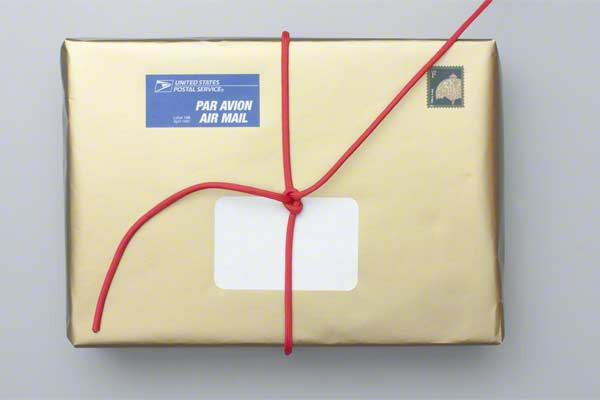
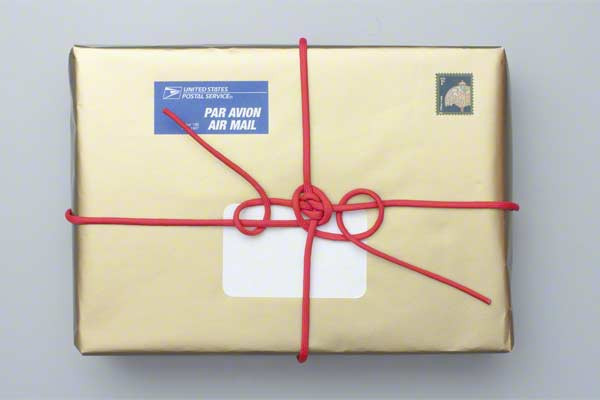
- On the top, pass the end under and over the strands around the noose knot.
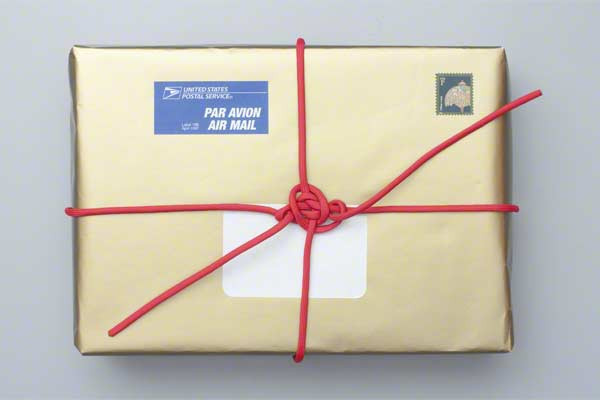
- Tie several Half Hitches with the ends to finish.
The Physics of a Secure Parcel Knot
Understanding the "why" behind the "how" is what separates a novice from an expert in rope knots. The Parcel Knots works through a combination of circumferential tension and interlocking friction.
When you begin with a Noose Knot, you create a primary anchor point that can be cinched down. As you move the cordage to the bottom and top of the package, you are essentially creating a cage. The step of passing the end "under and over" creates a weave that locks the vertical and horizontal strands together.
The final Half Hitches are crucial because they act as a "stopper," preventing the working end from sliding back through the weave. In outdoor rope techniques, the Half Hitch is considered one of the most reliable ways to terminate a line under light to moderate load.
Common Mistakes to Avoid
Even seasoned experts can make errors when tying Parcel Knots. Avoid these common pitfalls to ensure your gear stays secure:
- Loose Foundation: If the initial noose is not tightened firmly against the package, the entire structure will eventually sag. Always "dress" the knot as you go.
- Ignoring Surface Texture: If you are tying a very smooth, plastic-wrapped box, standard knots may slide. In these cases, increase the number of wraps or use a more "toothy" cord like sisal.
- Inadequate Finishing Hitches: Many people tie a single Half Hitch and stop. For maximum security, especially in transit, tie at least three Half Hitches to ensure the end cannot vibrate loose.
- Over-Tightening on Fragile Items: Remember that the mechanical advantage of a noose can easily crush cardboard or delicate equipment. Adjust your strength to the material being secured.
Related Knots and Splicing
Expanding your library of rope knots allows you to adapt to any situation. Here are several knots related to the Parcel Knots in function or form:
- The Bowline: Often called the "King of Knots," it creates a fixed loop at the end of a rope that will not slip or bind under load.
- The Clove Hitch: A simple binding knot used to secure a rope to a cylindrical object, frequently used as a starting point for lashings.
- The Square Knot (Reef Knot): A classic knot used for joining two ropes of equal diameter or securing a bandage; it is the simplest of all binding knots.
- The Taut-Line Hitch: An adjustable friction hitch used on lines under tension, perfect for securing tent guy lines or loads that may shift.
- The Timber Hitch: Specifically designed for towing or lifting logs, this knot grips tighter as more tension is applied to the standing part.
Safety Tips for Outdoor Rope Techniques
When practicing outdoor rope techniques, safety should always be your top priority.
- Check for Wear: Before using any rope for a Parcel Knots, inspect it for frays, chemical damage, or sun rot. A snapped line can cause injury or damage to your gear.
- Mind the "Snap-Back" Zone: When tensioning a line, position your body to the side. If the rope or the knot fails, the line will snap back along the path of tension.
- Proper Storage: After using your ropes, coil them neatly and store them in a cool, dry place. Moisture is the enemy of natural fibers, while UV rays degrade synthetic materials like nylon and polyester.
Final Words
Mastering the Parcel Knots is more than just a lesson in packaging; it is an exercise in efficiency and self-reliance. In the world of rope knots, the ability to turn a simple length of twine into a sophisticated securing system is a hallmark of a true gear specialist.
By following the structured steps—starting with a firm noose, weaving through the top and bottom, and finishing with secure half hitches—you ensure that your parcels, gear, and supplies remain exactly where you want them. Whether you are a hobbyist interested in traditional crafts or an outdoor professional refining your outdoor rope techniques, the Parcel Knot is a vital tool in your technical repertoire.
Next time you reach for the packing tape, consider the rope instead. It is more sustainable, often stronger, and carries the weight of a time-honored tradition.
