
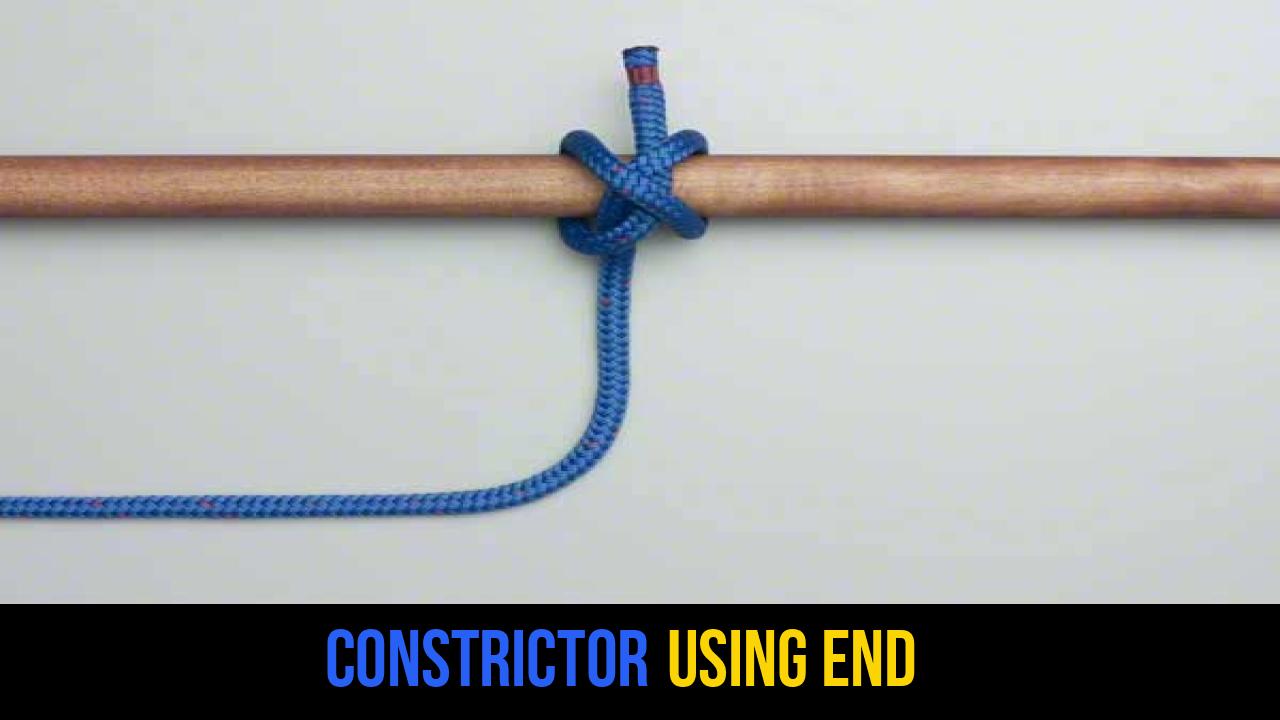
In the vast world of rope knots, few hitches command as much respect for their tenacity and staying power as the Constrictor Using End. Known among sailors, arborists, and survivalists as one of the most effective binding knots ever devised, the Constrictor is the go-to choice when you need a connection that simply will not budge. Unlike a standard Clove Hitch, which can slip or work itself loose under fluctuating tension, the Constrictor is designed to grip tighter as more force is applied, effectively acting like a permanent "zip tie" made of cordage.
The Constrictor Using End variation is specifically utilized when you have access to the end of your rope and need to wrap it around a stationary object, such as a pole, post, or bundle of sticks. It is an essential skill within the repertoire of outdoor rope techniques, providing a level of security that can be critical in high-stakes environments. Whether you are performing emergency repairs in the wilderness or securing gear for transport, understanding the mechanics and application of this knot is invaluable.
Alternative Names: Constrictor Knot (End Method), Miller’s Knot (variant), Bag Knot, Beam Hitch (historical variant).
What Is a Constrictor Using End?
The Constrictor Using End is a specialized binding knot. Its primary function is to exert inward pressure on the object it surrounds. Structurally, it consists of an overhand knot trapped beneath a riding turn. This configuration creates immense friction, which prevents the rope from sliding against the object or back through the knot itself.
Practical Applications
The versatility of the Constrictor Using End makes it a staple in various fields:
- Emergency Repairs: It can serve as a temporary hose clamp or a way to secure a split handle on a tool.
- Sack and Bag Closing: It is famously used to tie off the tops of heavy sacks (hence the name "Miller’s Knot"), ensuring no contents spill during transit.
- Lashing and Pioneering: In scouting and bushcraft, it is used to start lashings or to bind bundles of firewood together.
- Whipping and Seizing: It can be used with fine twine to prevent the ends of a thick rope from fraying.
- Boating and Sailing: It is often used to secure canvas covers or to seize two lines together semi-permanently.
One of the most defining characteristics of this knot is that it is notoriously difficult to untie once it has been tightened. In many cases, if the knot has been subjected to heavy loads, it may need to be cut away with a knife. This "permanent" nature is exactly what makes it so reliable for high-tension outdoor rope techniques.
Materials and Tools Needed
To successfully tie and utilize the Constrictor Using End, you must consider the type of rope and the surface of the object you are binding.
Rope Selection
- Paracord (550 Cord): Excellent for small-scale tasks and emergency repairs. Its slight elasticity helps the knot "bite" into the object.
- Natural Fibers (Hemp, Cotton, Jute): These materials provide excellent internal friction, making the Constrictor nearly impossible to slip.
- Synthetic Braided Ropes (Nylon, Polyester): These are durable and weather-resistant. However, very "slick" or plastic-like ropes may require extra tension to set the knot properly.
- Static Cord: For technical applications, a low-stretch static cord ensures the tension remains constant over time.
Tools and Considerations
- The Object (The "Pole"): The Constrictor works best on cylindrical or rounded objects. It requires a curved surface to exert its binding force effectively. It is less effective on flat, square surfaces where the pressure cannot be distributed evenly.
- Marlinespike or Awl: Because this knot jams so tightly, having a marlinespike or a similar tool can help you pry it open if you intend to reuse the rope.
- Cutting Tool: Always have a sharp knife or shears nearby, as the Constrictor Using End is often a "one-way" knot that must be destroyed to be removed.
How to Tie Constrictor Using End?
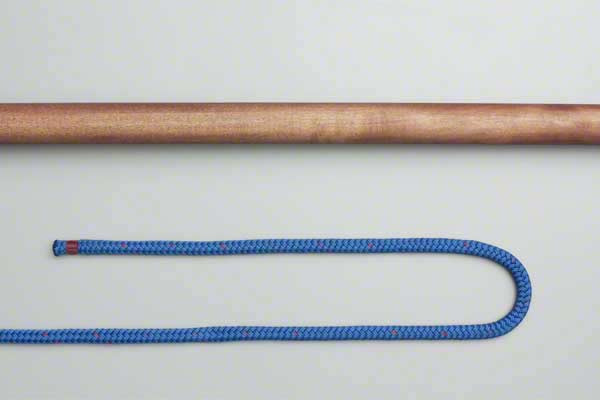
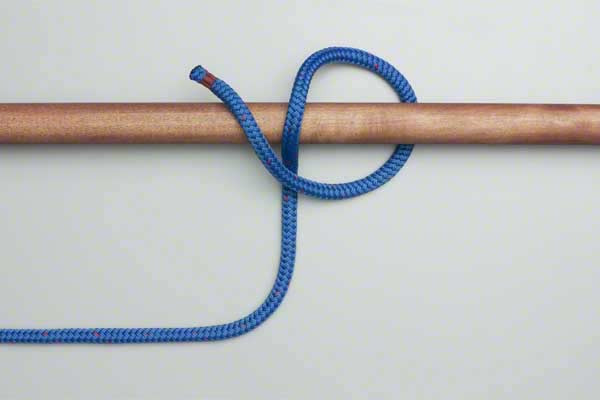
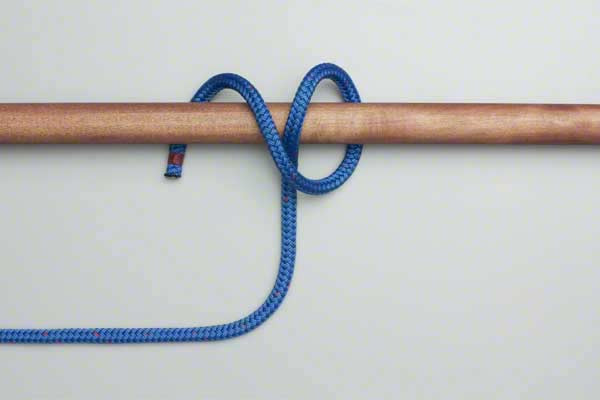
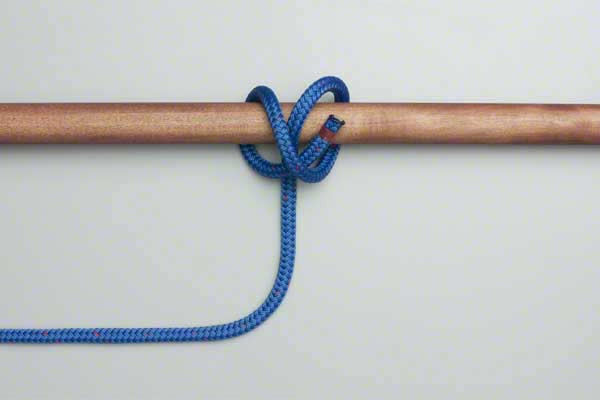
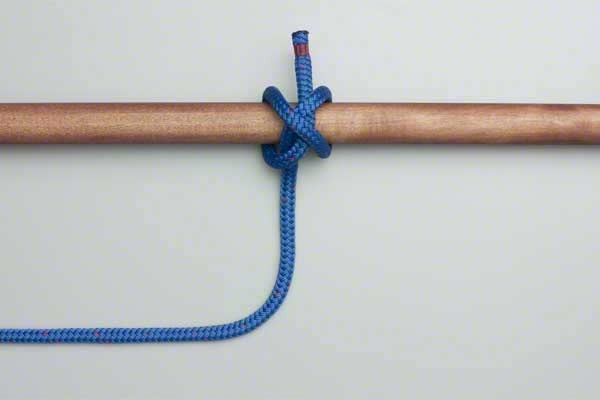
Tying this knot requires precision to ensure the "tuck" is positioned correctly under the riding turn. Follow these steps exactly as outlined to achieve a secure result.
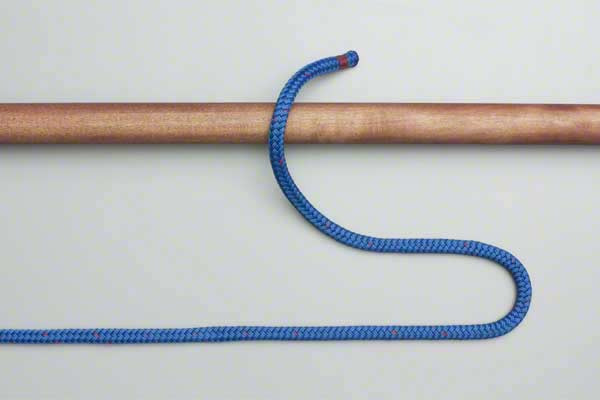
- Pass the end of the rope around the pole.
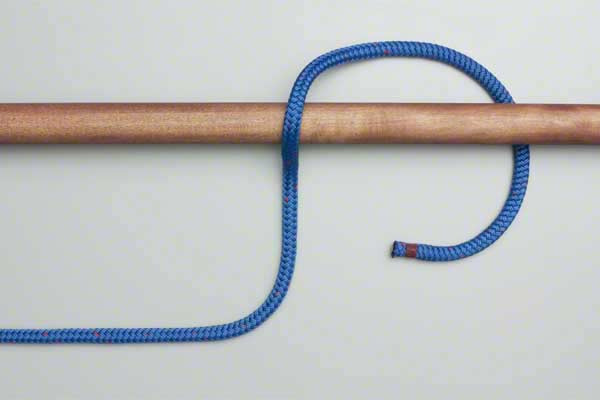
- Cross over the standing end and around the pole a second time.
- Tuck the end under itself, and then under the first turn to complete the knot.
Once these steps are completed, it is vital to "dress" the knot. Pull both the working end and the standing part of the rope simultaneously and with significant force. You should see the overhand knot portion being pinned down by the outer loop. For maximum security, ensure the two "ends" emerge from the middle of the knot, between the two outer turns.
Common Mistakes to Avoid
Even seasoned experts can occasionally misconfigure rope knots. When tying the Constrictor Using End, watch out for these common errors:
1. Confusing it with a Clove Hitch
The most frequent mistake is failing to perform the final tuck correctly, resulting in a Clove Hitch. While a Clove Hitch looks similar, it lacks the internal overhand knot that provides the "constricting" action. A Clove Hitch will fail if the object rotates or if the tension is inconsistent; a Constrictor will not.
2. Tying on Flat Surfaces
As mentioned previously, the Constrictor relies on the curvature of the object to maintain its grip. If you try to use this knot on a square timber or a flat box, the rope may slacken at the corners, causing the knot to lose its integrity.
3. Insufficient Tightening (Dressing)
A Constrictor knot that isn’t pulled tight immediately can "roll" or deform if a load is applied suddenly. You must apply heavy initial tension to "set" the knot into the surface of the object.
4. Ignoring Safety Hazards
Because this knot is so secure, never tie it around a person’s limb or any living thing where circulation could be restricted. Its ability to tighten under load makes it extremely dangerous for anything other than inanimate objects.
Related Knots and Splicing
Understanding the relationship between different rope knots can help you choose the right tool for the job. Here are a few knots related to the Constrictor Using End:
- Clove Hitch: A quick, temporary hitch that is easy to tie and untie, but prone to slipping under heavy or varying loads.
- Double Constrictor Knot: An even more secure version of the standard constrictor, featuring an extra turn around the pole for maximum friction and grip.
- Strangle Knot: A similar binding knot that uses a simpler overhand structure; it is effective but generally considered slightly less secure than the Constrictor.
- Boa Knot: Developed more recently, this knot is based on the Constrictor principle but is designed to hold even better on exceptionally smooth or slippery surfaces.
- Transom Knot: A specialized binding knot used primarily for securing two poles at right angles to one another in lashing applications.
Final Words
The Constrictor Using End is an essential pillar of technical outdoor rope techniques. Its reputation as a "permanent" binding knot is well-earned, offering a level of reliability that few other rope knots can match. Whether you are a sailor securing gear in a gale, a camper repairing a broken tent pole, or a DIY enthusiast looking for a way to clamp a project, the Constrictor is a tool that will never let you down.
Remember that with great power comes the need for a sharp knife; once you set this knot, it is there to stay. Practice the steps provided until the movement becomes muscle memory, and you will find yourself reaching for the Constrictor in countless practical situations. Mastery of such a fundamental knot is a hallmark of a true rope specialist and an invaluable asset in any outdoor or technical endeavor.
