
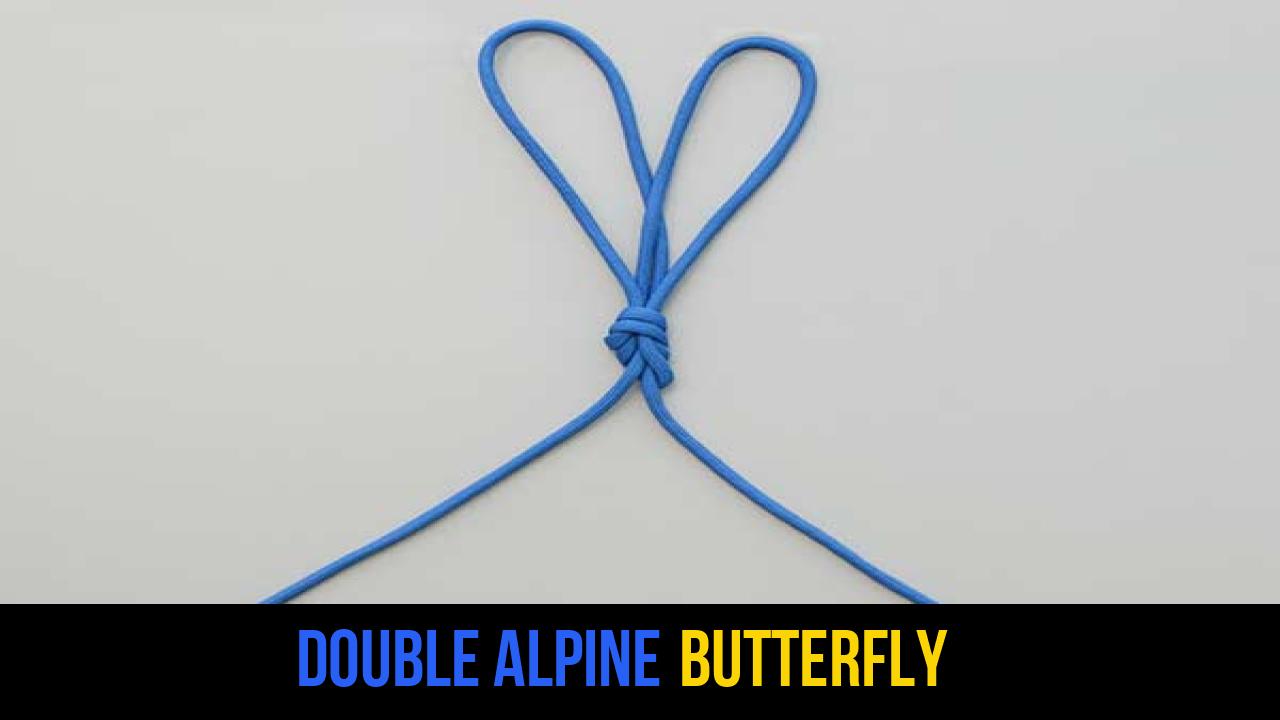
In the world of professional rigging, mountaineering, and technical rescue, the ability to create secure, reliable loops in the middle of a rope is an indispensable skill. Among the various rope knots available to the modern outdoorsman, the Alpine Butterfly family stands out for its symmetry, strength, and ease of inspection. However, when a single loop isn’t enough—perhaps for equalizing an anchor or creating a multi-point attachment—the Double Alpine Butterfly becomes the tool of choice.
Mastering this knot requires a blend of spatial awareness and practice. Unlike terminal knots that are tied at the end of a line, the Double Alpine Butterfly is a "midline" knot. This means it can be tied into a rope even when both ends are already secured or out of reach. It is favored by arborists, climbers, and search-and-rescue teams because it maintains a high percentage of the rope’s original tensile strength and remains relatively easy to untie even after being subjected to significant loads.
This guide will delve into the technical nuances of the Double Alpine Butterfly, providing you with the exact methodology to master this essential outdoor rope technique.
Alternative Names: Double-Loop Alpine Butterfly, Double-Loop Lineman’s Knot, Triple-Loop Butterfly (less common), and Midline Double Loop.
What Is a Double Alpine Butterfly?
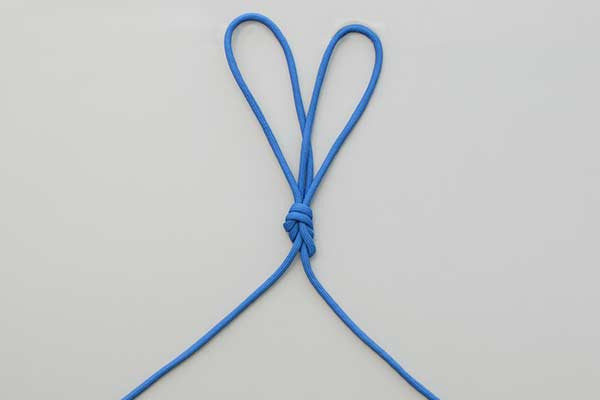
The Double Alpine Butterfly knot is a variation of the standard Alpine Butterfly, designed to provide two independent loops instead of one. It is categorized as a "loop knot" or "bight knot" that is exceptionally stable under multi-directional loading.
Practical Uses and Applications
- Anchor Equalization: In climbing and rescue, the two loops can be clipped into separate anchor points (like two bolts or two trees). By adjusting the loops, you can distribute the load evenly across both points.
- Rescue Operations: The double loops can serve as a makeshift harness in emergency situations or as secure attachment points for hauling systems.
- Mechanical Advantage: When setting up a 3:1 or 5:1 hauling system (often called a "Z-drag"), the Double Alpine Butterfly provides a secure "fixed" point in the middle of the line to attach pulleys.
- Isolating Damaged Rope: While a single butterfly is often used to isolate a frayed section of rope, the double version can be used if the damaged area is larger, ensuring the compromised fibers are completely removed from the load-bearing path.
- Arboriculture: Tree climbers use the double loops for various rigging configurations where multiple lines or carabiners need to converge at a single midline point.
Materials and Tools Needed
Before you begin tying the Double Alpine Butterfly knot, it is essential to select the correct equipment. Not all ropes are created equal, and the performance of a knot is heavily dependent on the material it is tied in.
Recommended Rope Types
- Static Kernmantle Rope: Ideal for rescue and hauling where you want minimal stretch. This rope holds the shape of the Double Alpine Butterfly exceptionally well.
- Dynamic Climbing Rope: Used in lead climbing. While more elastic, it still takes this knot securely, though the loops may "creep" slightly under extreme tension.
- Accessory Cord: For practice or light-duty applications, 7mm or 8mm perlon cord is excellent.
- Synthetic Fibers: Stick to Nylon, Polyester, or UHMWPE (like Dyneema, though be cautious of slipperiness). Avoid natural fibers like manila or sisal for technical applications, as they lack the necessary strength and flexibility.
Tools
- Gloves: When tightening knots in thick or rough ropes, technical work gloves protect against friction burns.
- Carabiners: To test the loops once the knot is complete.
How to Tie Double Alpine Butterfly?
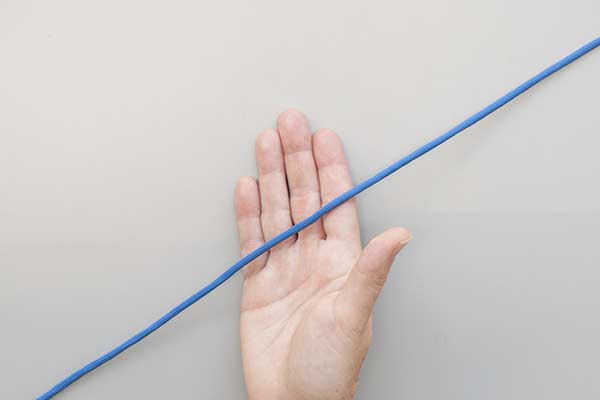
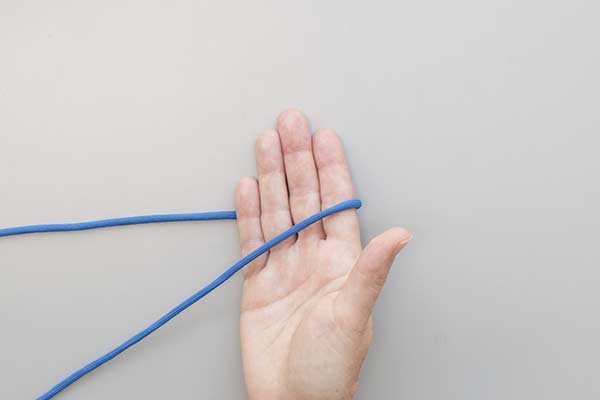
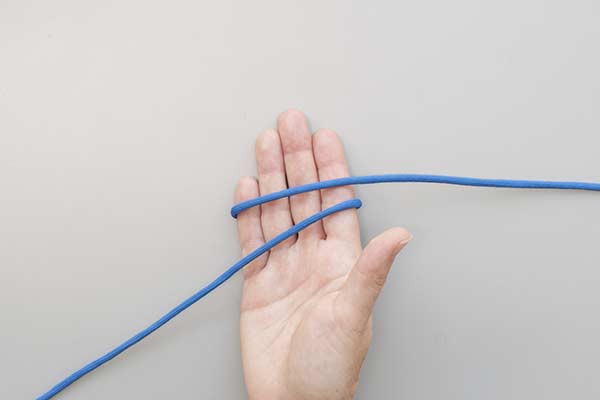
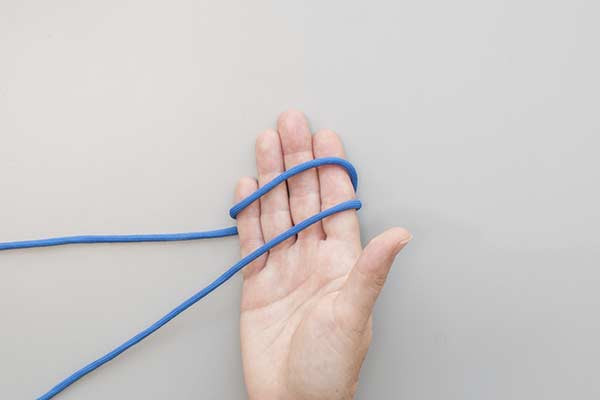
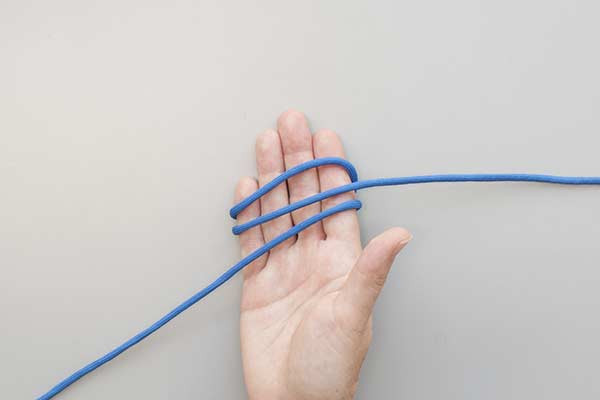
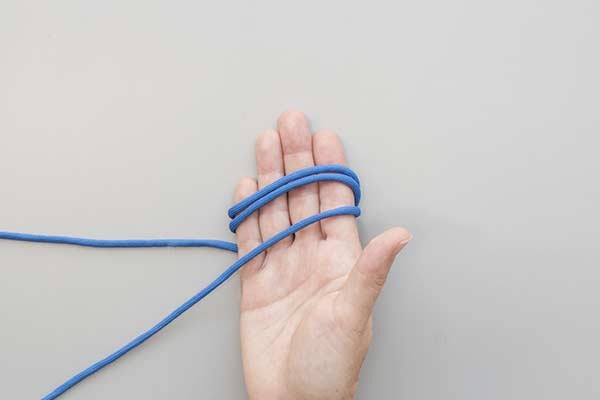
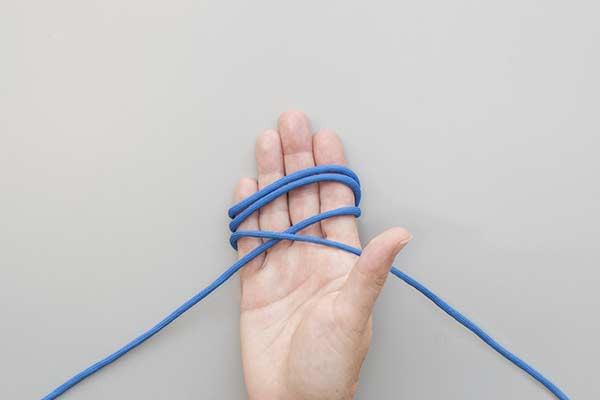
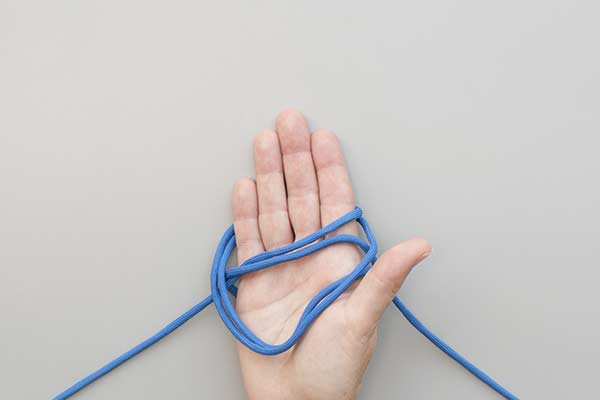
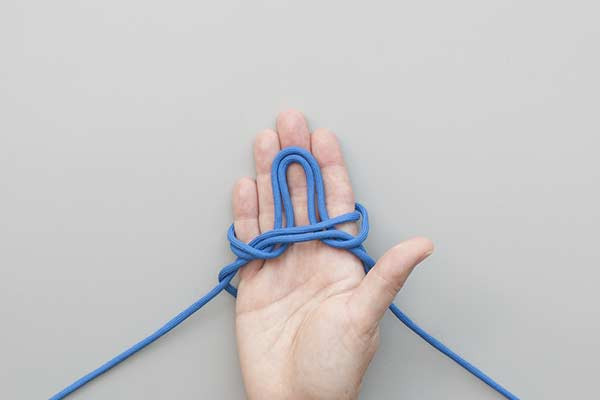
To ensure safety and reliability, follow these steps exactly as they are performed by professionals. This method, often referred to as the "hand-wrap method," is the most intuitive way to manage the multiple turns required for the double-loop version.
- Wrap the rope across your palm four times.
- Position turns two and three near your fingertips.
- Complete turn four back near your thumb.
- Pick up the two turns near your fingertips and loosen them.
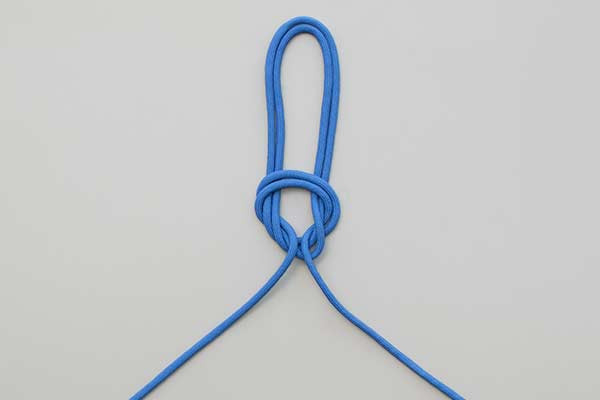
- Insert them up under the other two turns.
- Slide the knot off your hand and tighten by pulling on the loops and the ends.

Common Mistakes to Avoid
Even seasoned professionals can make errors when tying complex rope knots. When practicing the Double Alpine Butterfly, keep an eye out for these common pitfalls:
- Incorrect Turn Placement: If turns two and three are not positioned correctly near the fingertips before being tucked, the knot may collapse into a "sliding" knot rather than a fixed loop.
- Failure to Dress the Knot: "Dressing" refers to straightening the strands so they lie parallel and do not cross over each other unnecessarily. A poorly dressed knot is harder to inspect and can be significantly weaker.
- Loose Tightening: Unlike some knots that "set" themselves under load, the Double Alpine Butterfly should be hand-tightened before use. Ensure you pull all four "leads" (the two loops and the two ends of the rope) to seat the knot firmly.
- Using Slippery Rope: High-modulus polyethylene ropes (like Amsteel or Dyneema) are very slippery. In these materials, the knot may require extra "tails" or a different variation to prevent slipping under high tension.
- Overlapping Turns: Ensure that when you wrap the rope four times, the turns stay in the intended order. If turn four crosses over turn one prematurely, the geometry of the knot will be compromised.
Related Knots and Splicing
Understanding how the Double Alpine Butterfly knot relates to other techniques will broaden your expertise in outdoor rope techniques.
Alpine Butterfly (Single Loop)
The standard version of this knot creates one loop. It is the gold standard for midline loops because it can be loaded from any direction—the loop itself or either end of the rope—without failing.
Figure-Eight on a Bight
This is a terminal loop knot. While incredibly strong and easy to tie, it cannot be easily adjusted once tied and is much harder to untie than a Butterfly knot after it has been subjected to a heavy load.
Bowline on a Bight
Similar to the Double Alpine Butterfly, the Bowline on a Bight provides two secure loops. However, it is generally tied at the end of a rope rather than in the middle, and it is less stable if the loops are loaded in opposing directions.
Directional Figure-Eight
This midline knot creates a loop that is intended to be loaded in only one specific direction. Unlike the Double Alpine Butterfly, it can capsize or slip if loaded toward the "wrong" end of the rope.
The Science of Knot Strength
When you tie a knot in a rope, you are essentially creating a "weak point." This is because the tight bends in the rope cause the fibers on the outside of the curve to take more load than the fibers on the inside.
The Double Alpine Butterfly is highly regarded because its bends are relatively "fair" (not too sharp). It typically retains about 65% to 70% of the rope’s rated breaking strength. Because the load is shared between two loops in the double version, it can actually offer a more stable distribution of force when used in complex rigging systems, reducing the stress on any single point of the rope’s geometry.
Final Words
The Double Alpine Butterfly is a sophisticated and highly functional knot that every serious outdoor enthusiast, climber, and rescue technician should have in their repertoire. Its ability to provide two secure, independent loops in the middle of a line makes it a versatile powerhouse for anchor equalization and hauling systems.
By following the precise steps of wrapping the rope across your palm and carefully threading the fingertip loops, you can ensure a consistent and safe result every time. Remember that practice is key—tie this knot until the muscle memory takes over, and always perform a visual safety check before trusting any knot with a load. Whether you are scaling a cliff or securing gear for a backcountry expedition, the Double Alpine Butterfly is a testament to the efficiency and reliability of professional rope knots.
