
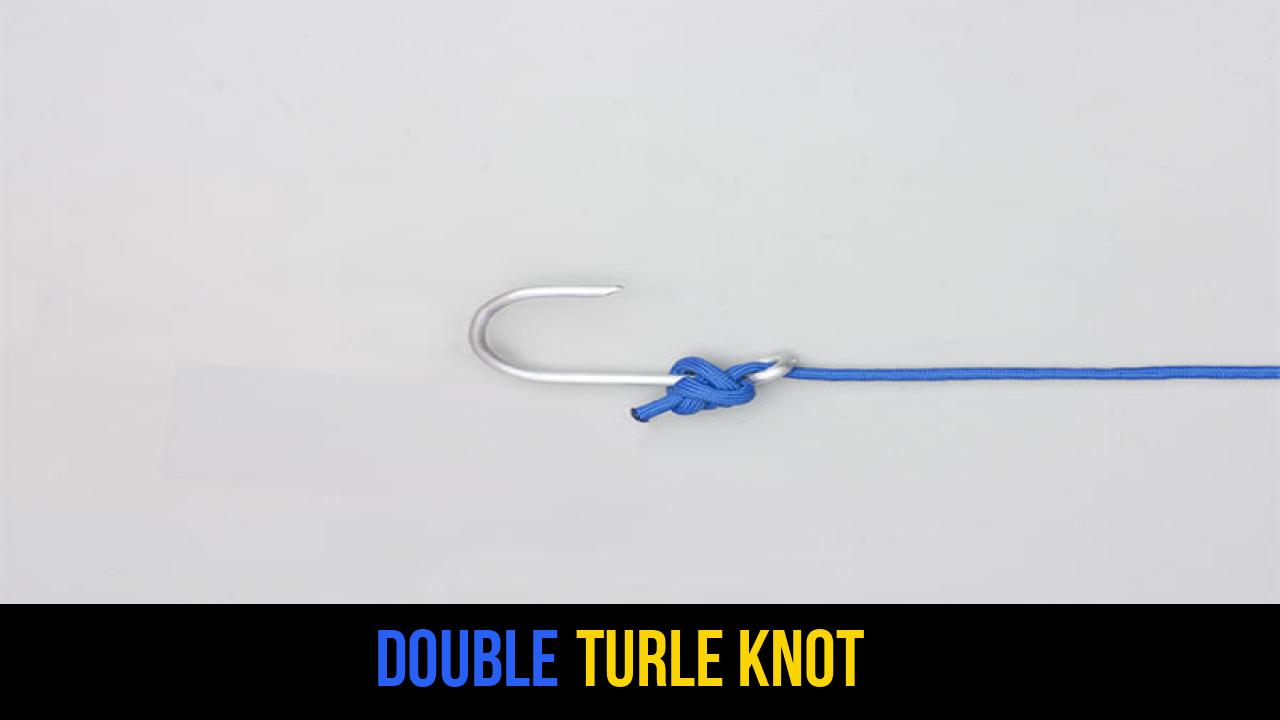
In the world of rope knots and specialized angling connections, few techniques carry as much heritage and functional specificity as the Double Turle Knot. Originally designed for the delicate art of fly fishing, this knot is a variation of the traditional Turle Knot, named after Major William Greer Turle, a 19th-century British angler. While many modern knots focus on speed, the Double Turle Knot focuses on the mechanical alignment of the hook and the line.
Outdoor enthusiasts and survivalists often look for outdoor rope techniques that provide maximum security under tension. The "Double" version of this knot was developed to address the slipperiness of modern synthetic lines like fluorocarbon and nylon monofilament. By adding an extra loop into the traditional configuration, the knot gains significant friction, ensuring that the fly or hook remains perfectly seated.
Whether you are a professional guide or a beginner learning the ropes, mastering this knot is a rite of passage. It is particularly revered for its ability to provide a "straight pull," ensuring the hook doesn’t kick to the side during a strike.
Alternative Names: Improved Turle Knot, Major Turle’s Double Loop, The Angler’s Slip Knot.
What Is a Double Turle Knot?
The Double Turle Knot is a specialized terminal tackle knot used primarily to attach a fly or a small hook to a leader or tippet. Unlike the Clinch Knot or the Palomar Knot, which tighten directly onto the eye of the hook, the Double Turle Knot is designed to form a slip-loop that is passed over the fly and then tightened around the neck (the shank just behind the eye) of the hook.
Practical Uses and Advantages
- Straight-Line Presentation: Because the knot cinches around the shank rather than the eye, the line exits the eye in a perfectly straight line. This is crucial for dry flies and nymphs where a natural drift is required.
- Increased Security: The "Double" aspect refers to the two loops created during the tying process. This creates more surface area contact, preventing the knot from slipping—a common issue with thin, high-tech fishing lines.
- Compatibility with Turned-Up/Down Eyes: This knot is the gold standard for hooks with turned-up or turned-down eyes (common in traditional salmon flies), as it prevents the eye from acting as a lever that could snap the line.
- Outdoor Utility: While primarily a fishing knot, the principles of the Double Turle Knot—creating a secure loop that cinches around an object—can be applied in various outdoor rope techniques involving small-diameter cords and delicate attachments.
Materials and Tools Needed
To successfully tie the Double Turle Knot, you must consider the diameter and material of the rope or line you are using. Because this is a precision knot, the tools you use will impact the final strength and neatness of the connection.
Recommended Materials
- Monofilament or Fluorocarbon: This knot performs best on lines between 0X and 7X thickness. Fluorocarbon is particularly well-suited because the double-loop structure compensates for the material’s lower knot strength.
- Small Diameter Accessory Cord: If you are practicing this as part of your rope knots training, use a 1mm to 2mm cord to see the mechanics clearly.
- Hooks or Rings: Use a hook with a turned-up or turned-down eye to see the true benefit of the straight-line pull.
Essential Tools
- Line Nippers or Scissors: Precision cutting is required to trim the tag end close to the knot without damaging the main standing line.
- Knot Puller or Hemostats: For those with larger hands, a small tool can help in "tucking" the end under the loops as specified in the instructions.
- Lubricant: Always use water or saliva before tightening any synthetic line to prevent friction heat from weakening the material.
How to Tie Double Turle Knot?
Following the traditional methods and technical requirements for this specific outdoor rope technique, use the following steps to secure your connection.
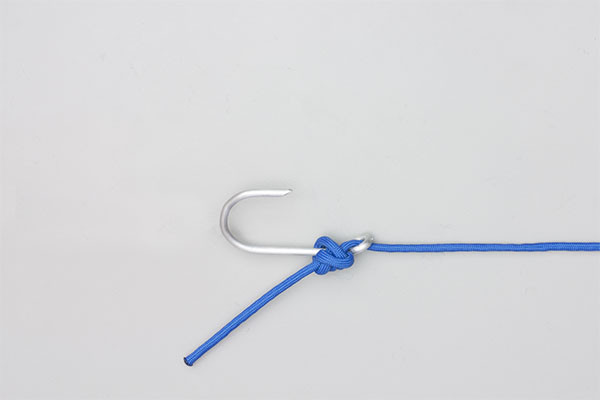
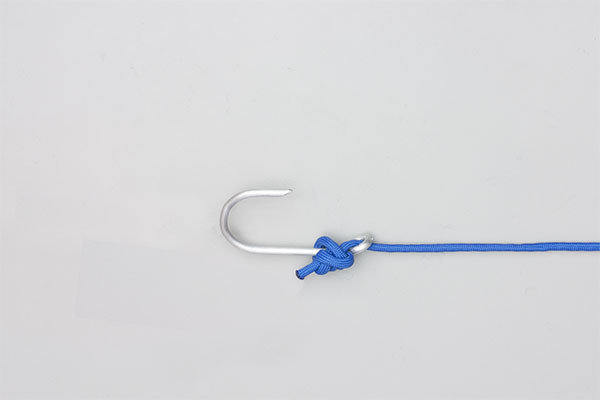
- Pass the tag-end through the eye.
- Make two large loops and tie an Overhand Knot around these loops.
- Pass the loops over the hook.
- Tuck the end under the two loops.
- Tighten the loops and the knot.
- Trim the end.
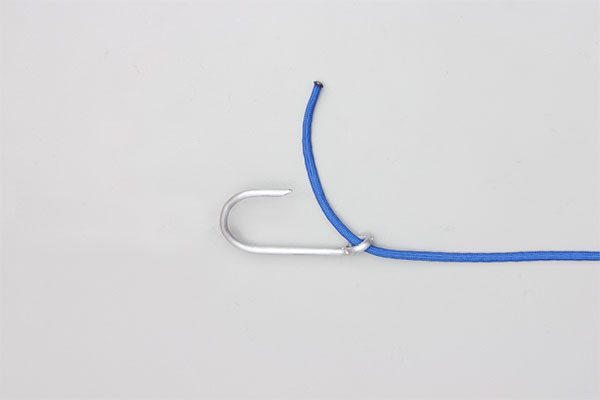
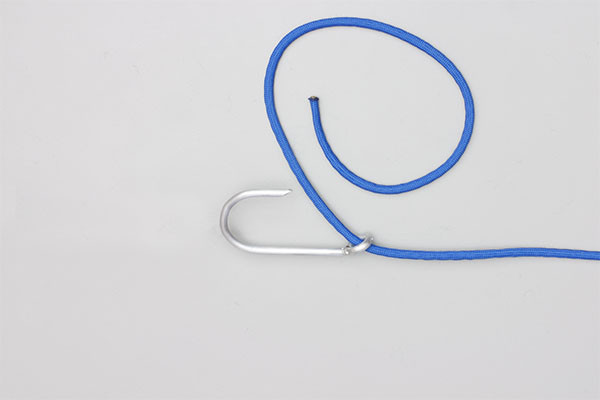
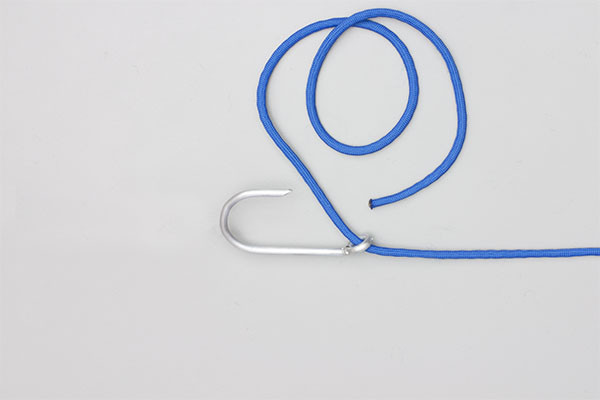
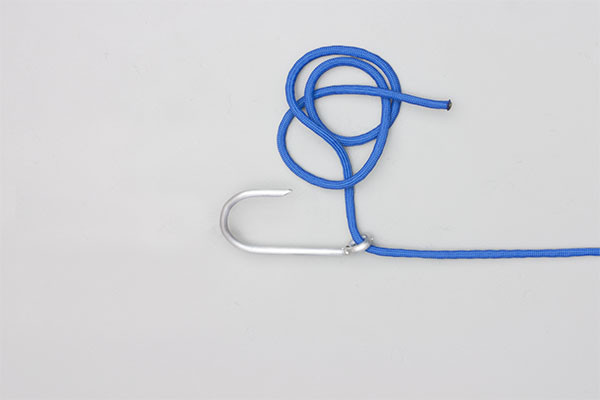
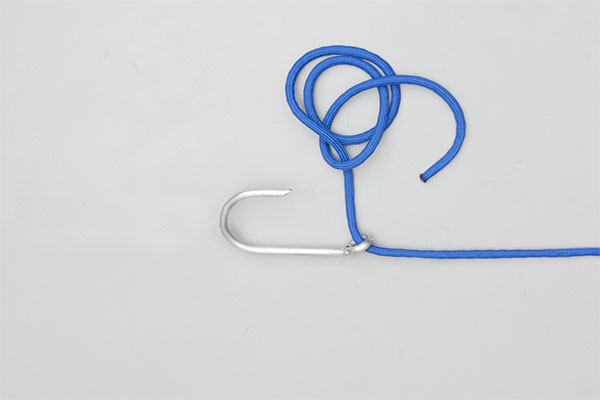
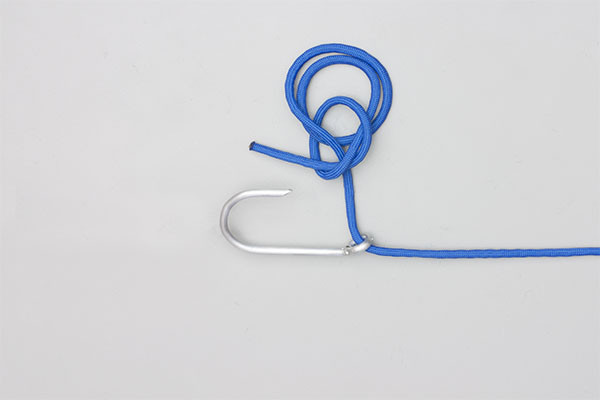
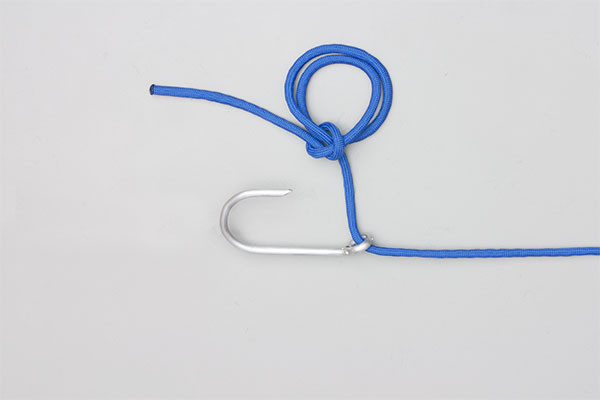
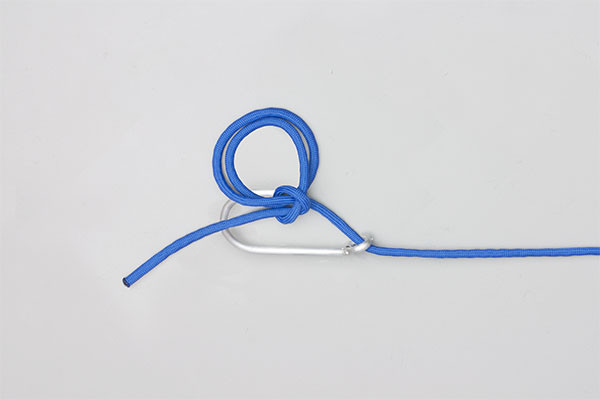
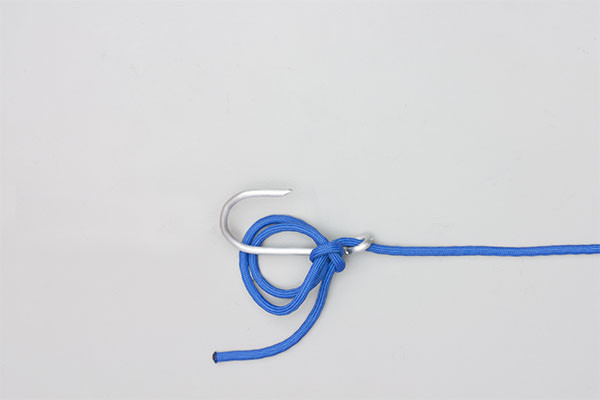
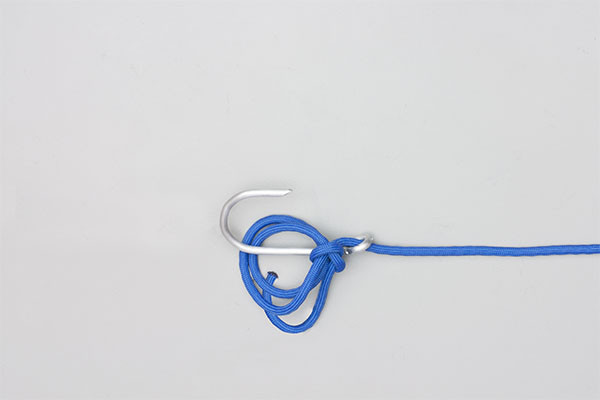
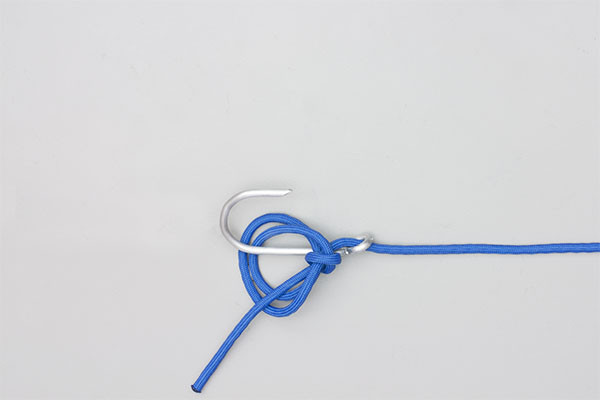
Common Mistakes to Avoid
Even for experienced practitioners of rope knots, the Double Turle Knot has a few nuances that can lead to failure if ignored.
1. Failing to Lubricate
Synthetic lines are highly susceptible to "burn." When you tighten the loops and the knot, the friction can create enough heat to compromise the molecular structure of the plastic. Always wet the knot before the final cinch.
2. Incorrect Loop Placement
A common error occurs in step 3: Pass the loops over the hook. If the loops are caught on the hackle of a fly or the barb of the hook, the knot will not seat correctly against the eye. Ensure the loops are completely clear of all obstructions before tightening.
3. Not Tucking the Tag End
The instruction to tuck the end under the two loops is what differentiates the "Double" version from simpler, less secure variations. If you skip this step, the knot loses its "locking" mechanism, and the tag end may slip through the overhand knot under extreme tension.
4. Using the Wrong Hook Type
While versatile, the Double Turle Knot is less effective on "ringed eye" hooks (where the eye is in line with the shank). On these hooks, a Palomar or Uni knot is often superior. Use the Turle variation specifically for turned-up or turned-down eyes to maximize its mechanical advantage.
Related Knots and Splicing
Understanding how the Double Turle Knot fits into the wider ecosystem of rope knots helps in choosing the right tool for the job.
- The Original Turle Knot: A simpler version using only one loop; it is faster to tie but more prone to slipping on modern fluorocarbon.
- The Clinch Knot: A staple in outdoor rope techniques, this knot ties directly to the eye and is better for heavy-duty lures.
- The Palomar Knot: Renowned for its nearly 100% knot strength, it is a great alternative when line-to-hook alignment is less critical.
- The Perfection Loop: Used to create a fixed loop at the end of a line, providing a different type of "free movement" for the hook.
Final Words
The Double Turle Knot remains a vital skill for anyone serious about technical angling and precision rope knots. Its unique ability to align the line perfectly with the hook shank makes it indispensable for delicate presentations where every millimeter counts. By following the structured outdoor rope techniques outlined above, you ensure a connection that is both historically significant and technically superior.
In the field, the difference between a successful outing and a "lost-fish story" often comes down to the integrity of your knots. Take the time to practice the Double Turle Knot until the movements are fluid. Whether you are facing a wary trout in a clear stream or simply expanding your repertoire of functional knots, the Double Turle is a tool that will never let you down when tied with care and precision.
