
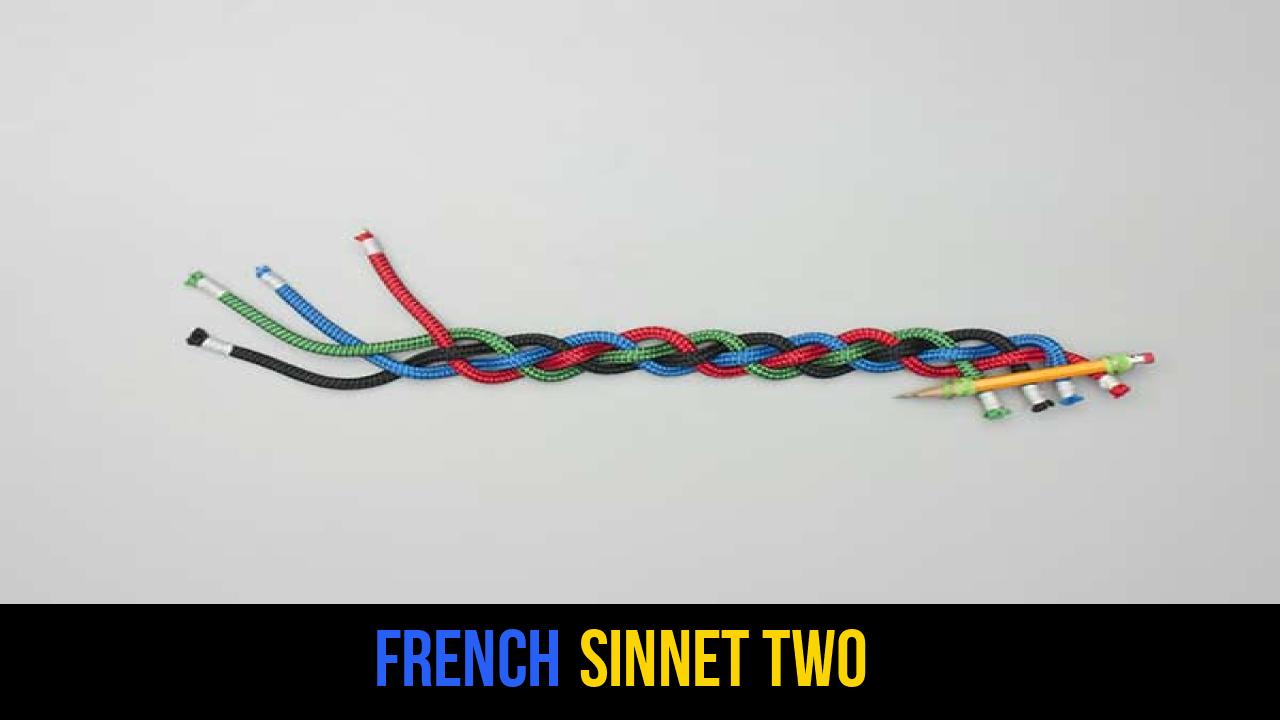
In the world of rope knots and decorative cordage, few techniques offer the blend of aesthetic elegance and structural integrity quite like the French Sinnet Two. Originating from the rich maritime traditions of the 18th and 19th centuries, sinnets—or sennits—were developed by sailors who needed to create flat, durable, and decorative lashings from spare lengths of fiber.
The French Sinnet Two is a specific variation of the flat braid family. Unlike a standard three-strand hair braid, this technique allows for a much wider surface area, making it an essential skill for anyone interested in outdoor rope techniques, bushcraft, or traditional nautical crafts. Whether you are looking to create a custom rifle sling, a decorative camera strap, or a reinforced handle wrap for your camping gear, mastering this sinnet provides a professional finish that stands the test of time.
Commonly referred to by several names depending on the region and the specific application, this knot is a staple in the repertoire of master knot-tyers.
Alternative Names: Flat Sennit, Multi-strand French Braid, Common Sennit, Weaver’s Braid.
What Is a French Sinnet Two?
The French Sinnet Two is a flat, woven cordage structure created by interlacing multiple strands of rope or twine. In technical terms, it is a "plait" that uses an "over-and-under" weaving pattern. While many sinnets are round or square (like the popular crown sinnet), the French variation is prized for its flatness.
Practical Uses in the Modern World
While its roots are at sea, the modern applications for the French Sinnet Two knot are vast:
- Outdoor Gear Customization: Creating flat, comfortable straps for backpacks or heavy bags.
- Survival and Bushcraft: Braiding several smaller cords together to create a single, high-tensile-strength strap for emergency towing or lashings.
- Marine Applications: Protecting railings (puddening) or creating non-slip grips on boat tillers.
- Decorative Arts: Crafting high-quality belts, dog leashes, and even jewelry using smaller gauge materials like micro-cord or leather.
The "Two" designation often refers to the specific rhythmic movement of the strands, creating a distinct "oblique" or diagonal pattern that is visible on the surface of the finished braid. This makes it not only functional but visually striking.
Materials and Tools Needed
To achieve a professional-grade French Sinnet Two, your choice of material is paramount. Because this technique involves many "over-and-under" movements, the friction of the material will dictate how easy the knot is to tighten.
Recommended Rope Types
- 550 Paracord: The gold standard for outdoor rope techniques. It is durable, comes in various colors, and its nylon sheath allows the strands to slide easily during the braiding process.
- Hemp or Jute: Best for a traditional, rustic look. These natural fibers offer excellent grip but can be rough on the hands.
- Leather Strips: Ideal for fashion accessories or handle wraps.
- Cotton Cord: Often used in macramé, this is soft and easy to manipulate for beginners.
Essential Tools
- Clamping Device: A small C-clamp, a heavy-duty binder clip, or even a tabletop vise is necessary to hold the "dead ends" while you work.
- Measuring Tape: Since braiding consumes a significant amount of rope (often 3 to 4 times the finished length), precise measurement is key.
- Fid or Marlinspike: Useful for tucking ends or tightening specific sections of the weave.
- Lighter or Scissors: For finishing the ends of synthetic or natural ropes.
How to Tie French Sinnet Two?
The following instructions outline the precise method for constructing this flat braid. Consistency is the secret to a high-quality French Sinnet Two knot; ensuring that each tuck is seated firmly against the previous one will prevent the braid from warping.
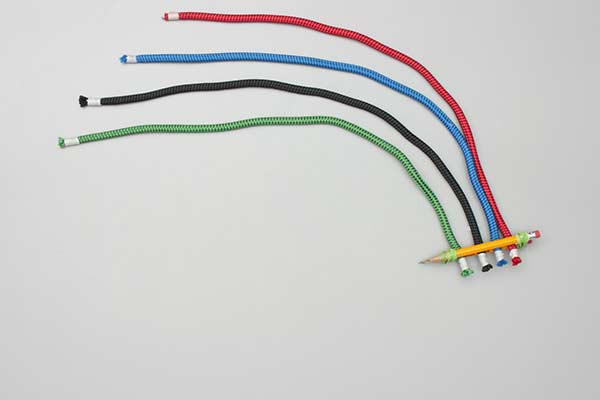
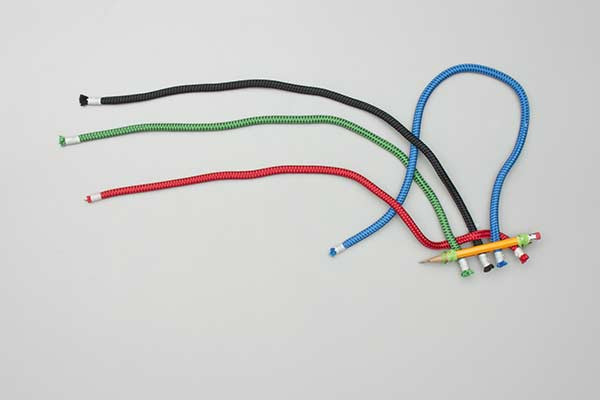
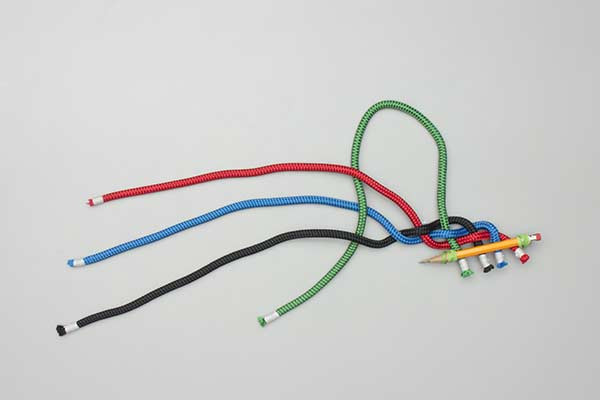
- Start with the ends clamped together. Ensure that all strands are of equal length and secured firmly to a stable surface to provide the necessary tension.
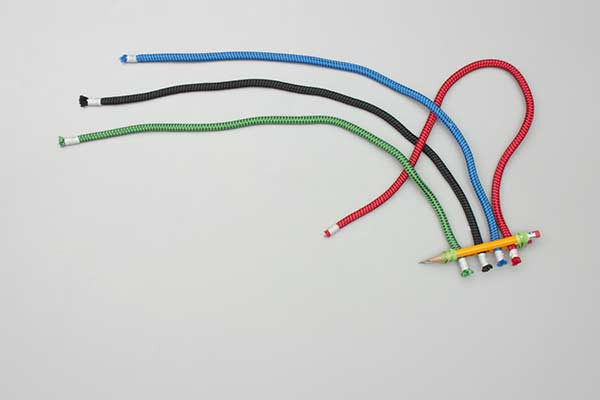
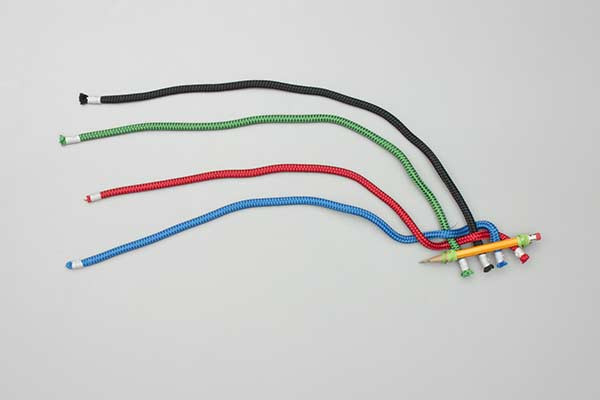
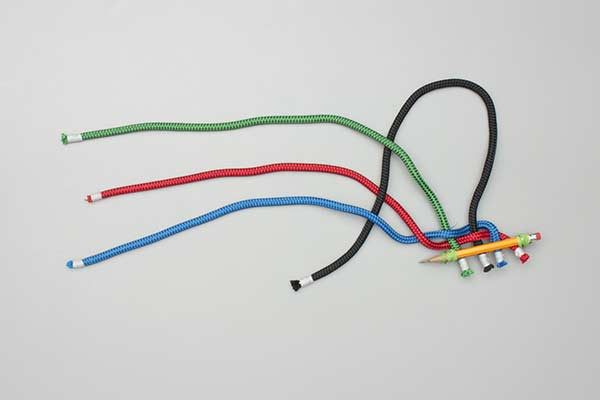
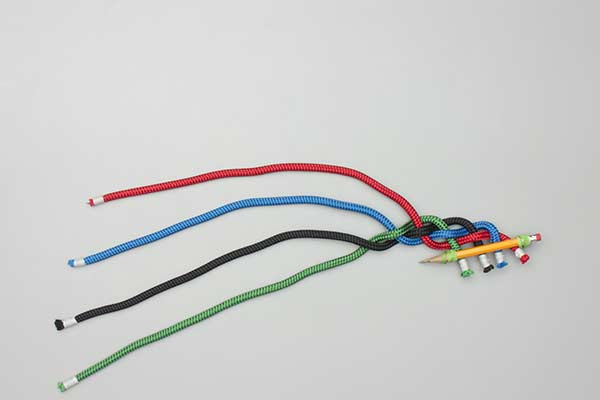
- Pass a strand over and under tucking it close against the others. Begin from the outermost side, weaving the strand through the remaining group in a consistent alternating pattern.
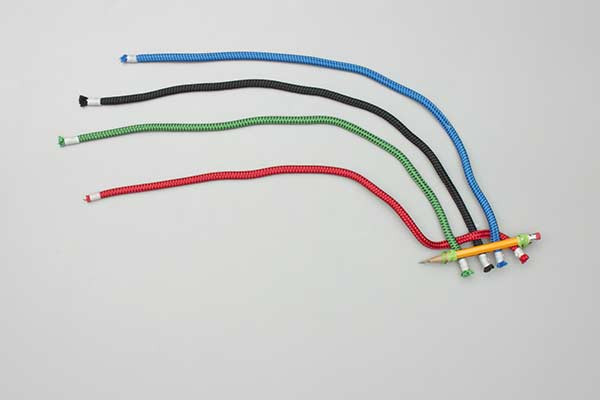
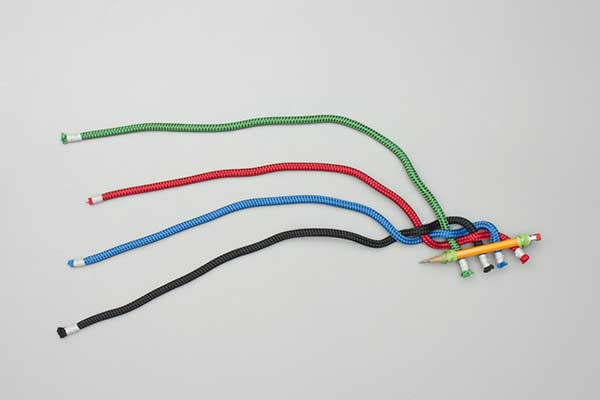
- Repeat with the next strand. Take the new outermost strand from the same side and follow the same over-and-under path.
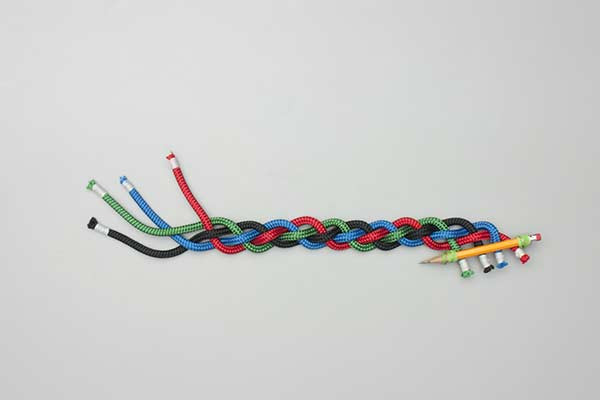
- Tighten each short strand to keep the oblique strands adjacent. This is the most critical step for maintaining the structural integrity and the signature diagonal look of the sinnet.
- Continue until the intended length is reached. Maintain uniform tension throughout the process to ensure the width of the sinnet remains constant.
Common Mistakes to Avoid
Even experienced practitioners of rope knots can encounter issues with the French Sinnet Two. Here are the most common pitfalls and how to avoid them:
1. Inconsistent Tension
The most frequent error is pulling some strands tighter than others. This causes the sinnet to "curl" or "corkscrew" rather than lying flat. Pro Tip: Always pull the strand toward the clamp before pulling it outward to set the "oblique" angle.
2. Miscounting the Over-Under Sequence
If you accidentally pass a strand "over-over" instead of "over-under," the pattern will break, creating a structural weak point. Periodically stop and inspect the "face" of the braid to ensure the diagonal lines are unbroken.
3. Choosing the Wrong Strand Count
While the French Sinnet Two can be done with various numbers of strands, using too few (less than five) often results in a braid that looks more like a standard hair braid. For a true "French" look, odd numbers of strands (5, 7, or 9) are typically preferred for symmetry.
4. Safety Considerations
When using this knot for load-bearing purposes (like a gear strap), remember that the strength of the sinnet is dependent on the weakest strand. Inspect your cordage for frays or UV damage before starting.
Related Knots and Splicing
Understanding the French Sinnet Two opens the door to other complex outdoor rope techniques. Here are a few related knots that complement this skill:
- Square Sinnet: A four-strand decorative braid that produces a solid, three-dimensional square cord, often used for heavy-duty lanyards and fobs.
- Round Sinnet (Crown Sinnet): Created by "crowning" strands over one another, this produces a cylindrical, highly durable rope structure perfect for grip reinforcement.
- The Matthew Walker Knot: Often used to cap off the end of a sinnet, this multi-strand stopper knot prevents the braid from unraveling while providing a decorative bulbous finish.
- Chain Sinnet (Monkey Braid): A quick-release method of shortening a long rope by creating a series of interlocking loops; it is functional rather than decorative.
Final Words
The French Sinnet Two is more than just a decorative flourish; it is a testament to the utility and artistry found in traditional rope knots. By mastering the rhythm of the over-and-under tuck and maintaining the discipline to tighten each short strand, you can transform a simple collection of cords into a sophisticated piece of outdoor gear.
Whether you are a sailor, a hiker, or a craft enthusiast, the ability to create flat cordage on demand is an invaluable skill. Practice with different materials—from the ruggedness of paracord to the elegance of leather—and you will soon find the French Sinnet Two knot becoming a go-to technique in your technical repertoire. Remember, the beauty of a sinnet lies in its regularity, so take your time, keep your strands adjacent, and enjoy the process of traditional rope-craft.
