
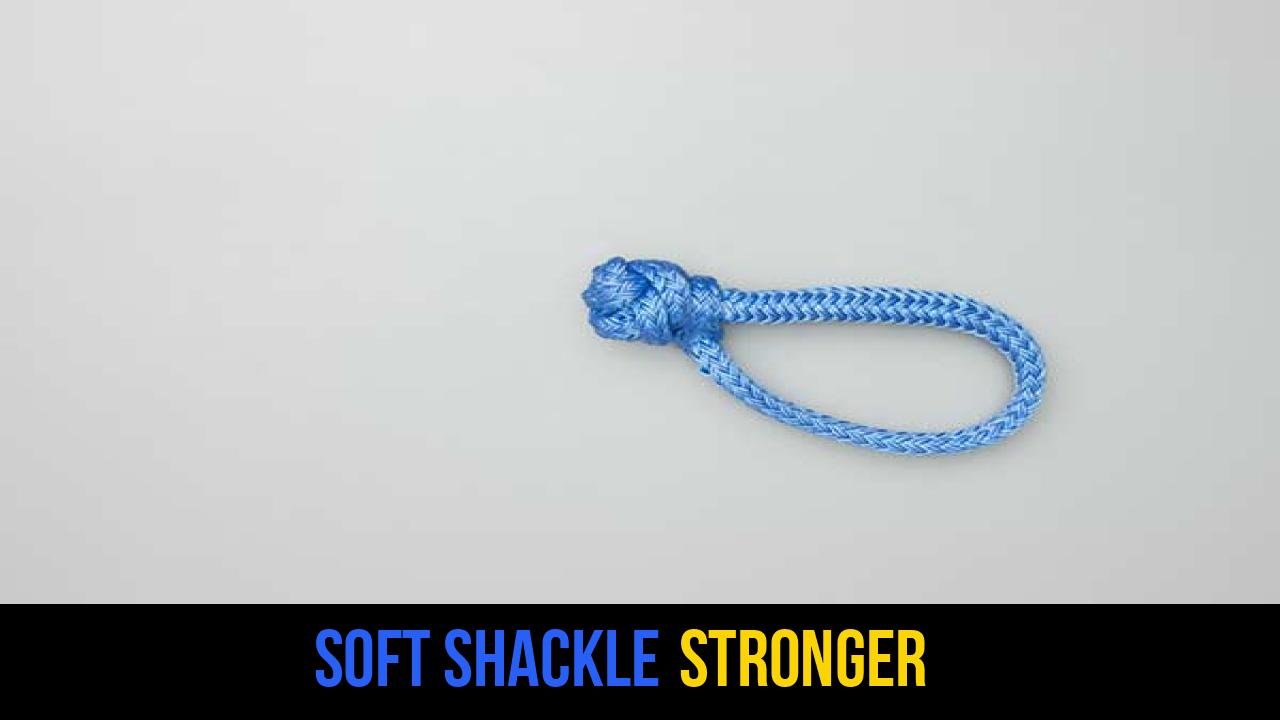
The evolution of rigging and rope knots has seen a massive shift toward synthetic materials that offer high strength-to-weight ratios. In the world of sailing, off-roading, and arboriculture, the Soft Shackle Stronger has emerged as a revolutionary alternative to traditional steel hardware. While a standard soft shackle is already impressively robust, the "stronger" variants focus on optimizing the geometry of the stopper knot—often referred to as the "button"—and the efficiency of the loop to ensure the connection does not fail under extreme tension.
Understanding how to master these outdoor rope techniques is not just about utility; it is about safety. A well-constructed Soft Shackle Stronger knot can withstand thousands of pounds of force, yet it remains light enough to float on water and soft enough not to damage equipment or cause injury if a line snaps.
In this comprehensive guide, we will explore the science behind this essential piece of gear, the specific materials required to construct one, and the exact method for initiating the tie.
Alternative Names: High-Strength Soft Shackle, Diamond Knot Shackle, Synthetic Shackle, Better Soft Shackle, UHMWPE Shackle.
What Is a Soft Shackle Stronger?
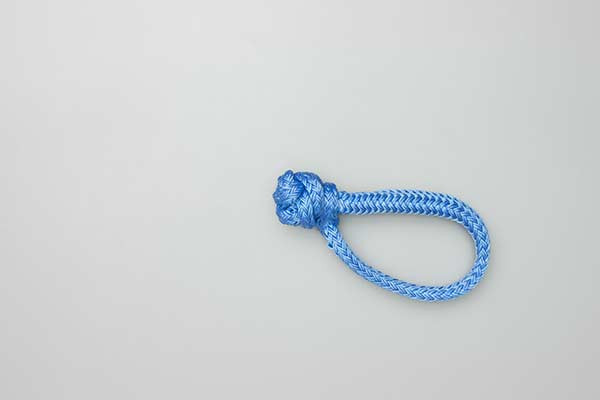
A Soft Shackle Stronger is a closed-loop fastener made from high-performance synthetic fiber rope, most commonly Ultra-High-Molecular-Weight Polyethylene (UHMWPE). Unlike a traditional metal shackle, which uses a threaded pin to close a steel "U" shape, the soft shackle utilizes a sliding "noose" or "eye" that cinches around a specialized stopper knot (the button).
Practical Uses and Advantages
The "Stronger" designation typically refers to variations in construction that minimize the loss of the rope’s Minimum Breaking Strength (MBS). Standard knots can reduce a rope’s strength by up to 50%, but the Soft Shackle Stronger knot is designed to maintain a much higher percentage of the rope’s original integrity.
Practical applications include:
- Off-Road Recovery: Used as a connector between tow straps and recovery points. They are safer than steel because they store less kinetic energy.
- Marine and Sailing: Used to attach sails to hanks or to connect sheets to sails. They do not clank against the mast or deck.
- Arboriculture: Used by tree climbers for lightweight rigging and tool attachment.
- General Utility: Any scenario where a lightweight, non-corrosive, and high-strength connector is required.
Materials and Tools Needed
To create a reliable Soft Shackle Stronger, you cannot use standard nylon or polyester braided rope. The efficiency of the shackle relies on the unique properties of 12-strand hollow braid rope.
1. The Rope (UHMWPE)
The industry standard for these shackles is Dyneema® (SK75 or SK78) or similar UHMWPE fibers. This material is essential because:
- It has extremely low stretch.
- It is incredibly strong for its diameter.
- The 12-strand hollow braid construction allows for "splicing," where the rope can be threaded through its own core to create a frictional lock.
2. Splicing Tools
- Fid or Wire Puller: A tool used to pull the rope through itself.
- Sharp Scissors or Ceramic Knife: UHMWPE is notoriously difficult to cut; specialized blades are recommended.
- Marking Pen: For noting precise measurements to ensure the loop and bury are the correct lengths.
3. Safety Considerations
Always ensure the rope you select is rated for the load you intend to apply. For vehicle recovery, 3/8-inch or 1/2-inch Dyneema is common, whereas for sailing, smaller diameters like 1/8-inch or 1/4-inch may suffice.
How to Tie Soft Shackle Stronger?
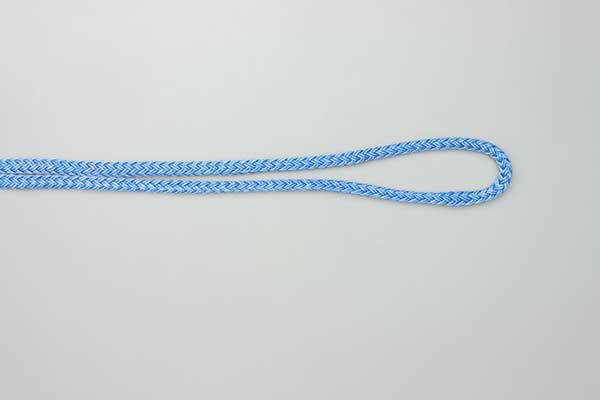
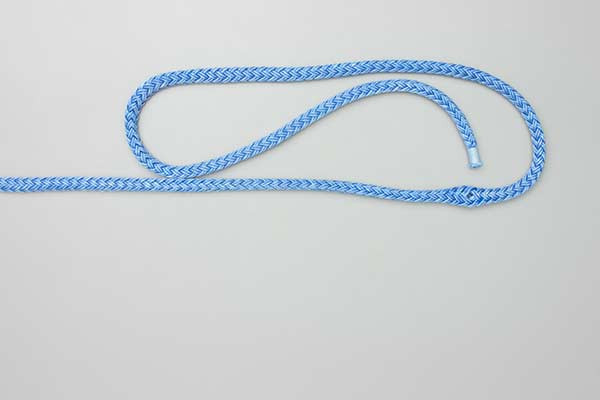
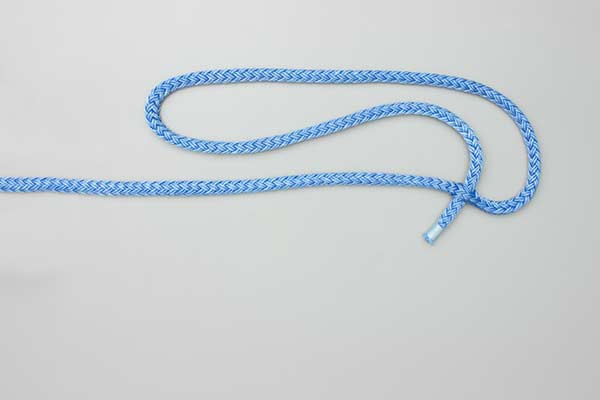
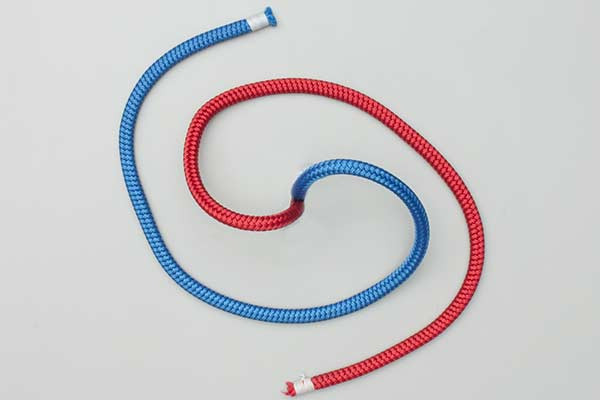
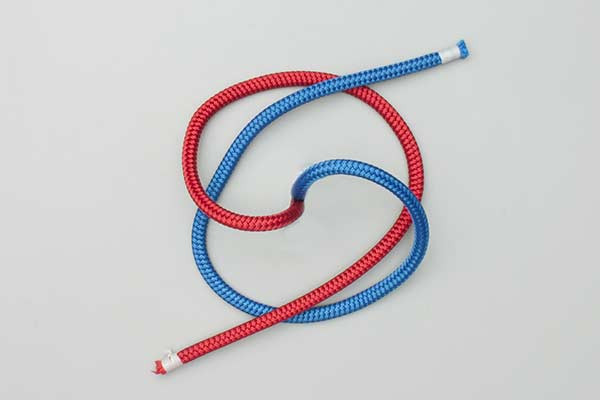
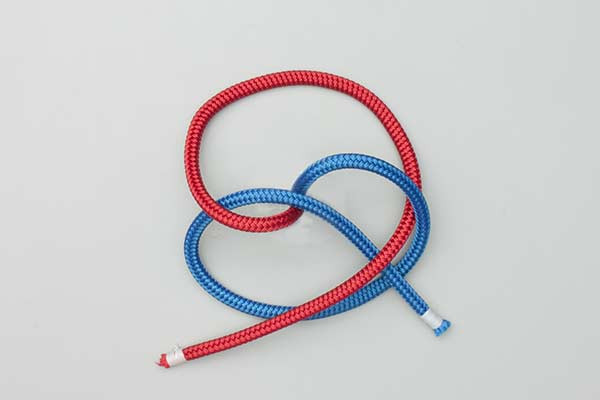
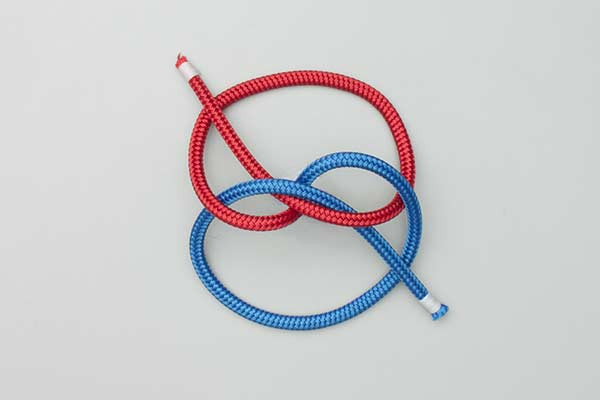
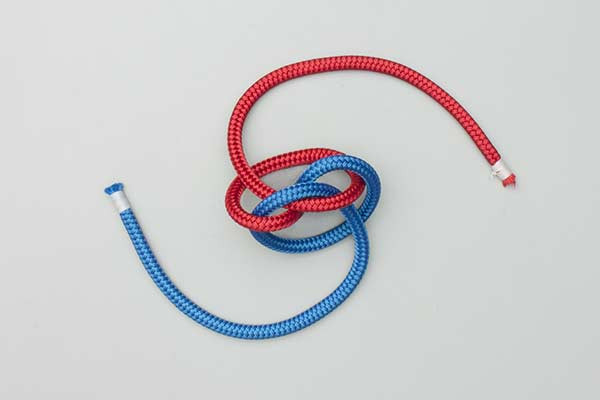
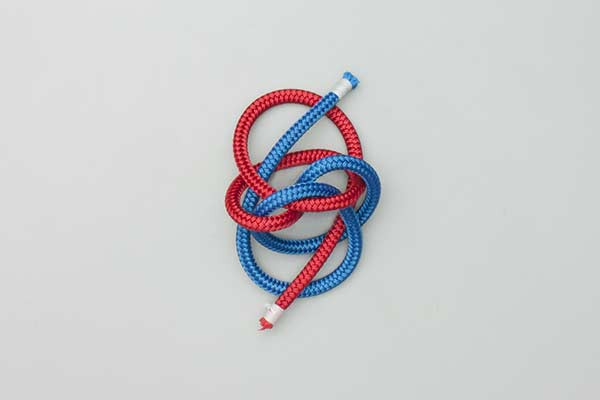
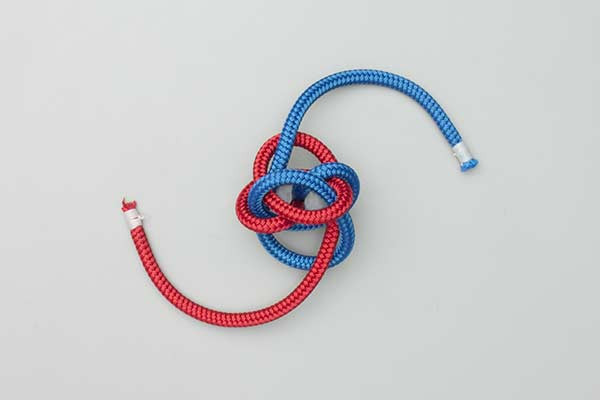
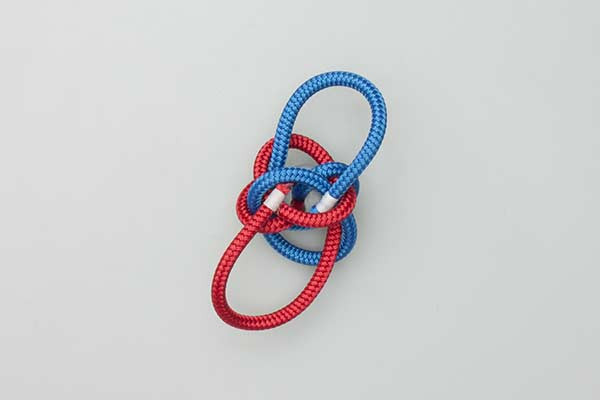
The following steps outline the critical initial formation of the shackle. Precision during this stage is vital to ensure the "button" knot sits correctly and the loop provides maximum security.
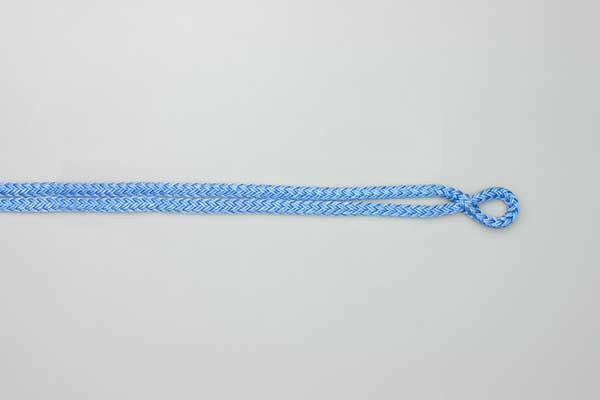
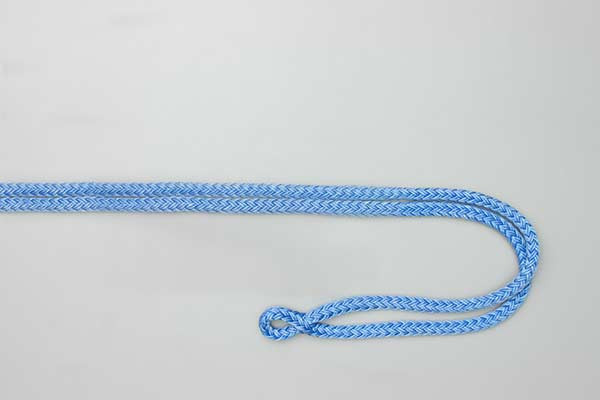
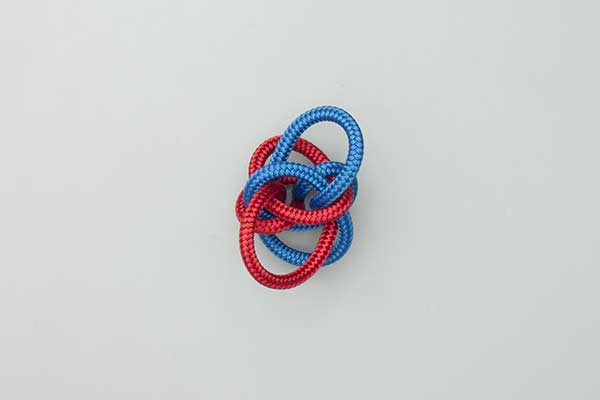
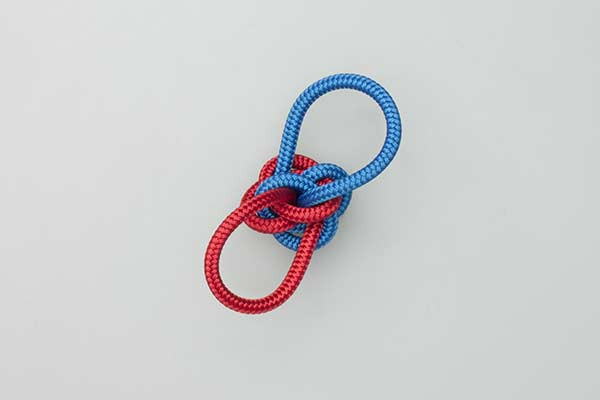
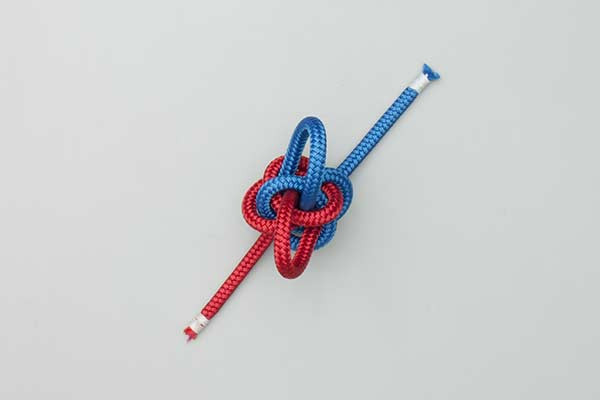
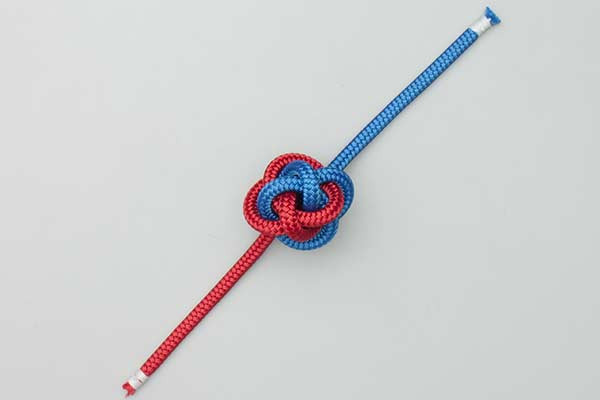
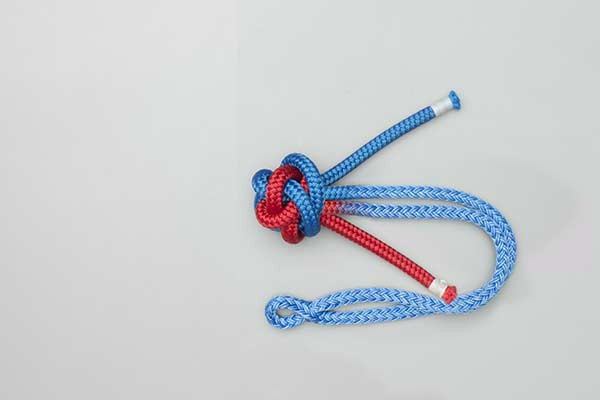
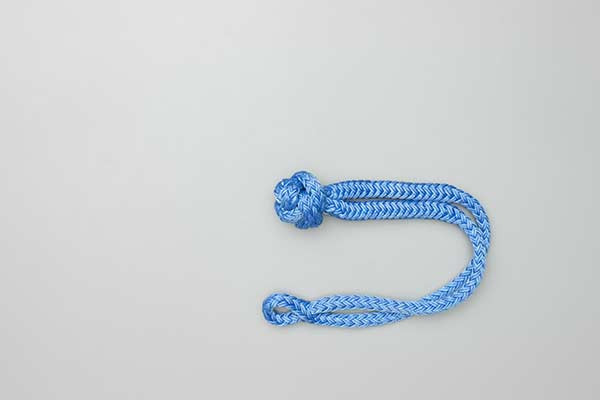
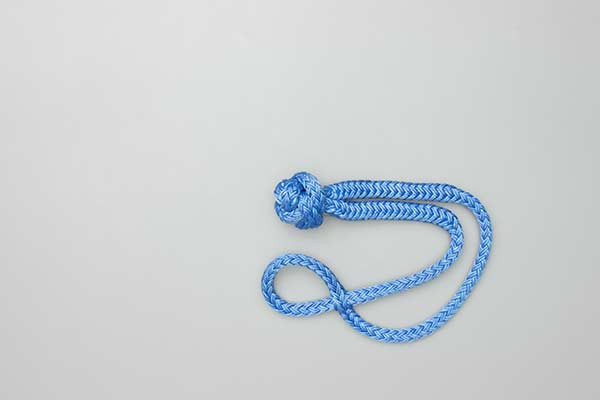
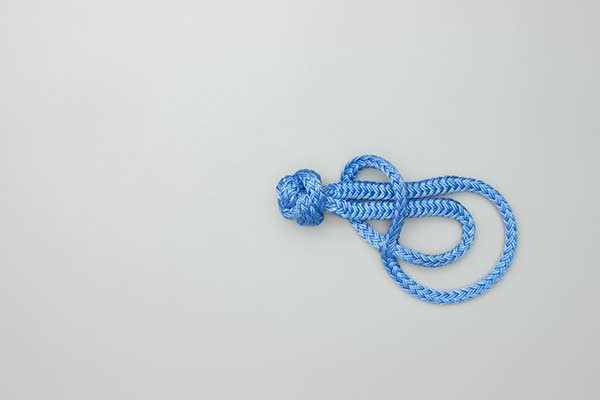
- Thread one end of the rope through a hole in the other end to form a loop large enough to grip three pieces of the rope.
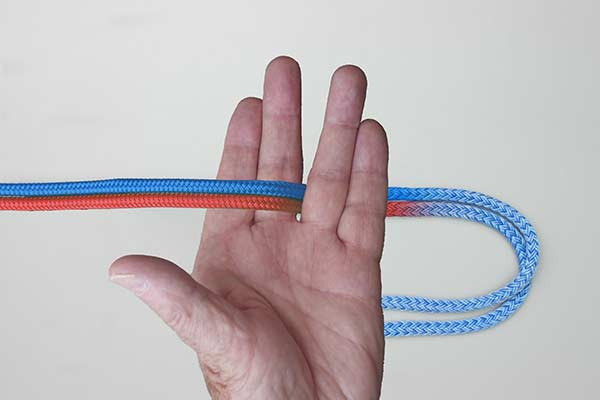
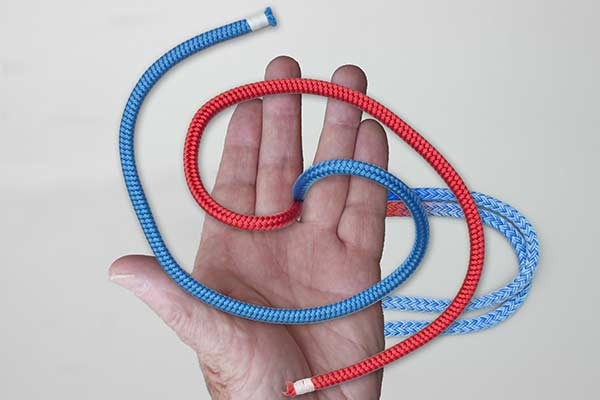
- Hold the rope between your fingers to tie the button in your hand.
Common Mistakes to Avoid
Even for those experienced in rope knots, the Soft Shackle Stronger requires attention to detail. Small errors can lead to a significant reduction in the shackle’s load-bearing capacity.
Improper Loop Sizing
If the initial loop created in Step 1 is too small, you will struggle to pass the button through it once the shackle is finished. Conversely, if it is too large, the "noose" may not cinch tightly enough around the button, leading to potential slippage under erratic loads.
Incomplete "Bury"
Most outdoor rope techniques involving soft shackles require a "bury," where the tail of the rope is tucked back into the core. If this bury is too short, the friction lock will not engage properly. A general rule is a bury length of at least 2 or 3 "fids" (a measurement based on the rope’s diameter).
Misaligning the Button Knot
The "button" or stopper knot is the heart of the shackle. If the knot is not dressed (tightened and shaped) properly, it can deform under load. Ensure the knot is symmetrical and that the strands exiting the knot are pulled tight individually to "set" the knot before use.
Using the Wrong Rope Type
Never attempt to tie a Soft Shackle Stronger knot using 3-strand twisted rope or kernmantle (climbing) rope. These constructions do not allow for the necessary internal splicing and will fail predictably under load.
Related Knots and Splicing
To truly master outdoor rope techniques, it is helpful to understand the related knots that form the foundation of the soft shackle.
- The Diamond Knot (Stopper Knot): This is the most common "button" used in soft shackles. It provides a wide, flat base that prevents the loop from slipping over it.
- The Brummel Lock Splice: A method of interlocking two pieces of hollow braid rope so they cannot slide, often used to create the eye of the shackle.
- The Button Knot: A more complex, high-profile stopper knot that offers a larger surface area, often preferred in "Stronger" shackle variants to increase safety margins.
- The Bowline: While not used in the construction of a soft shackle, it is the traditional knot that soft shackles often replace in rigging scenarios.
Final Words
The Soft Shackle Stronger represents the pinnacle of modern rope knots. By replacing heavy, dangerous steel components with lightweight, high-performance fibers, outdoor enthusiasts and professionals can operate with greater safety and efficiency.
Mastering the initial steps—threading the rope to form the loop and properly positioning the rope in your hand to form the button—is the foundation of a reliable shackle. Whether you are preparing for a cross-country overland expedition or simply rigging a backyard shade sail, the ability to create your own high-strength connectors is an invaluable skill in the repertoire of any rigging expert. Always remember to inspect your shackles for chafe or wear before every use, and retire any rope that shows signs of fiber degradation.
