
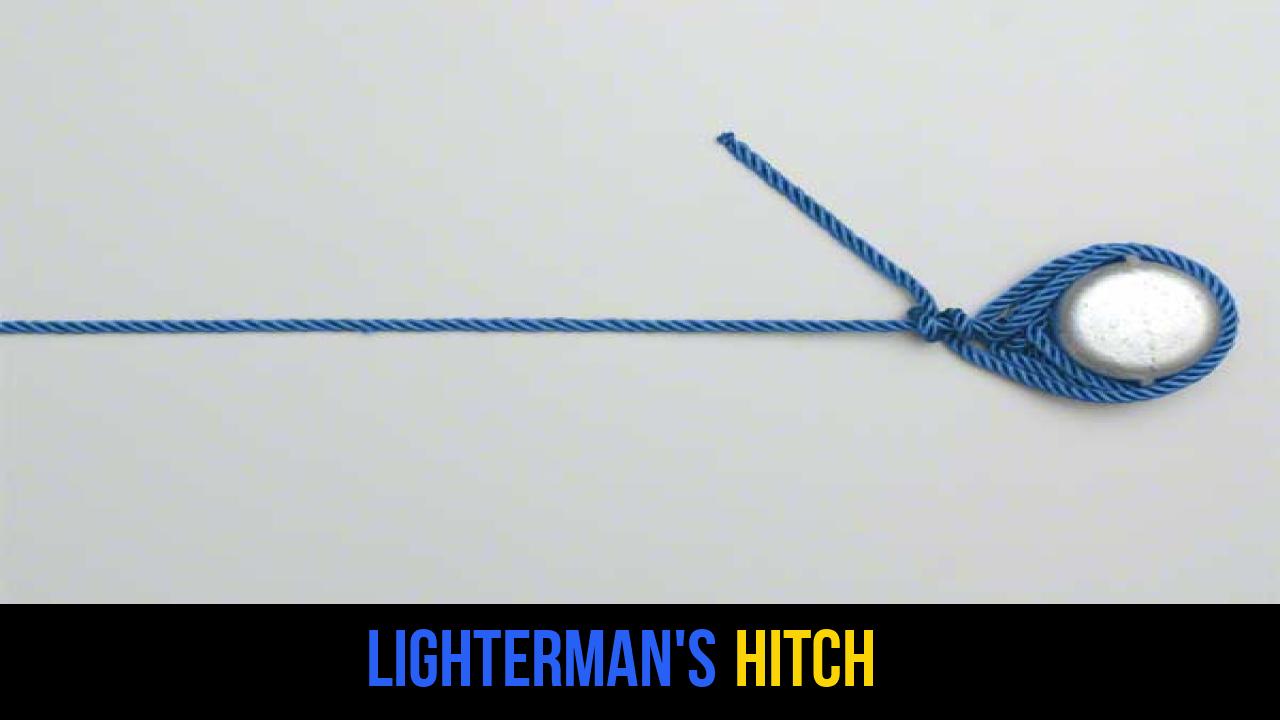
In the world of maritime history and traditional seamanship, few knots carry as much legacy as the Lighterman’s Hitch. Originating from the busy waterways of the River Thames, this knot was the primary tool for "lightermens"—the skilled workers who operated lighters (large, unpowered barges) used to transfer goods from moored ships to the quayside.
The Lighterman’s Hitch is a specialized mooring hitch designed to hold immense tension while remaining remarkably easy to release, even when the rope is soaking wet or under heavy strain. For the modern enthusiast of outdoor rope techniques, mastering this hitch is akin to understanding the physics of friction and tension. Unlike many other rope knots that can "jam" or become impossible to untie after being subjected to the weight of a heavy vessel, the Lighterman’s Hitch relies on a series of turns and bights that distribute the load across the bollard or timber head.
Whether you are a professional mariner, a weekend sailor, or an outdoor specialist interested in traditional craft, this hitch remains one of the most reliable methods for securing a heavy load to a fixed vertical post.
Alternative Names: Bargee’s Hitch, Tugman’s Hitch, Thames Hitch.
What Is a Lighterman’s Hitch?
The Lighterman’s Hitch is a friction-based mooring knot used to secure a boat or barge to a bollard, bit, or post. Its primary function is to provide a secure hold that can be adjusted or released instantly. In the era of heavy wooden barges, lighters were often moved by the tide or towed by tugs; the Lighterman had to be able to "cast off" in a split second to avoid collisions or to manage the vessel’s momentum.
Practical Uses in Modern Scenarios
While its roots are in the commercial shipping industry of the 19th and 20th centuries, the Lighterman’s Hitch knot is still highly relevant today:
- Mooring Large Vessels: It is ideal for temporary mooring where the rope might be under significant tension from tides or currents.
- Towing Operations: Its ability to be released under load makes it a safer choice for certain towing setups compared to a standard Clove Hitch.
- Heavy Cargo Handling: In outdoor rigging, it can be used to secure heavy loads to a tree or post where a quick release is necessary.
- Traditional Boat Displays: It is a "must-know" for anyone operating historical vessels or participating in traditional maritime festivals.
The brilliance of this knot lies in the "turns." By wrapping the rope multiple times around the bollard, the friction does the work of holding the weight, while the subsequent "tucks" or bights prevent the rope from slipping back.
Materials and Tools Needed
To practice the Lighterman’s Hitch, you need specific materials that allow the knot to function as intended. Because this is a heavy-duty hitch, the choice of rope and the surface of the bollard are critical.
Rope Types
- Three-Strand Twisted Rope: Historically, hemp or manila was used. Today, synthetic versions like polypropylene or polyester (Dacron) are excellent because they offer high tensile strength and are resistant to rot.
- Diameter: For a proper Lighterman’s Hitch, a thicker rope is usually preferred. A rope with a diameter of 12mm to 24mm is standard for maritime use, as it provides more surface area for friction.
- Dynamic vs. Static: This hitch is best performed with static or low-stretch ropes. Elastic climbing ropes are generally not suitable for mooring hitches as the "bounce" can cause the turns to loosen.
Tools and Considerations
- The Bollard: You need a solid, fixed vertical post. In a marine environment, this is a cast-iron or steel bollard. In an outdoor training environment, a sturdy tree trunk or a fence post will suffice.
- Gloves: When working with heavy ropes and high tension, high-quality leather work gloves are essential to prevent rope burn.
- Rope Condition: Ensure your rope is free of "frays" or "burns." A compromised rope is a safety hazard, regardless of how well the knot is tied.
How to Tie Lighterman’s Hitch?
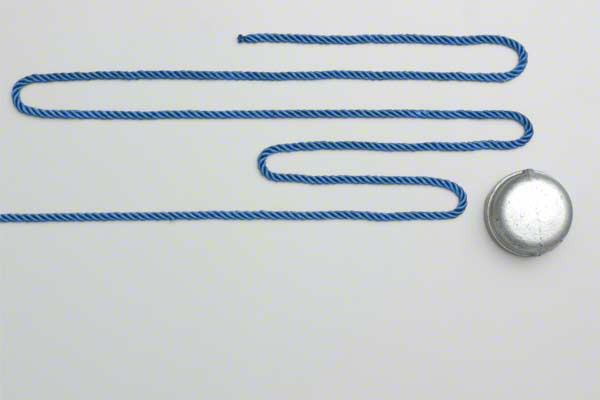
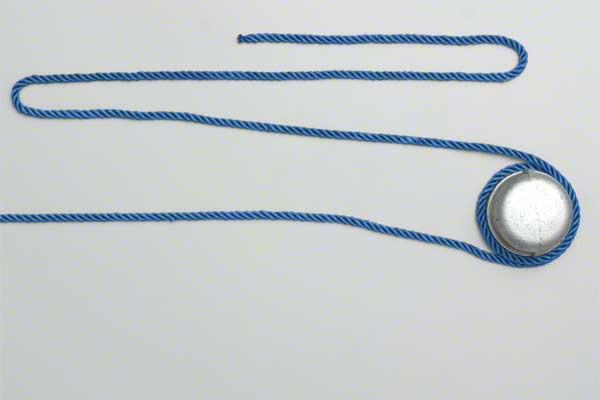
Securing a vessel requires precision. Follow these steps exactly to ensure the knot is tied according to traditional standards.
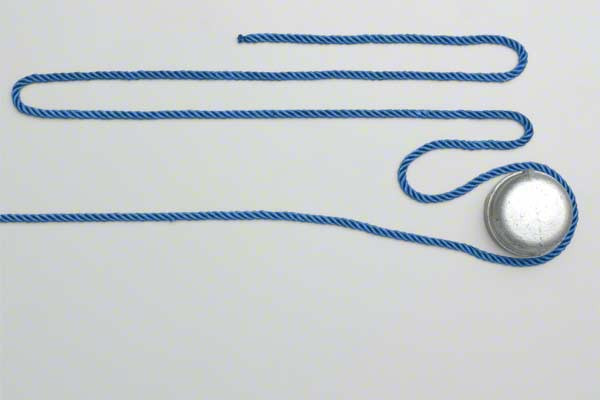
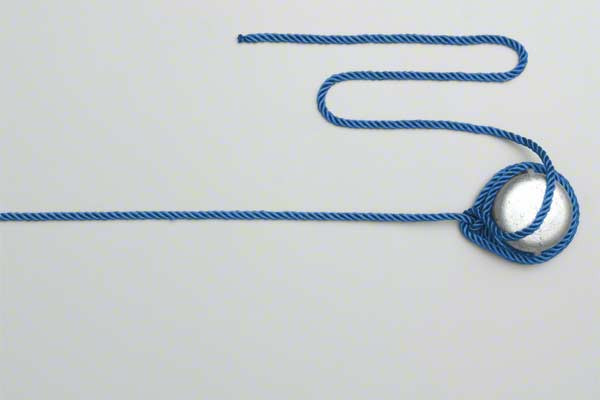
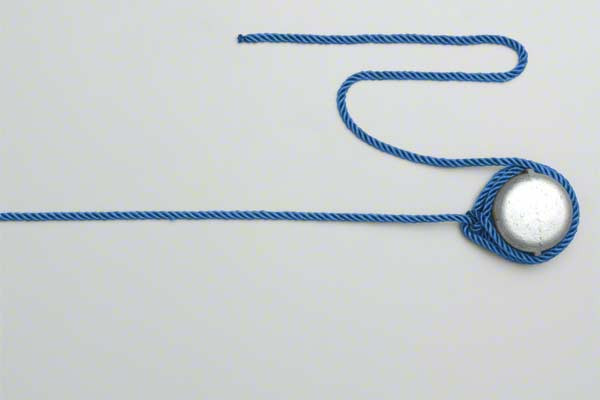
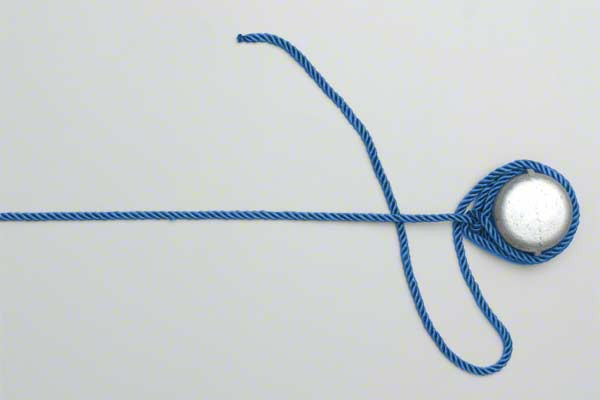
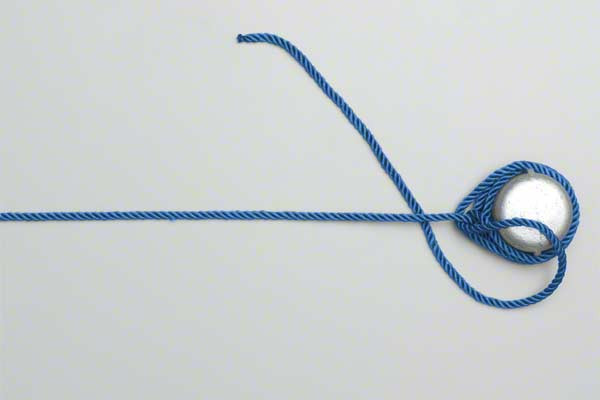
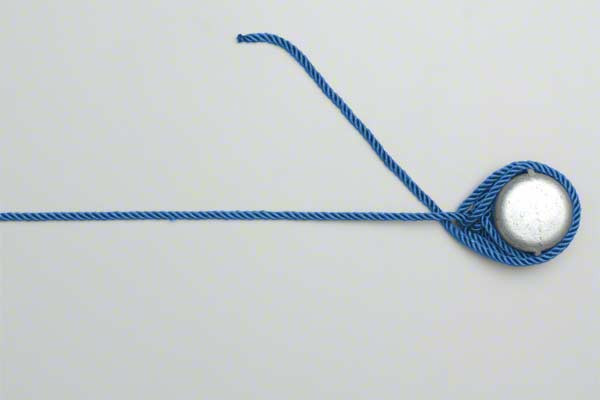
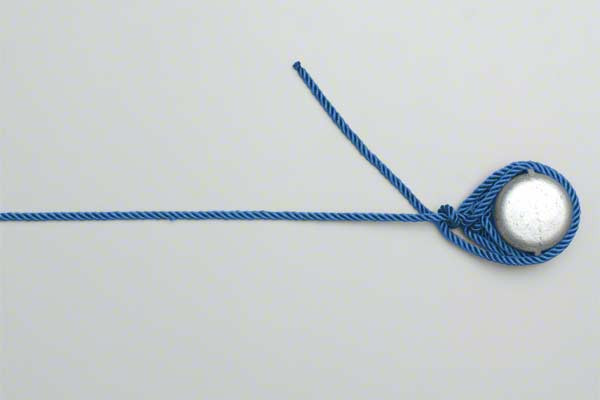
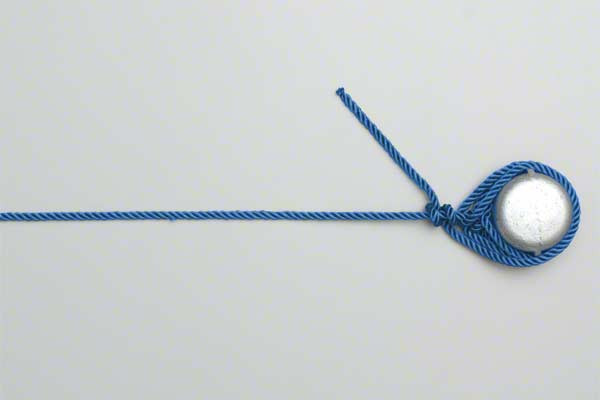
- Wrap the rope twice around the bollard.
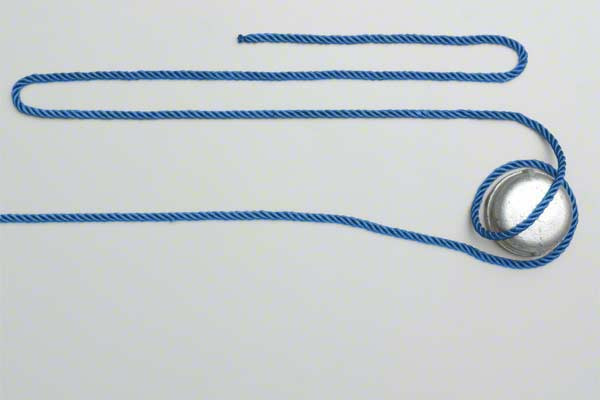
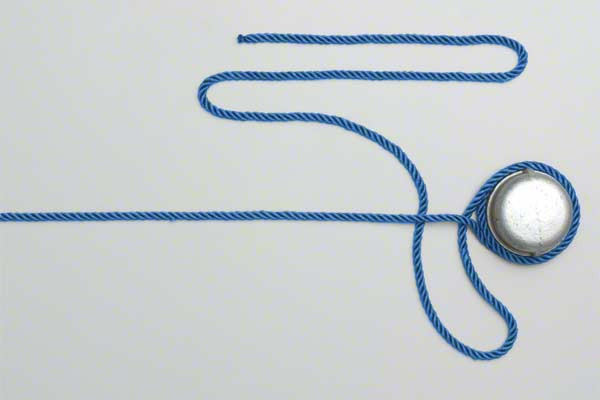
- Pass a bight under the standing end and over the bollard.
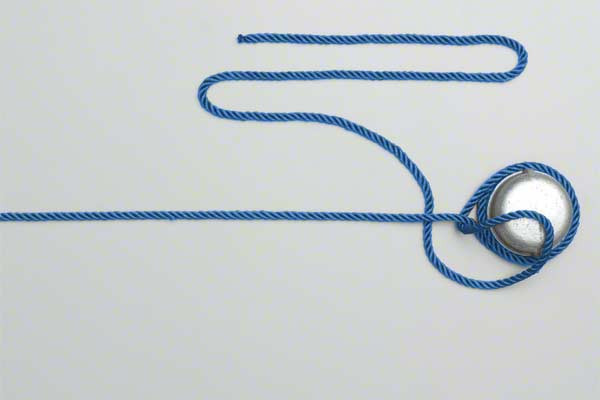
- Wrap an extra turn around the bollard.
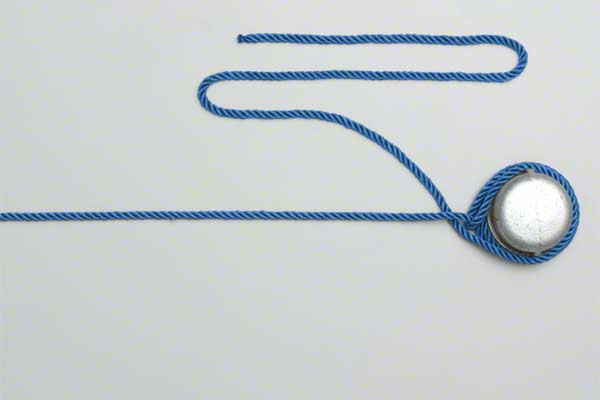
- Pass a bight under the standing end and over the bollard and continue adding more turns as needed.
Common Mistakes to Avoid
Even for those experienced in outdoor rope techniques, the Lighterman’s Hitch can be tricky if the physics of the knot are ignored. Here are the most common errors:
1. Insufficient Initial Turns
The instruction starts with wrapping the rope twice around the bollard. Beginners often try to start the tucks after only one turn. This is dangerous because the first two turns provide the primary friction. Without them, the "bight" will take too much load and may jam or slip.
2. Crossing the Standing End Incorrectly
When you pass a bight under the standing end, ensure you are going under and then over the top of the bollard. If you cross over the standing end first, you create a "binding" point that makes the knot difficult to release under tension, defeating the purpose of the hitch.
3. Ignoring the "Extra Turn"
Step 3 requires an extra turn around the bollard between tucks. This extra turn is what separates a professional Lighterman’s Hitch from a simple series of half-hitches. The extra turn adds a layer of safety and prevents the tucks from "riding up" the bollard.
4. Safety Tip: The "Dead Man’s" Grip
Never wrap the rope around your hand or wrist while making the turns. If the vessel moves suddenly, the rope will tighten instantly, leading to severe injury. Always handle the "working end" with an open palm or a firm grip away from the pinch points.
Related Knots and Splicing
Understanding how the Lighterman’s Hitch knot fits into the broader library of rope knots will help you choose the right tool for the job.
- Clove Hitch: A quick, simple hitch used to secure a rope to a post, though it can slip under heavy oscillating loads.
- Round Turn and Two Half Hitches: A reliable, non-jamming knot used to secure a load to a fixed object like a ring or post.
- Bowline: Often called the "King of Knots," it creates a fixed loop at the end of a rope that won’t slip or bind.
- Cleat Hitch: The standard method for securing a vessel’s dock line to a horn cleat, ensuring stability and easy release.
- Rolling Hitch: A specialized knot used to attach a rope to another rope or a pole when the pull is parallel to the object.
Final Words
The Lighterman’s Hitch is more than just a relic of the industrial age; it is a masterclass in tension management. By following the historical method of wrapping, tucking, and repeating, you ensure that even the heaviest barge or the most stubborn load can be secured with confidence and released with ease.
For anyone pursuing mastery in outdoor rope techniques, the ability to tie this hitch marks a transition from basic knot-tying to advanced rope handling. Practice these steps with different rope types and diameters to feel how the friction changes. Remember: in the maritime world, a knot is only as good as its ability to be untied when the situation demands it. Stay safe, keep your lines clean, and happy tying!
