
Master the Albright Knot: The Ultimate Guide to Joining Lines
In the world of outdoor rope techniques, few connections are as revered and indispensable as the Albright Knot. Whether you are a professional fly fisherman targeting tarpon in the Florida Keys or a weekend hobbyist looking to secure a backing to your reel, the ability to join two lines of significantly different diameters is a critical skill.
The Albright Knot is celebrated for its slim profile and immense strength. Unlike many other rope knots that fail when joining a thick monofilament to a thin braided line, the Albright excels by gripping the thicker line with a series of tight coils. This guide will walk you through everything you need to know about this legendary connection, from its historical roots to the precise technical execution required for a fail-safe knot.
Alternative names: Albright Special, Jimmy Albright Knot.
What Is an Albright Knot?
The Albright Knot is a specialized bend used primarily for joining two lines of unequal diameters or different materials. It was popularized by the legendary Florida Keys guide, Jimmy Albright, who needed a reliable way to connect heavy monofilament leaders to thinner fly lines or braided backings.
Practical Applications
While it is most famous in the angling community, its utility extends to various outdoor rope techniques. In survival situations or general utility, the Albright is used whenever a thin cordage must be securely fastened to a thicker rope or even a wire.
In a fishing context, it is the gold standard for:
- Fly Fishing: Attaching the fly line to the backing.
- Big Game Fishing: Connecting a heavy fluorocarbon shock leader to a braided main line.
- Saltwater Angling: Joining wire trace to monofilament for toothy species like mackerel or shark.
The beauty of the Albright Knot lies in its "low-profile" nature. Because the wraps are wound neatly around a single loop, the resulting knot is tapered. This allows it to glide smoothly through the narrow guides of a fishing rod or over the edge of a pulley without snagging, which is a common failure point for bulkier knots.
Materials and Tools Needed
To tie a perfect Albright Knot, you need the right materials and a few basic tools to ensure the knot is seated correctly.
Line Types
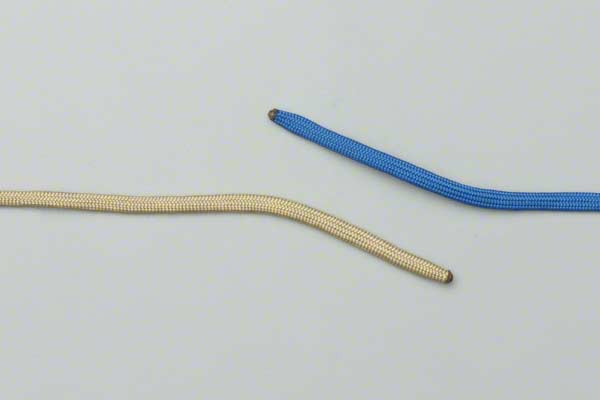
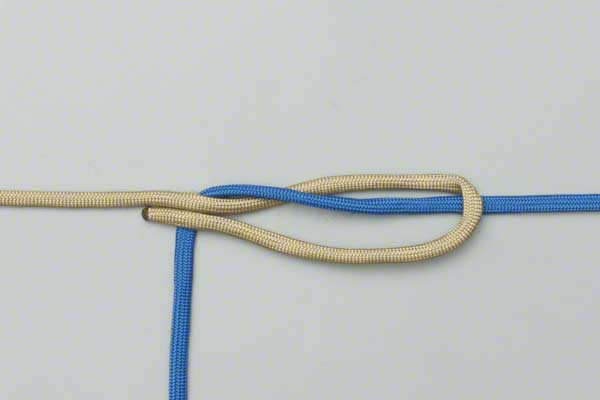
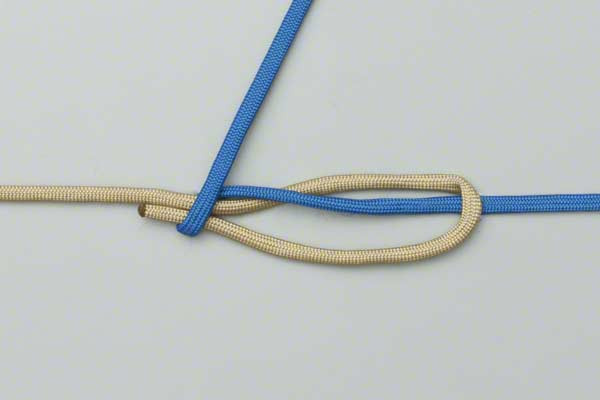
- The Thicker Line (The "Gold" Line): This is usually the leader or the standing part of the rope. In fishing, this is often a thick monofilament or fluorocarbon.
- The Thinner Line (The "Blue" Line): This is the line that will do the wrapping. Braided lines are excellent for this because they are supple and "bite" into the thicker line.
Essential Tools
- Sharp Cutting Tool: A pair of high-quality braid scissors or a sharp knife is necessary. The Albright Knot requires trimming the tag ends very close to the knot to maintain its low profile.
- Lubricant: You should never pull a knot tight "dry." Water or saliva is usually sufficient to prevent friction-based heat from weakening the line.
- Gloves or Pulling Bars: When working with heavy-duty lines, pulling the knot tight can cut into your hands. Using a tool to help cinch the knot ensures maximum security.
How to Tie Albright Knot?
Proper execution of this knot is paramount for safety and performance. Follow these instructions precisely to ensure the connection holds under pressure.
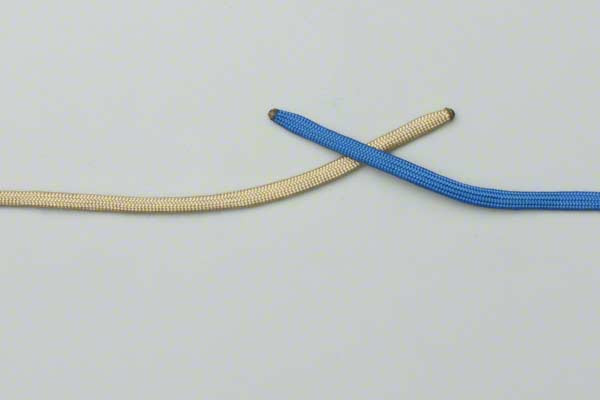
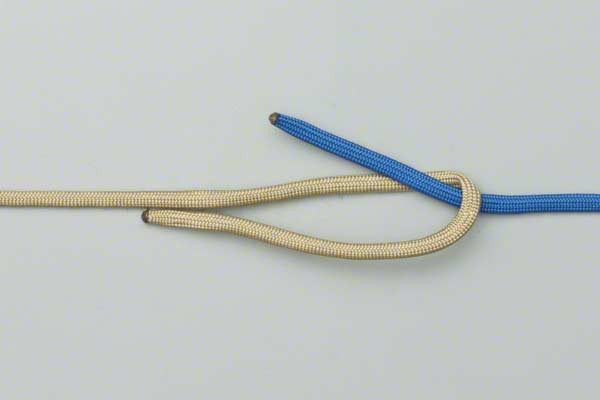
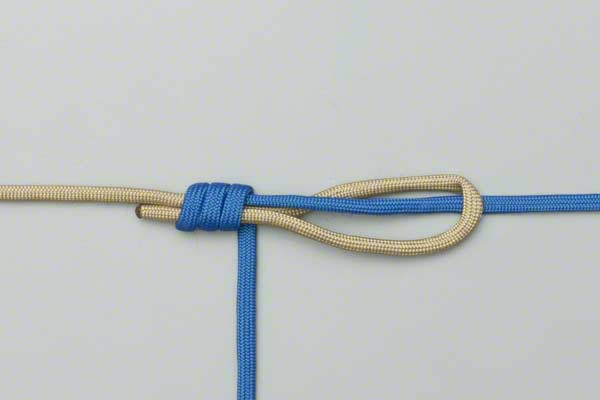
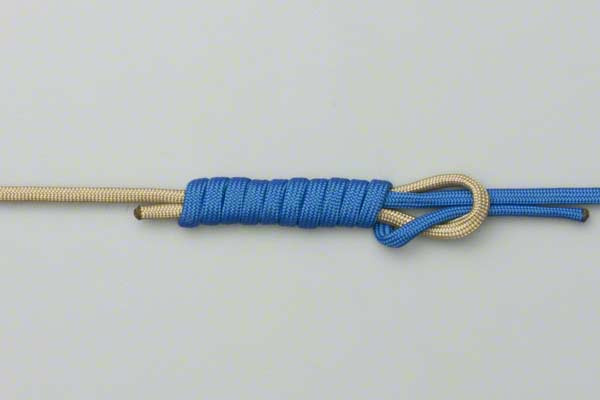
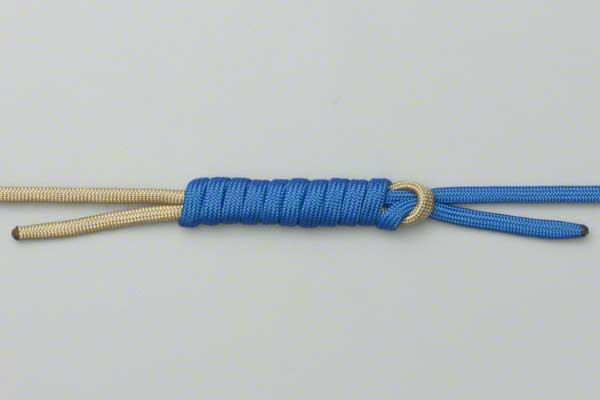
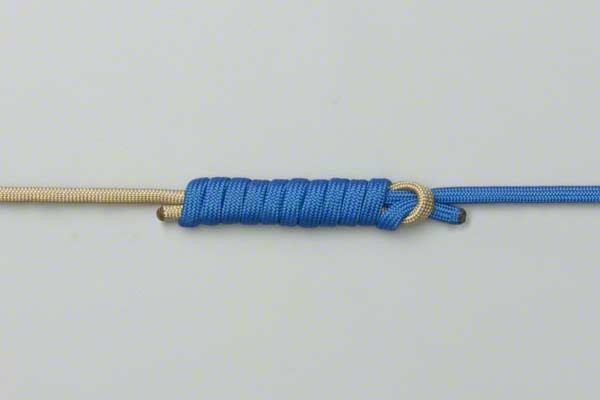
- Form a loop in one line (gold, thicker if unequal).
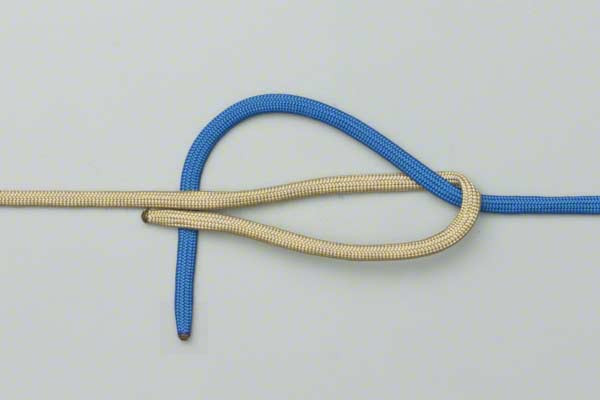
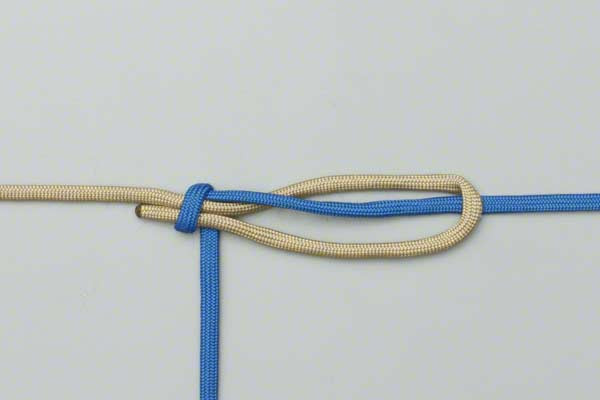
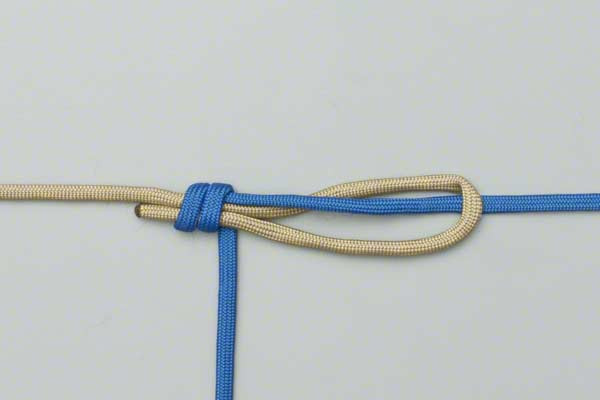
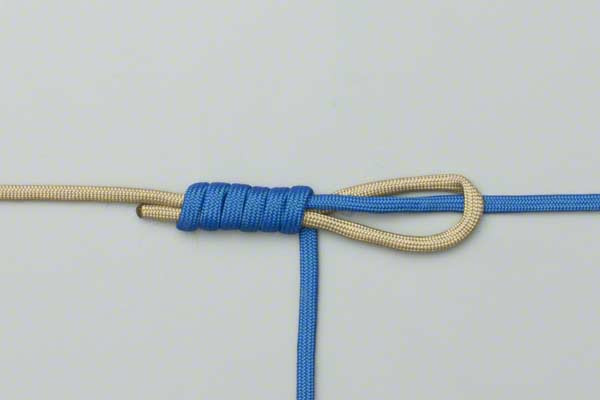
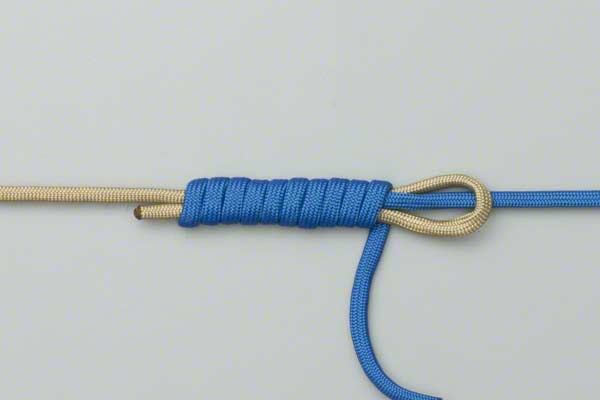
- Pass the end of the other (blue, thinner) line through the loop and wrap it neatly around itself and the loop 10 times.
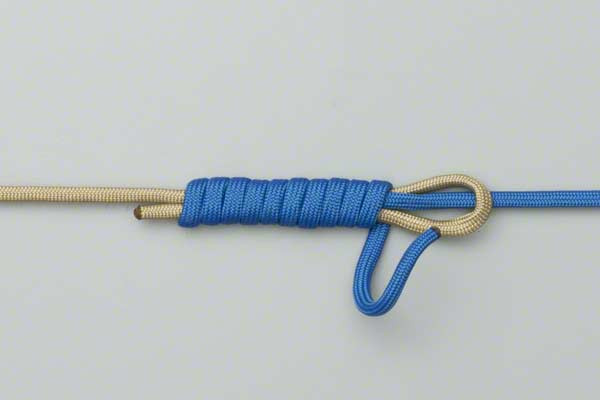
- Then pass the end back through the loop next to itself.
- Lubricate, pull the knot tight, and trim the ends.
Common Mistakes to Avoid
Even seasoned professionals can make mistakes when tying rope knots. With the Albright Knot, precision is the difference between a successful catch and a lost trophy.
1. Crossing the Tag End Incorrectly
A frequent error occurs in Step 3. When passing the end of the thinner line back through the loop, it must exit on the same side it entered. If the line enters from the top but exits through the bottom, the knot becomes unstable and will likely unspool under tension.
2. Overlapping Wraps
The instruction to "wrap it neatly" is not just for aesthetics. If the coils overlap each other during Step 2, the knot will create a high-friction point that can snap the line. Each of the 10 wraps should sit side-by-side like the coils of a spring.
3. Insufficient Lubrication
When you pull the knot tight, the friction between the lines generates heat. This heat can "burn" the monofilament, significantly reducing its breaking strength. Always use water or saliva to lubricate the knot before the final cinch.
4. Trimming Too Close (or Not Close Enough)
If you leave too much of a "tail," the knot will catch on rod guides. If you trim it too close without the knot being fully seated, it may slip out. Ensure the knot is rock-hard and fully tightened before trimming the tag ends.
Related Knots and Splicing
Understanding different outdoor rope techniques involves knowing which knot is best for specific scenarios. Here are a few knots related to the Albright:
- Alberto Knot: An improved version of the Albright that includes wraps back down the loop for added security with slick braided lines.
- Blood Knot: A classic knot used for joining two lines of similar diameter, creating a very slim, symmetrical profile.
- FG Knot: A highly complex but incredibly strong and thin connection that uses a "weave" rather than a standard knot structure.
- Double Uni Knot: A versatile and easy-to-tie connection that joins two lines by tying a sliding knot on each line around the other.
Final Words
The Albright Knot remains a staple in the toolkit of any serious outdoorsman or angler. Its ability to marry disparate materials—like wire to mono or braid to fluorocarbon—makes it one of the most versatile rope knots ever devised.
While it requires a steady hand and attention to detail, the result is a high-strength, low-profile connection that you can trust in the most demanding environments. By following the strict steps provided and avoiding common pitfalls like dry-pulling or improper wrapping, you ensure that your gear is as ready for the adventure as you are. Practice this knot at home with different line weights until the motion becomes second nature, and you will never have to worry about a line failure at the moment of truth.
Whether you are mastering outdoor rope techniques for survival, utility, or sport, the Albright Knot is a fundamental skill that demonstrates true expertise. [NAME] [STEP]