
In the world of mountaineering, search and rescue, and technical rigging, the integrity of your equipment is only as strong as the knots you tie. Among the vast library of rope knots, few families are as respected for their symmetry, strength, and reliability as the "Butterfly" family. While many enthusiasts are familiar with the Alpine Butterfly Loop, its sibling—the Alpine Butterfly Bend—is an indispensable tool for anyone mastering outdoor rope techniques.
The Alpine Butterfly Bend is a specialized method used to join two rope ends together. Unlike simpler bends that may jam under extreme tension or fail when subjected to multi-directional loading, the Butterfly Bend remains stable and relatively easy to untie even after bearing significant weight. Whether you are a professional arborist, a weekend rock climber, or a maritime enthusiast, understanding the nuances of this knot is a hallmark of technical proficiency.
Alternative Names: Butterfly Bend, Lineman’s Bend, Alpine Join.
What Is an Alpine Butterfly Bend?
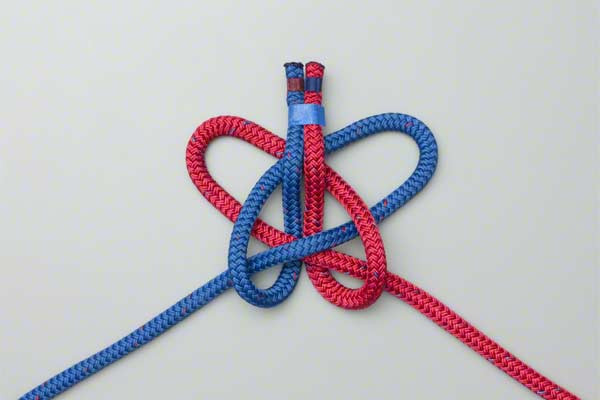
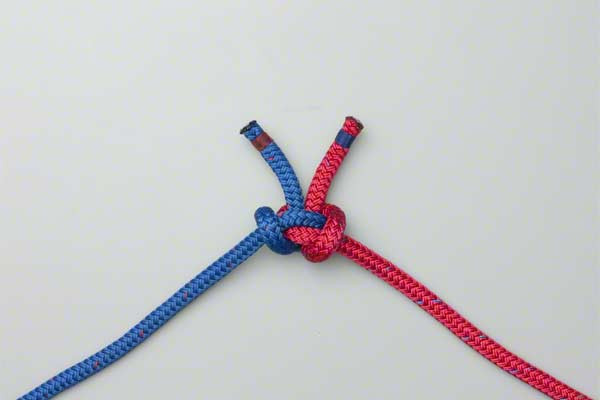
The Alpine Butterfly Bend is a "bend" (a knot used to join two ropes) derived from the same structure as the Alpine Butterfly Loop. It is characterized by its distinct, symmetrical shape that resembles the wings of a butterfly.
Practical Applications and Advantages
The primary purpose of the Alpine Butterfly Bend is to connect two ropes of similar diameter to create a longer line. Its unique geometry provides several advantages:
- Multi-Directional Loading: Unlike many other bends, the Butterfly configuration can handle tension from various angles without deforming or slipping.
- Jam Resistance: Even after being subjected to the weight of a fallen climber or a heavy haul system, the knot does not "weld" itself together. This makes it superior to the Double Fisherman’s knot in scenarios where the rope must be disassembled quickly.
- Security: It is considered one of the most secure bends for critical applications, provided the ropes are of similar material and thickness.
- Visual Inspection: One of the greatest safety features of the Alpine Butterfly Bend knot is how easy it is to inspect. A properly tied knot has a clear, symmetrical pattern that is immediately recognizable, reducing the risk of "knot failure" due to improper tying.
Materials and Tools Needed
Before practicing your outdoor rope techniques, it is essential to have the right materials. The performance of a knot is heavily influenced by the type of cordage used.
Rope Selection
- Static Rope: Ideal for rescue and hauling, static ropes have minimal stretch and hold the Alpine Butterfly Bend exceptionally well.
- Dynamic Rope: Used primarily in climbing, these ropes stretch to absorb shock. The Butterfly Bend is secure here, though the "dress" of the knot must be tightened firmly.
- Accessory Cord: For practice, 6mm to 8mm nylon accessory cord is perfect for visualizing the "wings" of the knot.
- Avoid: Extremely slick synthetic ropes (like some polypropylenes) or ropes of vastly different diameters. Bends are generally most secure when joining identical or very similar lines.
Tools for Practice
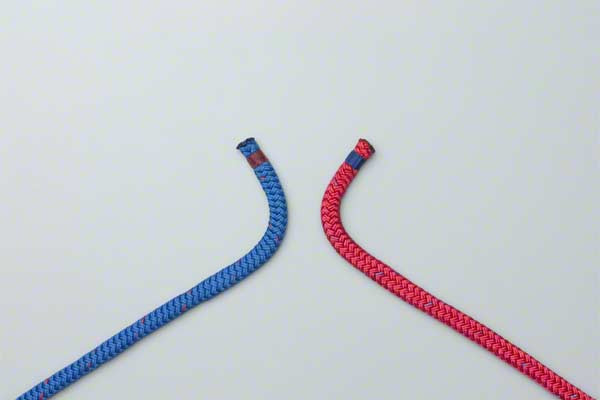
- Two Rope Ends: To tie the bend, you need the "working ends" (or "bitter ends") of two separate ropes.
- Gloves: When tightening knots in high-friction environments, gloves protect against rope burn.
How to Tie Alpine Butterfly Bend?
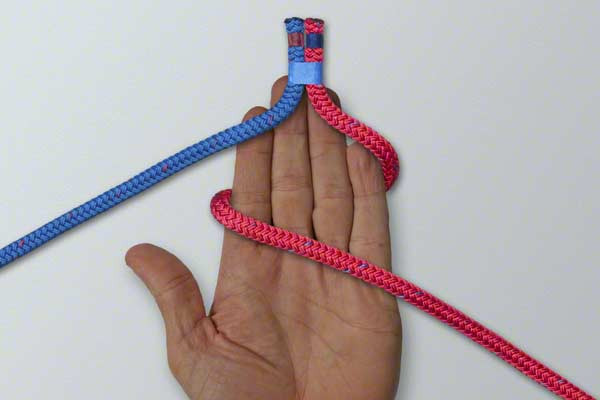
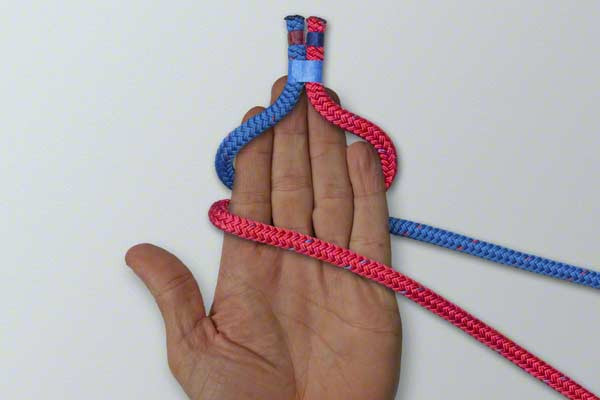
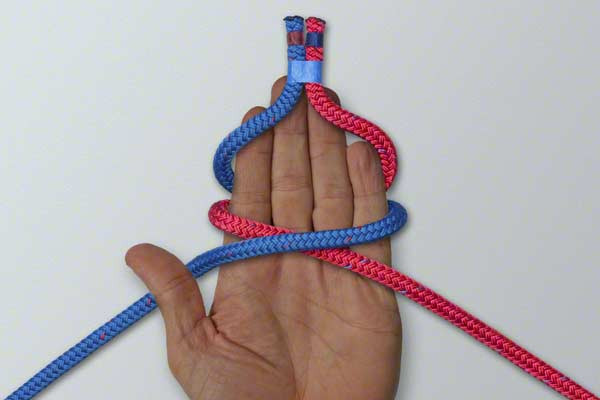
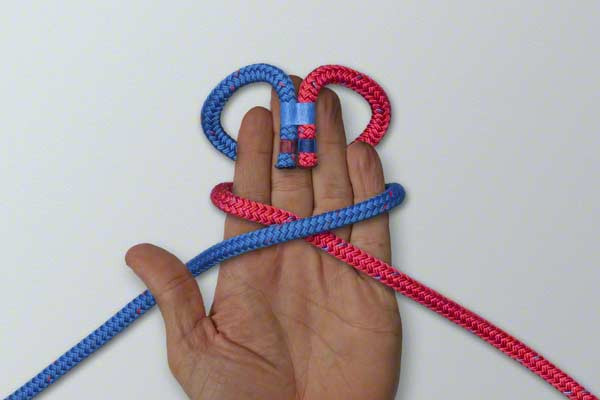
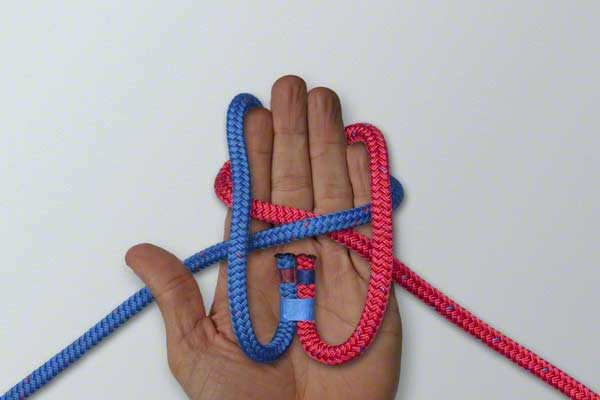
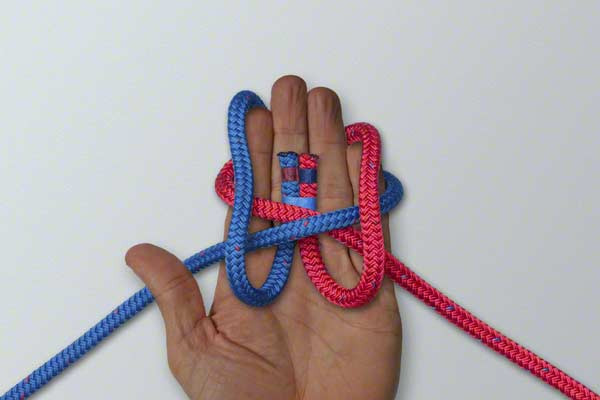
To ensure maximum safety and strength, follow these instructions precisely. This method utilizes a hand-wrapping technique that simplifies the creation of the knot’s complex interlocking loops.
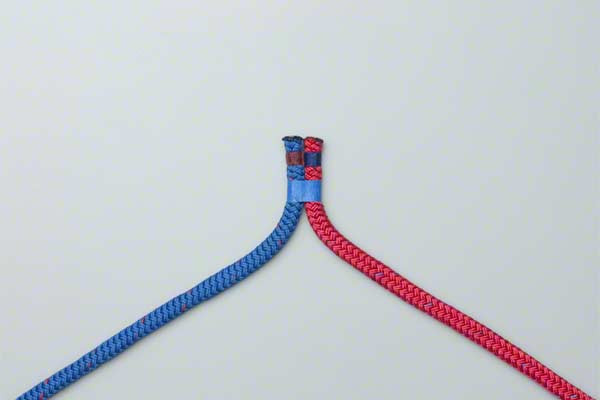
- Join the two ends temporarily.
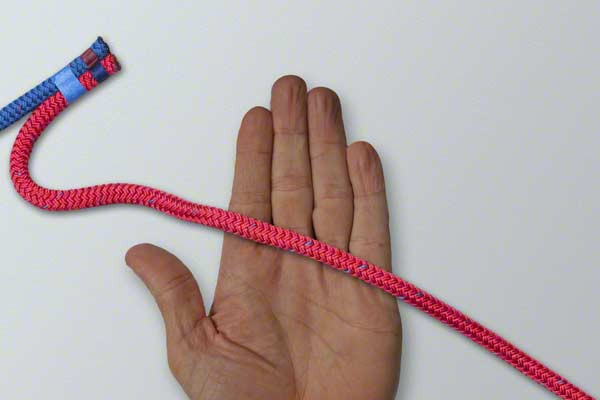
- Wind the rope around your hand so that the join is by your finger tips.
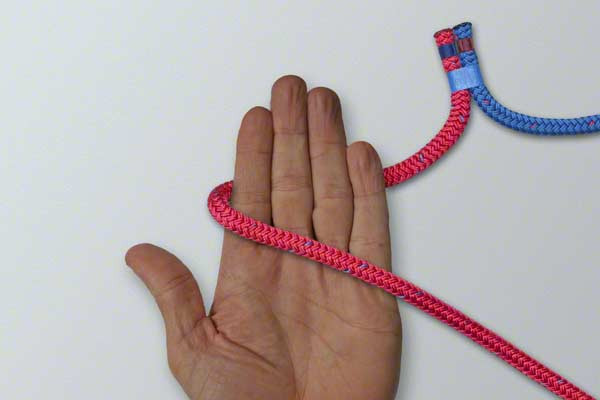
- Go around again.
- Fold the join back and then up under the other ropes.
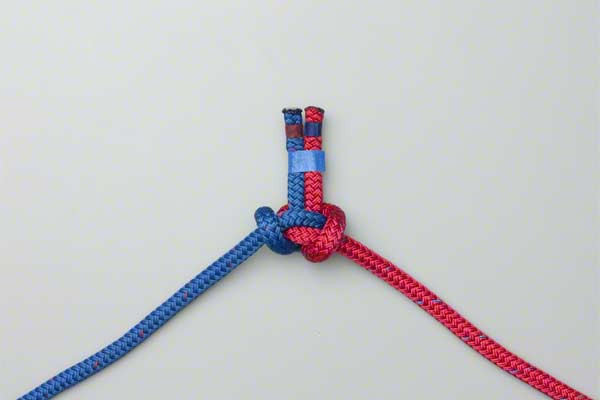
- Push the knot off your hand and tighten to see the appearance of the Alpine Butterfly.
- Finally, release the temporary join.
Note: Once the temporary join is released, ensure you have sufficient "tails" (the remaining ends of the rope) protruding from the knot. A safe standard is at least five times the diameter of the rope for each tail.
Common Mistakes to Avoid
Even for experienced professionals, errors can occur during the tying process. To maintain safety in the field, watch out for these common pitfalls:
1. Insufficient Tail Length
The "tails" are the excess rope ends that exit the knot. If these are too short, the knot could potentially "creep" or unroll under cyclic loading. Always leave ample tail length, and if the application is life-critical, consider adding a backup overhand knot on each tail.
2. Crossing the Strands Incorrectly
The beauty of the Alpine Butterfly Bend knot is its symmetry. If the strands cross over each other in a chaotic fashion during Step 4, the knot will not be an Alpine Butterfly. It may hold temporarily, but it will be difficult to untie and its strength rating will be compromised.
3. Using Mismatched Diameters
While some knots (like the Sheet Bend) are designed for ropes of different sizes, the Butterfly Bend performs best when the two ropes are identical. If you must join ropes of different diameters, perform a rigorous pull-test at ground level before trusting the connection.
4. Failure to "Dress and Set"
"Dressing" a knot means smoothing out the strands so they lie flat and parallel. "Setting" means tightening it. A loose Butterfly Bend can deform when suddenly loaded. Always pull all four strands (the two standing lines and the two tails) to ensure the knot is seated firmly.
Related Knots and Splicing
Expanding your knowledge of rope knots allows you to choose the right tool for every specific situation. Here are several knots related to the Alpine Butterfly Bend:
- Alpine Butterfly Loop: A highly secure, fixed loop tied in the bight of a rope, capable of taking a load in three directions.
- Zeppelin Bend: A symmetrical and jam-resistant bend used to join two ropes, formed by two interlocking overhand loops.
- Double Fisherman’s Knot: A very secure bend consisting of two strangled knots backed up against each other, common in climbing.
- Sheet Bend: A simple, fast knot used specifically for joining two ropes of different diameters or textures, though less secure than a butterfly.
- Hunter’s Bend: Also known as the Riggers’ Bend, it is a stable join based on two interlocking overhand knots.
Final Words
The Alpine Butterfly Bend is more than just a way to connect two pieces of cordage; it is a vital component of a technician’s toolkit. Its ability to remain secure under multi-directional stress while resisting the tendency to jam makes it a favorite among arborists and search-and-rescue teams globally.
By mastering the specific hand-winding technique outlined in this guide, you ensure that your connections are both professional and reliable. However, remember that no guide can replace hands-on practice and professional certification. Always inspect your ropes for wear, choose the appropriate knot for the task at hand, and practice your outdoor rope techniques in a safe environment before heading into the field.
Whether you are extending a haul line or performing complex rigging, the Alpine Butterfly Bend provides the peace of mind that comes from using a time-tested, symmetrical, and high-strength connection. Keep practicing, stay safe, and always double-check your knots!