
In the world of outdoor rope techniques, few knots are as revered by enthusiasts and professionals alike as the Angler’s Loop. Known for its incredible stability, slim profile, and the unique ability to remain perfectly "in-line" with the standing part of the rope, this knot is a staple in any rigger’s or fisherman’s arsenal. Whether you are securing a lure for a trophy trout or creating a fixed loop in a utility cord for camping, the Angler’s Loop knot provides a level of reliability that few other loops can match.
The beauty of this knot lies in its geometry. Unlike the standard Bowline, which can sometimes "spill" or slip when used with modern, high-lubricity synthetic lines, the Angler’s Loop creates a complex series of turns that jam against one another, ensuring the loop stays fixed under significant tension. It is particularly famous in the fly-fishing community, where it is used to create a perfectly straight connection between the leader and the fly line.
Alternative Names: Perfection Loop, Tugman’s Knot.
What Is an Angler’s Loop?
The Angler’s Loop is a fixed loop knot typically tied at the end of a line. It is categorized as a "loop knot" because it creates a permanent circle that does not slip or close up when under a load. What sets it apart from other rope knots is its symmetry and the fact that the resulting loop stands perfectly straight.
Practical Uses and Applications
- Fishing Leaders: Its most common application is in fly fishing. Because the loop is perfectly aligned with the standing line, it allows for a more natural presentation of the fly on the water’s surface.
- General Utility: In camping and hiking, it is an excellent choice for creating attachment points on guy lines or paracord where a non-slip loop is required.
- Decorative Knotting: Due to its elegant, flat appearance, it is often used in decorative lanyard making and macramé.
- Light Rigging: While not intended for life-safety applications like rock climbing, it is highly effective for hanging gear or securing lightweight loads in a workshop.
One of the most significant advantages of the Angler’s Loop is its performance in thin, slippery materials like monofilament and fluorocarbon. It maintains a high percentage of the original line strength, making it a "strong" knot in technical terms.
Materials and Tools Needed
To master this knot, you should practice with various types of cordage to understand how different materials behave.
Recommended Rope Types
- Monofilament and Fluorocarbon: These are the primary materials for which this knot was designed. The Angler’s Loop knot thrives in these "slick" materials where other knots might fail.
- Paracord (550 Cord): For beginners, using paracord is highly recommended. The thickness allows you to see the internal structure of the knot as you tighten it.
- Static Nylon Cord: Good for general utility use.
- Braided Line: While effective, be aware that braided fishing lines may require extra wraps or careful tightening to prevent slippage.
Essential Tools
- Sharp Cutting Tool: A pair of line nippers or a sharp knife is required to trim the end once the knot is set.
- Lubricant: In fishing applications, water or saliva is essential. For thicker industrial ropes, a drop of water can help the fibers slide into place without generating heat-damaging friction.
- Tensioning Post: Sometimes, holding the loop with a hook or a post helps in pulling the knot tight evenly.
How to Tie Angler’s Loop?
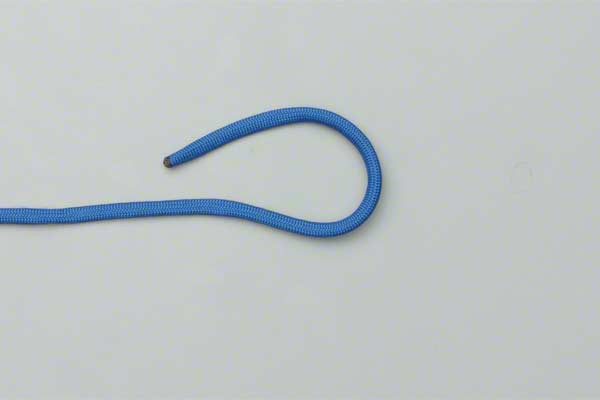
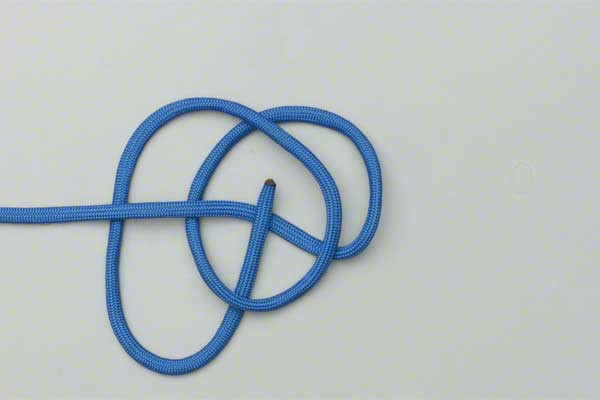
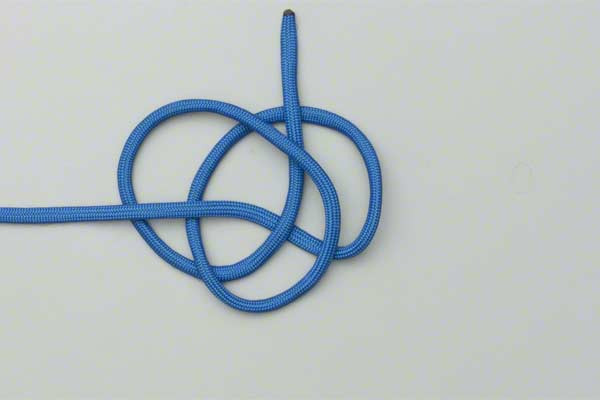
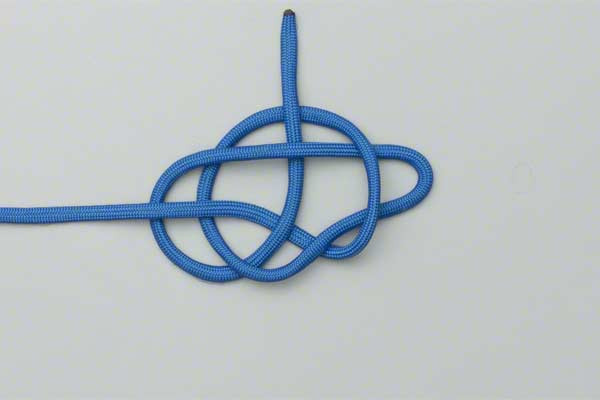
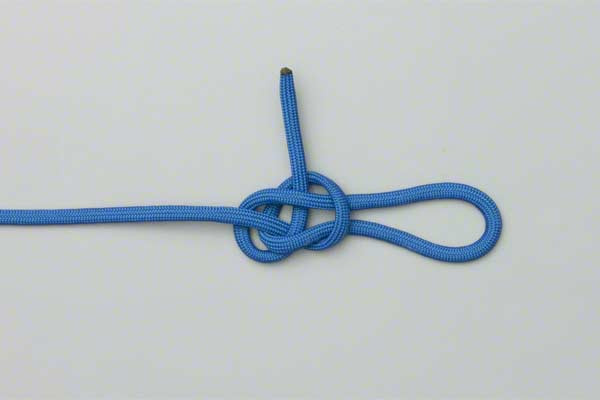
Following the proper sequence is vital to ensure the knot sets correctly and maintains its structural integrity. Use the following steps to tie a perfect Angler’s Loop:
- Form a loop in the end of the line.
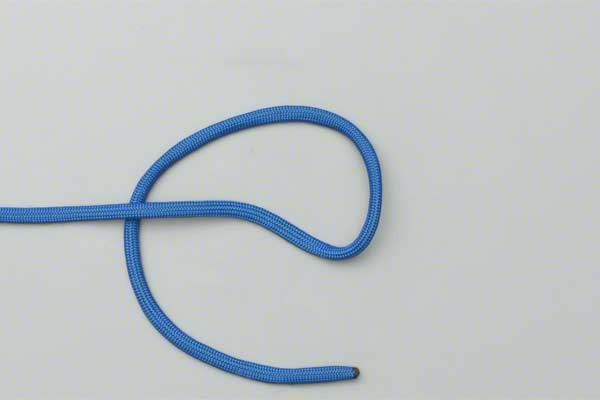
- Form a second loop and lay it on top of the first with the tag end under the standing end.
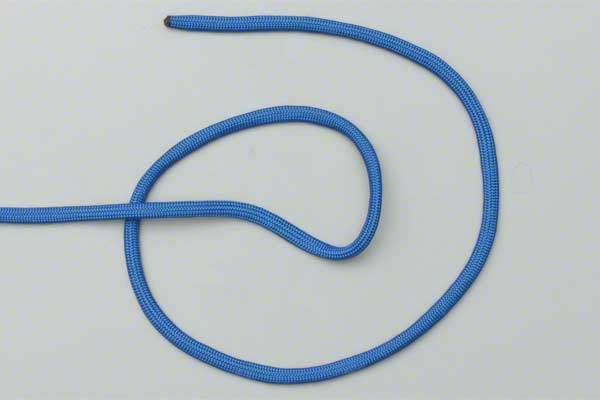
- Pass the tag end between the two loops.
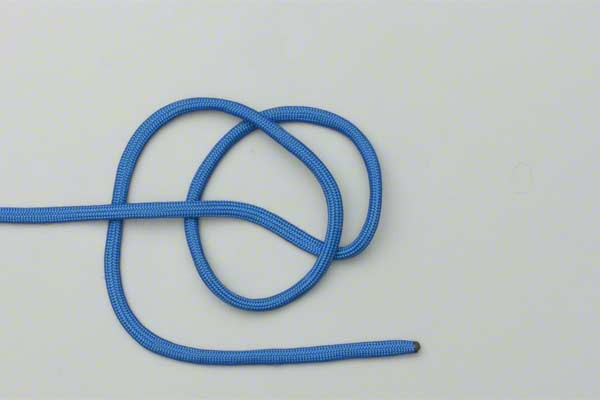
- Pull the top loop through the bottom loop.
- Lubricate and tighten by pulling on the standing end and the new loop.
- Trim the end.
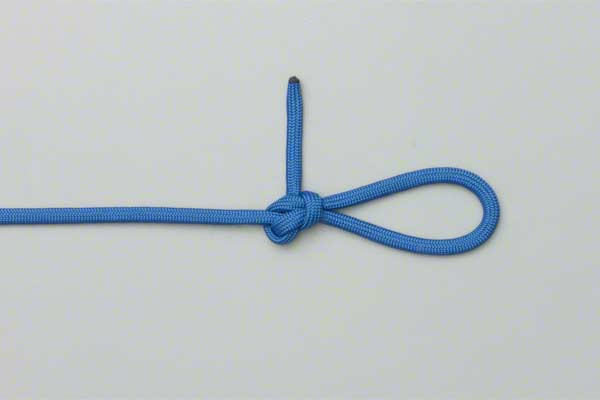
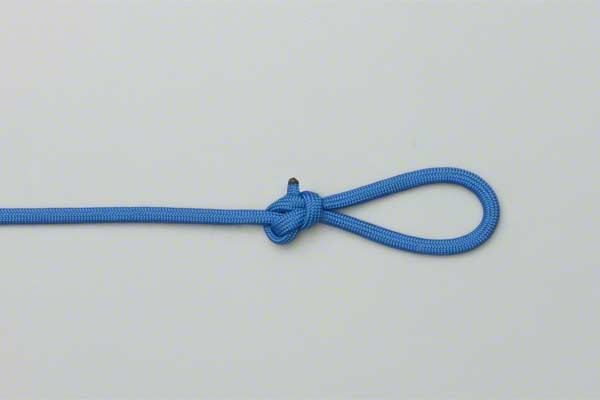
Common Mistakes to Avoid
Even seasoned outdoorsmen can occasionally fumble the Angler’s Loop knot. To ensure safety and performance, avoid these common pitfalls:
1. Failure to Lubricate
This is the most common mistake when working with monofilament. When you pull the knot tight, the friction generates heat. This heat can "burn" the line, significantly weakening the plastic and causing the knot to snap under minimal pressure. Always lubricate the knot with water or saliva before the final cinch.
2. Incorrect Loop Overlap
In Step 2, if the second loop is placed under the first instead of on top, the geometry of the knot will fail. The tag end must be positioned correctly under the standing end to create the necessary "jamming" action that gives the knot its strength.
3. Leaving the Tag End Too Long or Too Short
If the tag end is too short, it may pull back into the knot under extreme tension. Conversely, leaving it too long can snag on weeds or debris in a fishing scenario. Always trim the end to about 1/8th of an inch (3mm) for a clean finish.
4. Using for Life-Safety Applications
While the Angler’s Loop is a robust outdoor rope technique, it is not a climbing knot. For applications involving human weight, always use a Figure Eight Loop or a double-knotted Bowline.
Related Knots and Splicing
Understanding how the Angler’s Loop compares to other rope knots will help you choose the right tool for the job.
The Bowline
The Bowline is the "King of Knots," used to form a fixed loop at the end of a rope. While it is easier to untie after being heavily loaded compared to the Angler’s Loop, it is prone to slipping in modern synthetic materials. It is best used in natural fiber ropes or thick braided lines.
Figure Eight Loop
The Figure Eight Loop is the gold standard for climbing and rescue. It is incredibly strong and easy to visually inspect. However, it is much bulkier than the Angler’s Loop and does not sit as "in-line" with the standing part of the rope, making it less ideal for fishing leaders.
Surgeon’s Loop
This is a very simple loop made by tying a double overhand knot in a bight of line. It is faster to tie than the Angler’s Loop but creates a bulkier profile and can sometimes sit at an angle to the main line, which may affect the presentation of a fishing lure.
Bimini Twist
A much more complex knot used in offshore fishing. The Bimini Twist creates a loop that retains 100% of the line’s breaking strength by distributing the load across dozens of wraps. It is far more time-consuming to tie than the Angler’s Loop but necessary for heavy saltwater game fishing.
Final Words
The Angler’s Loop is an indispensable skill for anyone serious about outdoor rope techniques. Its combination of a slim profile, high knot strength, and perfect alignment makes it the premier choice for anglers and general hobbyists alike. While it may require a bit of practice to master the overlapping loops, the result is a sophisticated and reliable connection that will not let you down in the field.
By following the precise steps of forming the loops, passing the tag end, and ensuring proper lubrication, you can ensure that your gear remains secure. Whether you are rigging a fly rod for a weekend trip or organizing your camping gear, the Angler’s Loop knot is a testament to the fact that sometimes the most effective solutions are also the most elegant. Keep practicing, stay safe, and always test your knots before putting them under a real-world load.