
Master the Arbor Knot: The Essential Guide to Spooling Your Reel
In the world of angling and outdoor rope techniques, few things are as fundamental yet overlooked as the connection between your fishing line and your reel. Whether you are a seasoned pro preparing for a deep-sea expedition or a beginner setting up your first spinning reel, the foundation of your gear setup starts at the arbor. This is where the Arbor Knot comes into play.
A poorly tied starting knot can lead to the frustrating experience of "spool slip," where the entire mass of line rotates around the reel under tension, making it impossible to retrieve a heavy fish. The Arbor Knot is the gold standard for preventing this issue. It is a simple, effective, and reliable method that has been used by generations of outdoorsmen to ensure their equipment performs when it matters most.
In this comprehensive guide, we will explore the nuances of the Arbor Knot, the materials required to execute it perfectly, and provide a definitive step-by-step tutorial.
Alternative Names: Reel Knot, Spool Knot, Arbor Hitch.
What Is an Arbor Knot?
The Arbor Knot is a specialized hitch used primarily in fishing to attach the "tag end" of a fishing line to the "arbor" (the center cylinder) of a fishing reel. While it is technically a variation of a sliding hitch, its specific application in angling has earned it a dedicated place in the lexicon of rope knots.
Practical Uses and Applications
The primary function of the Arbor Knot is to provide a secure anchor point. While you hope never to see the "bottom" of your spool while fighting a fish, if a powerful catch runs out all your line, the Arbor Knot is the final line of defense that keeps your line attached to the reel.
Beyond fishing, the principles of the Arbor Knot—using a stopper knot to secure a sliding loop—can be applied to various outdoor rope techniques, such as securing a thin cord to a cylindrical post or starting a lash in primitive bushcraft.
Materials and Tools Needed
To tie a perfect Arbor Knot, you don’t need a complex toolkit, but choosing the right materials for your specific environment is crucial for success.
1. The Reel (The Arbor)
The "arbor" is the central hub of your reel. Whether you are using a baitcaster, a spinning reel, or a fly reel, the surface of the arbor will dictate how well the knot grips. Some modern reels feature "braid-ready" spools with rubber gaskets to help the knot bite.
2. Fishing Line Types
- Monofilament: The most common line for this knot. Its natural elasticity and "grip" make the Arbor Knot incredibly secure.
- Fluorocarbon: Similar to monofilament but stiffer. It requires extra care when tightening to avoid friction damage.
- Braided Line: Braid is notoriously slick. When using the Arbor Knot with braid, many experts recommend adding a few wraps of electrical tape to the arbor or using a monofilament "backing" to provide the necessary friction.
3. Essential Tools
- Line Clippers or Scissors: For trimming the tag end close to the stopper knot.
- Water or Lubricant: Essential for wetting the line before the final pull to prevent heat damage from friction.
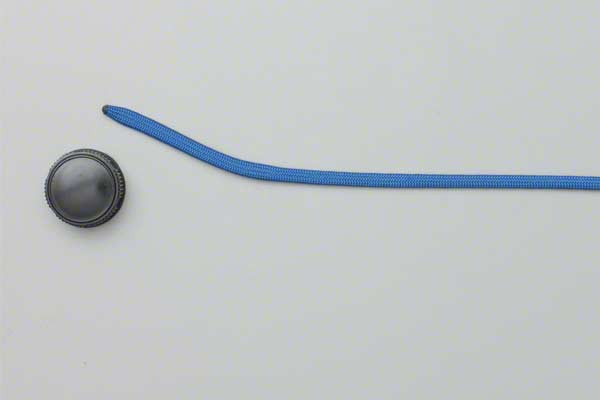
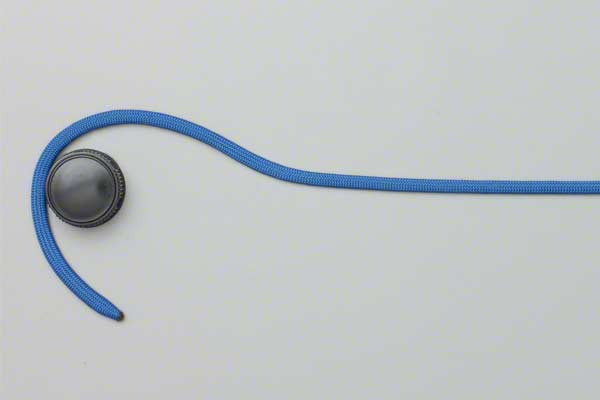
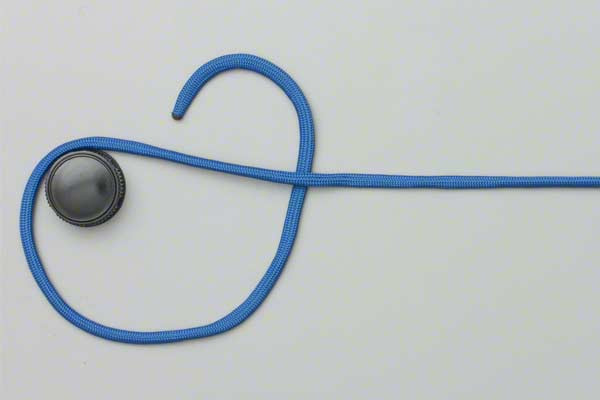
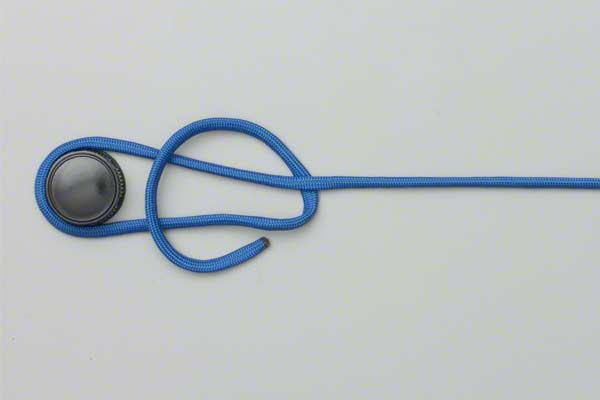
How to Tie Arbor Knot?
To achieve a professional-grade result, follow these instructions precisely. The beauty of this knot lies in its simplicity and the mechanical advantage of the stopper knot.
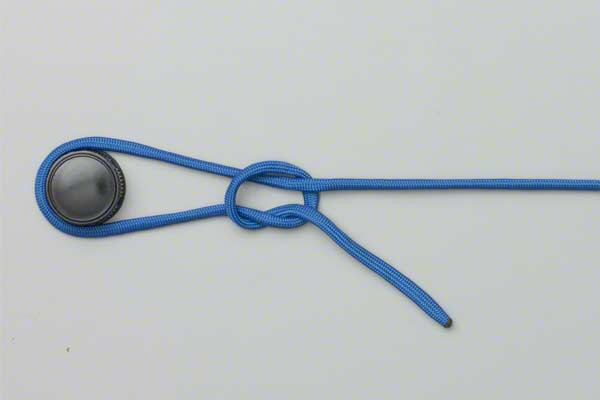
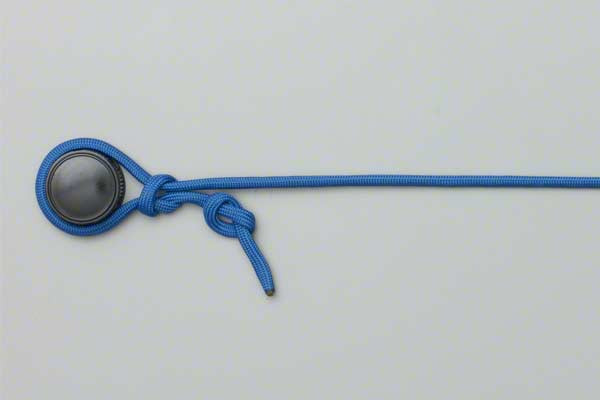
- Pass the fishing line round the arbor.
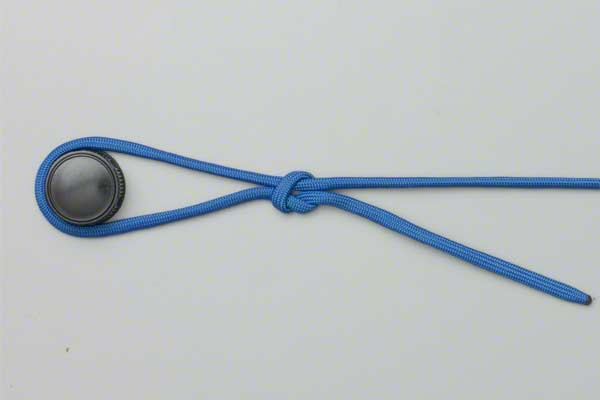
- With the free end, tie an overhand knot around the line.
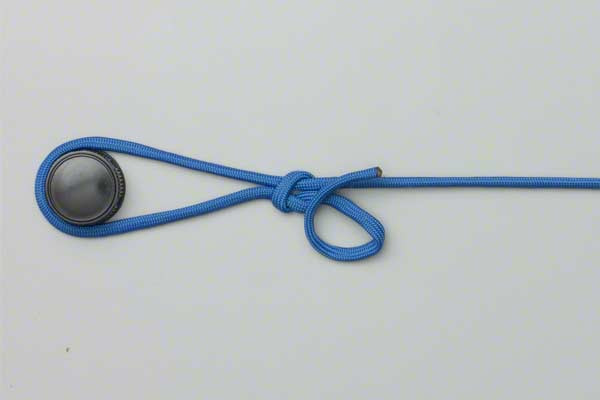
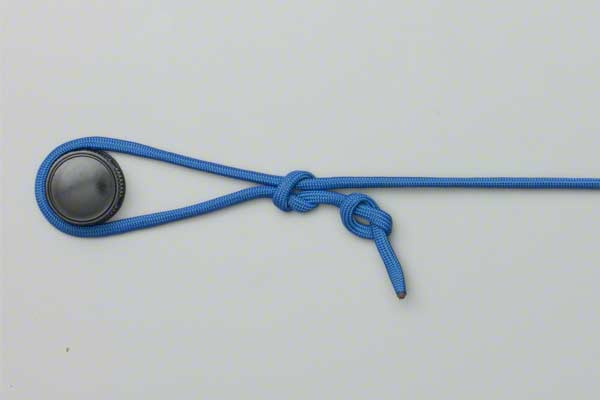
- Then tie a second overhand knot in the free end to act as a stopper.
- Finally, slide the knots down tight against the arbor.
Common Mistakes to Avoid
Even though the Arbor Knot is straightforward, small errors in execution can lead to equipment failure. Here are the most common pitfalls to watch out for:
1. Forgetting the Lubricant
When you slide the knots down tight, the friction between the lines generates heat. In synthetic materials like nylon or fluorocarbon, this heat can weaken the line significantly. Always moisten the knot with water or saliva before the final cinching process.
2. Improper Stopper Knot Placement
The "second overhand knot" acts as the safety mechanism. If this stopper knot is tied too far from the first knot, or if it is not tightened sufficiently itself, it may slip through the first overhand knot, causing the entire system to unravel.
3. Spooling Direction
While not a fault of the knot itself, tying the Arbor Knot and then winding the line in the wrong direction can cause the knot to loosen rather than tighten. Ensure that as the reel turns, it pulls the line in a way that further seats the knot against the arbor.
4. Using Braid Without a Surface Grip
As mentioned previously, braided line is very smooth. If you tie an Arbor Knot directly onto a polished metal spool with braid, the entire spool of line may spin as one unit. Always use a backing or a small piece of tape to give the Arbor Knot something to "bite" into.
Related Knots and Splicing
Understanding how the Arbor Knot fits into the wider world of outdoor rope techniques can help you become a more versatile outdoorsman. Here are a few related knots:
- Uni Knot: A versatile knot used for terminal tackle; it can also be used as an alternative to the Arbor Knot for spooling.
- Improved Clinch Knot: The most popular knot for attaching hooks and lures, focusing on wrap-around strength.
- Palomar Knot: Known for its incredible strength and simplicity, often used with braided lines for high-stress connections.
- Blood Knot: An essential splicing knot used to join two sections of line of similar diameter together.
- Surgeon’s Loop: A quick and easy way to create a fixed loop at the end of a line for "loop-to-loop" connections.
The Physics of the Arbor Knot: Why It Works
From a technical standpoint, the Arbor Knot is a "choking" hitch. The first overhand knot creates a loop that encompasses the standing part of the line. As you pull the standing part, the loop constricts around the arbor.
The genius of the design is the stopper knot. Without the second overhand knot, the tag end would simply pull through the first loop under heavy pressure. The stopper knot creates a physical barrier that is larger than the aperture of the first overhand knot. This creates a mechanical lock: the harder the fish pulls, the tighter the first knot grips the arbor, and the more firmly the stopper knot seats against the primary knot.
This "self-tightening" property is a hallmark of high-quality rope knots. It ensures that the connection remains secure even as the diameter of the line might slightly compress under extreme tension.
Final Words
The Arbor Knot is a testament to the idea that the most effective solutions are often the simplest. By mastering this essential piece of outdoor rope techniques, you ensure that your fishing journey begins on a solid foundation. It is the first step in a successful day on the water, providing the peace of mind that your line is truly "one" with your reel.
Whether you are chasing panfish in a local pond or marlin in the deep blue, the Arbor Knot is a reliable partner. Take the time to practice it until it becomes second nature, and you will never have to worry about the dreaded spool slip again. Tight lines!