
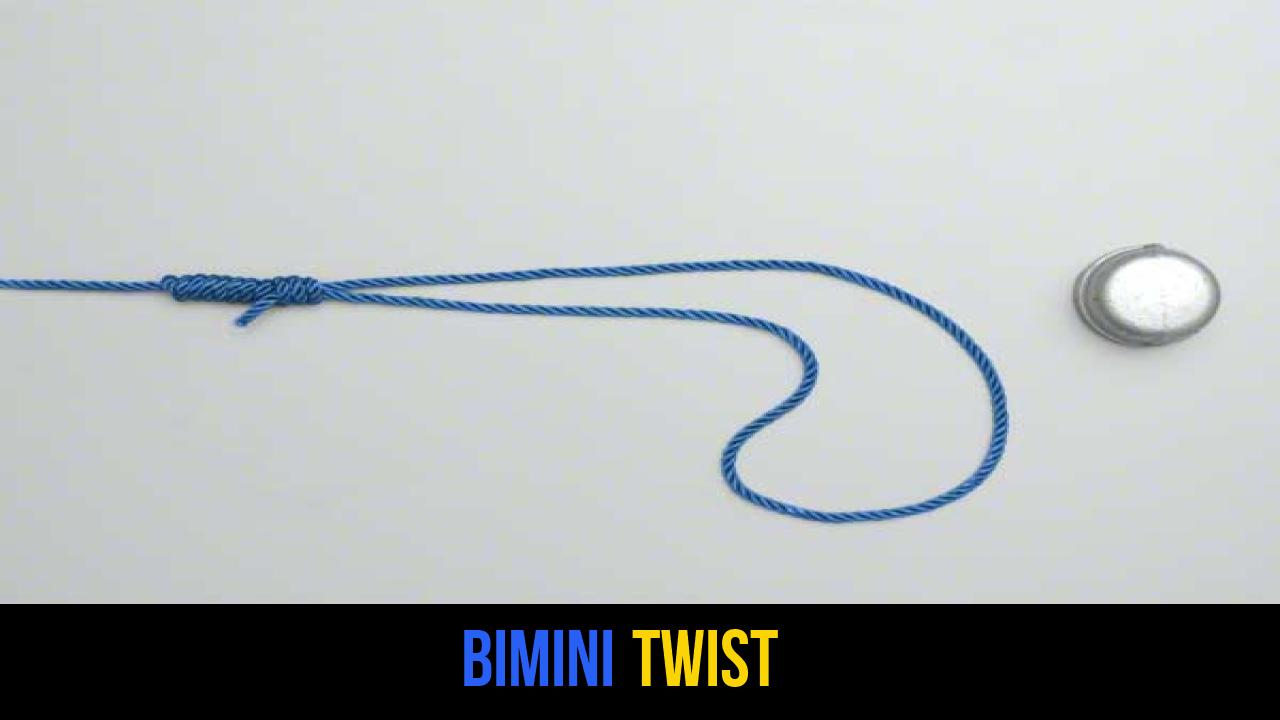
In the world of professional angling and heavy-duty outdoor rope techniques, few names carry as much weight as the Bimini Twist. Often referred to as the "100% knot," this legendary connection is a staple for offshore fishermen and rigging experts who cannot afford a failure at the most critical moment. Whether you are battling a thousand-pound marlin or securing a heavy load in a marine environment, understanding the mechanics and execution of the Bimini Twist knot is a fundamental skill.
Unlike many other rope knots that inherently weaken the line by creating sharp angles or crush points, the Bimini Twist utilizes a series of wraps to distribute pressure across a long section of the line. This unique structure ensures that the breaking strength of your setup remains at the manufacturer’s rated limit—or sometimes even exceeds it by providing a double-line buffer.
In this comprehensive guide, we will explore the history, utility, and precise method for tying this essential knot, ensuring you have the confidence to tackle any high-stakes outdoor scenario.
Alternative Names: 20-Turn Bimini, The 100% Knot, Offshore Loop, Double-Line Twist.
What Is a Bimini Twist?
The Bimini Twist is a specialized friction knot used primarily to create a strong, permanent loop at the end of a fishing line. Its primary function is to double the line, which then allows for the attachment of leaders or swivels via other knots (like the Bristol or Yucatan knot) without compromising the integrity of the main line.
Practical Uses and Applications
While its most famous application is in offshore big-game fishing, its utility extends into various outdoor rope techniques:
- Big-Game Angling: Used to create a double line for catching marlin, tuna, and shark. The loop provides a "cushion" and extra abrasion resistance during the final stages of a fight.
- Fly Fishing: Saltwater fly fishers use it to connect heavy backing to the fly line, ensuring the connection doesn’t fail when a powerful fish "runs" into the backing.
- Marine Rigging: In situations where a high-strength loop is needed in synthetic fibers, the Bimini Twist serves as a reliable, non-slip solution.
- Shock Absorption: Because the knot consists of many twists, it offers a slight amount of "stretch" or mechanical spring, which can absorb sudden jolts that would snap other knots.
Materials and Tools Needed
To tie a perfect Bimini Twist knot, you need to consider the material of your line and the environment in which you are working.
- Line Types:
- Monofilament: The classic choice. Monofilament’s elasticity works perfectly with the "spring" of the twists.
- Fluorocarbon: Requires careful tightening as fluorocarbon is more prone to heat damage from friction.
- Braided Line: When using braid, you typically need to double the number of twists (often 40 or more) because the material is much more slippery than monofilament.
- Tools:
- A Fixed Point: Many professionals use a boat cleat, a chair leg, or even their own foot to hold the loop while they create the twists.
- Gloves: When working with heavy-test lines, gloves prevent "line burn" when cinching the knot tight.
- Lubricant: Water or saliva is essential to reduce friction heat during the final "roll-down" phase.
How to Tie Bimini Twist?
Follow these instructions exactly as provided to ensure a secure and functional knot. Precision is key when creating the friction wraps that give this knot its legendary strength.
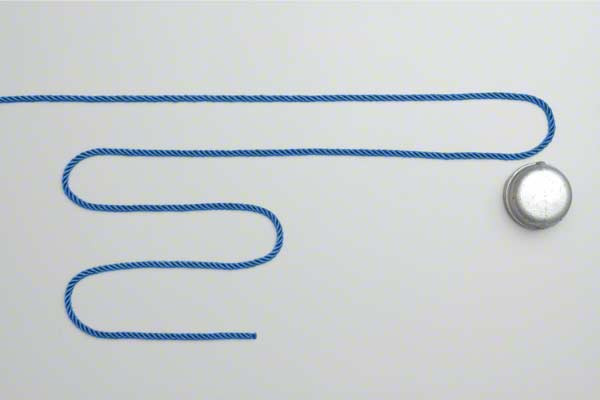
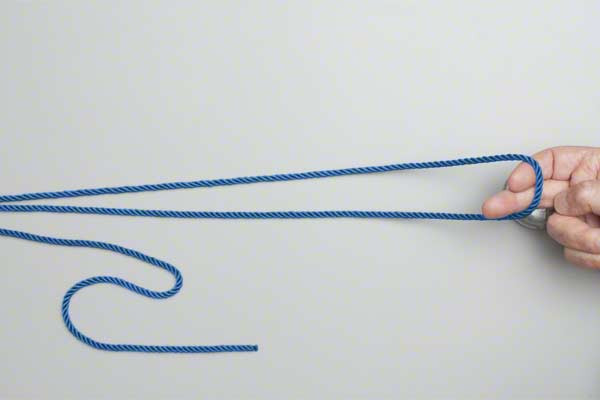
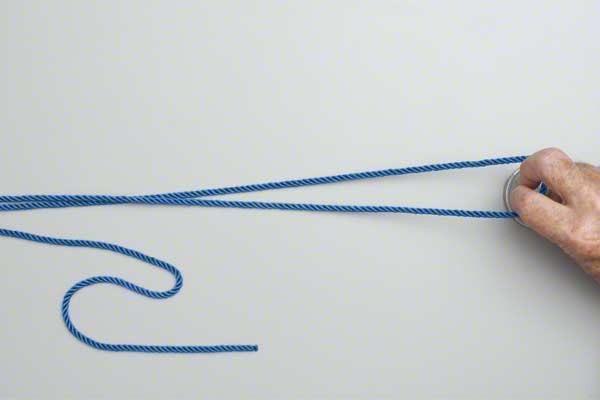
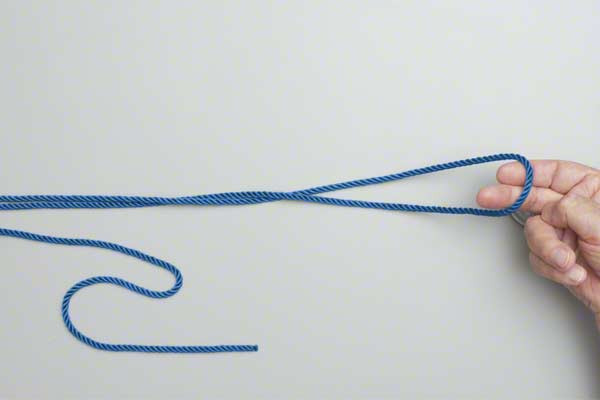
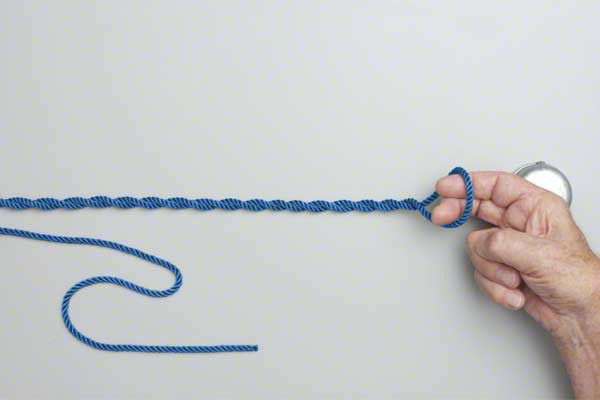
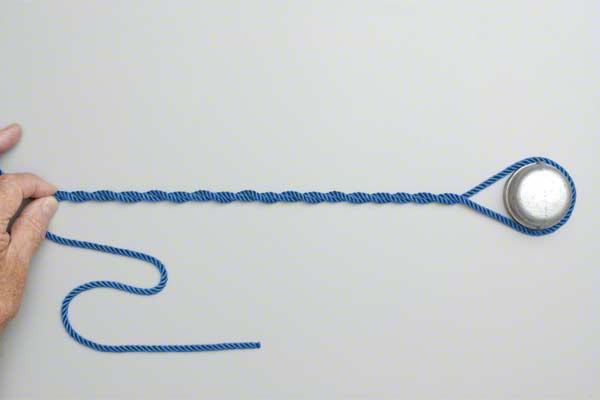
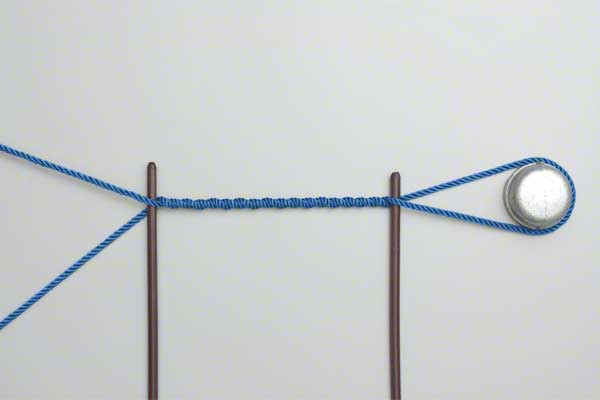
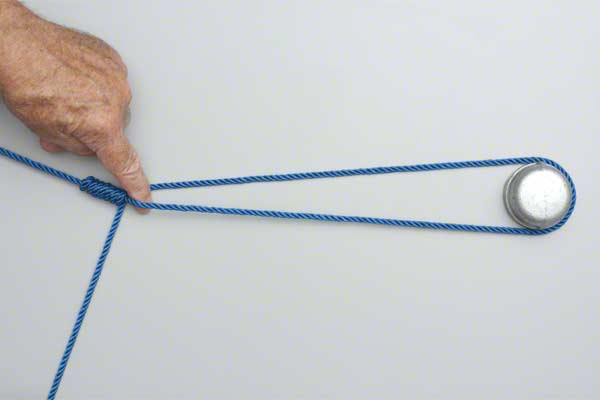
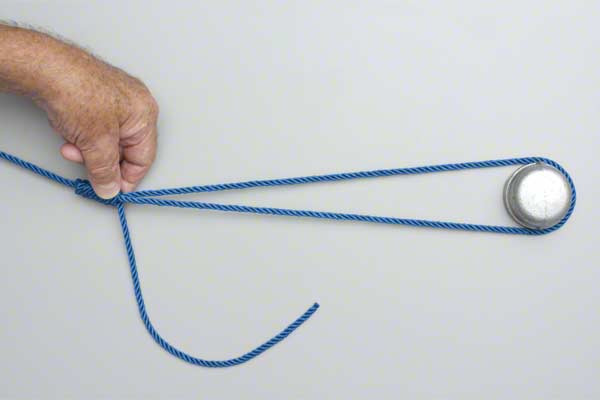
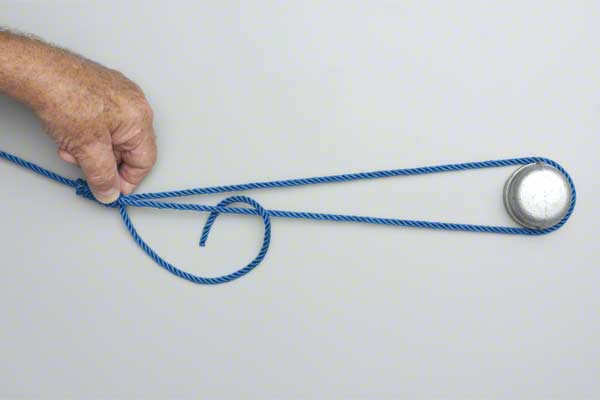
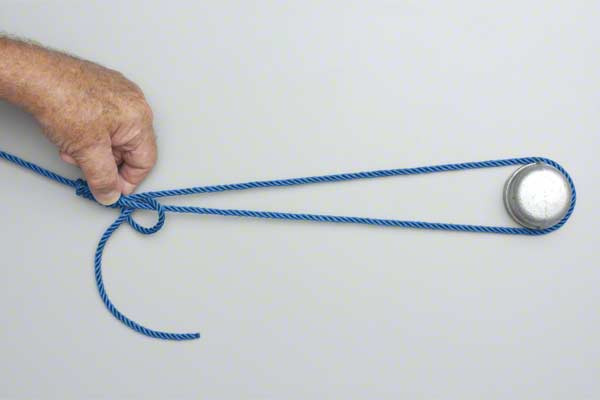
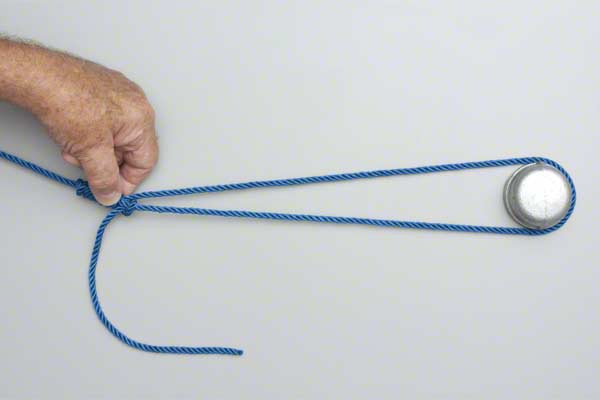
- With a long tag end, form a loop and twist it at least 20 complete turns.
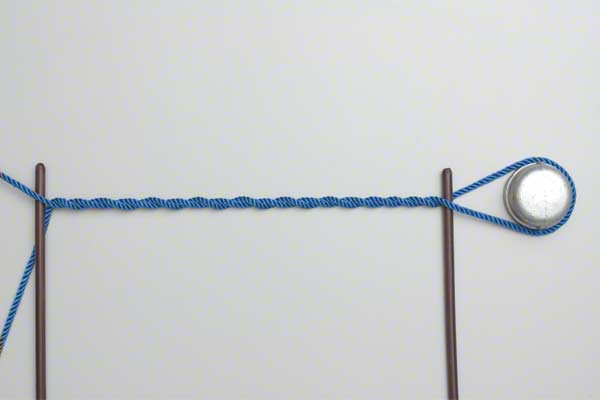
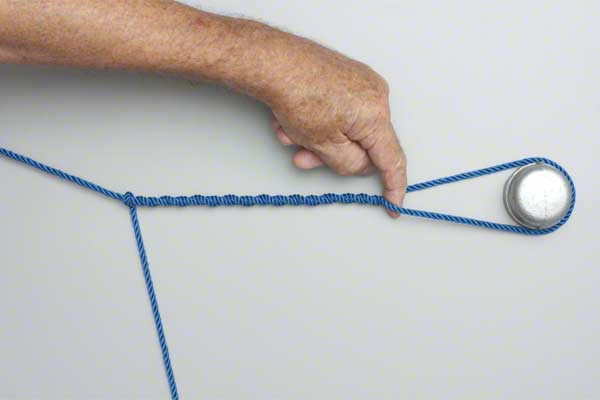
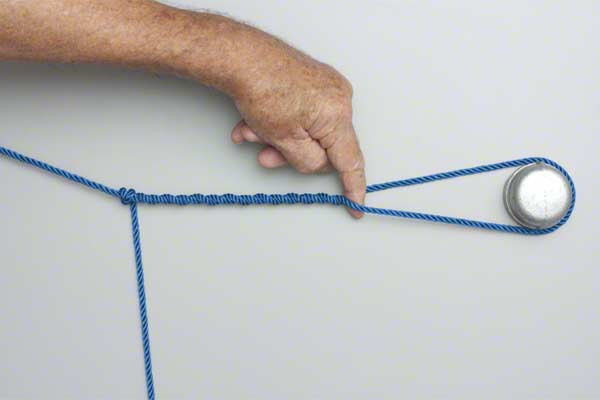
- With finger and thumb (brown sticks here) compress the twists to make the tag end wind tightly around the twists.
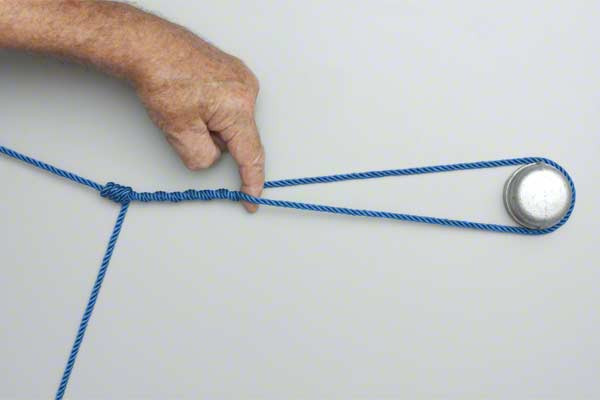
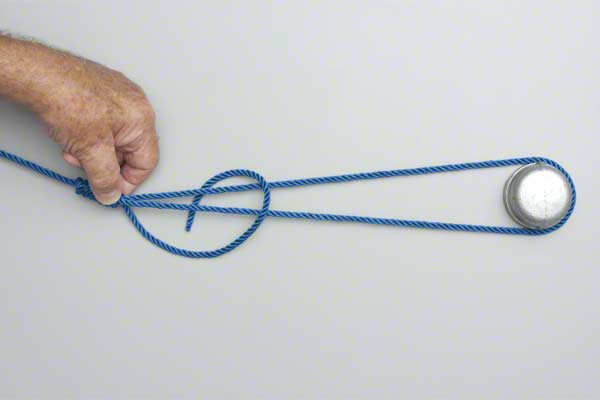
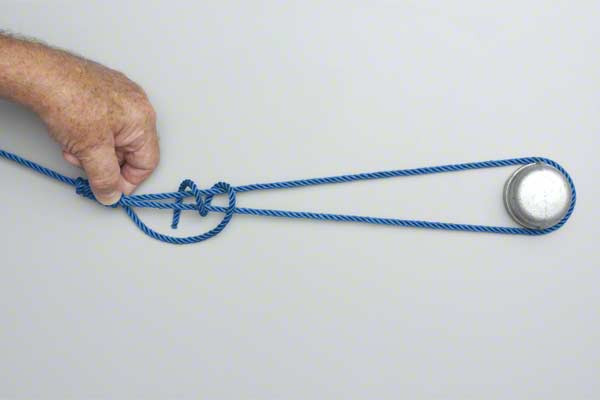
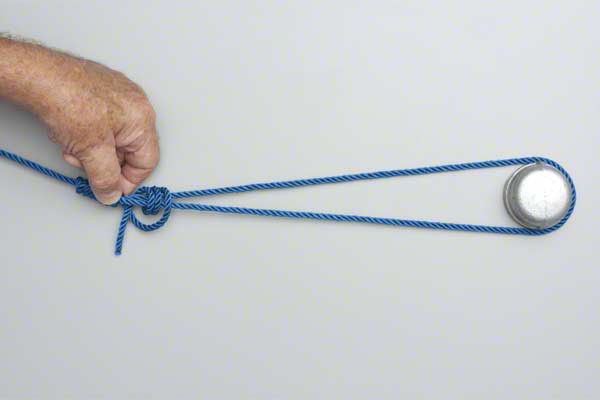
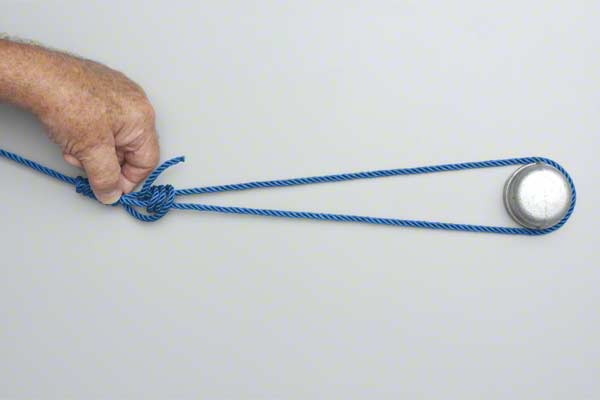
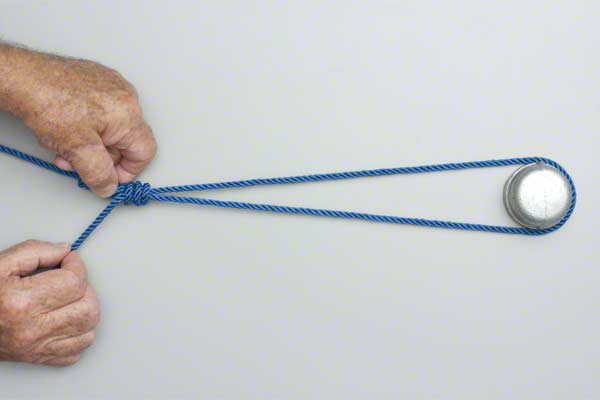
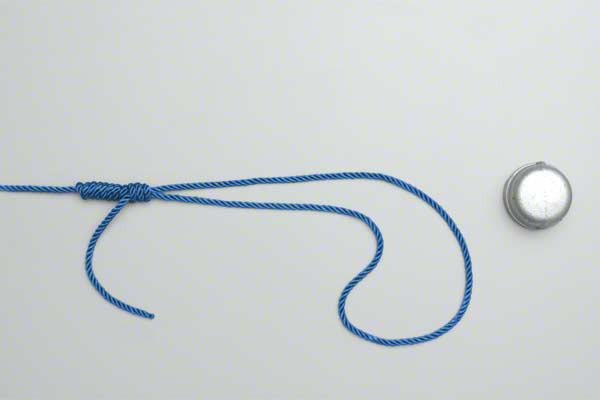
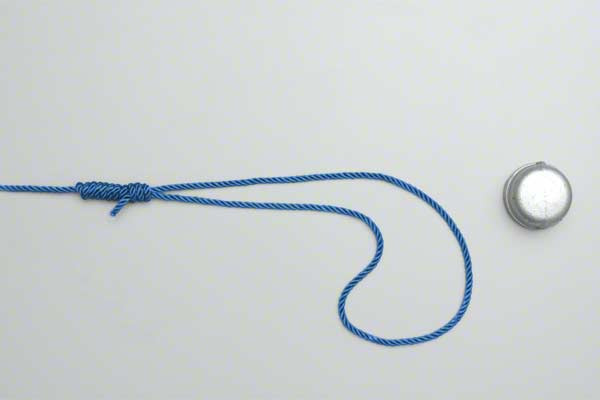
- Hold the knot and secure it with a Half Hitch and multi-loop hitch (tuck tag end between the lines).
- Tighten and trim.
Common Mistakes to Avoid
Even seasoned experts can occasionally fumble a Bimini Twist. To ensure your rope knots are safe and effective, watch out for these common errors:
- Insufficient Twists: For monofilament, 20-25 turns is usually sufficient. However, if you are using thin braided line, 20 turns may slip. Always adjust the count based on the slipperiness of your material.
- Dry Cinching: Friction creates heat, and heat kills line strength. Always lubricate the knot with water or saliva before the final compression.
- Uneven Tension: If the tag end does not wind evenly over the initial twists, the knot may bunch up. This creates a "weak spot" rather than a 100% strength connection.
- Short Tag Ends: If you don’t start with a long enough tag end, you won’t have enough material to complete the half-hitches and the multi-loop hitch, leading to a knot that can unravel under pressure.
Safety Tip
Always test your knot by applying steady pressure before heading out into the field. A Bimini Twist that is tied incorrectly will often fail during the "roll-down" phase; it is better to have it fail in your hands than while a trophy fish is on the line.
Related Knots and Splicing
Mastering the Bimini Twist is just the beginning of professional rigging. Here are a few related outdoor rope techniques you should know:
Aussie Plait
An alternative to the Bimini Twist, the Aussie Plait involves braiding the line rather than twisting it. It is often preferred for its slim profile, making it easier to pass through rod guides.
Spider Hitch
The Spider Hitch is a faster, easier way to create a double-line loop. While it is quicker to tie than a Bimini, it is generally considered less strong and lacks the shock-absorbing qualities.
FG Knot
The FG Knot is currently the gold standard for connecting braided main line to a fluorocarbon leader. It is incredibly slim and strong, though it does not create a double-line loop like the Bimini.
Yucatan Knot
Once you have created your Bimini Twist loop, the Yucatan Knot is one of the best ways to secure a thick leader to that loop. It is simple, fast, and exceptionally strong.
Final Words
The Bimini Twist knot remains a cornerstone of high-performance rigging for a reason: it works. By distributing the load across a series of spirals, it eliminates the "choke point" found in lesser knots, providing you with the full breaking strength of your line.
While it may seem intimidating at first—especially with the requirement of compressing the twists and securing them with hitches—practice makes perfect. Once you master the rhythm of the twist and the roll-down, you will be able to tie this knot in seconds, even on a rocking boat. Whether you are exploring new outdoor rope techniques or preparing for a world-record catch, the Bimini Twist is a tool that every serious outdoorsman should have in their repertoire.
Tight lines and secure knots!
