
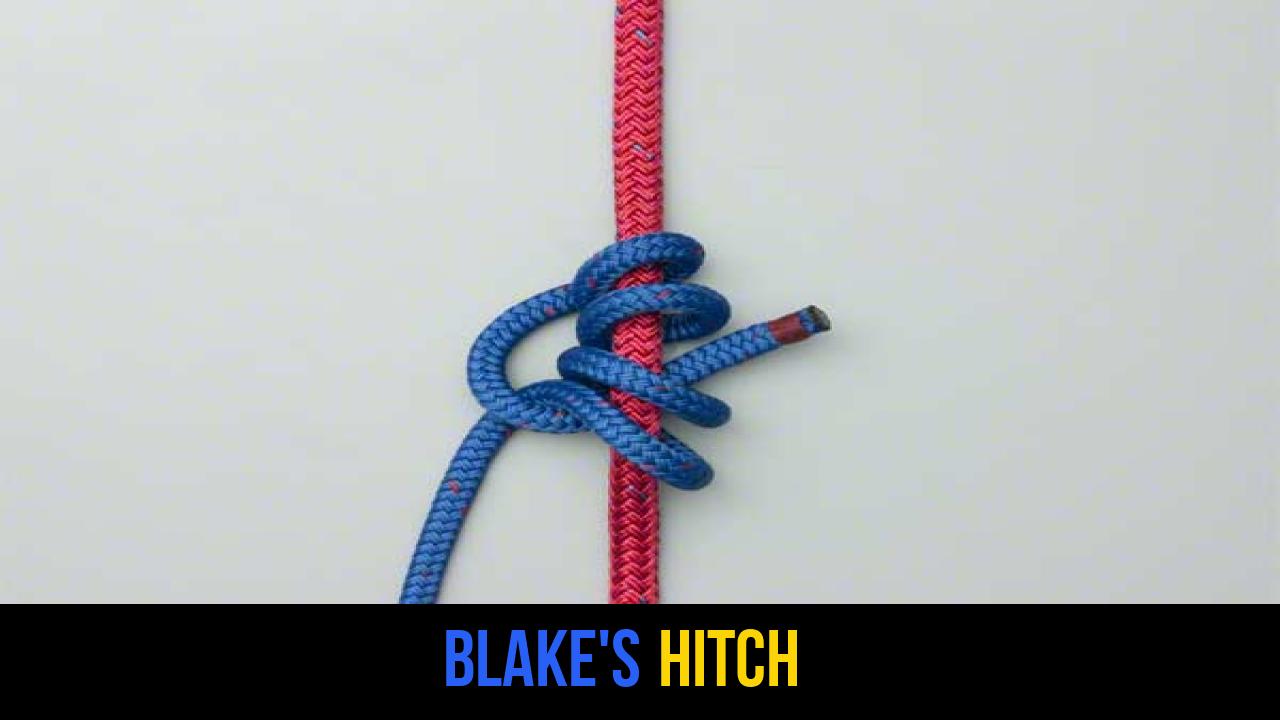
In the world of arboriculture and technical tree climbing, few friction hitches are as revered or as reliable as the Blake’s Hitch. For decades, climbers have relied on this specific knot to provide a secure point of attachment that allows for both controlled ascent and smooth descent. Unlike many other friction hitches that were developed for general mountaineering, the Blake’s Hitch was popularized specifically within the tree-care industry, solving many of the binding issues found in older knots like the Taut-line hitch.
Whether you are a professional arborist or an outdoor enthusiast exploring outdoor rope techniques, mastering the Blake’s Hitch knot is a fundamental skill. It offers a level of stability and "feel" that many modern mechanical devices struggle to replicate. Its primary advantage lies in its ability to maintain grip under load while remaining relatively easy to release and slide when the tension is removed.
Alternative Names: Blake’s Knot, Prohaska Hitch.
What Is a Blake’s Hitch?
The Blake’s Hitch is a sliding friction hitch (also known as a "closed-loop" or "tail" hitch) used primarily by arborists for climbing on a static or dynamic rope. While it was first described by Heinz Prohaska in a 1981 guide, it gained its current name and widespread fame after Jason Blake, an American arborist, introduced it to the tree-climbing community in 1994.
Practical Uses and Advantages
The Blake’s Hitch is most commonly used in a "split-tail" climbing system or when climbing on the end of the rope itself. Its mechanics are simple: when a climber puts weight on the knot, the wraps tighten around the standing line, creating enough friction to hold the climber in place. When the climber lifts their weight or pulls down on the knot, the friction is reduced, allowing the hitch to slide.
Key advantages include:
- Reduced Binding: Unlike the Taut-line hitch, the Blake’s Hitch does not have a tendency to "roll" or bind so tightly that it becomes impossible to move after being loaded.
- Stability: It is remarkably stable on a wide variety of rope diameters.
- Versatility: It can be tied using the end of the main climbing line or a separate piece of cordage (a split tail).
In the broader context of rope knots, the Blake’s Hitch is considered a "life-support" knot, meaning it must be tied with absolute precision and checked frequently during use.
Materials and Tools Needed
To tie a secure and functional Blake’s Hitch, you need the right equipment. Using mismatched materials can lead to "glazing" (heat damage) or knot failure.
1. The Climbing Rope
A standard 11mm to 13mm (7/16" to 1/2") climbing rope is typically used. For professional tree work, a 16-strand or 24-strand polyester or nylon rope is preferred.
2. The Tail (Split Tail or Main Line)
You can tie the Blake’s Hitch using the tail end of your main climbing rope. However, many professionals use a "split tail"—a short length of rope (usually about 5 feet long) of the same diameter and material as the main line. Using a split tail allows you to replace only the hitch cord when it wears out, rather than retiring your entire climbing line.
3. Safety Gear
- Harness: A high-quality climbing harness with a central attachment point.
- Carabiners: Triple-action locking carabiners are recommended for all life-support connections.
- Stopper Knot: A Figure-8 or double fisherman’s knot should always be tied in the tail of the Blake’s Hitch for safety.
How to Tie Blake’s Hitch?
To ensure safety and performance, follow these instructions exactly as provided. Precision is key when dealing with outdoor rope techniques.
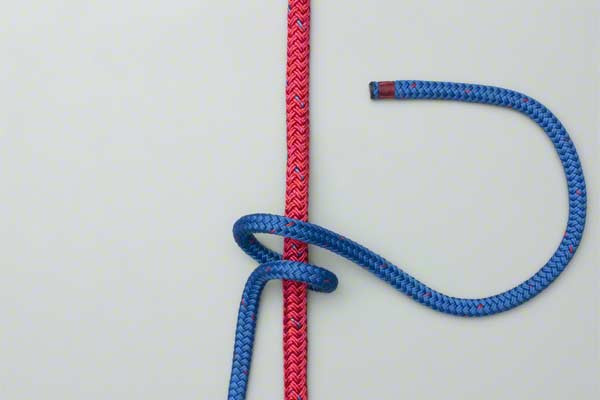
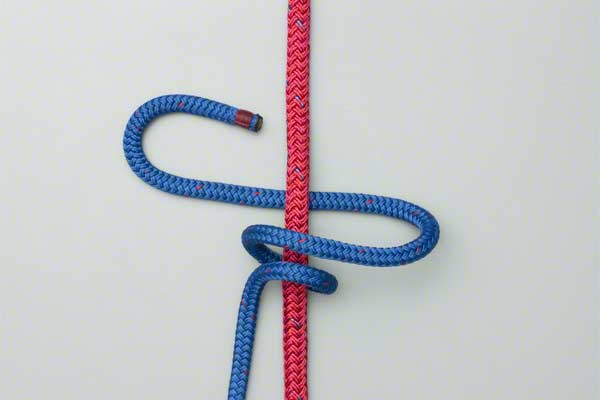
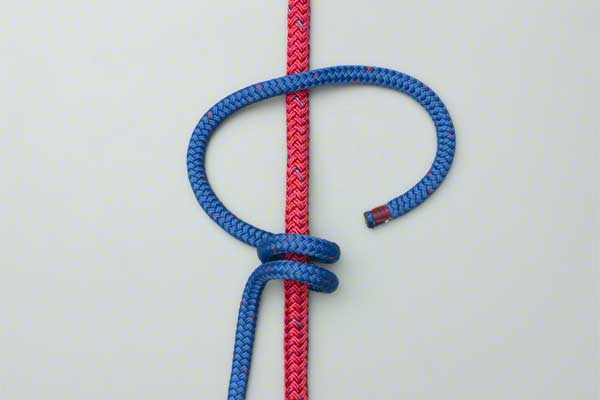
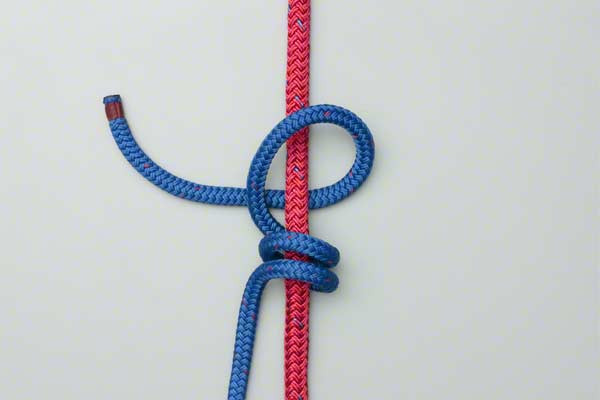
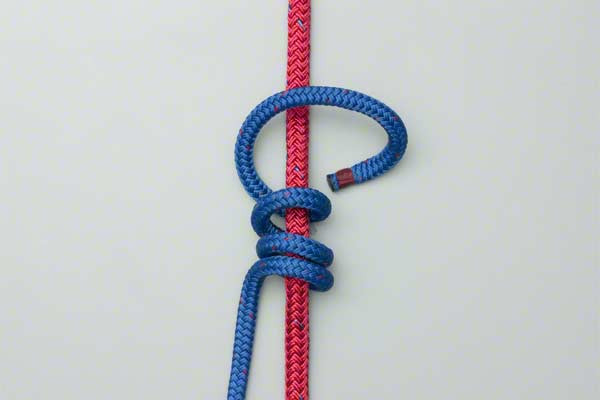
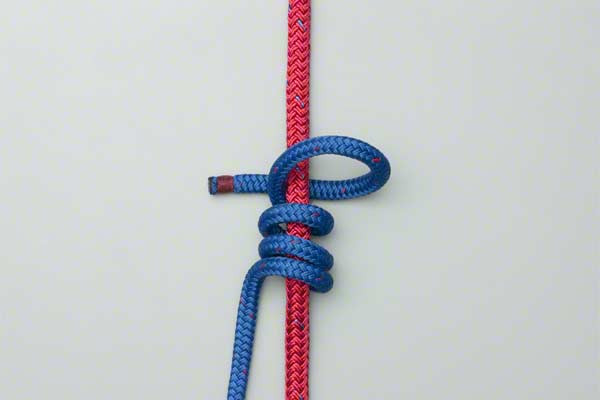
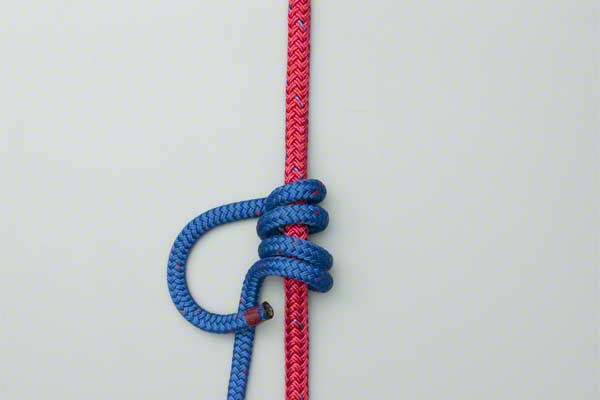
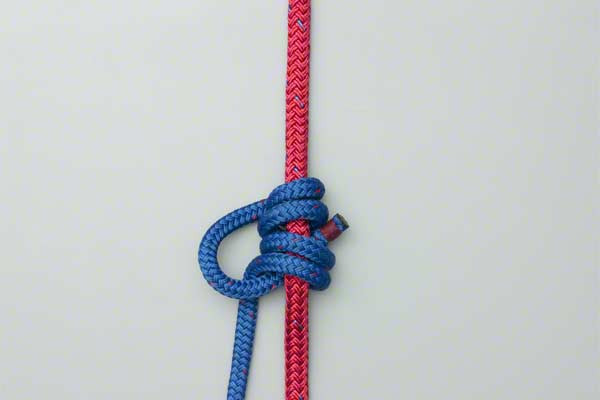
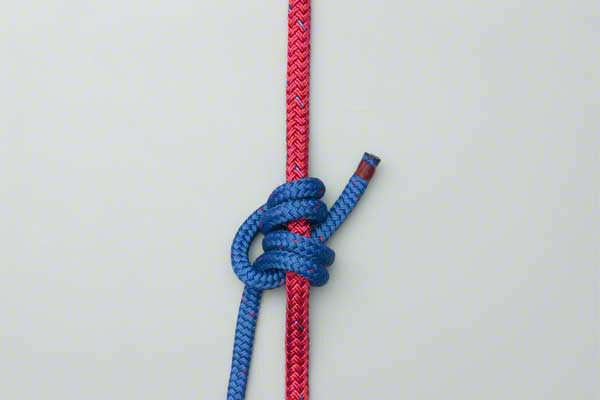
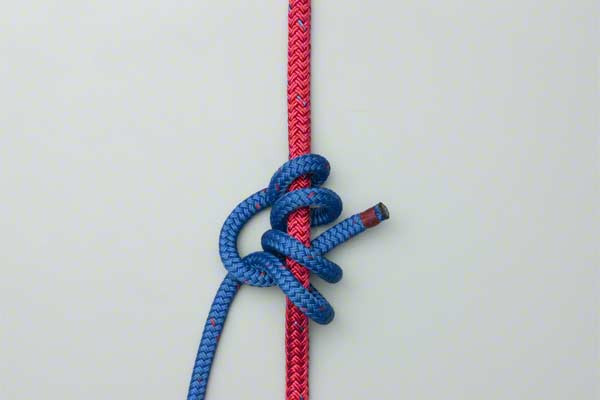
- Wrap the end of the line four times around the climbing rope.
- Bring the end back down, around itself, and tuck it behind the climbing rope and under the first two turns so that it exits in the middle.
- Tighten to achieve a tight, neat, knot.
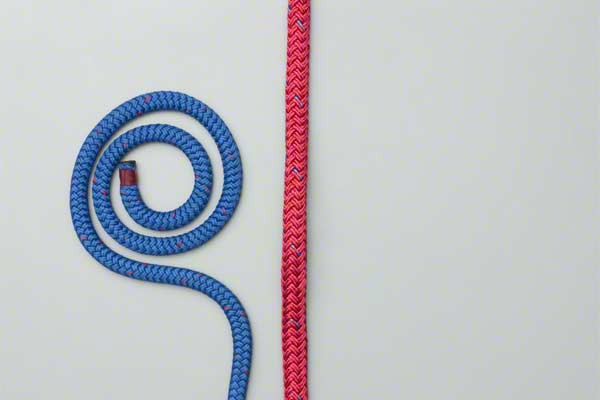
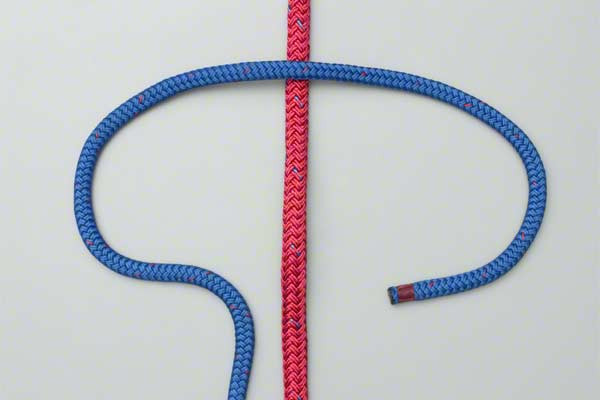
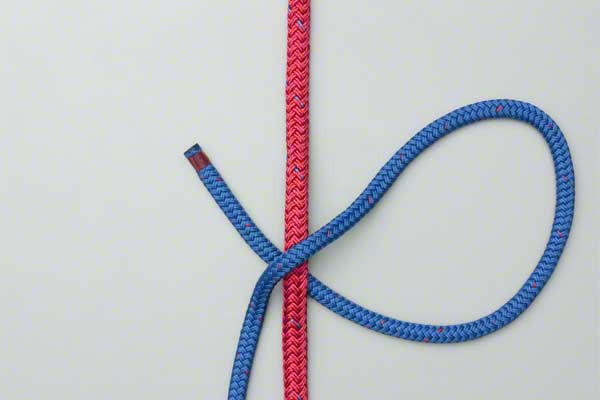
Common Mistakes to Avoid
Even experienced climbers can make errors when tying the Blake’s Hitch knot. Because this knot is often the only thing holding a climber aloft, understanding these common pitfalls is vital for safety.
1. Insufficient Number of Wraps
The standard Blake’s Hitch requires four wraps. While some climbers might attempt to use three wraps on high-friction ropes, this significantly increases the risk of slipping. Conversely, adding too many wraps can make the knot too difficult to move. Stick to the four-wrap standard unless you are an expert adjusting for specific rope conditions.
2. Improper Tail Exit
One of the most frequent mistakes is failing to ensure the tail exits in the middle of the wraps. If the tail exits at the top or bottom of the knot, the hitch will not lock correctly under load. The tail must be tucked under the first two turns as specified in the instructions to create the necessary "bridge" that locks the knot.
3. Forgetting the Stopper Knot
The Blake’s Hitch has been known to "crawl" or creep under repeated loading and unloading. If the tail is too short and lacks a stopper knot, the tail could eventually pull through the hitch entirely. Always tie a Figure-8 knot at the very end of the tail to prevent this catastrophic failure.
4. Ignoring "Dressing and Setting"
A knot is not finished until it is "dressed" (arranged so all parts lie straight and neat) and "set" (tightened firmly). A messy Blake’s Hitch will have inconsistent friction, which can lead to jerky descents or unexpected slips.
5. Heat Damage (Glazing)
During a fast descent, friction creates heat. If you descend too quickly, the heat can actually melt the fibers of the rope (glazing). This hardens the rope and makes the hitch less effective. Always descend at a slow, controlled pace.
Related Knots and Splicing
Understanding the Blake’s Hitch is part of a broader knowledge of rope knots. Here are several related techniques and hitches often used in conjunction with or as alternatives to the Blake’s Hitch:
- Taut-Line Hitch: A traditional friction hitch used for securing loads; it is simpler than the Blake’s but prone to binding and slipping under heavy life-support loads.
- Prusik Knot: A classic, symmetrical friction hitch that grips the rope in both directions; it is widely used for rescue and as a backup in rappelling.
- Distel Hitch: A modern friction hitch that requires a carabiner at both ends; it is highly responsive and popular among climbers using mechanical advantage systems.
- Figure-8 Stopper Knot: A fundamental safety knot used at the end of a rope or hitch tail to prevent the line from pulling through a device or another knot.
- Splicing: The technical process of weaving rope strands into themselves to create a permanent, high-strength loop or eye, often replacing knots in professional rigging.
Final Words
The Blake’s Hitch remains a cornerstone of outdoor rope techniques for a reason: it works. Its balance of security and ease of use makes it an ideal choice for anyone working in the canopy or practicing technical rope access. By following the precise steps of wrapping, tucking, and tightening, you ensure a reliable connection to your climbing line.
However, remember that no guide can replace hands-on training and experience. Always practice tying the Blake’s Hitch knot at ground level before trusting it at height. Regularly inspect your ropes for wear, stay mindful of friction heat, and never forget your stopper knots. With these precautions, the Blake’s Hitch will be a faithful tool in your climbing arsenal for years to come.
