
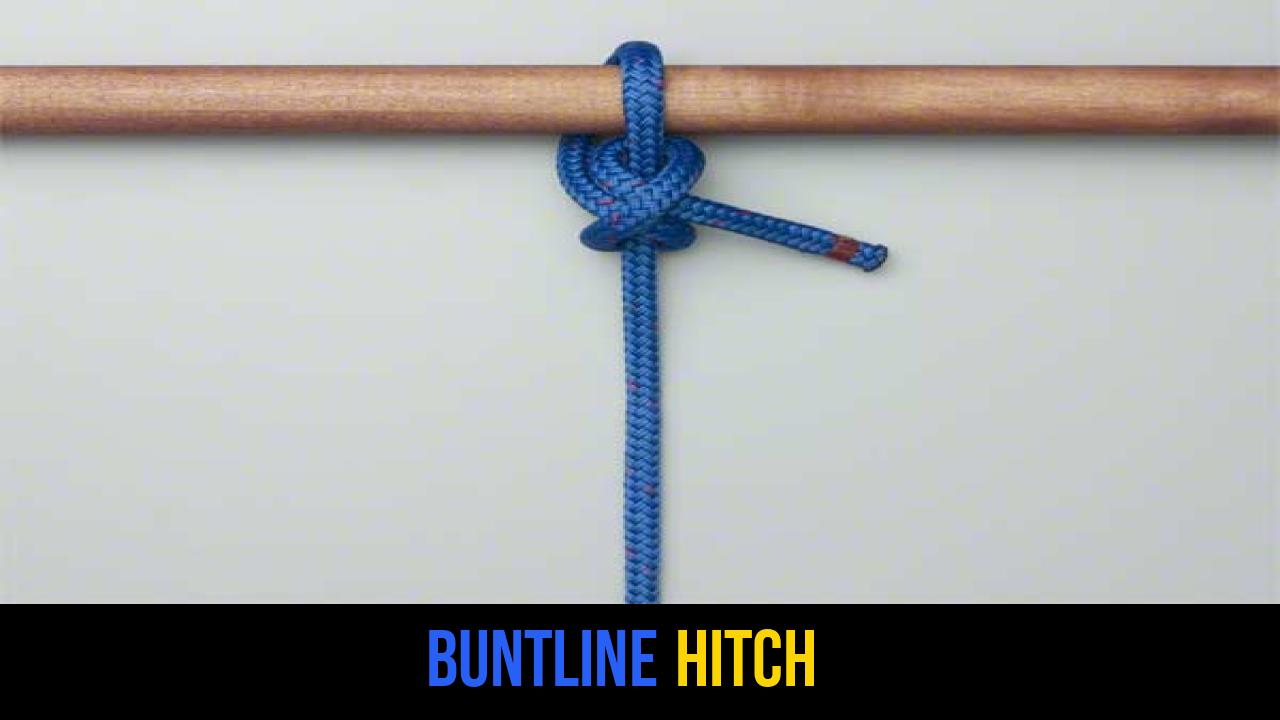
In the world of rope knots, few hitches command as much respect for their sheer tenacity as the Buntline Hitch. Originally developed during the golden age of sail, this knot was the primary method for securing buntlines—the ropes used to haul up the middle of a square sail—to the foot of the sail. Because these ropes were subject to intense vibration and whipping in high winds, sailors needed a knot that would not only hold fast but actually grow tighter the more it was stressed.
Today, the Buntline Hitch remains a staple in outdoor rope techniques. Whether you are a sailor, a camper, an arborist, or a DIY enthusiast, understanding how to tie this knot is a vital skill. It is renowned for its "jamming" quality, making it one of the most secure ways to attach a line to a ring, pole, or shackle. If you need a knot that stays put under extreme conditions, this is your go-to solution.
Alternative Names: Buntline Knot, Clove Hitch on the Standing Part, Sailor’s Hitch.
What Is a Buntline Hitch?
The Buntline Hitch is technically a member of the hitch family, specifically a clove hitch tied around the standing part of the rope rather than the object itself. This configuration creates a self-tightening mechanism. As tension is applied to the standing part, the knot is pulled tighter against the object it is tied to.
Practical Uses in Modern Contexts
While its origins are maritime, the Buntline Hitch is highly versatile:
- Boating and Sailing: Attaching halyards to shackles or securing lines to rings where a permanent, non-slip connection is required.
- Camping and Bushcraft: Creating high-tension ridgelines for tarps or securing gear to backpack frames.
- Arboriculture: Used by tree climbers to secure throw-lines or light-duty gear, though usually replaced by more specialized hitches for life-support.
- Everyday Utility: Securing loads in a truck bed or attaching a rope to a carabiner for non-climbing utility tasks.
The primary advantage of the Buntline Hitch is its security. Unlike the Two Half Hitches, which can occasionally work loose under repeated loading and unloading (cycling), the Buntline remains steadfast. However, users should be aware that it is a "jamming knot," meaning after it has been heavily loaded, it can be quite difficult to untie.
Materials and Tools Needed
To master outdoor rope techniques, you must first understand the materials you are working with. The performance of a Buntline Hitch can vary significantly depending on the type of rope used.
Rope Types
- Natural Fibers (Manila, Cotton, Hemp): The Buntline Hitch performs exceptionally well on natural fibers because the friction between the fibers helps the knot "set" firmly.
- Synthetic Fibers (Nylon, Polyester, Polypropylene): In modern synthetic ropes, the knot is still very secure. However, in extremely "slick" ropes like Dyneema or Spectra, extra care must be taken to ensure the tail is long enough, as the knot can potentially slip before it fully jams.
- Static vs. Dynamic Ropes: For most applications involving this hitch, a static rope is preferred to minimize bounce and maximize the tightening effect.
Tools and Considerations
- A Solid Anchor: You will need a pole, ring, or shackle to tie the knot around.
- Gloves: If you are using thin cordage or plan to put the knot under high tension, gloves can protect your hands during the tightening process.
- Marlinspike or Fid: Because this knot is prone to jamming, having a small tool to help pry the loops apart after use is highly recommended.
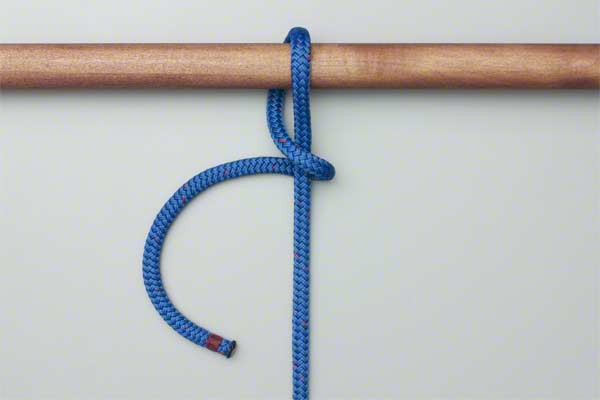
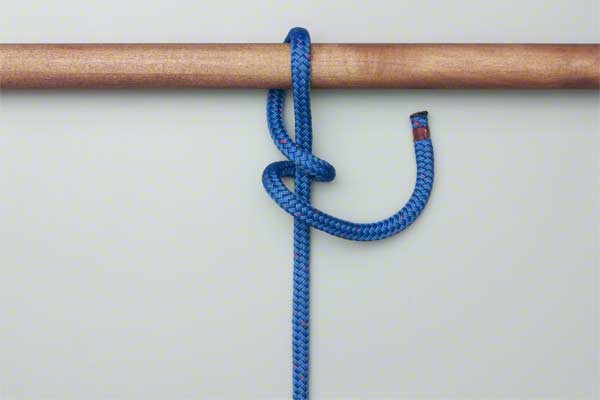
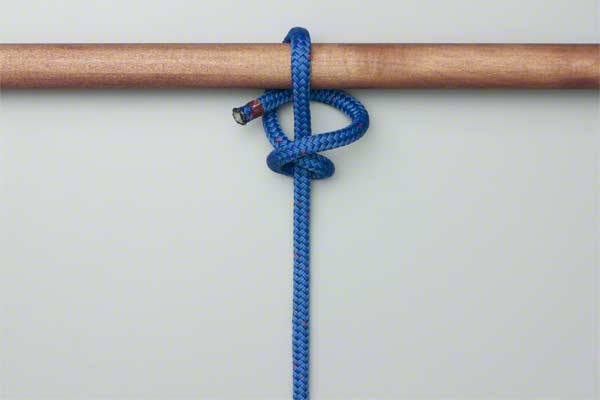
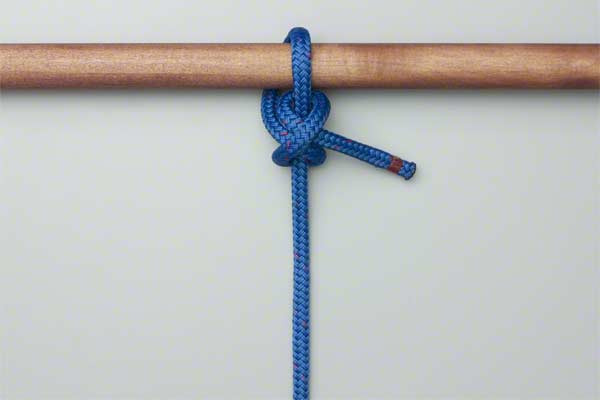
How to Tie Buntline Hitch?
To ensure maximum security and reliability, follow these precise steps. This method ensures the knot is dressed correctly and ready to handle significant loads.
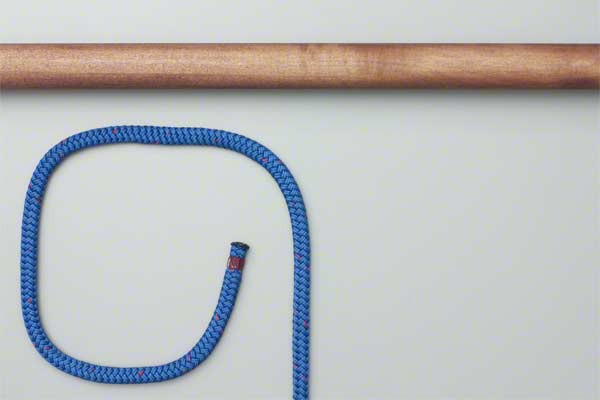
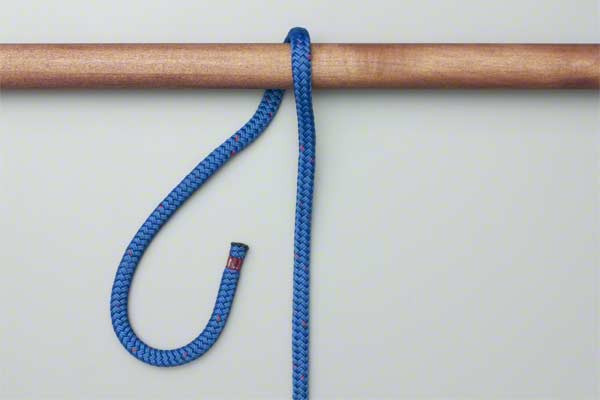
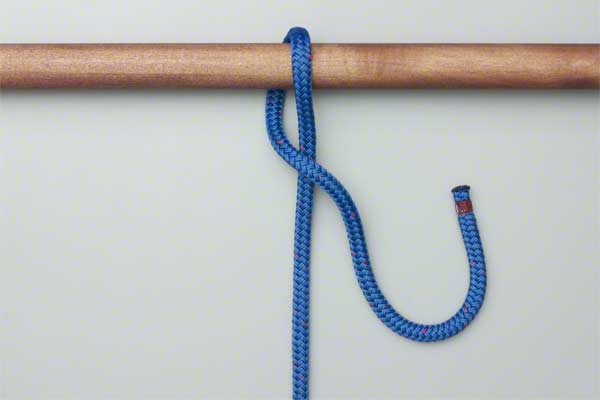
- Pass the tail around the pole.
- Make a complete turn around the standing end and then through the hole beside the pole.
- Form a Half Hitch to complete the knot.
Expert Tip: Once the knot is formed, pull firmly on the standing end to slide the knot down until it sits flush against the pole. This "seating" of the knot is what gives the Buntline Hitch its legendary grip.
Common Mistakes to Avoid
Even the most experienced outdoorsmen can make errors when tying rope knots. To ensure your Buntline Hitch is safe and effective, avoid these common pitfalls:
1. Tying the Clove Hitch Facing the Wrong Way
The "clove hitch" portion of the Buntline must be tied so that the tail ends up trapped between the knot and the object (the pole or ring). If the tail is on the outside, the knot becomes much less secure and loses its self-jamming property.
2. Insufficient Tail Length
Because the Buntline Hitch tightens significantly under load, it can "consume" a small amount of the tail as it settles. Always leave at least 2–3 inches of tail to prevent the end from being pulled back through the knot under extreme tension.
3. Using It for Critical Life-Safety Loads
While the Buntline Hitch is incredibly strong, it is not typically used as a primary life-safety knot in rock climbing or search and rescue. In those scenarios, knots like the Figure-Eight Follow-Through are preferred because they are easier to inspect visually and easier to untie after a fall.
4. Failing to "Dress" the Knot
A "sloppy" knot is a dangerous knot. Ensure the turns are parallel and not crossing over each other in an unintended way before applying weight.
Related Knots and Splicing
Understanding the relationship between different outdoor rope techniques allows you to choose the right tool for the job. Here are a few knots related to the Buntline Hitch:
- Clove Hitch: A foundational knot used for securing a rope to a post, though less secure than the Buntline as it can slip under heavy rotation.
- Bowline: Often called the "King of Knots," it creates a fixed loop at the end of a rope that will not slip or jam, making it easier to untie.
- Two Half Hitches: A reliable and simple hitch for securing a rope to a pole; it is easier to untie than a Buntline but less secure under vibration.
- Anchor Bend: Specifically designed for attaching a rope to an anchor or ring, it shares the Buntline’s resistance to slipping but is slightly bulkier.
- Slipped Buntline Hitch: A variation where a loop (bight) is passed through the final step instead of the end, allowing for a quick-release feature.
Final Words
The Buntline Hitch is a masterclass in mechanical efficiency. By using its own geometry to lock itself in place, it provides a level of security that few other rope knots can match. While its tendency to jam makes it a semi-permanent choice, its reliability in high-vibration or high-tension environments makes it indispensable for serious outdoor enthusiasts.
Whether you are securing a tarp in a storm or rigging a line on a sailboat, the Buntline Hitch is a professional-grade solution that won’t let you down. Practice this knot until it becomes muscle memory, and you will have one of the most powerful outdoor rope techniques at your disposal. Remember: a knot is only as good as the person tying it—so practice often, check your work, and always prioritize safety in the field.
