
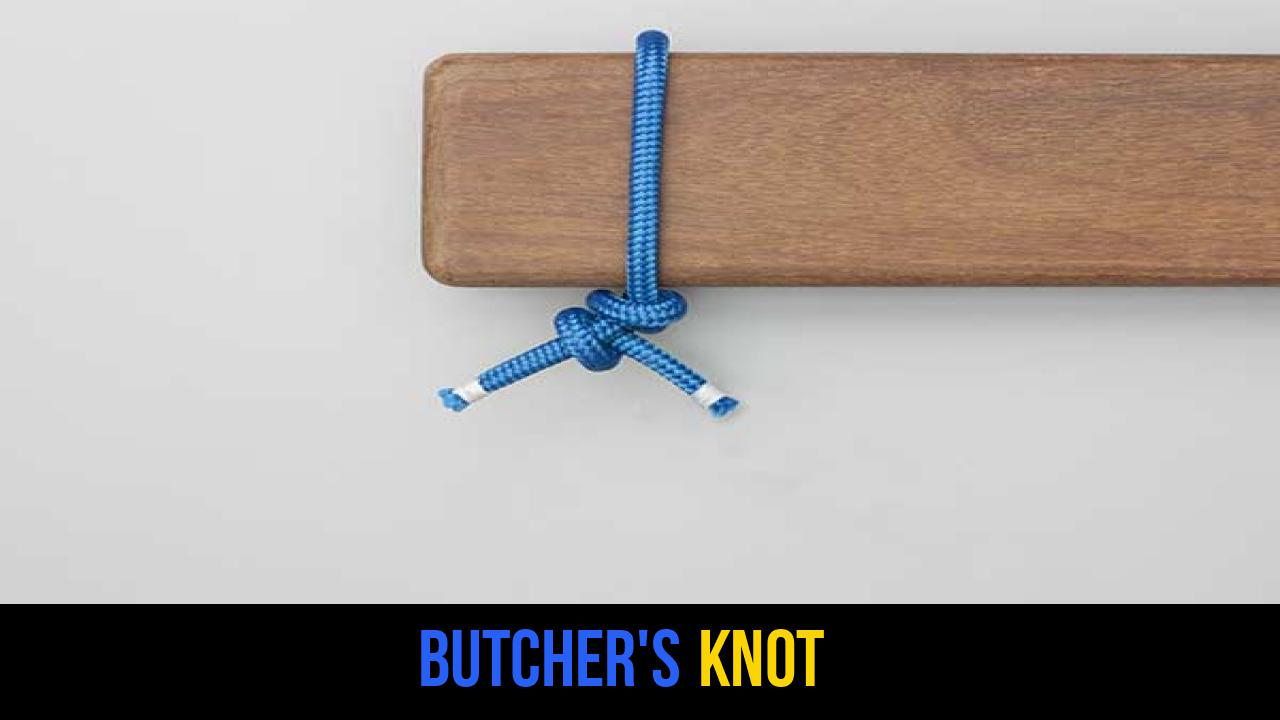
The world of rope knots is vast, ranging from complex maritime splices to the simple yet effective loops used in everyday life. Among these, the Butcher’s Knot stands out as a fundamental binding knot that has transitioned from the professional butcher’s block to the backpacks of outdoor enthusiasts. Whether you are preparing a crown roast for a five-star dinner or securing a bundle of kindling in a survival situation, mastering this knot is a vital skill.
The Butcher’s Knot is a variation of a slip knot or a running noose, specifically designed to tighten and hold tension around a cylindrical or irregular object. Its primary strength lies in its ability to be cinched down tightly and remain secure while the "short end" is locked into place. In the realm of outdoor rope techniques, this knot is often overlooked in favor of the more famous Bowline or Clove Hitch, yet its utility in compression and bundling is second to none.
Alternative Names: Butcher’s Hitch, Meat Knot, Roast Knot, Slip-Loop Binding, and the Package Knot.
What Is a Butcher’s Knot?
At its core, the Butcher’s Knot is a "binding knot." Unlike a loop knot (which creates a fixed circle) or a hitch (which attaches a rope to an object), a binding knot is meant to constrict. The Butcher’s Knot is specifically engineered to be tied with one hand while the other hand holds the material in place—a necessity in the fast-paced environment of a butcher shop.
Practical Applications
While its name clearly points to its origins in the culinary world, its applications extend far beyond the kitchen:
- Culinary Arts: Used to tie roasts, poultry, and sausages to ensure even cooking and to hold stuffings inside the meat.
- Outdoor Gear Management: Excellent for compressing sleeping bags, rolling up sleeping pads, or bundling firewood for transport.
- Gardening and Landscaping: Securing bundles of stakes or tying back heavy branches that require a firm, constricting grip.
- Emergency Repairs: If a strap breaks on a piece of gear, the Butcher’s Knot can serve as a temporary compression strap to keep the load stabilized.
- General Utility: Securing rolls of carpet, posters, or bundles of recycled newspapers and cardboard.
Materials and Tools Needed
To tie a successful Butcher’s Knot, the choice of material is just as important as the technique. Because this knot relies on friction and the "bite" of the cordage into itself, certain materials perform better than others.
Recommended Cordage
- Cotton Twine: The gold standard for culinary use. It is heat-resistant, provides excellent friction, and does not melt when exposed to high temperatures.
- Paracord (550 Cord): For outdoor rope techniques, paracord is the most versatile choice. It has a slight stretch which helps maintain tension in the knot.
- Jute or Hemp: These natural fibers have a high "coefficient of friction," meaning once the knot is tightened, it is very unlikely to slip.
- Bank Line: Often used by bushcrafters, this tarred twine is incredibly durable and holds a Butcher’s Knot exceptionally well due to its tacky surface.
Essential Tools
- Sharp Knife or Shears: The final step of the knot involves trimming. A clean cut is necessary to prevent fraying.
- Tensioning Tool (Optional): In some heavy-duty outdoor applications, a small wooden dowel can be used to help pull the standing end for maximum constriction.
How to Tie Butcher’s Knot?
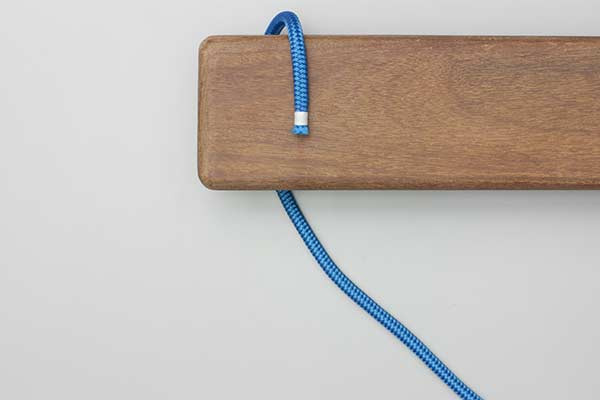
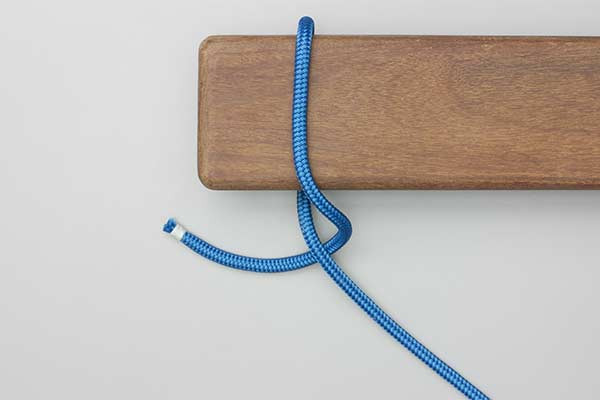
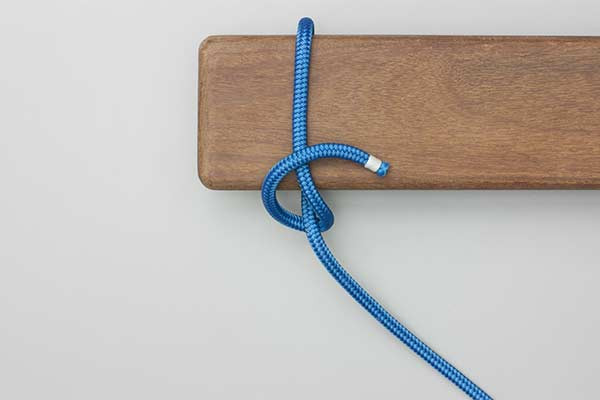
To ensure the security and functionality of this knot, follow these steps precisely. This method ensures that the initial tension is maintained while the locking loop is applied.
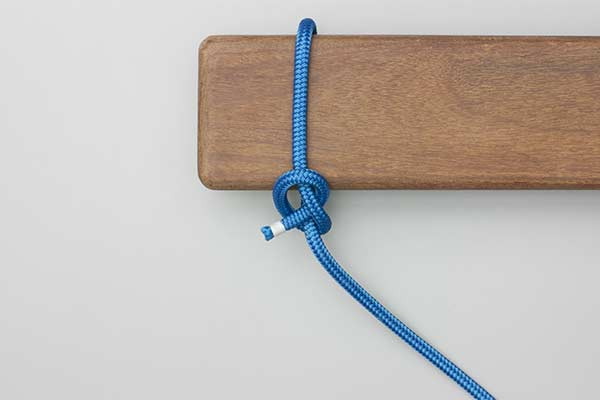
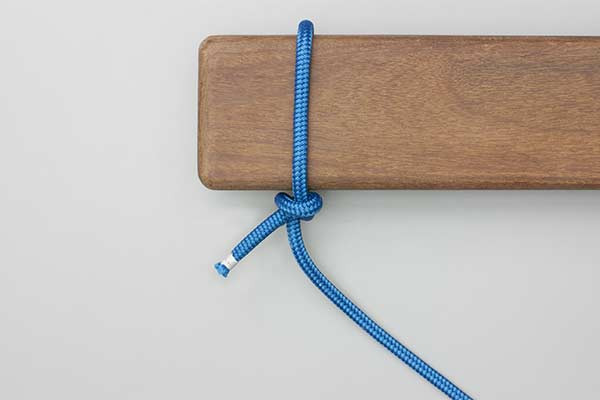
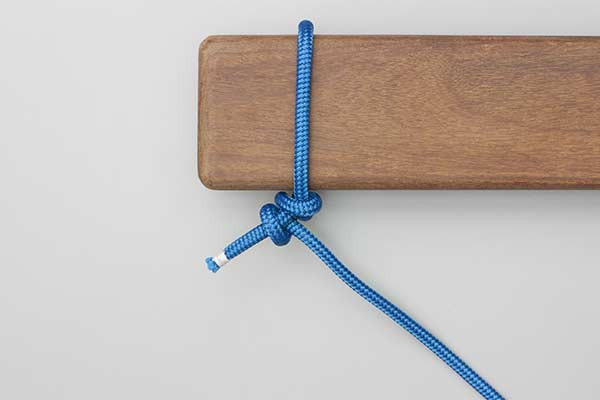
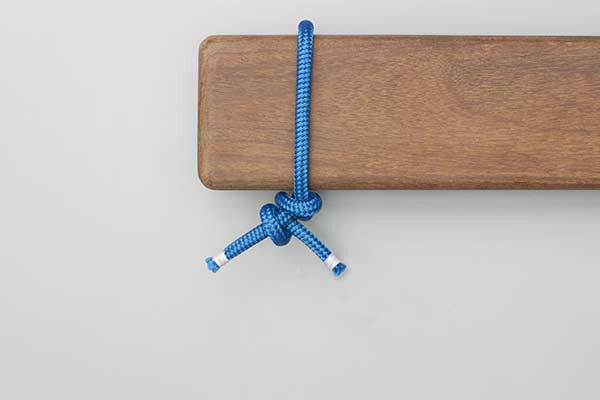
- Pass the cord around the object, tie an overhand knot around the standing end, and pull tight.
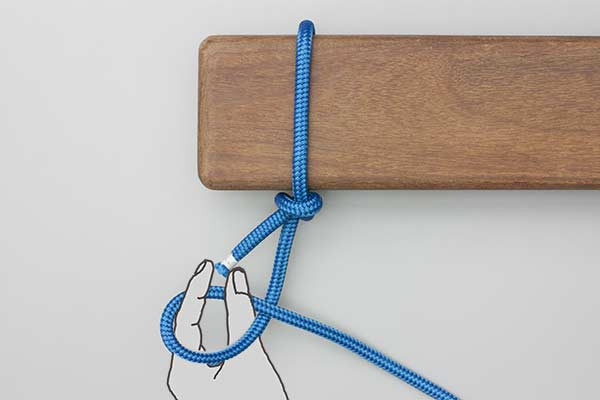
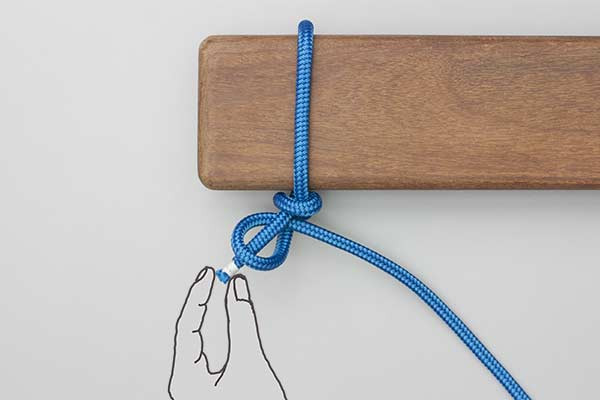
- Form a loop around your fingers, slide the loop onto the short end, and pull both ends to tighten the knot.
- Finally trim the long end.
Common Mistakes to Avoid
Even seasoned experts can make errors when tying the Butcher’s Knot. Because this is a tension-based knot, small mistakes can lead to the knot failing under pressure.
1. Insufficient Initial Tension
The first step—the overhand knot around the standing end—is where the majority of the compression is created. If you do not pull tight during this phase, the secondary loop will not be able to compensate for the slack, and the bundle will remain loose.
2. Incorrect Loop Placement
When you form a loop around your fingers, it is crucial to slide the loop onto the short end (the tag end) correctly. If you accidentally place it on the standing part of the rope, the knot will transform into a simple slip knot that can easily come undone when the object shifts.
3. Using the Wrong Rope for the Job
Using high-density polyethylene (HDPE) or certain slick monofilament ropes can be dangerous with a Butcher’s Knot. These materials are too "slippery," and the overhand knot may slide despite being pulled tight. Always match your cordage to the friction requirements of the task.
4. Forgetting the Trim
The instruction to finally trim the long end is not just for aesthetics. In a kitchen environment, long trailing ends are a fire hazard near stovetops. In the outdoors, long ends can snag on brush or gear, potentially loosening the knot over time.
The Science behind the Knot: Why It Works
The Butcher’s Knot utilizes the principle of a "mechanical advantage" in its simplest form. By tying the overhand knot around the standing end, you create a pulley-like system. As you pull the standing end, the overhand knot acts as a block, allowing you to exert more force on the bundle than you could with a simple reef knot.
The second part of the process—the Finger Loop—acts as a "hitch" that locks the tension in place. This prevents the cord from sliding back through the overhand knot. This dual-action mechanism is why the Butcher’s Knot remains a favorite for tasks requiring sustained compression.
Related Knots and Splicing
Understanding the Butcher’s Knot is often a gateway to learning other essential rope knots. Here are a few related techniques that every outdoorsman and cook should know:
- The Slip Knot: A basic knot that can be tied in the middle of a rope to create a temporary loop that disappears when pulled.
- The Timber Hitch: A specialized hitch used for dragging heavy logs; it tightens under load and is easy to untie even after heavy strain.
- The Constrictor Knot: One of the most effective binding knots available, it is virtually impossible to untie once tightened, making it a permanent solution.
- The Clove Hitch: A quick way to secure a rope to a cylindrical object like a post or a tree, often used as a starting point for lashings.
- The Fisherman’s Knot: Used to join two ropes together, this knot consists of two overhand knots sliding against each other.
Final Words
The Butcher’s Knot is a masterclass in functional simplicity. While it originated in the trade of meat preparation, its transition into the world of outdoor rope techniques proves that a good knot is universal. By following the structured steps of passing the cord, securing the overhand, and locking it with a finger loop, you ensure a secure bind every time.
Whether you are an aspiring chef, a dedicated camper, or someone who simply values the utility of a well-tied rope, the Butcher’s Knot is an essential addition to your repertoire. Practice with different materials—from kitchen twine to paracord—to feel how the friction changes, and soon you will be able to tie this knot with your eyes closed. Remember: a knot is only as good as the person who ties it, so take the time to master the tension and the trim.
