
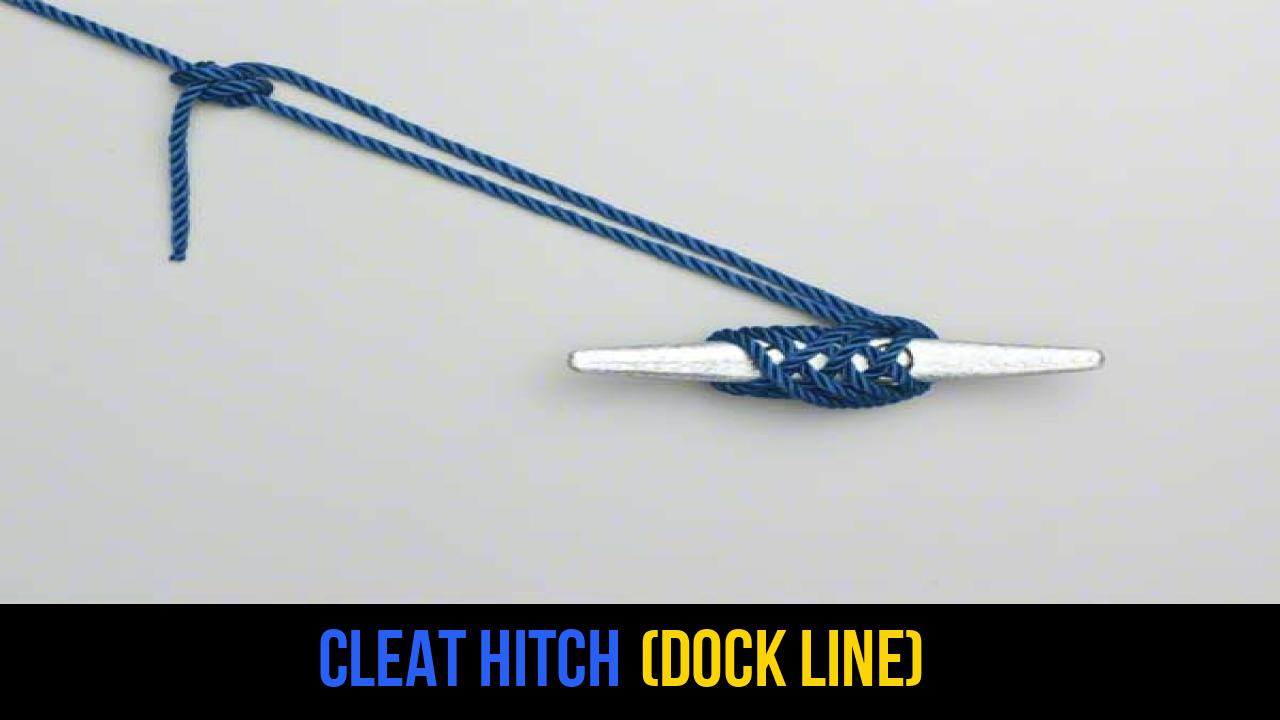
In the world of maritime safety and outdoor rope techniques, few maneuvers are as fundamental as securing a vessel to a dock. Whether you are a seasoned sailor or a weekend hobbyist, the Cleat Hitch (Dock Line) is a skill that sits at the very foundation of seamanship. This knot is designed to be simple, reliable, and—most importantly—easy to uncleat even after it has been subjected to heavy loads.
When you are out on the water, the forces of nature—wind, tide, and current—are constantly working against your equipment. A poorly secured line can lead to property damage or, in extreme cases, a runaway vessel. Mastering the Cleat Hitch knot ensures that your boat remains exactly where you left it, providing peace of mind while you are ashore.
Alternative names for this technique include: The Dock Hitch, Deck Cleat Knot, Belaying to a Cleat, and the Sailor’s Hitch.
What Is a Cleat Hitch (Dock Line)?
The Cleat Hitch is a specialized method used to secure a rope to a horn cleat, which is a T-shaped piece of hardware found on docks, piers, and the decks of boats. Unlike many other rope knots that rely on complex interweaving, the Cleat Hitch utilizes the mechanical advantage of friction and the geometry of the cleat’s "horns" to hold a line in place.
Practical Uses and Applications
While its primary home is in the nautical world, the principles of the Cleat Hitch apply to various outdoor rope techniques. Its applications include:
- Mooring and Docking: Securing a boat to a dock for short or long-term stays.
- Towing: Providing a quick-release point when one vessel is towing another.
- General Utility: Securing loads on trailers or roof racks that utilize cleat-style tie-down points.
- Flagpoles: Many traditional flagpoles use cleats to secure the halyard (the rope used to raise the flag).
The brilliance of the Cleat Hitch lies in its "non-jamming" nature. Because the rope is wrapped around the metal or nylon cleat rather than being tied into a tight internal knot, it will not seize up when wet or under extreme tension.
Materials and Tools Needed
To execute a perfect Cleat Hitch, you need the right combination of hardware and cordage. Not all ropes are created equal, and using the wrong materials can lead to slippage or premature wear.
1. The Rope (Dock Line)
For most docking applications, Nylon is the preferred material. Nylon has a high degree of elasticity, which allows it to absorb the shock of waves and tides without snapping or damaging the cleat.
- Three-Strand Twisted Nylon: Highly durable and easy to splice.
- Double-Braided Nylon: Softer on the hands and generally stronger, though slightly less stretchy than twisted nylon.
2. The Cleat
Ensure the cleat is properly mounted to the dock or boat with high-quality stainless steel bolts and a backing plate. Cleats are typically made from:
- Stainless Steel: The gold standard for saltwater environments.
- Galvanized Steel: Common on commercial docks.
- Nylon/Plastic: Used for smaller, lightweight watercraft.
3. Sizing Considerations
A common rule of thumb in outdoor rope techniques is the "1/16th Rule." For every 1/16 inch of rope diameter, you should have roughly 1 inch of cleat length. For example, a 1/2-inch dock line (8/16") performs best on an 8-inch cleat.
How to Tie a Cleat Hitch (Dock Line)?
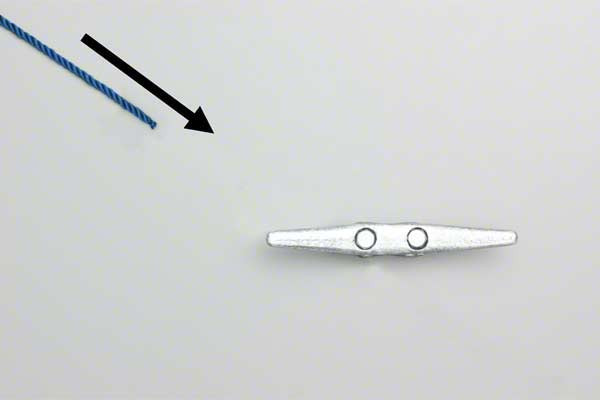
Securing your line correctly is vital for safety. Follow these precise instructions to ensure your Cleat Hitch knot is functional and secure.
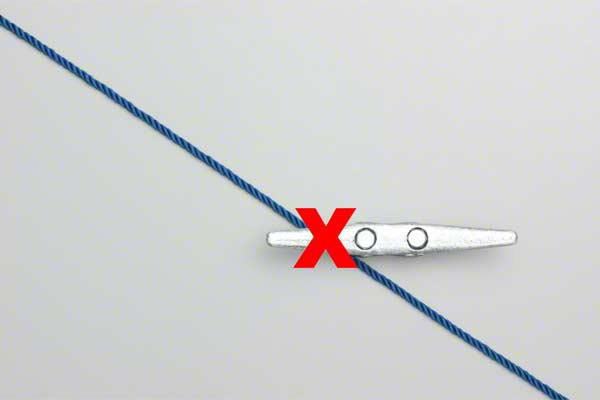
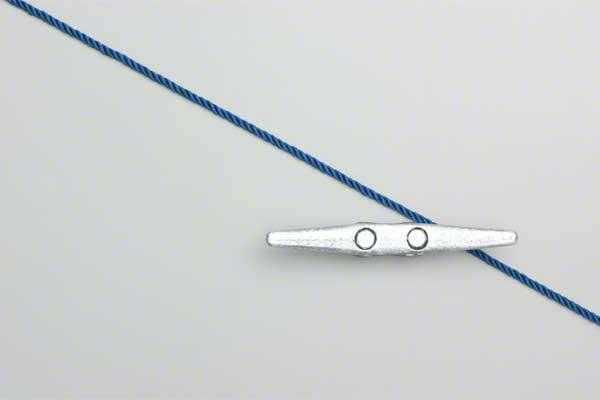
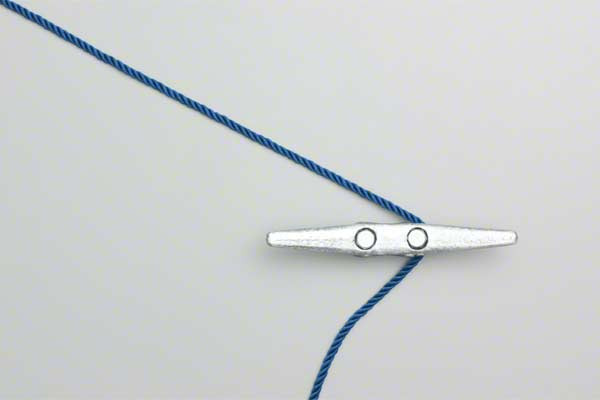
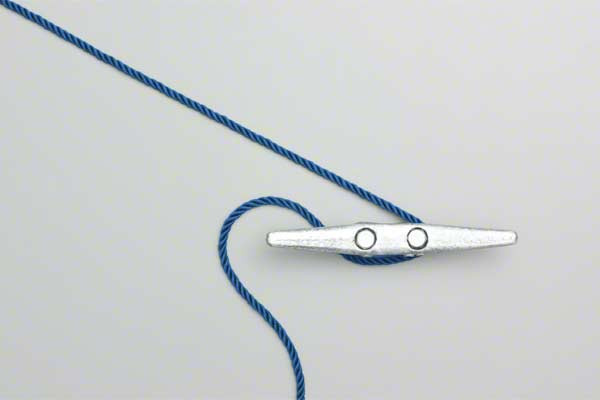
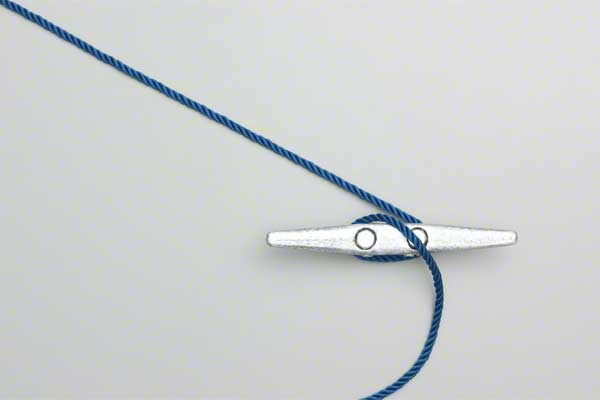
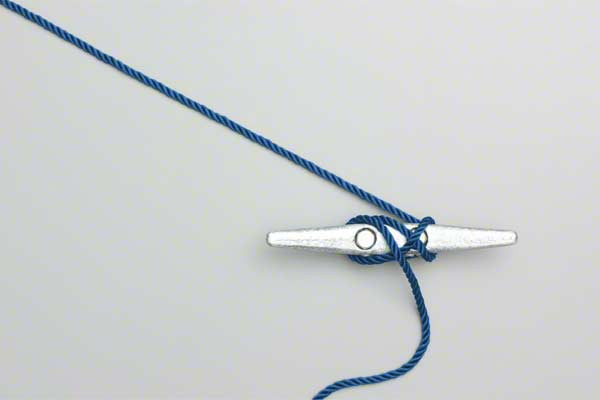
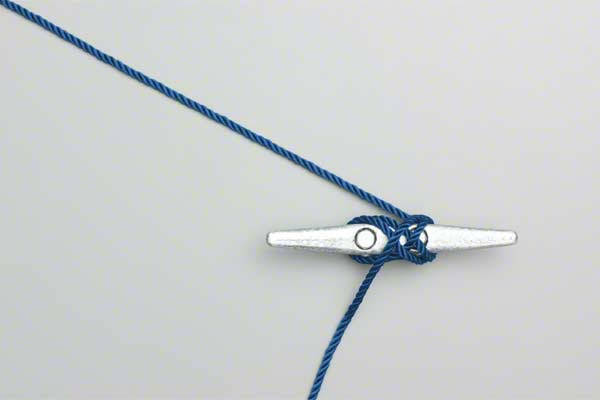
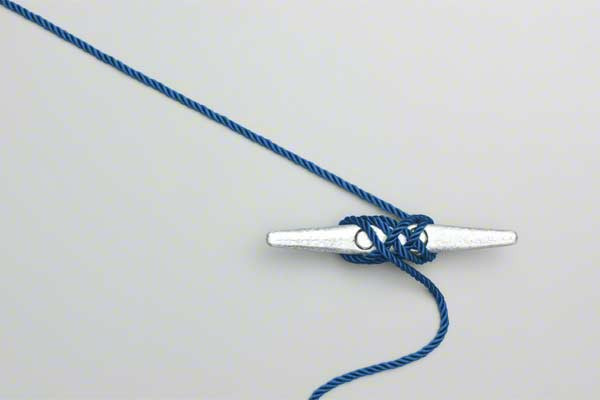
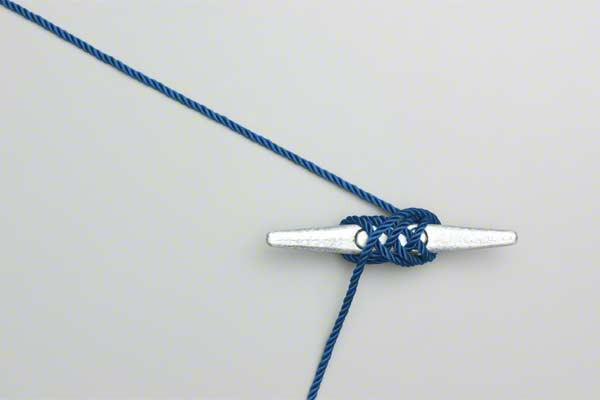
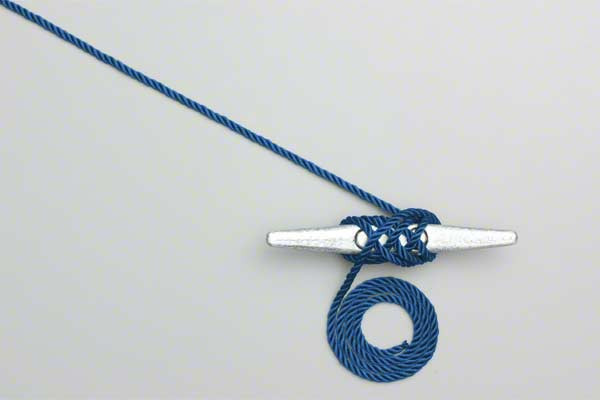
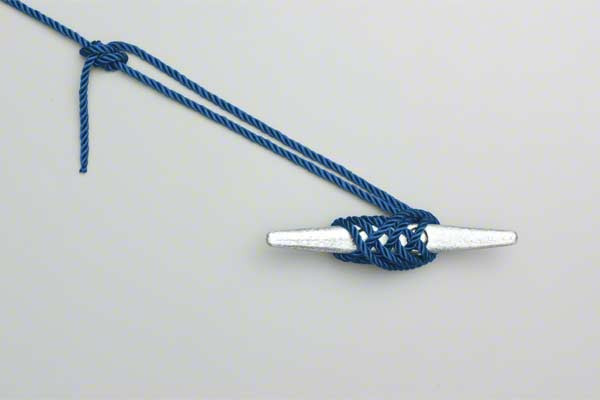
- Do not bring the line around the near horn.
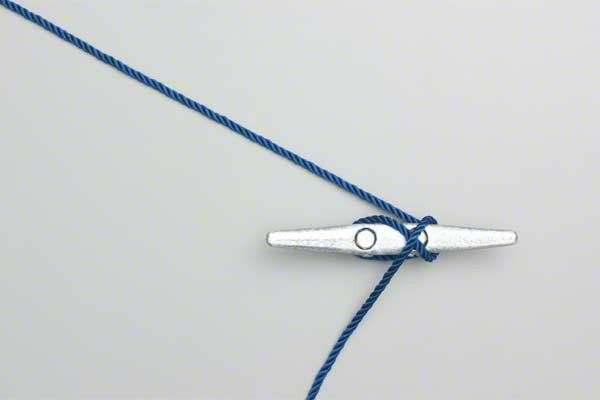
- Go around the far horn, then around the other, and back across the middle.
- Continue making several more figure 8 turns around each horn.
Note: While many sailors finish with a "locking hitch" (flipping the final loop), the fundamental strength of the hitch comes from the friction generated by these initial figure-8 wraps. In heavy weather or for temporary belaying, the repeated figure-8 turns provide maximum security and ease of release.
Common Mistakes to Avoid
Even experienced boaters can fall into bad habits. To maintain the integrity of your rope knots, avoid these common pitfalls:
1. Wrapping the Near Horn First
As specified in the instructions, you must go to the far horn first. If you wrap the near horn, the angle of the rope may cause it to bind against itself or pull the cleat at an awkward angle, reducing the effectiveness of the friction wraps.
2. The "Bird’s Nest" (Over-wrapping)
While the instructions mention making "several more" turns, there is a limit. If you pile too much rope onto the cleat, you create a "bird’s nest." This makes it difficult to uncleat the boat quickly in an emergency and can actually lead to the rope slipping off the top of the horns.
3. Using the Wrong Rope Diameter
If the rope is too thick for the cleat, you won’t be able to complete the figure-8 turns effectively. If it is too thin, it may not generate enough friction to hold under heavy surge.
4. Ignoring Chafing
Always ensure the line has a clear path from the boat to the cleat. If the rope rubs against a sharp dock edge, it will eventually fail. Use "chafing gear" (protective sleeves) if necessary.
Related Knots and Splicing
Understanding a variety of rope knots enhances your versatility in the outdoors. Here are a few related techniques:
- The Bowline: Often called the "King of Knots," it creates a fixed loop at the end of a line that will not slip or bind.
- The Clove Hitch: A quick way to secure a rope to a piling or post, though it can slip under heavy lateral tension.
- Round Turn and Two Half Hitches: A very secure knot for attaching a line to a ring or pole, providing excellent stability in wind.
- The Anchor Bend: Specifically designed for securing a line to an anchor or a ring, featuring an extra wrap for added security against chafe.
The Science of Friction in Knots
The Cleat Hitch knot is a masterclass in the physics of friction. In technical terms, it utilizes the Capstan Equation. This principle explains how a small amount of force on one end of a rope (your hand) can hold a much larger force on the other end (the boat) simply by wrapping the rope around a curved surface.
Each time the rope passes around a horn of the cleat, the friction increases exponentially. This is why you can hold a massive yacht in place with just a few turns of a dock line. Because the Cleat Hitch doesn’t rely on the rope "pinching" itself as much as it relies on surface contact with the cleat, it remains the most reliable way to secure heavy loads in maritime environments.
Final Words
Mastering the Cleat Hitch (Dock Line) is more than just a requirement for a boating license; it is a vital component of your toolkit of outdoor rope techniques. By following the proper sequence—starting with the far horn and maintaining clean figure-8 turns—you ensure that your vessel remains secure against the elements.
Whether you are securing a kayak for a quick lunch break or mooring a cruiser for the winter, the Cleat Hitch provides the perfect balance of security and accessibility. Practice this knot until it becomes second nature; in the unpredictable world of the Great Outdoors, a well-tied knot is often the only thing between a successful outing and a costly accident. Keep your lines tidy, your wraps clean, and your boat will stay exactly where you want it.
