
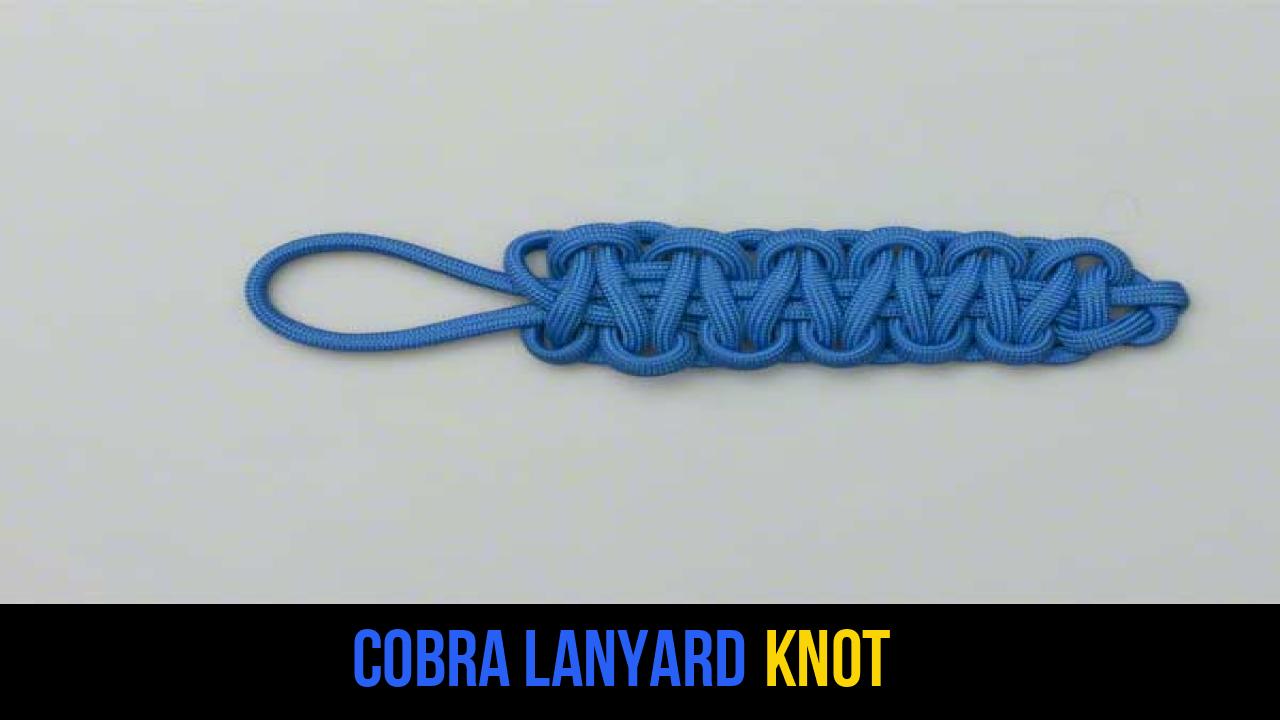
In the world of survivalism, bushcraft, and everyday carry (EDC), few skills are as versatile or as aesthetically pleasing as mastering rope knots. Among the vast library of decorative and functional ties, the Cobra Lanyard Knot stands out as a fundamental technique. Whether you are looking to secure a knife to your belt, create a survival bracelet, or simply organize your gear with high-visibility paracord, this knot is the gold standard.
As an expert in outdoor gear, I have seen how a well-tied knot can mean the difference between losing a valuable tool in the brush or having it securely at your side. The Cobra Lanyard Knot is not just about looks; it is a compact way to store several feet of high-strength cordage in a small, accessible format.
Commonly referred to by several names in the tactical and crafting communities, this knot is also known as:
- The Solomon Bar
- The Cobra Stitch
- The Portuguese Sinnet
- The Macramé Square Knot Bar
What Is a Cobra Lanyard Knot?
The Cobra Lanyard Knot is essentially a series of flat overhand knots (square knots) tied consecutively around a central core or loop. In the context of outdoor rope techniques, it serves as a "sinnet"—a decorative method of braiding or weaving cordage.
Practical Uses in the Field
- Tool Retention: Adding a lanyard to a folding knife, flashlight, or GPS unit allows for a better grip and prevents accidental drops in rugged terrain.
- Survival Cordage Storage: By "weaving" paracord into a Cobra Lanyard Knot, you can carry 5 to 10 feet of 550-lb test rope in a package no longer than 3 inches.
- Zipper Pulls: For winter explorers wearing thick gloves, these knots provide a tactile surface to easily operate backpack and jacket zippers.
- Aesthetic Customization: It is the primary knot used in the multibillion-dollar paracord bracelet industry, allowing for two-tone color schemes and personalized gear.
Materials and Tools Needed
Before you begin, selecting the right materials is crucial for both the durability and the appearance of your knot.
1. Rope Selection
While you can tie this knot with any cordage, 550 Paracord (Type III Nylon) is the industry standard. It offers a balance of flexibility, strength, and a wide variety of colors. For smaller items like keychains, 275 Tactical Cord or Micro Cord may be used.
2. Essential Tools
- Sharp Scissors or a Knife: To get a clean cut on your cord.
- A Lighter: Essential for "sealing" the ends of synthetic ropes to prevent fraying.
- A Fid or Needle (Optional): Helpful for the final steps when tucking ends into tight weaves.
- A Jig (Optional): If you are making long lanyards or bracelets, a jig can help maintain consistent tension.
3. Considerations
Always ensure your rope is clean and free of kinks. If you are using natural fibers like hemp or cotton, be aware that they will behave differently than nylon and may require more force to tighten properly.
How to Tie a Cobra Lanyard Knot?
To achieve a professional-grade finish, follow these instructions precisely. This method focuses on creating a clean, looped lanyard that is perfect for gear attachment.
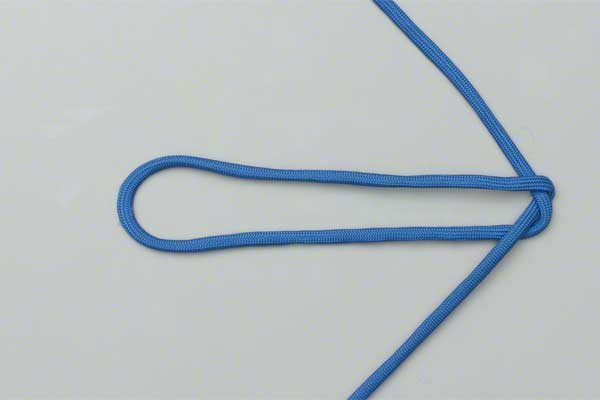
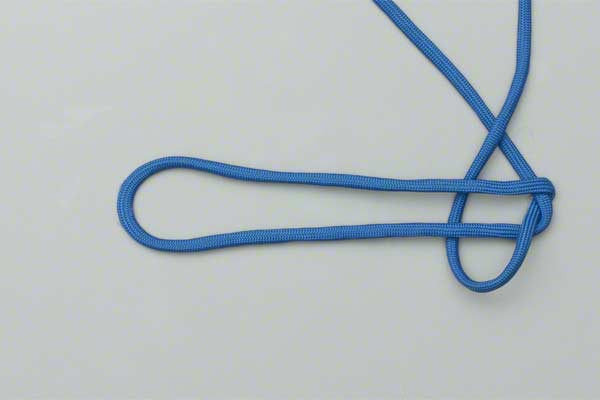
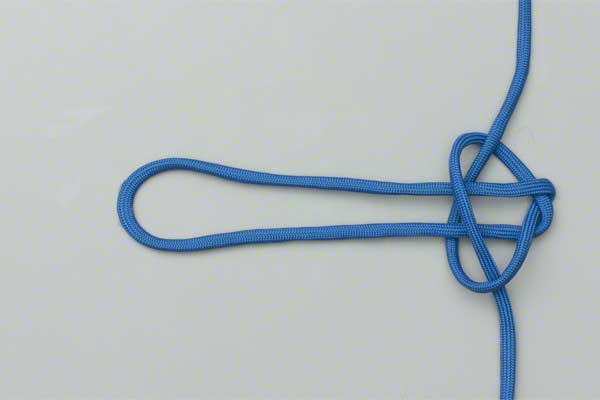
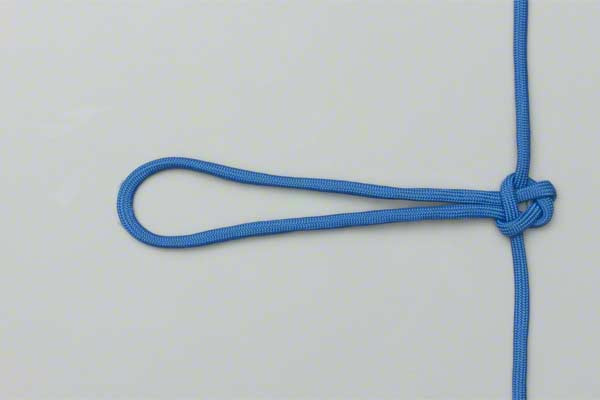
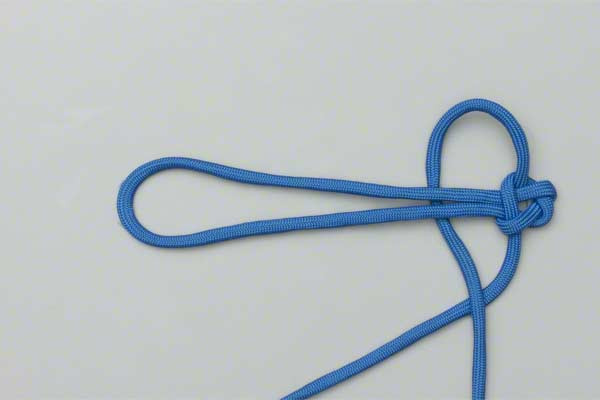
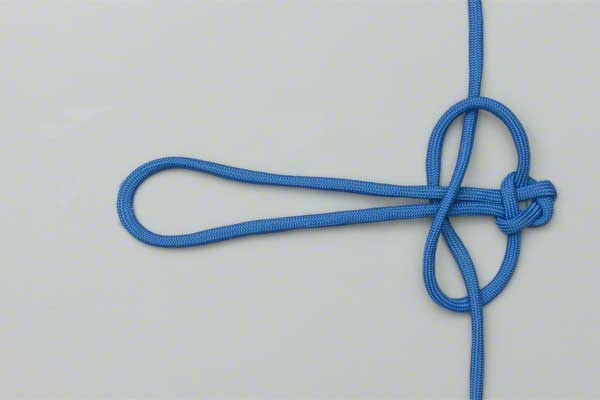
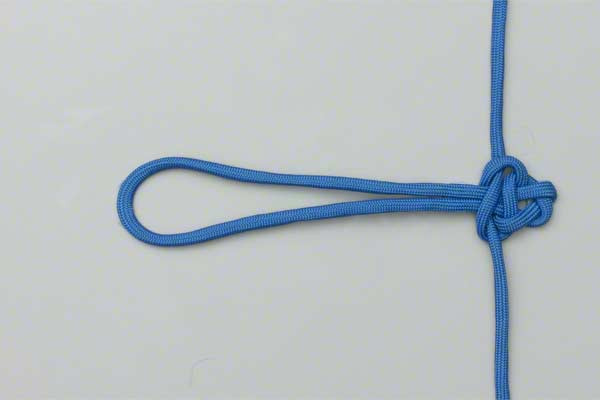
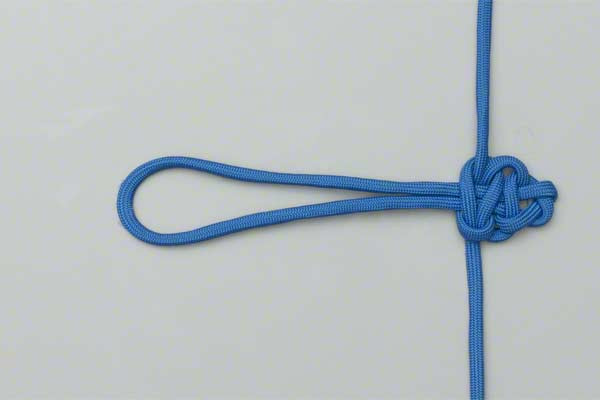
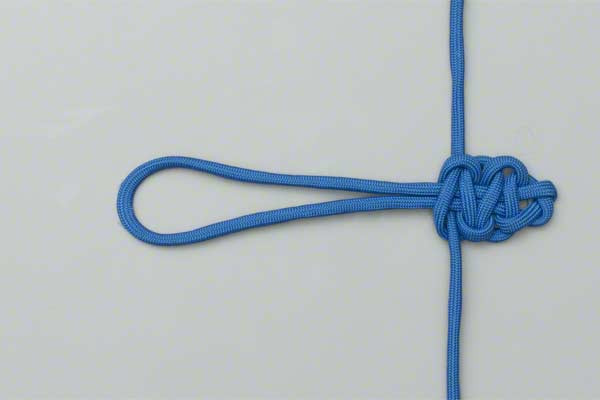
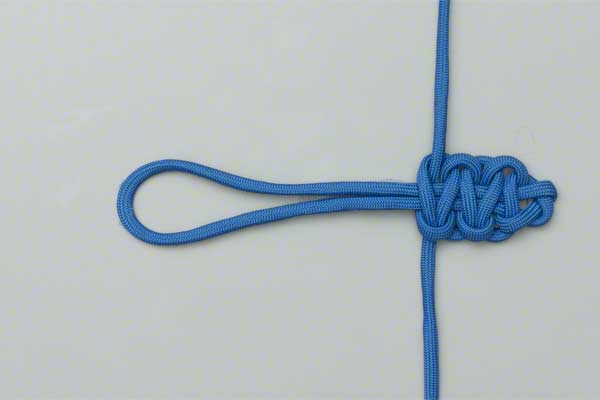
- Make a loop and tie an overhand knot. This serves as your anchor point and determines the length of the loop that will attach to your gear.
- Tie a half knot around the loop and tighten. Ensure the knot is snug against the initial overhand knot to prevent slipping.
- Keeping the same rope in front, tie another half knot and tighten. This is the most critical step for maintaining the flat "Cobra" shape. If you switch the front rope, the knot will begin to twist.
- Keep repeating. Continue this process until you have reached your desired length, maintaining even tension throughout the build.
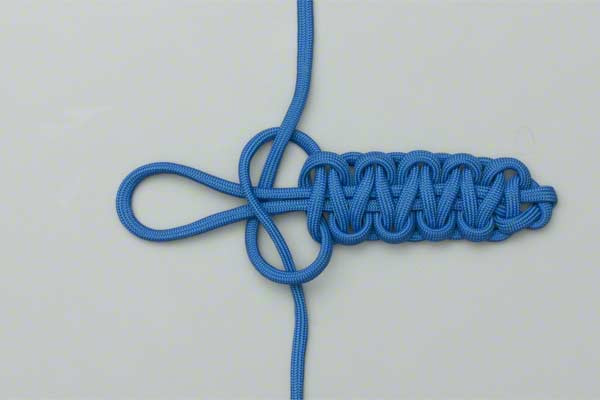
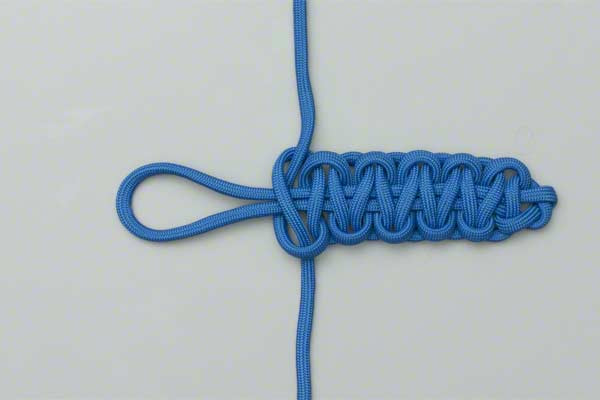
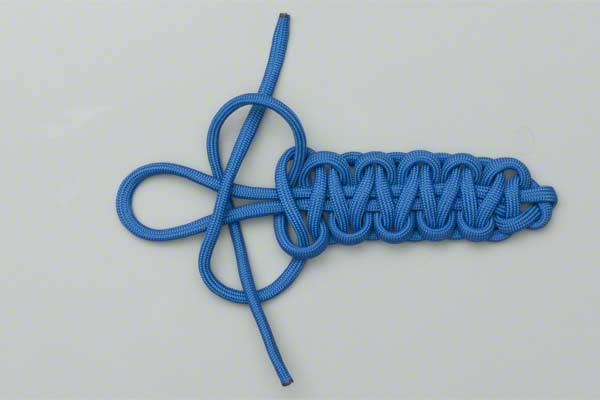
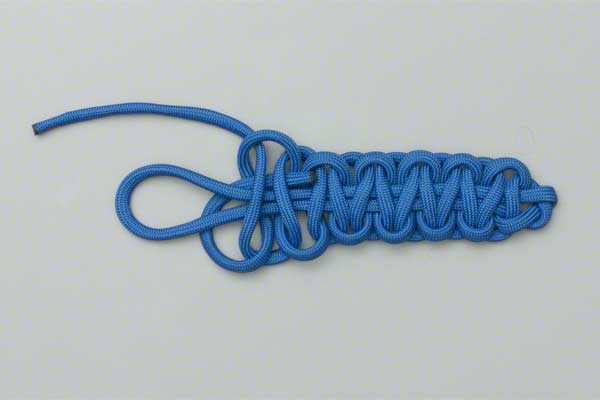
- Leave the last several knots loose (only two shown here). This provides the necessary space to finish the lanyard securely without bulky external knots.
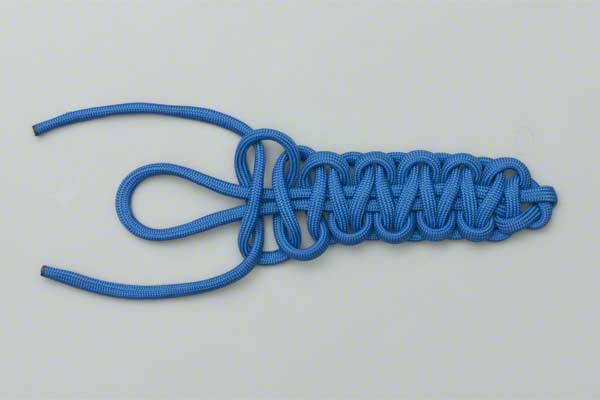
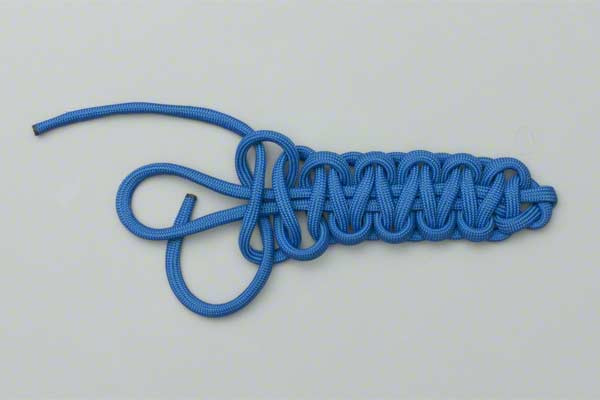
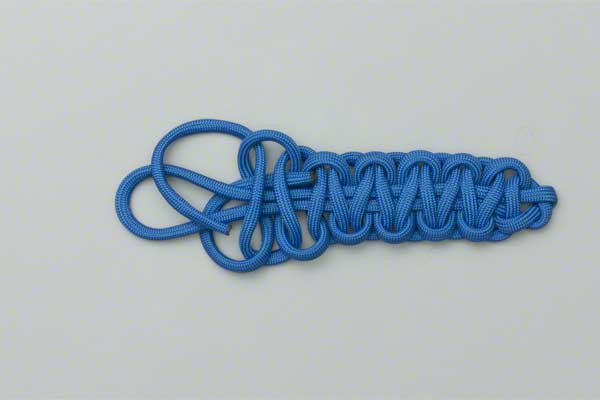
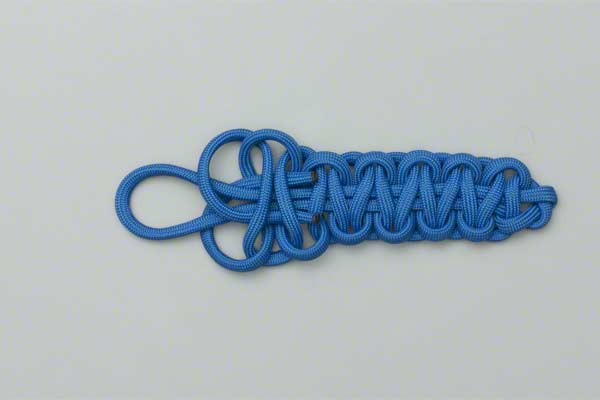
- Tuck the ends inside the loose knots. Use a fid or your fingers to guide the working ends back through the center of the weave.
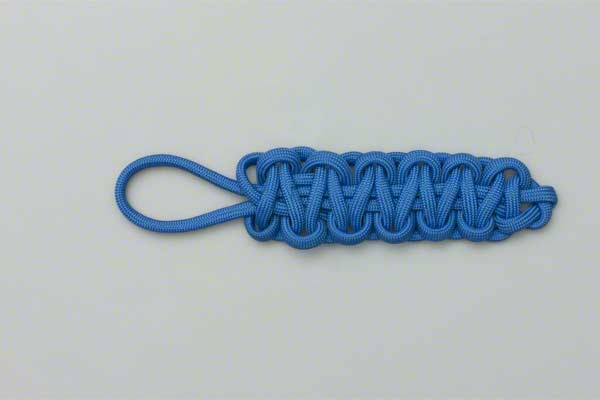
- Tighten the loose half knots and trim the ends off. Once tightened, the friction of the weave will hold the ends in place. Use a lighter to singe the trimmed ends for a permanent, fray-proof finish.
Common Mistakes to Avoid
Even seasoned outdoor enthusiasts can run into trouble with the Cobra Lanyard Knot. Here are the most common pitfalls:
1. Alternating the Lead Rope
The "Cobra" shape is maintained by always starting the half knot with the same cord passing over the core. If you accidentally alternate which side goes over, you will inadvertently create a King Cobra or a DNA spiral. While those are valid rope knots, they are not the flat Cobra Lanyard you are aiming for.
2. Inconsistent Tension
If one knot is tighter than the next, the lanyard will look "lumpy" and may curve. Apply a firm, even pull to both ends after every half knot.
3. Improper Finishing
If you trim the ends too short before melting them, they may pull back through the knot under stress. Leave about 1/8th of an inch, melt it into a "mushroom" shape, and press it flat against the weave with the side of your lighter.
4. Safety Warning
Remember that paracord and similar outdoor rope techniques create high-strength loops. Never wear a lanyard around your neck without a "breakaway" safety feature, as it poses a significant strangulation risk if caught on a branch or machinery.
Related Knots and Splicing
Expanding your knowledge of rope knots allows you to combine techniques for more complex projects.
- The Square Knot: The fundamental building block of the Cobra; it is a simple binding knot used to secure a rope around an object.
- The King Cobra Knot: A secondary Cobra weave tied directly over an existing Cobra knot to add thickness and store more cordage.
- The Snake Knot: A rounder, more flexible alternative to the Cobra, often used for knife lanyards where a "rope-like" feel is preferred.
- The Diamond Knot (Lanyard Knot): A decorative stopper knot frequently used at the beginning or end of a paracord project to prevent slipping.
- The Monkey’s Fist: A weighted decorative knot used at the end of a line to make it easier to throw or as a self-defense tool.
Final Words
The Cobra Lanyard Knot is a cornerstone of outdoor rope techniques. Its blend of simplicity and high-utility makes it an essential skill for anyone interested in gear maintenance, survival, or DIY paracord projects. By following the structured steps provided, you can create durable, professional-looking lanyards that enhance your gear’s functionality and keep your tools secure in any environment.
Practice makes perfect. Start with a scrap piece of cord and focus on your tension. Once you master the rhythm of "keeping the same rope in front," you will be able to tie this knot in the dark—a skill that may one day prove invaluable in the field. Whether for a survival kit or a personalized keychain, the Cobra Lanyard is a knot that every outdoorsman should have in their repertoire.
