
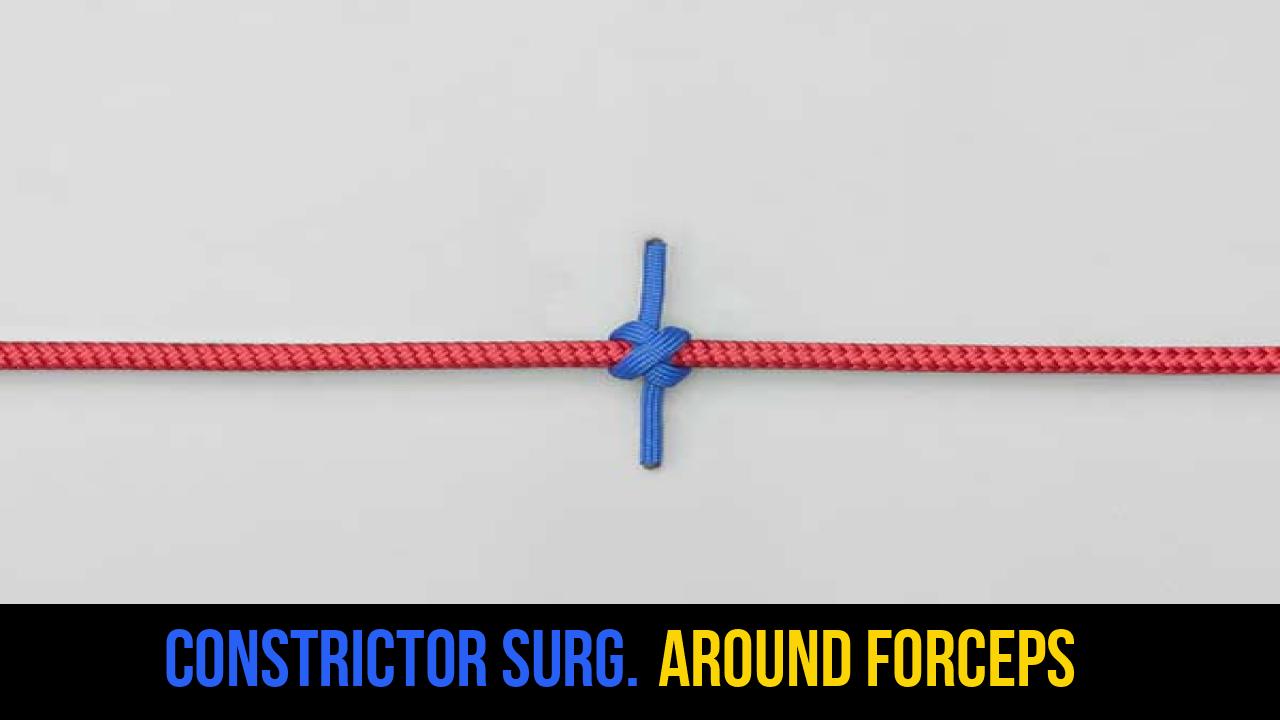
In the world of high-performance rope knots and technical rigging, precision is the difference between a secure hold and a structural failure. One of the most specialized variations of the classic binding knot is the Constrictor Surg. Around Forceps. While its name suggests a clinical origin, this technique has found a permanent home in the toolkits of outdoor gear specialists, precision crafters, and survivalists who require an ultra-tight, semi-permanent bind on small-diameter objects.
The Constrictor Surg. Around Forceps is more than just a knot; it is a mechanical process that utilizes a tool—the artery forceps or hemostat—to achieve a level of tension that is difficult to replicate with bare hands alone. This knot is part of a broader family of binding knots, renowned for their ability to grip cylindrical objects with such intensity that they often have to be cut away rather than untied.
Whether you are securing a rubber grip to a hiking pole, seizing the end of a fraying rope, or performing delicate field repairs on outdoor equipment, mastering the Constrictor Surg. Around Forceps offers a professional edge. Its reliability in high-vibration environments makes it a favorite for those who demand the highest standards from their outdoor rope techniques.
Alternative Names: Forceps Constrictor, Artery Forceps Binding, Surgical Constrictor Hitch, The Hemostat Binder.
What Is a Constrictor Surg. Around Forceps?
The Constrictor Surg. Around Forceps is a variation of the standard constrictor knot, adapted to be tied using surgical tools for maximum leverage and accuracy. At its core, it is a friction hitch designed to be tied around a central "vessel" or cylindrical object.
Unlike a standard clove hitch, which can slip or loosen if the tension is removed, the Constrictor Surg. Around Forceps features an over-under "bridge" that locks the cordage against itself. The more tension applied to the ends, the tighter the knot grips the object.
Practical Uses in Outdoor Gear and Crafting
While the "Surg." in the name points to its historical use in medical ligatures, the technical outdoor community uses this knot for several critical applications:
- Whippings and Seizings: Preventing the ends of high-tech synthetic ropes from unraveling.
- Tool Repair: Securing handles or creating emergency grips on gear like hatchets or trekking poles.
- Paracord Projects: Used as a finishing knot for decorative or functional paracord wraps where a low profile and high security are necessary.
- Fishing and Rigging: Creating secure attachment points on smooth rods or tubing where other knots might slide.
The defining characteristic of this knot is its "permanent" nature. Once the Constrictor Surg. Around Forceps is pulled tight, the friction is so great that the knot essentially becomes part of the object it is binding.
Materials and Tools Needed
To successfully execute the Constrictor Surg. Around Forceps, you need a combination of the right cordage and the specific mechanical tool that gives the knot its name.
1. The Tool: Artery Forceps (Hemostats)
The most critical component is the artery forceps. These are scissor-like tools with a locking mechanism. In outdoor gear maintenance, stainless steel hemostats are incredibly versatile for reaching into tight spaces or holding small components. For this knot, the forceps act as an extension of your fingers, allowing you to pull the "short end" of the line through a tight loop with high precision.
2. The Cordage: Ligatures and Ropes
The type of "ligature" or rope used will depend on your specific application:
- Bank Line (Tarred Nylon): Excellent for outdoor use as the tar adds extra grip, making the Constrictor Surg. Around Forceps nearly impossible to vibrate loose.
- Paracord (550 Cord): Useful for larger diameter "vessels," though the inner strands may need to be removed for a lower-profile knot.
- Technical Thread: For fine repairs, high-tensile polyester or waxed sailmaker’s thread is ideal.
3. The "Vessel"
In the context of this knot, the "vessel" refers to the object you are tying around. This could be a PVC pipe, a wooden dowel, a bundle of cables, or a hydraulic hose in a field repair scenario.
How to Tie Constrictor Surg. Around Forceps?
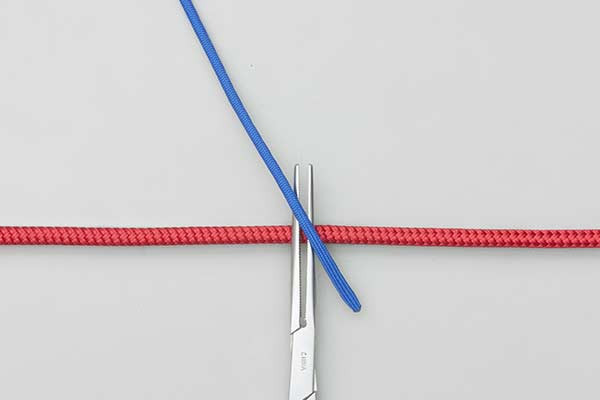
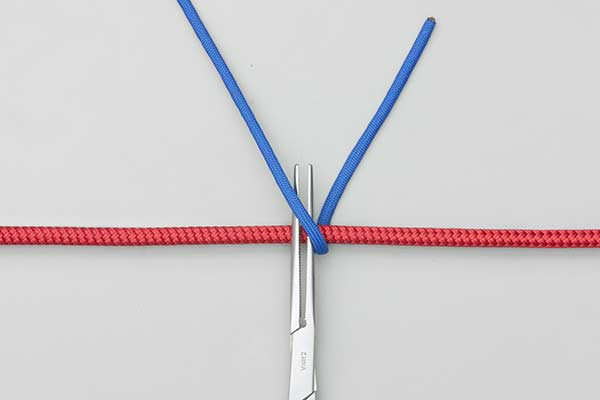
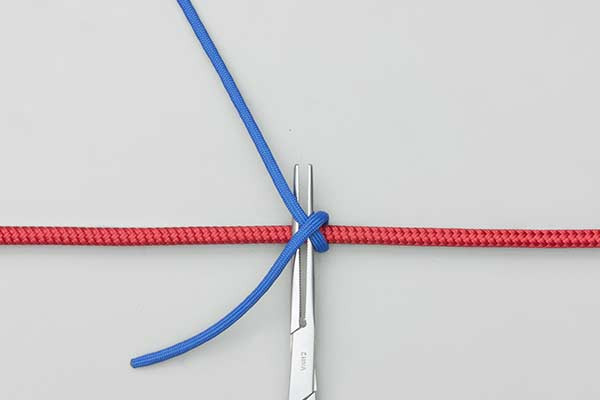
The following instructions provide the exact mechanical steps required to secure this knot using a pair of artery forceps. Precision is key; ensure your forceps are locked securely when gripping the cord.
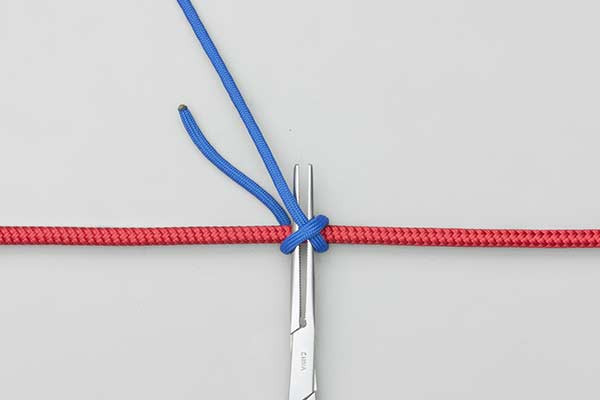
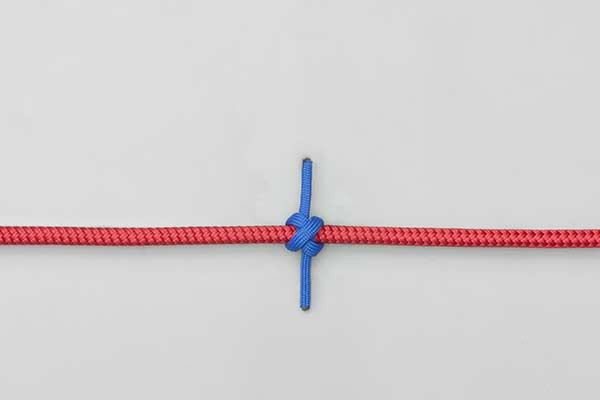
- Place an artery forceps across the vessel opposite the long end of the ligature.
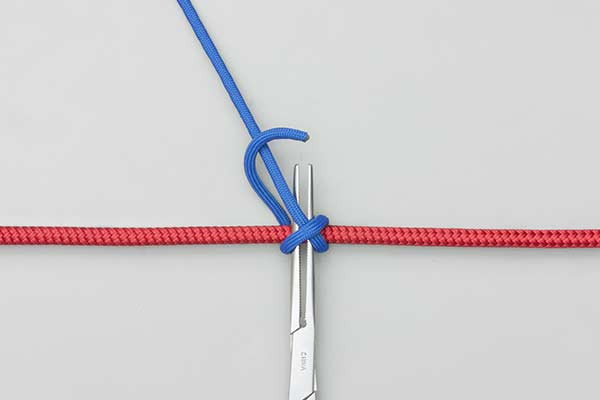
- Pass the short end around the vessel to one side and then across the forceps and around the vessel to the other side.
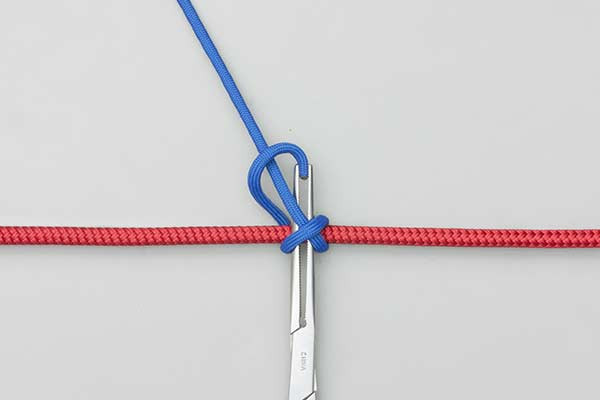
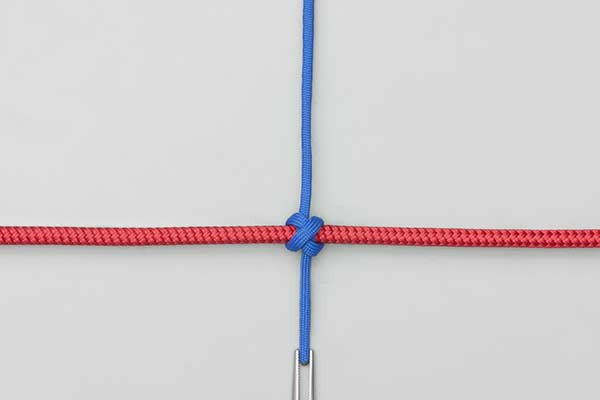
- Pass the short end across the long one, grip it with the forceps, pull the knot tight, and cut the ends.
Common Mistakes to Avoid
Even for experienced practitioners of outdoor rope techniques, the Constrictor Surg. Around Forceps can be tricky if the geometry is not respected. Here are the most common pitfalls:
- Incorrect Crossing: If the short end is passed on the wrong side of the "long end" or the forceps, the knot may revert to a simple clove hitch. A clove hitch does not have the locking power of a constrictor and can fail under load.
- Insufficient Tension Before Cutting: This knot relies on initial "bite." If you cut the ends before the knot is fully seated and tightened using the leverage of the forceps, it may unravel.
- Using Slippery Synthetic Lines: While the Constrictor Surg. Around Forceps is powerful, ultra-slick lines like DynaGlide or certain polyethylenes may require an extra turn to ensure the friction "locks" properly.
- Damaging the Vessel: Because this knot can be tightened with extreme force using the forceps, be careful not to crush fragile or hollow vessels (like thin plastic tubing).
Related Knots and Splicing
Understanding the Constrictor Surg. Around Forceps is easier when you recognize its "relatives" in the world of rope knots.
- The Standard Constrictor Knot: The manual version of this knot, tied without forceps. It is the gold standard for semi-permanent bindings in scouting and sailing.
- The Clove Hitch: A simpler binding knot that is easy to tie and untie, but lacks the "locking" bridge that makes the constrictor so secure.
- The Miller’s Knot: Often used for tying sacks, this knot is a close cousin to the constrictor but is slightly easier to untie once the load is removed.
- The Transom Knot: Used primarily for lashing two poles together at right angles, utilizing the same friction principles as the constrictor family.
Final Words on the Constrictor Surg. Around Forceps
The Constrictor Surg. Around Forceps represents the intersection of mechanical advantage and traditional knot-tying. While it may have originated in a specialized field, its utility in outdoor rope techniques and gear maintenance is undeniable. It provides a level of security that few other knots can match, especially when working with small diameters or in situations where the knot must remain tight indefinitely.
By following the precise steps outlined in this guide and utilizing the mechanical leverage of the artery forceps, you can ensure that your bindings are professional, secure, and reliable. Whether you are a bushcraft enthusiast, a DIY gear maker, or a technical rigger, adding this knot to your repertoire is a significant upgrade to your technical skills.
Remember: the Constrictor Surg. Around Forceps is often a "one-way" knot. Once it is set, prepare to use a knife if you ever need to remove it. Its strength is its permanence—a trait that makes it one of the most trusted binds in the world of technical cordage.
