
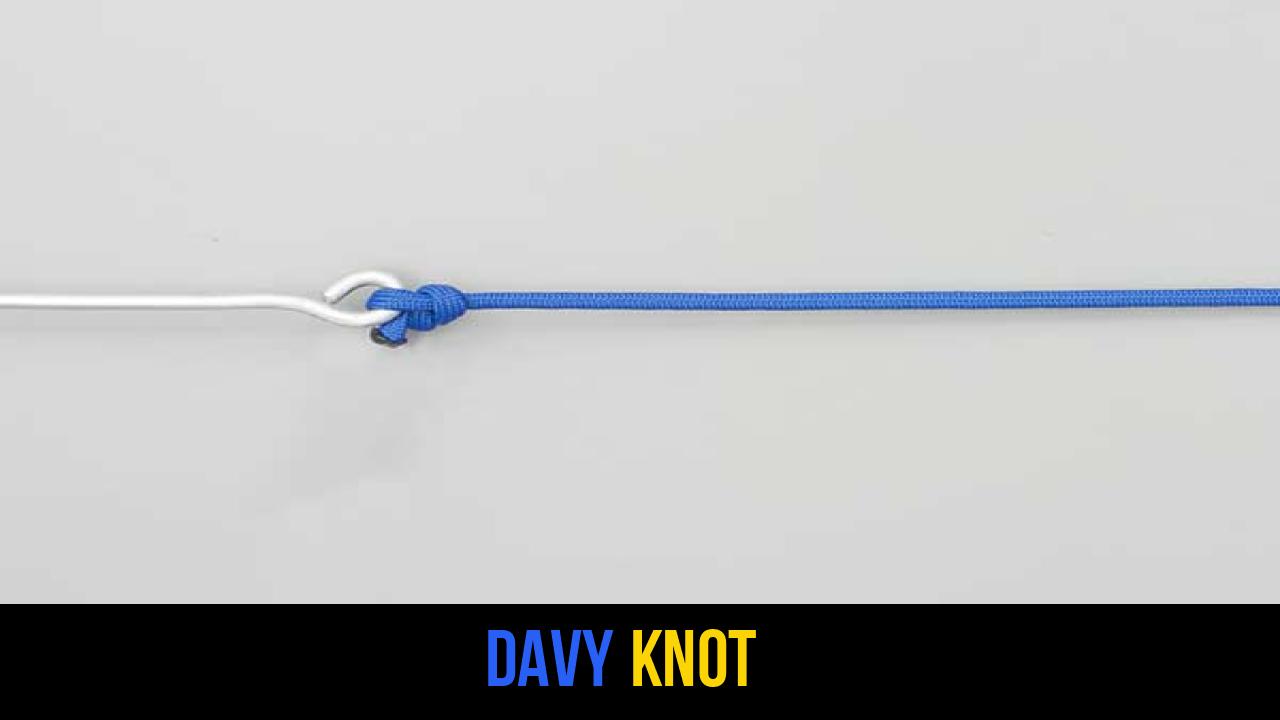
In the world of precision angling and specialized outdoor rope techniques, few connections are as revered for their simplicity and speed as the Davy Knot. Developed by the legendary fly fisherman Davy Wotton in the 1950s, this knot has transitioned from a competitive secret to a staple in the gear bags of fly fishers globally. Whether you are standing in a cold mountain stream or preparing your terminal tackle on a boat, the ability to secure a fly quickly can be the difference between a record catch and a missed opportunity.
The Davy Knot is particularly prized for its low profile. Unlike bulkier knots that can distract fish or interfere with the delicate presentation of a dry fly, this knot remains unobtrusive. It is a testament to the philosophy that in technical outdoor sports, often the most effective solution is the one with the fewest moving parts. While it may look simple, its structural integrity is surprisingly high, especially when used with the appropriate diameters of monofilament or fluorocarbon tippet.
As we explore the mechanics of this connection, we will look at why it remains a favorite among competition anglers who need to change flies in seconds. Understanding the Davy Knot is not just about following a sequence of movements; it is about mastering the tension and friction that define all high-quality rope knots.
Alternative Names: Davy’s Knot, Wotton’s Knot, The Competition Knot.
What Is a Davy Knot?
The Davy Knot is a terminal tackle knot used primarily in fly fishing to attach a fly to a tippet (the thinnest portion of a fishing leader). In the broader context of rope knots, it is classified as a hitch-based connection that relies on multiple passes through a primary loop to create a secure "jamming" effect against the eye of a hook.
Practical Applications
While many outdoor rope techniques are designed for heavy-duty load-bearing, the Davy Knot is a specialist in finesse. Its primary uses include:
- Small Fly Presentation: Because of its tiny size, it is the go-to knot for midges and small dry flies (sizes 18 to 28).
- Competition Fishing: In timed environments, the speed of tying this knot allows anglers to get their line back in the water faster than almost any other method.
- Tippet Conservation: The knot uses very little material, meaning your expensive fluorocarbon tippet lasts longer before needing replacement.
Despite its diminutive size, the Davy Knot provides a high percentage of line strength. When tied correctly, it resists slipping even under the sudden "take" of a large trout. It is a perfect example of how specialized rope knots can be optimized for specific environments—in this case, the high-tension, low-visibility world of fly fishing.
Materials and Tools Needed
To successfully tie the Davy Knot, you don’t need a heavy rigging kit, but you do need the right components for the task. Because this knot is designed for thin diameters, the quality of your materials matters immensely.
Essential Components:
- Tippet or Line: This knot performs best on monofilament or fluorocarbon lines between 2X and 7X. It is not generally recommended for heavy braided lines used in saltwater "rope knots" applications.
- The Eye of the Hook: Ensure the eye is clean and free of "head cement" or debris, as the knot must seat directly against the metal.
- Nippers or Scissors: A sharp cutting tool is essential for trimming the tag end close to the knot.
- Lubrication: Water or saliva is necessary to reduce friction heat during the tightening process.
Considerations for Outdoor Rope Techniques:
If you are practicing this as part of your general study of outdoor rope techniques, you can use a larger cord (such as 2mm accessory cord) and a large ring to visualize the mechanics. However, keep in mind that the Davy Knot relies on the specific "bite" of thin plastic lines to hold its shape under load.
How to Tie Davy Knot?
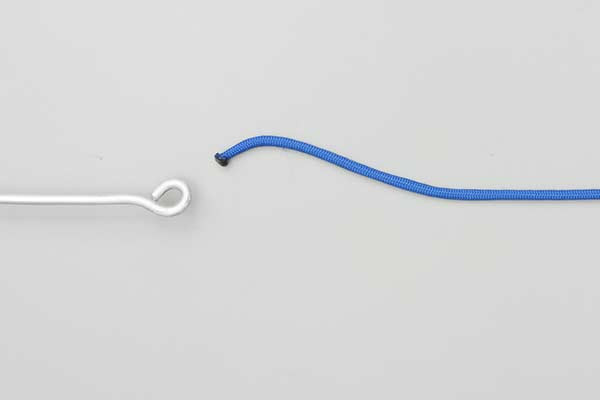
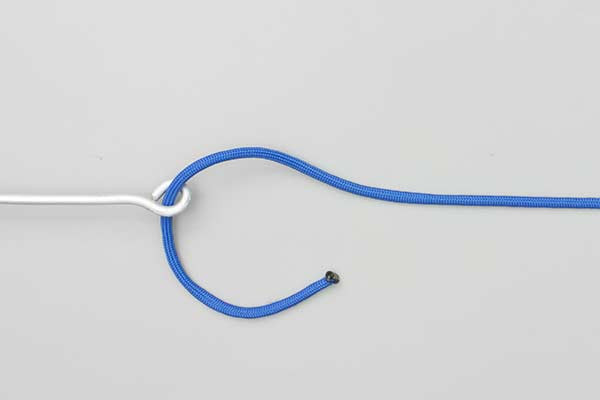
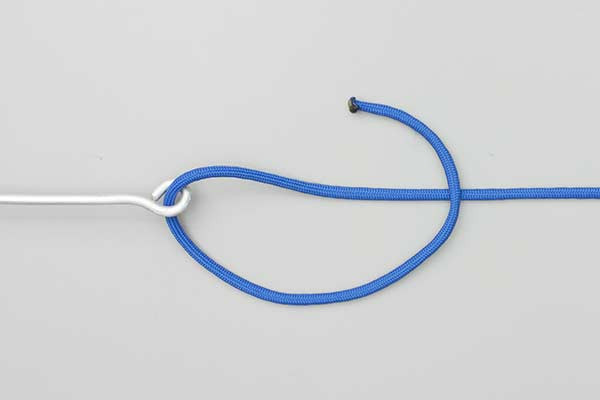
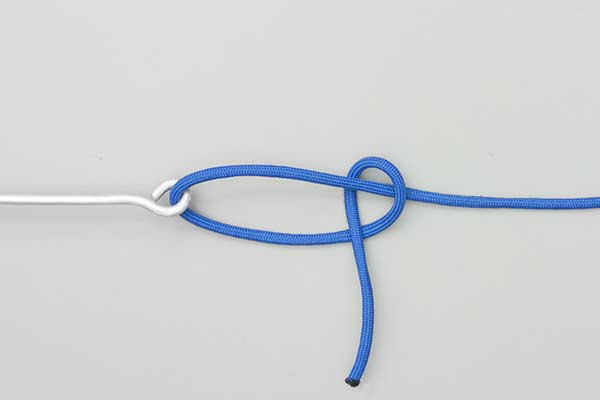
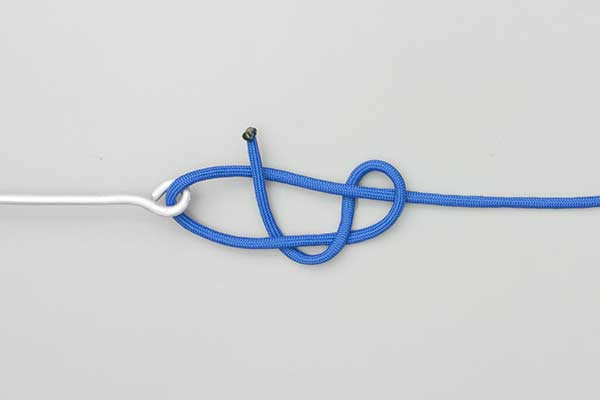
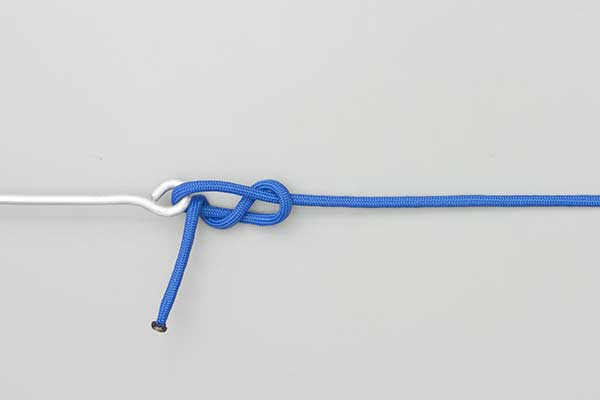
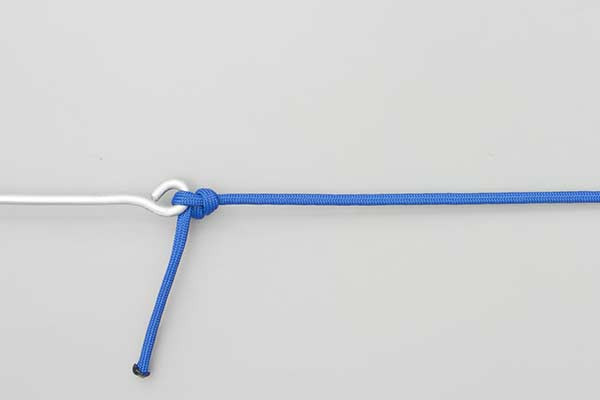
Follow these steps precisely to ensure the knot is seated correctly and maintains its maximum breaking strength.
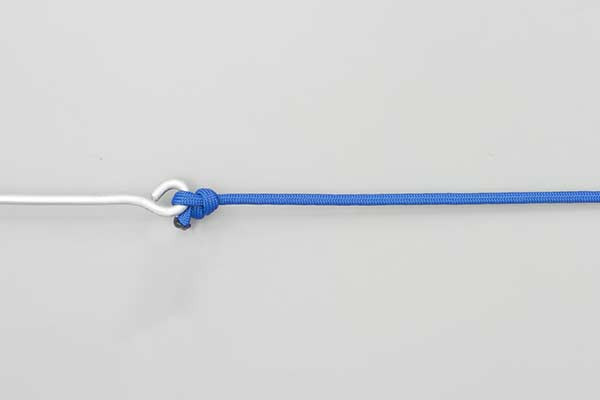
- Pass the tippet through the eye, wrap it around the running end, and pass it back through the loop to make a half hitch.
- Continue around and back through the loop a second time.
- Tighten carefully so that the tag end is enclosed by the knot against the eye.
- Trim the end.
Common Mistakes to Avoid
Even with a knot this simple, small errors in execution can lead to knot failure. When dealing with rope knots used in high-stakes outdoor activities, precision is your best safety measure.
1. Failure to Lubricate
This is the most common mistake when tying any fishing knot. As you pull the line to tighten the Davy Knot, the friction generates heat. In monofilament, this heat weakens the molecular structure of the plastic, leading to a "pig-tail" curl or a snap at a much lower weight than the line’s rating. Always wet the knot before the final cinch.
2. Improper Seating
The Davy Knot must be "seated" or tightened so that it rests squarely against the eye of the hook. If the knot is loose or hanging away from the eye, it can cause the fly to track unnaturally in the water or slip when a fish strikes. Ensure the tag end is properly enclosed as per the instructions.
3. Using the Wrong Line Diameter
While versatile, the Davy Knot is not a "one size fits all" solution for all outdoor rope techniques. If you try to tie this with a very thick line or a heavy saltwater leader, the second pass through the loop may not seat correctly, causing the knot to unspool under heavy pressure.
4. Over-Trimming the Tag
While the instructions say to "Trim the end," leaving a microscopic "buffer" (about 1mm) is often safer than cutting it flush against the knot. If the knot settles slightly under the weight of a fish, a flush-cut tag might pull through the loop.
Related Knots and Splicing
Expanding your knowledge of rope knots involves understanding how different connections compare. Here are a few related knots often used in conjunction with or as alternatives to the Davy Knot:
- The Double Davy Knot: A variation that adds one extra wrap through the loop for increased security when using very slippery fluorocarbon lines.
- The Improved Clinch Knot: A classic fishing knot that involves more wraps; it is bulkier than the Davy but offers a traditional sense of security for larger flies.
- The Palomar Knot: Often considered the strongest fishing knot, it is used for larger hooks and lures where the line is doubled through the eye.
- The Surgeon’s Knot: A primary knot for joining two pieces of line together (tippet to leader) rather than attaching a hook.
- The Orvis Knot: A small, efficient knot similar to the Davy but with a slightly different wrap sequence, known for high breaking strength.
Final Words
The Davy Knot is a masterclass in minimalist engineering. In the realm of outdoor rope techniques, it stands out as a specialized tool that prioritizes efficiency, stealth, and speed. Whether you are a professional guide or a weekend enthusiast, adding this knot to your repertoire ensures you spend less time fumbling with line and more time engaging with the environment.
By following the exact steps provided—passing through the eye, creating that initial half hitch, and securing the second loop—you create a compact, powerful connection that belies its simple appearance. Remember that the hallmark of a great outdoorsman is not just knowing how to tie a knot, but knowing when a specific knot like the Davy Knot is the perfect tool for the job. Practice until the movements become muscle memory, and you will find your technical proficiency on the water reaches new heights.
