
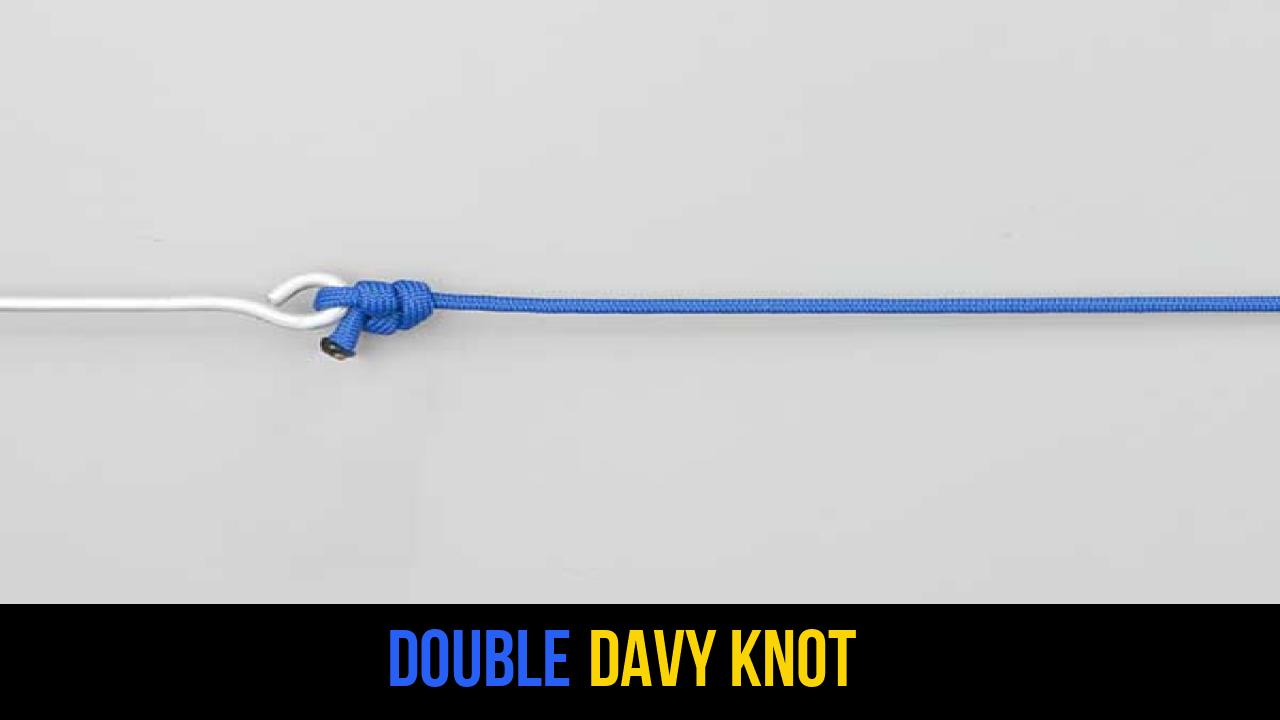
In the world of technical angling and precision outdoor gear, few elements are as critical yet overlooked as the terminal connection. Whether you are navigating a high-mountain stream or preparing gear for a specialized outdoor application, your choice of rope knots can mean the difference between success and a lost opportunity. Among the elite tier of fishing and outdoor connections stands the Double Davy Knot.
The Double Davy Knot is a specialized evolution of the standard Davy knot, designed specifically to provide extra security when using modern, slick synthetic lines. Favored by competitive fly fishermen and outdoor enthusiasts who demand a combination of speed and high breaking strength, this knot has earned its reputation for being both incredibly low-profile and remarkably resilient. Unlike bulkier knots that can create unwanted drag or spook sensitive fish in clear water, the Double Davy remains compact, making it an essential addition to your repertoire of outdoor rope techniques.
Alternative Names: The Double Davy is also known in various circles as the Enhanced Davy Knot, the Wotton Double Knot, or simply the Double Davy.
What Is a Double Davy Knot?
The Double Davy Knot is a terminal tackle knot used primarily to secure a line (tippet or leader) to a small hook, fly, or lure. It was popularized by Davy Wotton, a world-renowned fly fisherman and instructor, who sought a knot that could be tied with lightning speed during competitions while maintaining a high percentage of the line’s original breaking strength.
What sets this knot apart is its efficiency. In many outdoor rope techniques, a knot’s strength is often proportional to its complexity. However, the Double Davy manages to stay small while adding an extra turn compared to the original Davy knot. This additional wrap provides the necessary friction to prevent "creep" or slipping, which is a common issue with fluorocarbon lines.
Practical Uses
While its primary home is in the world of fly fishing—specifically for attaching tiny midges or dry flies to 5X, 6X, or 7X tippets—the principles of the Double Davy Knot apply to any scenario where a small-diameter cord must be secured to a fixed eyelet under tension. It is an excellent choice for:
- Ultralight Angling: Where knot bulk can interfere with the natural drift of a lure.
- Craft and Hobbyist Applications: Securing fine threads to small hardware.
- Emergency Outdoor Repairs: Using high-tensile cordage to fix gear where space is limited.
Materials and Tools Needed
To successfully execute the Double Davy Knot, you need to understand the interaction between your cordage and the hardware. Because this is a high-precision knot, the quality of your materials matters.
1. Cordage and Line Types
- Fluorocarbon: This is the most common material used with this knot. Because fluorocarbon is denser and slicker than nylon, the "double" aspect of the knot is vital for preventing slippage.
- Nylon Monofilament: The knot performs exceptionally well with standard nylon, offering a very slim profile.
- Micro-Cord: In general rope knots applications, this technique can be used with braided lines or micro-cords, provided the eyelet is large enough to accommodate the wraps.
2. Tools
- Nippers or Scissors: A sharp cutting tool is essential. The Double Davy is designed to be trimmed very close to the knot body.
- Hemostats or Pliers: While usually tied by hand, these can assist in holding small hooks during the tightening process.
- Magnification (Optional): Since this knot is often used with very fine lines, a pair of fishing magnifiers can help ensure the wraps are seated correctly.
How to Tie Double Davy Knot?
Precision is key when tying the Double Davy Knot. Follow these steps exactly as outlined to ensure the knot maintains its structural integrity and strength.
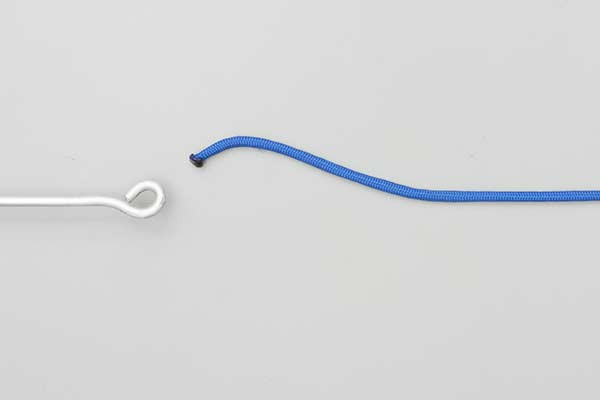
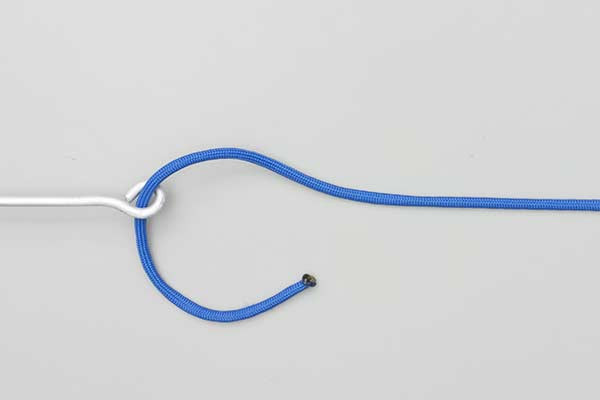
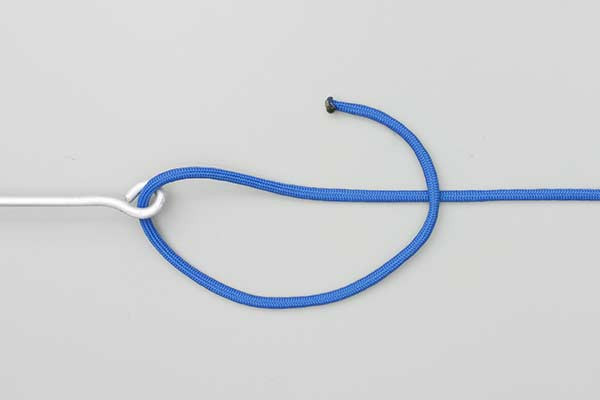
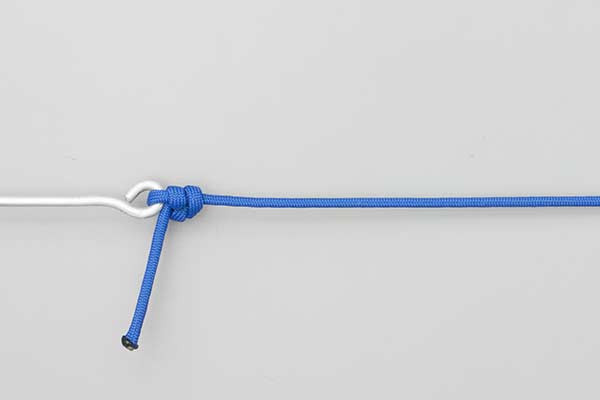
- Pass the tippet through the eye, around the running end, and back through the loop to make a half hitch.
- Continue around and through the loop a second time, then around the running end, and through the loop a third time.
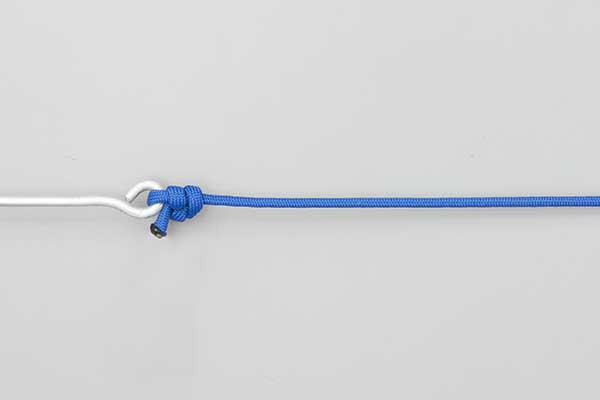
- Tighten carefully so that the tag end is enclosed by the knot against the eye.
- Trim the end.
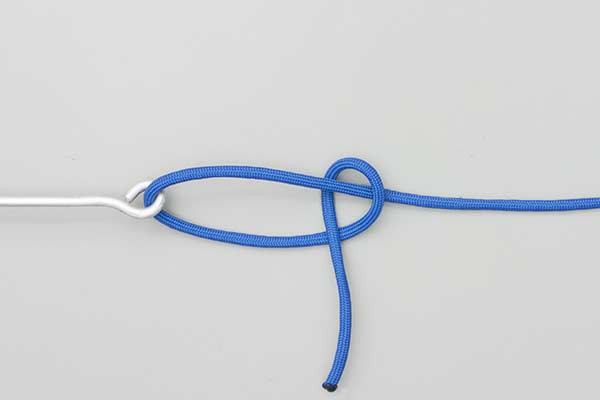
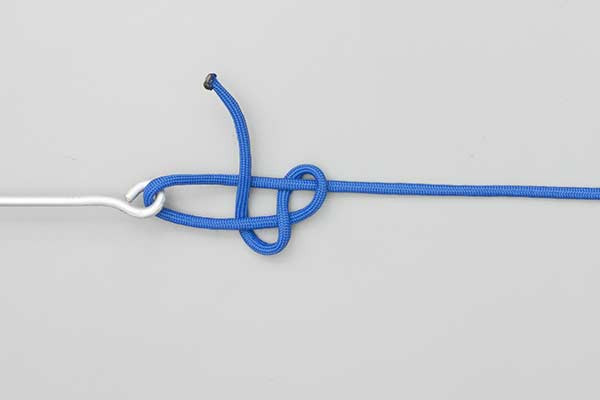
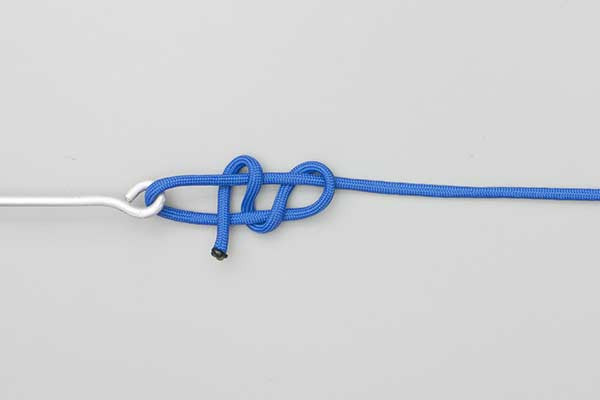
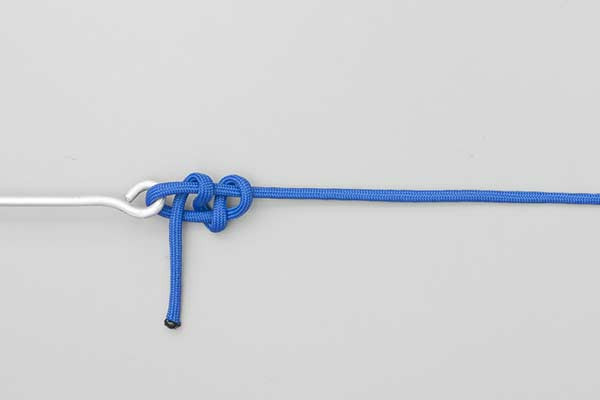
Common Mistakes to Avoid
Even for those experienced in outdoor rope techniques, the Double Davy can be finicky if not seated properly. Here are the most common errors to watch for:
Failure to Lubricate
In all rope knots, friction creates heat during the tightening phase. With thin synthetic lines, this heat can weaken the material significantly. Always moisten the knot with water or saliva before the final pull to ensure the wraps slide into place without "burning" the line.
Overlapping Wraps
The beauty of the Double Davy Knot is its stacked configuration. If the wraps cross over each other haphazardly during step two, the knot may become bulky or, worse, cut into itself under heavy tension. Ensure the loops stay parallel as you begin to tighten.
Improper Seating Against the Eye
The instructions specify that the tag end should be enclosed by the knot against the eye. If the knot is tightened too far away from the hook eye and then slid down, it may not lock correctly. Aim to consolidate the knot directly against the hardware.
Trimming Too Close (or Not Close Enough)
While the Double Davy is famous for being able to be trimmed closely, cutting into the knot’s structure will cause immediate failure. Conversely, leaving too long of a "tail" defeats the purpose of this low-profile connection. Use high-quality nippers for a clean, flush cut.
Related Knots and Splicing
Understanding the Double Davy Knot is easier when you compare it to other common rope knots used in the field.
- The Standard Davy Knot: A faster, simpler version using only one pass through the loop; ideal for nylon but less secure for fluorocarbon.
- The Clinch Knot: A classic outdoor staple that involves wrapping the tag end around the standing line five to seven times before tucking.
- The Orvis Knot: A strong, easy-to-tie alternative that uses a figure-eight style logic to secure the line to the eyelet.
- The Pitzen Knot (16-20 Knot): Known for its incredible strength-to-diameter ratio, this knot slides down the standing line to lock against the eye.
The Science of Knot Integrity
To truly master outdoor rope techniques, one must understand why the Double Davy Knot works from a mechanical perspective. Most knots fail because the line "strangles" itself or because the friction is insufficient to hold the tag end.
The Double Davy addresses these issues through its "half-hitch plus" architecture. By passing the line through the loop multiple times, you increase the surface area contact between the line segments. This distributes the load more evenly across the knot. Furthermore, by enclosing the tag end against the eye of the hook, the knot uses the hardware itself as a secondary locking mechanism. This is why it is often cited as having a higher "knot strength" percentage than the more common Improved Clinch Knot when tied in very thin diameters.
When to Use a Different Knot
While the Double Davy Knot is exceptional, it is not a universal solution for all rope knots needs. If you are using very heavy cordage (over 20lb test), the number of wraps in a Double Davy can become cumbersome, and the knot may not seat properly. In those instances, a Palomar knot or a Uni knot would be more appropriate. The Double Davy shines in the "micro" world—where finesse, speed, and stealth are the priorities.
Final Words
The Double Davy Knot represents a perfect marriage of simplicity and technical performance. For the angler or outdoor specialist, mastering this knot is a rite of passage that leads to more efficient gear setups and fewer "the one that got away" stories.
By following the precise steps of passing the tippet through the eye, creating the half-hitch, and carefully doubling the internal wraps, you create a connection that is nearly invisible to the eye but incredibly strong under tension. Whether you are tying on a size 22 midge in a freezing tailwater or practicing your outdoor rope techniques in the backyard, the Double Davy is a reliable, professional-grade tool for your kit.
Remember: practice makes permanent. Spend time with a spool of waste line practicing the transition from the first half-hitch to the final enclosure against the eye. Once the muscle memory is set, you will find the Double Davy Knot to be one of the fastest and most dependable connections in your entire repertoire of rope knots.
