
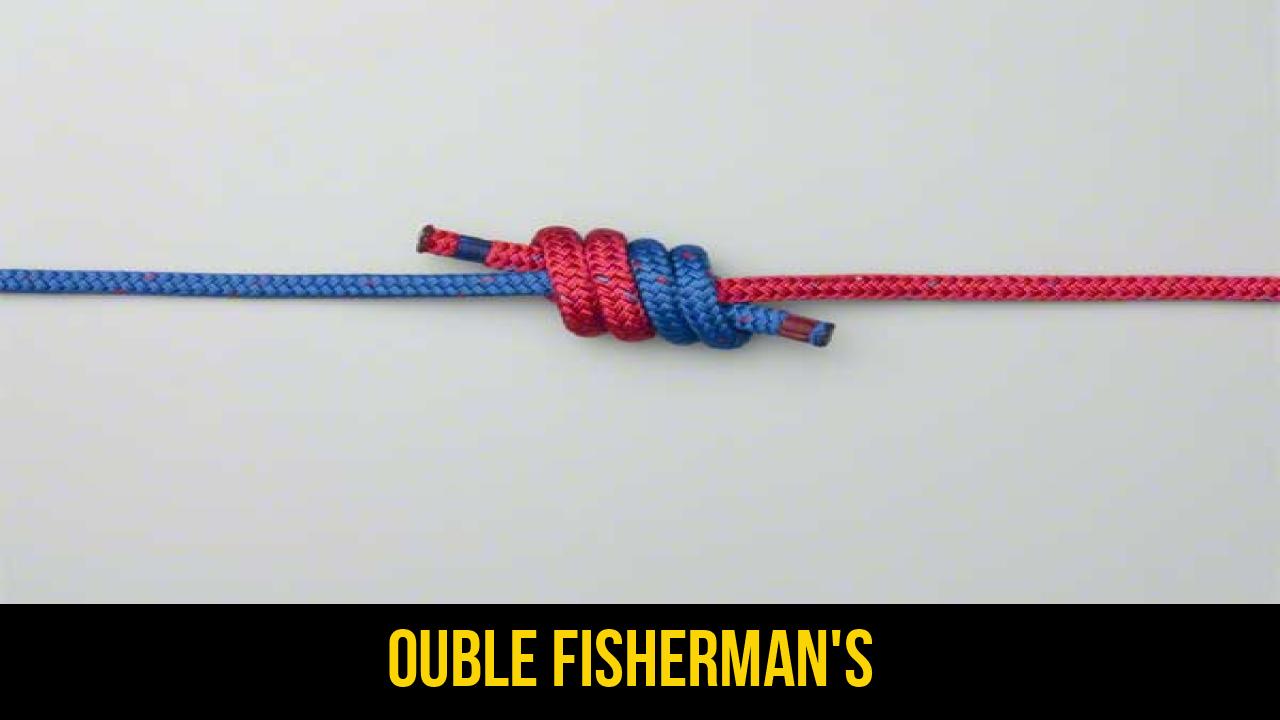
In the world of rope knots and outdoor rope techniques, few joins are as respected and widely utilized as the Double Fisherman’s Knot. Renowned for its incredible security and reliability, this knot is a staple in high-stakes environments, from the crags of the Himalayas to the rigging systems of professional arborists. Whether you are looking to join two ropes of similar diameter or create a permanent loop, understanding the mechanics of this knot is a fundamental skill for any serious outdoorsman.
The Double Fisherman’s Knot belongs to the family of "bends"—knots used to join two lengths of rope together. Its primary strength lies in its symmetry and the fact that it is essentially composed of two double overhand knots that slide against each other until they jam. This "jamming" quality makes it one of the most secure bends available, often used in applications where a failure could be catastrophic.
Beyond its technical prowess, the knot is aesthetically pleasing and serves as an excellent introduction to more complex friction-based hitches. In this guide, we will explore everything from the materials required to the specific step-by-step instructions needed to master this essential skill.
Alternative Names: Grapevine Knot, Double English Knot.
What Is a Double Fisherman’s Knot?
The Double Fisherman’s Knot is a highly secure method of joining two ropes of equal or near-equal diameter. Unlike simpler bends that may slip under heavy loads or when used with modern, "slick" synthetic fibers, the Double Fisherman’s utilizes multiple wraps to create a high-friction bond.
Practical Uses in the Field
- Climbing and Mountaineering: Its most common use is creating "Prusik loops"—small loops of cord used for friction hitches in self-rescue and ascending. It is also used to join two ropes for long rappels, although it can be difficult to untie after being heavily weighted.
- Fishing: True to its name, it is used by anglers to join two fishing lines, particularly when dealing with heavy monofilament or fluorocarbon where knot security is paramount.
- Search and Rescue (SAR): Due to its high safety factor, SAR teams often use this knot in rigging systems that require semi-permanent loops.
- Arboriculture: Tree climbers use it for various rigging applications where a "set-and-forget" knot is required for safety lines.
While the knot is exceptionally strong, it is important to note that it is considered a "permanent" or "semi-permanent" bend. Once it has been subjected to a heavy load, it can be extremely difficult to undo by hand, often requiring the use of pliers or even cutting the rope.
Materials and Tools Needed
Before practicing your outdoor rope techniques, you must ensure you have the right equipment. The performance of the Double Fisherman’s Knot can vary based on the type of cordage used.
Rope Types
- Static Rope/Accessory Cord: This is the ideal material for practicing. A 5mm to 7mm nylon accessory cord is standard for creating loops.
- Dynamic Rope: While the knot works well on dynamic climbing ropes, the elasticity of the rope means you must be extra diligent in "seating" the knot correctly.
- High-Modulus Polyethylene (HMPE): For ropes like Dyneema or Spectra, which are incredibly slippery, some professionals prefer a Triple Fisherman’s (adding an extra turn) for added security, though the double version is generally sufficient for standard nylon.
Tools and Considerations
- Rope Cutter or Sharp Knife: Since this knot is difficult to untie, you may need to cut your cordage if you no longer need the loop.
- Measuring Tape: If you are making a Prusik loop of a specific length, remember to account for the "tail" length (the excess rope sticking out of the knot).
- Clear Workspace: Practice on a flat surface to ensure you can see the symmetry of the wraps as you form them.
How to Tie a Double Fisherman’s Knot?
To ensure maximum safety and performance, follow these instructions precisely. The Double Fisherman’s Knot relies on the two halves being identical and "nested" against each other.
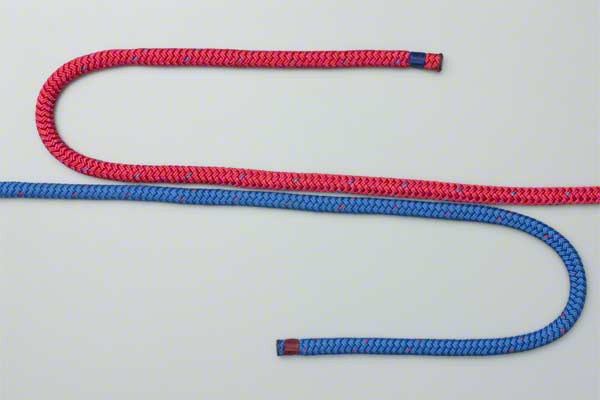
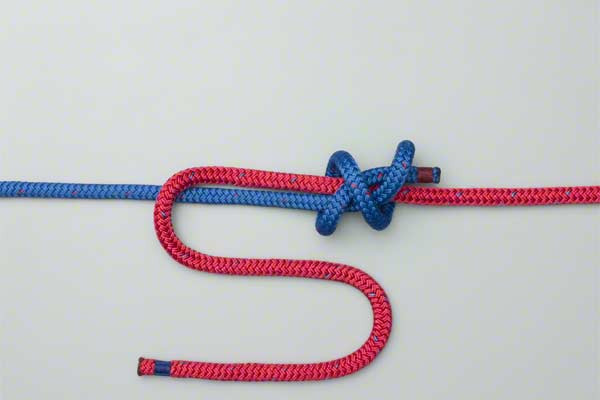
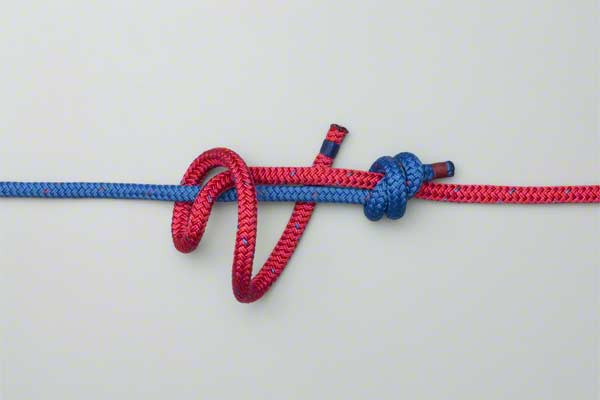
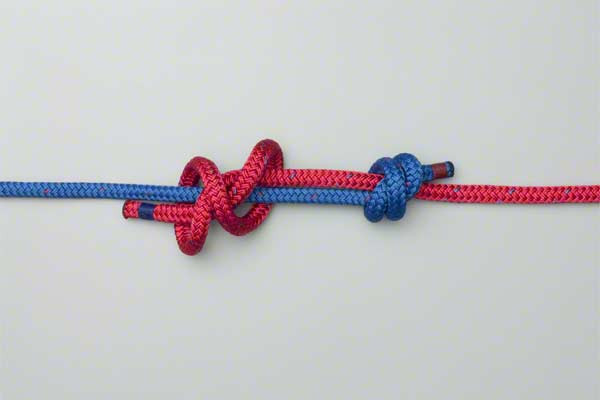
- Overlap the two ends. Lay the two rope ends parallel to each other, pointing in opposite directions, with about 10–12 inches of overlap.
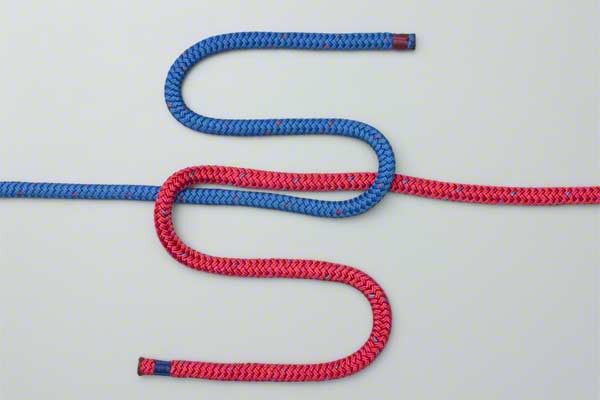
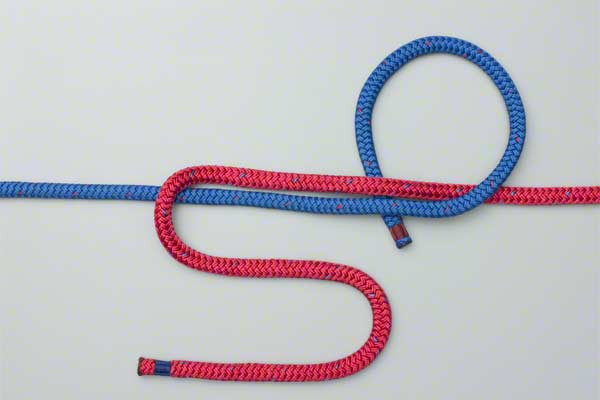
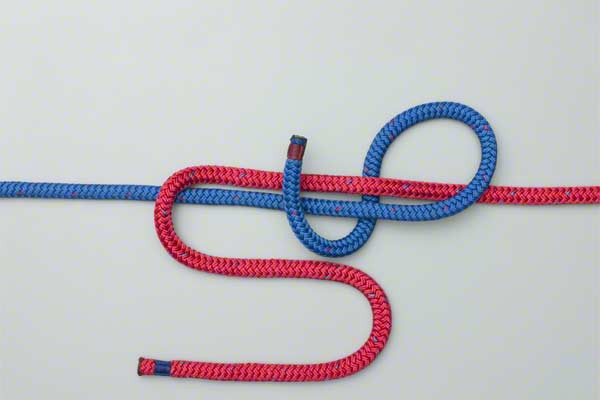
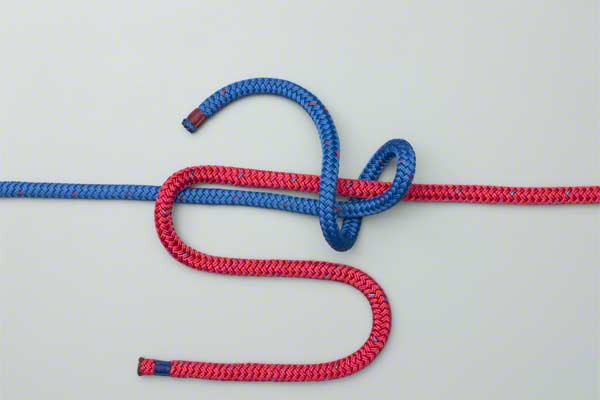
- Wrap one end around both ropes two full turns. Take the end of the first rope and wrap it over the second rope and back around itself, creating two distinct loops that encircle both strands.
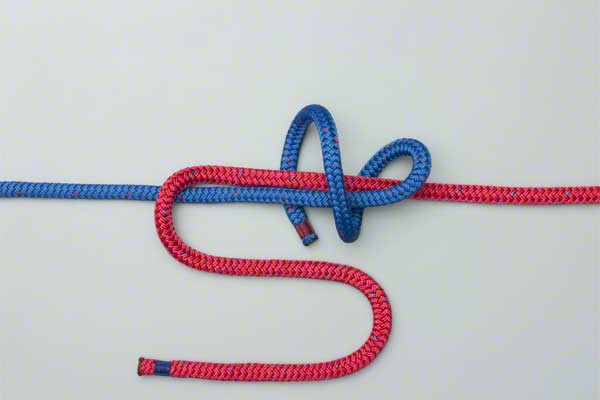
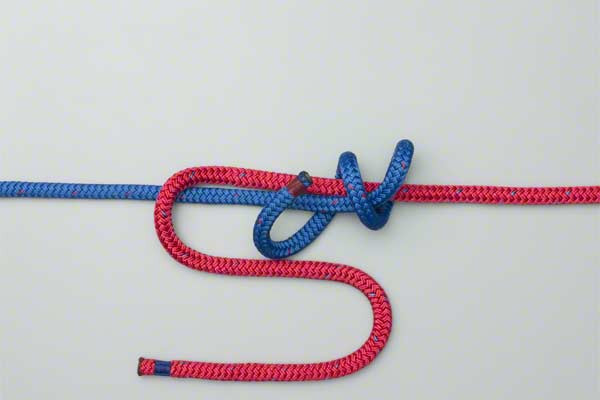
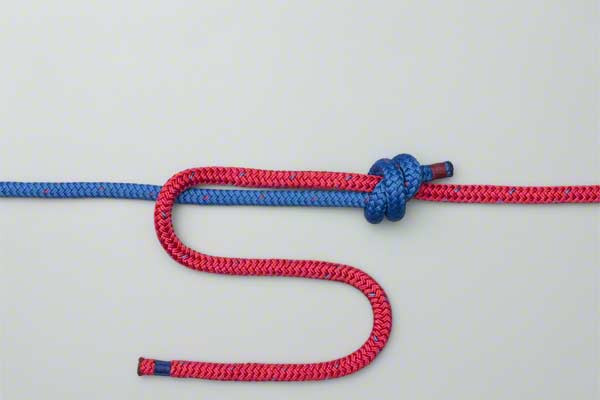
- Then pass this end back through these turns and pull tight. Thread the working end through the center of the two loops you just created (moving back toward the main standing part of the rope) and pull it snug to form a double overhand knot.
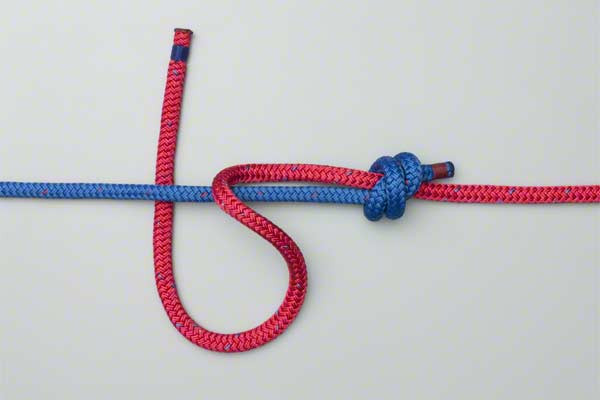
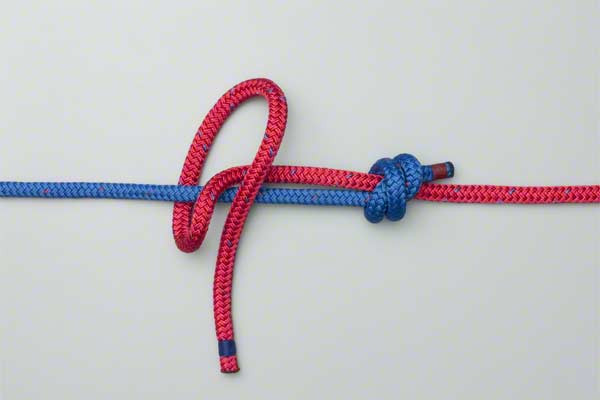
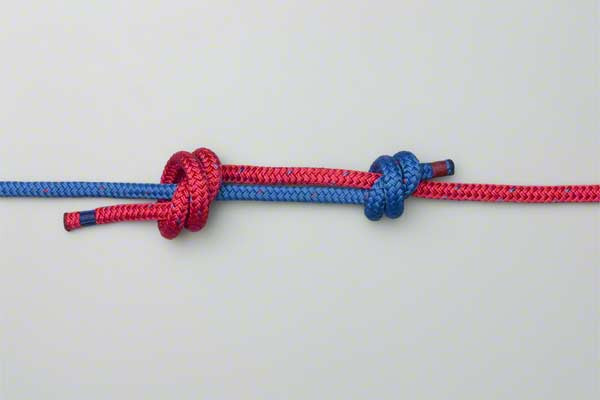
- Next pass the other end two full turns around both ropes. Move to the second rope end. Repeat the wrapping process, ensuring the turns are made in the same direction relative to the rope.
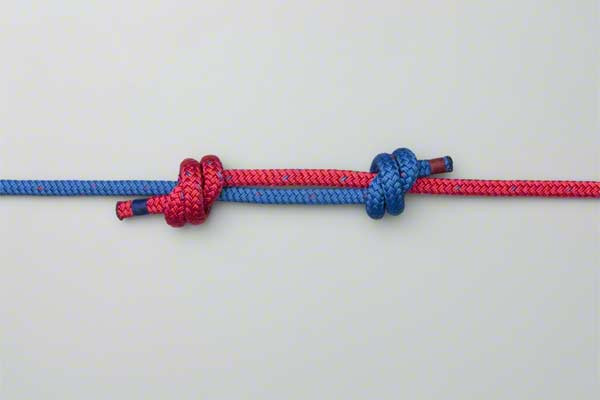
- Pass this end back through and pull tight. Just like the first side, tuck the end through the two turns and pull it tight to create the second double overhand knot.
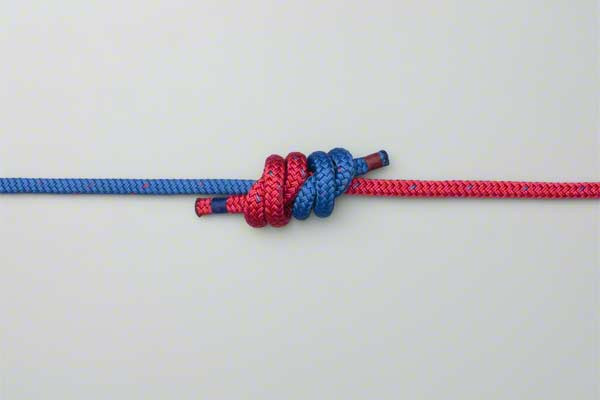
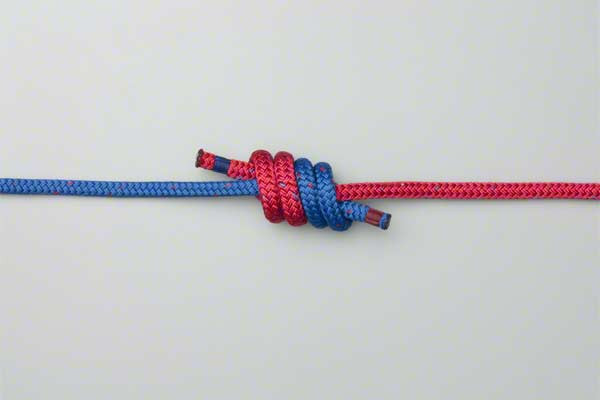
- Pull on both ropes to tighten the two knots against each other. Grab the long standing ends of both ropes and pull firmly. The two individual knots should slide along the rope until they meet in the middle, locking together securely.
Common Mistakes to Avoid
Even seasoned professionals can make errors when tying the Double Fisherman’s Knot. Because this knot is often used in life-safety applications, avoiding these mistakes is critical.
- Crossing the Turns: When wrapping the rope, the turns must sit neatly side-by-side. If the ropes cross over each other inside the knot, it reduces the surface area contact and can lead to slippage or internal rope wear.
- Short Tails: Always ensure you leave at least 2–3 inches of "tail" (the loose end) exiting the knot. Under extreme loads, the knot may "settle" or tighten further, drawing a small amount of the tail into the knot. If the tail is too short, the knot could theoretically untie itself.
- Mismatched Diameters: While the Double Fisherman’s Knot is more forgiving than many bends, it is safest when used on ropes of the same diameter. If joining ropes of significantly different thicknesses, the smaller rope may slip through the larger wraps.
- Failure to "Dress" the Knot: A "dressed" knot is one where all strands are parallel and neat. For the Double Fisherman’s, when finished, one side should show four neat parallel wraps, and the other side should show two "X" shapes. If it doesn’t look like this, untie and start over.
Related Knots and Splicing
Understanding the broader context of rope knots helps you choose the right tool for the job. Here are a few knots related to the Double Fisherman’s:
- Fisherman’s Knot (Single): A simpler version using only one wrap per side. It is significantly less secure and should never be used for climbing or life-safety.
- Triple Fisherman’s Knot: This version adds a third wrap to each side. It is the gold standard for joining very slippery synthetic ropes like Dyneema or Spectra.
- Figure-Eight Join (Flemish Bend): Another highly secure bend used in climbing. It is bulkier than the Double Fisherman’s but much easier to untie after it has been loaded.
- Overhand Bend (EDK): Frequently used to join two ropes for rappelling because it is less likely to get stuck on rock edges, though it is less secure than the Double Fisherman’s.
Final Words
The Double Fisherman’s Knot is a cornerstone of outdoor rope techniques. Its reputation for being "bombproof" makes it the go-to choice for creating permanent loops and joining lines in critical situations. While its tendency to jam under load makes it a poor choice for temporary applications, its security is unmatched for semi-permanent rigging.
As with all rope knots, proficiency comes through repetition. Practice tying this knot with different types of cordage and in different conditions—such as with gloves on or in low light—to ensure that when you need to rely on it in the field, your muscle memory is flawless. Always inspect your knots (and your partner’s knots) before putting them into service. Safety in the outdoors begins with the strength of your connections.
