
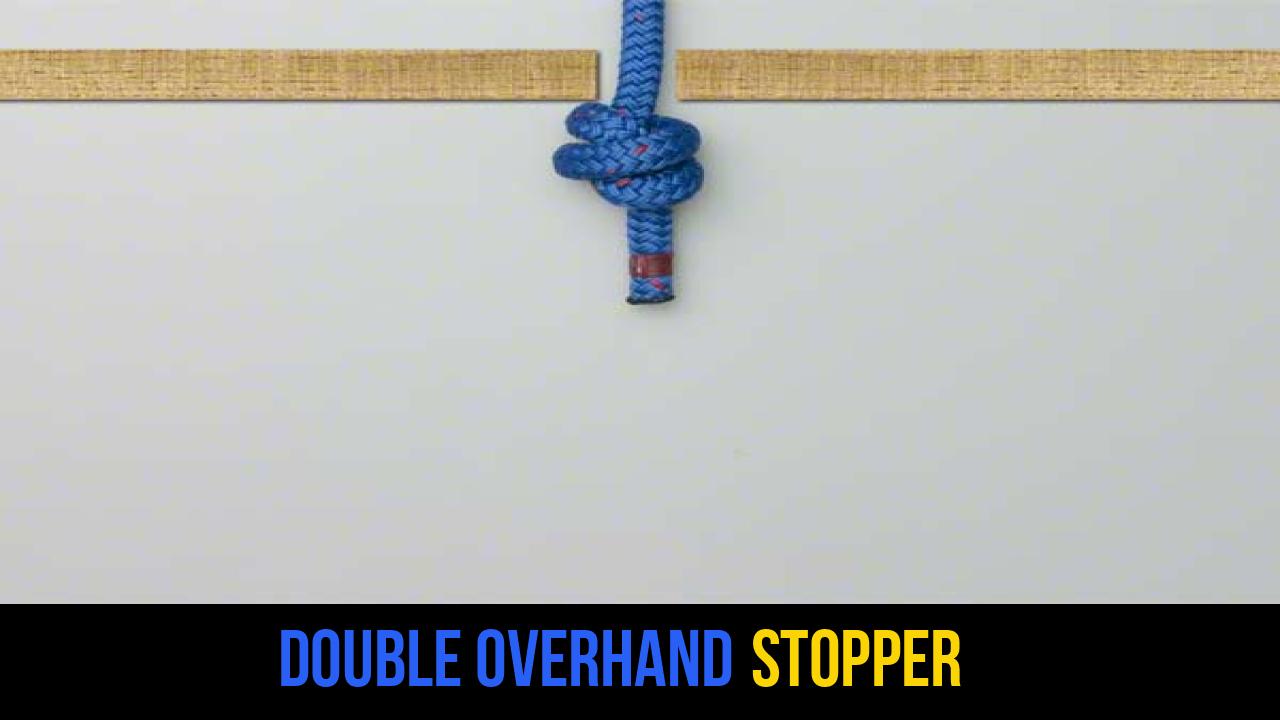
In the world of rope knots and outdoor rope techniques, few structures are as foundational and reliable as the stopper knot. Among these, the Double Overhand Stopper stands out as a versatile, high-friction knot used by professionals across various disciplines. Whether you are a rock climber ensuring your rappel lines are safe, a sailor preventing a sheet from slipping through a block, or a rescue technician securing a primary line, mastering this knot is essential for safety and efficiency.
The Double Overhand Stopper is essentially a beefed-up version of the basic overhand knot. By adding an extra wrap, the knot becomes significantly bulkier and more resistant to slipping or untying under load. It is often the first knot taught in technical rope courses because it serves as the building block for more complex systems, such as the Double Fisherman’s knot.
This guide provides a deep dive into the mechanics, applications, and precise method for tying this indispensable knot.
Alternative Names: Double Overhand Knot, Two-Wrap Overhand, Stopper Knot, and occasionally (though technically different) a component of the Blood Knot.
What Is a Double Overhand Stopper?
The Double Overhand Stopper is a terminal knot designed to increase the diameter of a rope at a specific point. Its primary purpose is to prevent the rope from passing through a hole, a pulley, a belay device, or another knot. Unlike the simple overhand knot, which can be difficult to untie after being heavily loaded and is prone to "jamming," the double version provides a larger profile and better stability.
Practical Uses and Applications
- Climbing Safety: Perhaps the most critical use of the Double Overhand Stopper knot is at the end of a climbing rope. When rappelling (abseiling), climbers tie this knot in both ends of the rope to prevent them from accidentally sliding off the ends if the rope doesn’t reach the ground or the next anchor.
- Sailing and Boating: Sailors use it to stop lines from running out of fairleads or blocks. Its bulk ensures that even under high tension, the line remains captive.
- Search and Rescue (SAR): In rescue systems, it is used as a safety backup on the "tail" of other knots, ensuring that if the primary knot slips slightly under a massive load, the stopper will catch it.
- Arboriculture: Tree climbers utilize this knot to secure lanyards and ensure their climbing systems remain closed.
- General Utility: From securing a heavy load on a truck bed to simple household repairs, the Double Overhand Stopper is a go-to for creating a permanent or semi-permanent bulge in a cord.
Materials and Tools Needed
To tie a secure Double Overhand Stopper, you don’t need specialized machinery, but the choice of rope significantly impacts the knot’s performance.
Rope Types
- Dynamic Rope: Commonly used in climbing. The knot holds well but can be slightly harder to "dress" (neatly arrange) due to the rope’s elasticity.
- Static Rope: Used in rescue and rappelling. This is the ideal medium for this knot, as the lack of stretch allows the wraps to bite down firmly.
- Accessory Cord: Usually 5mm to 7mm in diameter. The Double Overhand Stopper is frequently used here to create loops or safety tails.
- Natural Fiber Ropes (Manila/Cotton): While the knot works, natural fibers are bulkier and may require more effort to tighten securely.
Tools and Considerations
- Gloves: When working with high-tension synthetic ropes, gloves protect your hands while "seating" the knot.
- Melted Ends: Ensure your rope ends are properly cauterized (if synthetic) to prevent fraying, which can make passing the end through the loop difficult.
How to Tie Double Overhand Stopper?
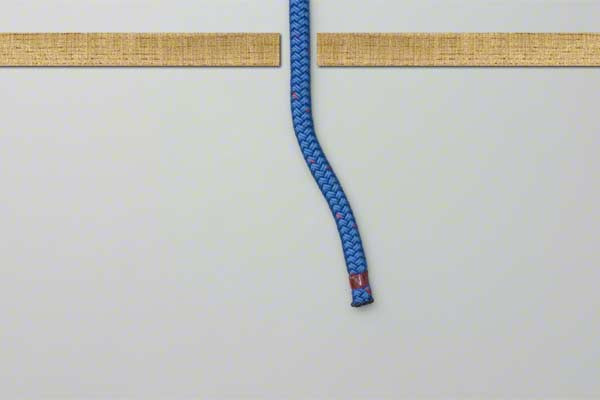
Follow these steps precisely to ensure a secure and functional knot. Consistency in these outdoor rope techniques is the key to safety.
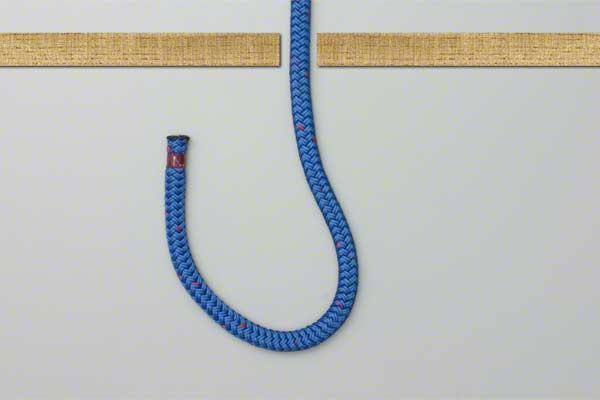
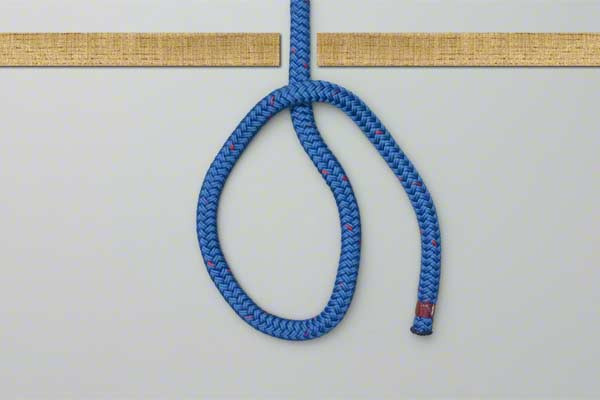
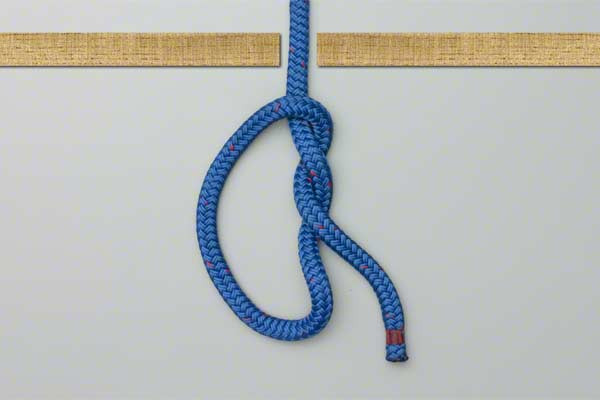
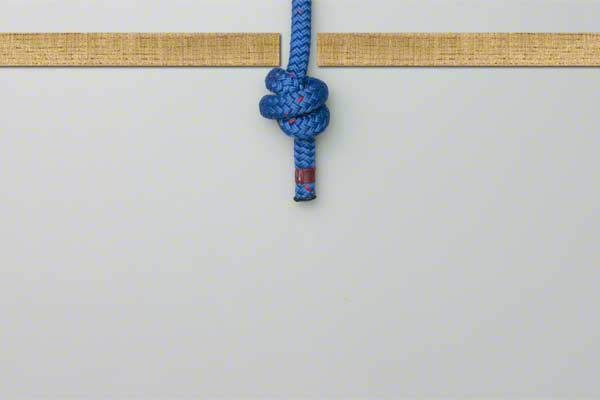
- Form a loop in the rope.
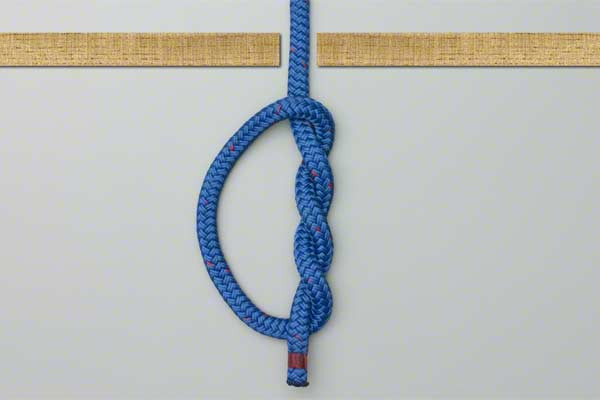
- Pass the end through it.
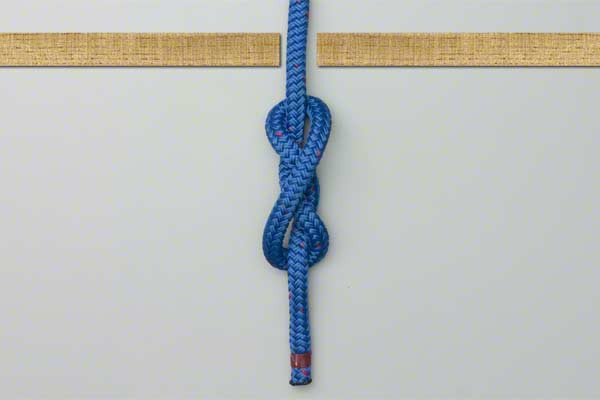
- Pass the end through the loop again.
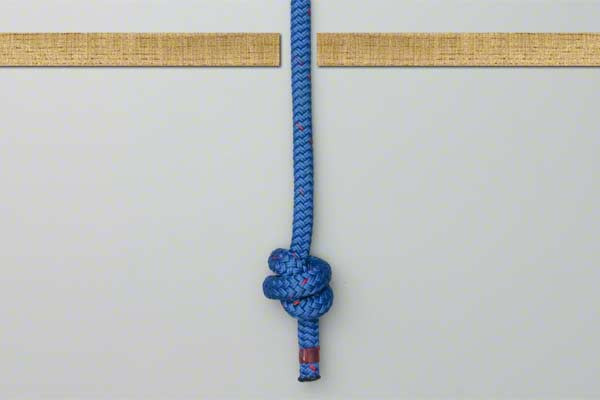
- Tighten the knot to make a secure stopper knot.
Pro Tip: After following these steps, ensure the two wraps sit neatly side-by-side without crossing over each other in a messy fashion. This is known as "dressing" the knot.
Common Mistakes to Avoid
Even a knot as simple as the Double Overhand Stopper can fail if executed poorly. Here are the most common errors specialists look for:
1. Insufficient Tail Length
One of the most dangerous mistakes in climbing and rescue is leaving a "tail" that is too short. After tightening the knot, there should be at least 3 to 4 inches (7-10 cm) of rope remaining beyond the knot. This accounts for potential "creep" or slippage when the knot is first loaded.
2. Crossing the Wraps (Poor Dressing)
If the two wraps inside the knot cross over each other haphazardly, the knot becomes harder to inspect and may not tighten uniformly. Always ensure the wraps are parallel before final tightening. A well-dressed knot is a safe knot.
3. Failure to Pre-Tighten
A stopper knot only works if it is solid. If you leave it loose, it may shift position or, in extreme cases, capsize (turn inside out) under sudden impact. Use your body weight or a firm tug to "set" the knot.
4. Using the Wrong Rope Diameter
If the hole or device you are trying to block is too large, even a Double Overhand Stopper might pull through. In such cases, a Triple Overhand or a Figure-Eight Stopper might be required.
Related Knots and Splicing
Understanding how the Double Overhand Stopper relates to other rope knots will enhance your overall technical proficiency.
- Single Overhand Knot: The simplest stopper knot; however, it is prone to jamming and is much smaller than the double version.
- Figure-Eight Stopper Knot: A very popular alternative in sailing and climbing. It is larger than the double overhand and much easier to untie after being loaded.
- Double Fisherman’s Knot: This is essentially two Double Overhand Stopper knots tied around the standing part of the opposite rope. It is the gold standard for joining two ropes of similar diameter.
- Triple Overhand Stopper: Adding one more wrap than the double version creates even more bulk and friction, often used in heavy-duty industrial applications.
- Ashley Stopper Knot: A specialized, three-leafed stopper knot that provides a very flat and wide base, preventing it from pulling through even larger openings.
Final Words
The Double Overhand Stopper is a quintessential skill in the toolkit of any outdoor enthusiast. Its beauty lies in its simplicity and its uncompromising reliability. Whether you are 500 feet up a rock face or simply securing a backyard swing, knowing how to properly form a loop and pass the end through twice ensures that your rope stays exactly where it belongs.
By practicing this knot until it becomes muscle memory, you contribute to a culture of safety and precision in outdoor rope techniques. Remember to always inspect your knots before use, dress them neatly, and leave an adequate tail. Safety in the outdoors is built one knot at a time.
Summary of Key Points:
- Security: High friction and high bulk compared to a single overhand.
- Versatility: Used in climbing, sailing, and rescue.
- Safety: Always leave a 3-4 inch tail.
- Foundation: The basis for the Double Fisherman’s Knot.
