
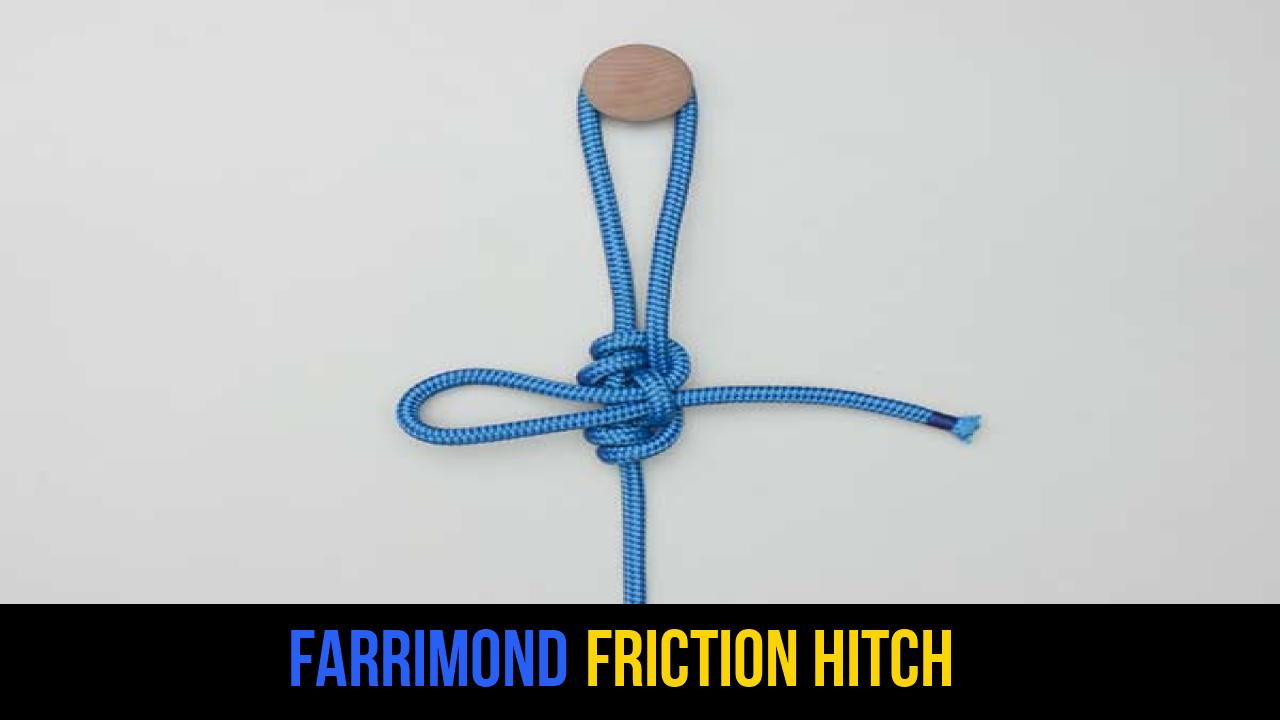
In the world of bushcraft, camping, and survival, the ability to manage tension in a rope system is an invaluable skill. Whether you are pitching a tarp in a rainstorm or securing a gear cache, you need a knot that is both adjustable and reliable. Enter the Farrimond Friction Hitch. This hitch has gained massive popularity in the outdoor community because it combines the best features of a friction hitch with the convenience of a quick-release mechanism.
Unlike many traditional rope knots that require the end of the rope to be threaded through a loop, the Farrimond Friction Hitch can be tied "in the bight" or at the end of a line, making it exceptionally versatile for various outdoor rope techniques. It is essentially a slide-and-grip knot that allows the user to adjust the length of a line under tension and then lock it into place.
Named after its popularizer, Barry Farrimond, this hitch has become a staple for those who prefer efficiency and ease of use in the field. Throughout this guide, we will explore the mechanics, applications, and the exact method for securing this essential knot.
Alternative Names: Farrimond Hitch, Removable Friction Hitch, Quick-Release Taut-Line Hitch.
What Is a Farrimond Friction Hitch?
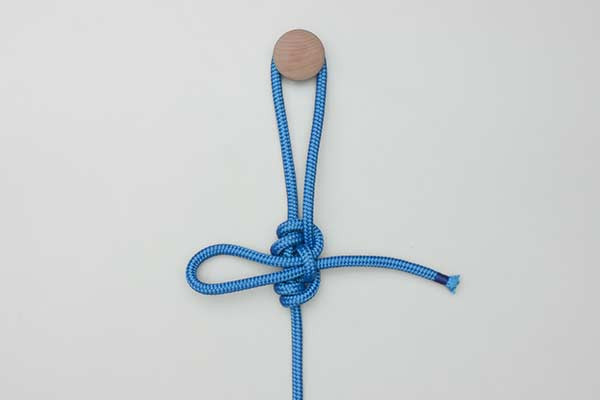
The Farrimond Friction Hitch is a friction or "slide-and-grip" hitch used to create an adjustable loop on a rope. In technical terms, it is a variation of a hitch that functions similarly to the Prusik or the Taut-Line Hitch but features a distinct advantage: it is finished with a "slipped" loop (a bight), allowing it to be untied instantly even when the rope is wet or frozen.
Practical Uses in the Great Outdoors
- Tarp Ridgelines: This is perhaps the most common use. It allows you to center your tarp and tension it perfectly between two trees.
- Guy Lines: When securing a tent, the Farrimond Friction Hitch allows you to tighten the cordage as it stretches or as the wind shifts.
- Temporary Clotheslines: Easily adjust the height and tension of a line for drying gear.
- Securing Loads: Use it to tie down gear in a canoe or on a pack where you might need to adjust the tension frequently.
- Bushcraft Furniture: Essential for lashing and tensioning structures made from natural materials.
The primary benefit of the Farrimond Friction Hitch knot is its ability to hold firm under a load while remaining incredibly easy to adjust or collapse. When tension is applied to the standing part of the rope, the wraps of the hitch bite down on the line, preventing slippage. When the tension is released, the hitch can be slid along the rope to a new position.
Materials and Tools Needed
To successfully tie and utilize the Farrimond Friction Hitch, you need to understand the relationship between the rope’s texture and the friction required for the knot to work.
Recommended Rope Types
- Paracord (550 Cord): The most common choice for campers. Its nylon sheath provides enough friction for the hitch to bite well, though its elasticity may require occasional re-tensioning.
- Static Cordage: For more permanent setups, a 2mm to 4mm static accessory cord is ideal. It has less stretch than paracord, making the hitch even more effective.
- Bank Line: Tarred nylon bank line is a favorite in the bushcraft community. The tar coating provides an exceptional grip for friction hitches.
- Natural Fibers: While Manila or Sisal can be used, they are bulkier and may not slide as smoothly as synthetic options.
Considerations
- Diameter: The hitch works best when the rope used for the wraps is of a similar or slightly smaller diameter than the standing line it is gripping.
- Surface Texture: Extremely "slick" ropes (like some high-end Dyneema or Spectra lines without a polyester sheath) may require an extra wrap to ensure the hitch doesn’t slip under heavy loads.
- Condition: Ensure your rope is free of frays or structural damage, as friction hitches generate heat and mechanical stress on the fibers.
How to Tie Farrimond Friction Hitch?
Tying this hitch is a straightforward process, but precision is key to ensuring it grips correctly. Follow these steps exactly as provided to ensure a secure and adjustable finish.
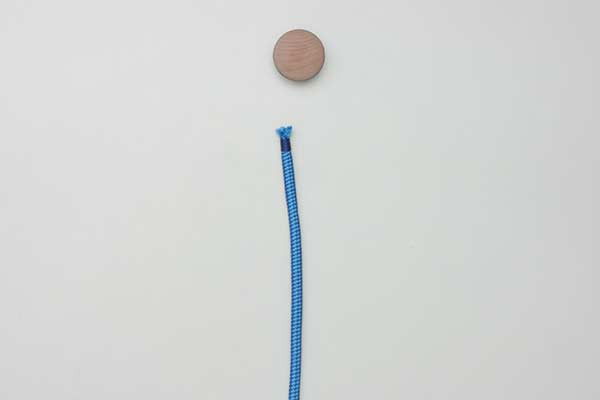
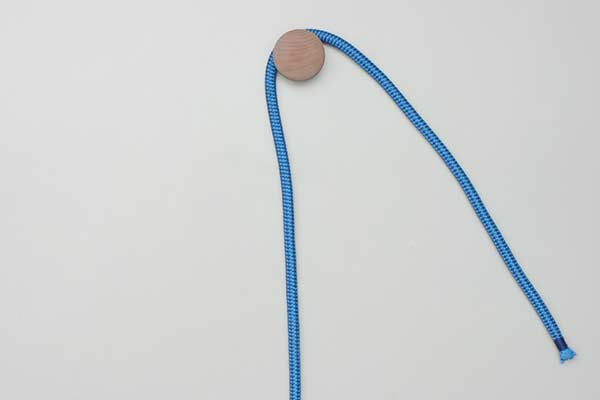
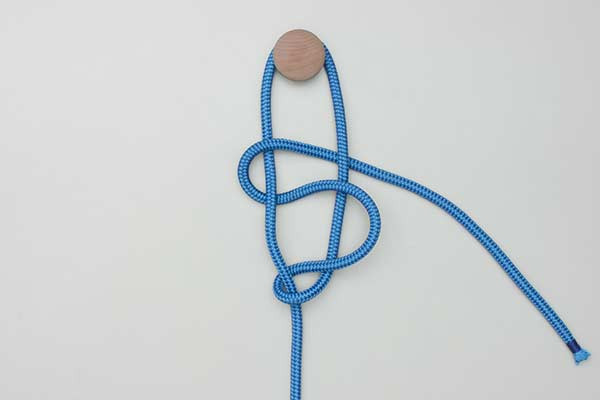
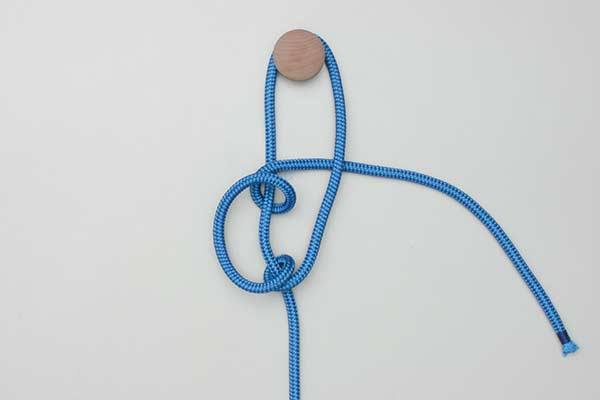
- Pass the end around the tree or branch.
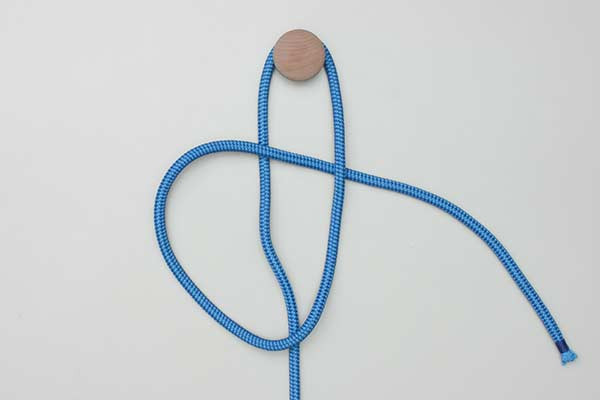
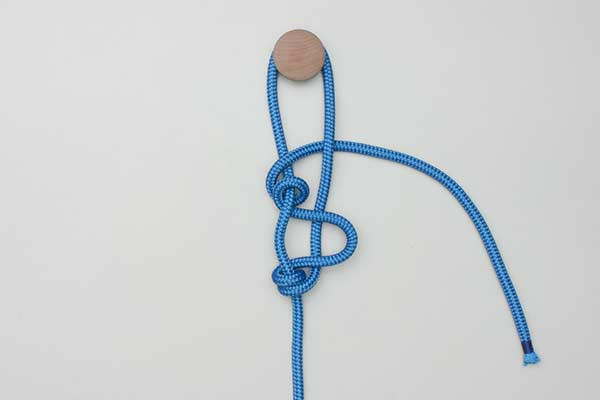
- Wrap a loop twice around the standing end.
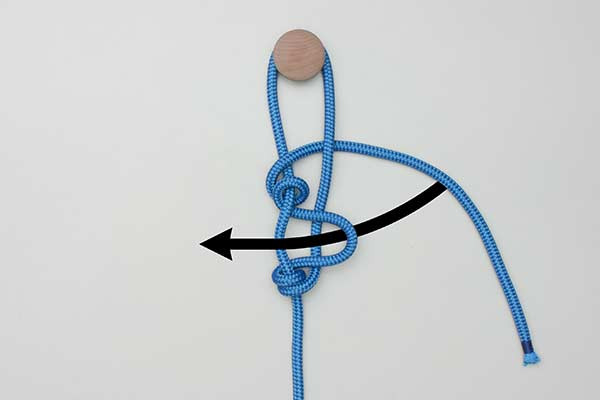
- Tuck a bight of the end through the loop and tighten.
By following these instructions, you create a series of friction-generating wraps that are locked into place by the final bight. The "bight" acts as a quick-release trigger; when you are ready to pack up camp, a simple tug on the free end will collapse the entire hitch instantly.
Common Mistakes to Avoid
Even seasoned outdoorsmen can make mistakes when applying outdoor rope techniques. Here are the most common errors to watch for with the Farrimond Friction Hitch:
1. Insufficient Tensioning During the Build
If the initial "wrap twice" step is too loose, the hitch will not gain the necessary "bite" on the standing end. Always ensure the wraps are neat and snug against the rope before applying a heavy load.
2. Using the Wrong Side of the Loop
Ensure you are wrapping around the standing end (the part of the rope going back to your anchor or tarp). If you wrap around the wrong part of the line, the knot will simply slide without gripping.
3. Overloading the Hitch
While the Farrimond Friction Hitch is excellent for camping, it is not a life-safety knot. Never use this hitch for climbing, rappelling, or overhead lifting of heavy loads where failure could result in injury.
4. Ignoring Rope Glazing
Under extreme tension, sliding a friction hitch quickly can generate heat. This can "glaze" or melt the synthetic fibers of your rope. Always adjust the tension slowly and check your cordage regularly for signs of wear.
Related Knots and Splicing
Understanding the Farrimond Friction Hitch is a great step, but it is part of a larger family of rope knots. Here are a few related techniques you should know:
- Taut-Line Hitch: A classic friction hitch used for guy lines; it is secure but harder to untie than the Farrimond when under tension.
- Prusik Knot: A friction hitch used to attach a loop of cord around a rope; it is bi-directional and widely used in climbing and rescue.
- Blake’s Hitch: A specialized friction hitch commonly used by arborists for ascending and descending ropes safely.
- Midshipman’s Hitch: An improved version of the Taut-Line hitch that includes an extra "awaking" turn to prevent slipping on synthetic ropes.
- Evenk Hitch (Siberian Hitch): A quick-release anchor knot often used at the opposite end of a ridgeline from the Farrimond hitch.
Final Words
The Farrimond Friction Hitch is a masterclass in functional knot-tying. It solves the age-old problem of needing a line that is both incredibly tight and incredibly easy to take down. By mastering this hitch, you improve your efficiency in the field, ensuring that your shelter remains stable and your gear stays secure regardless of the conditions.
Remember that practice is the key to mastery. Take a length of paracord and a sturdy branch, and practice the steps: Pass the end around the tree or branch. Wrap a loop twice around the standing end. Tuck a bight of the end through the loop and tighten. Once this becomes muscle memory, you will find yourself reaching for this knot in almost every outdoor scenario.
Whether you are a weekend camper or a professional survival instructor, the Farrimond Friction Hitch is a vital addition to your toolkit of outdoor rope techniques. Stay safe, keep your lines taut, and enjoy the confidence that comes with knowing the right knot for the job.
