
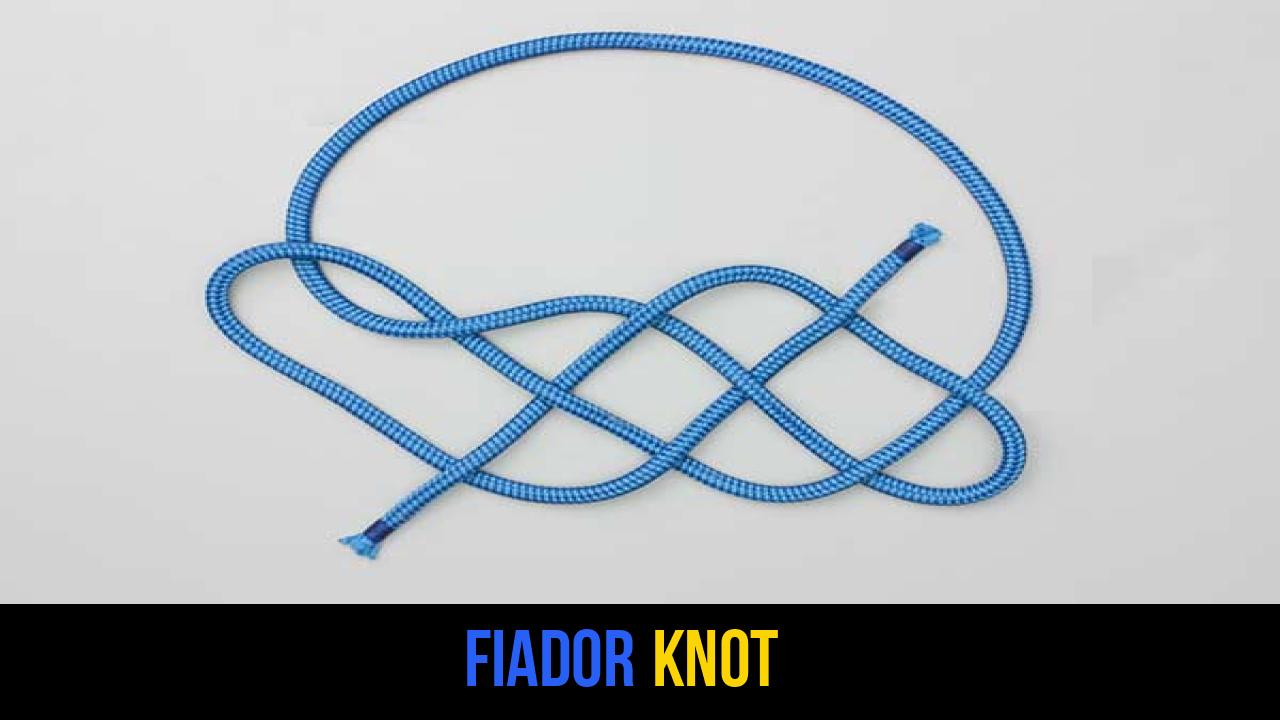
In the world of rope knots and technical cordage, few entries are as aesthetically striking or functionally specific as the Fiador Knot. Often regarded as a "knot of knots," this complex structure is a staple for those involved in traditional horsemanship, high-end outdoor gear crafting, and decorative maritime work. While it may appear daunting to the uninitiated, mastering the Fiador Knot is a rite of passage for any serious practitioner of outdoor rope techniques.
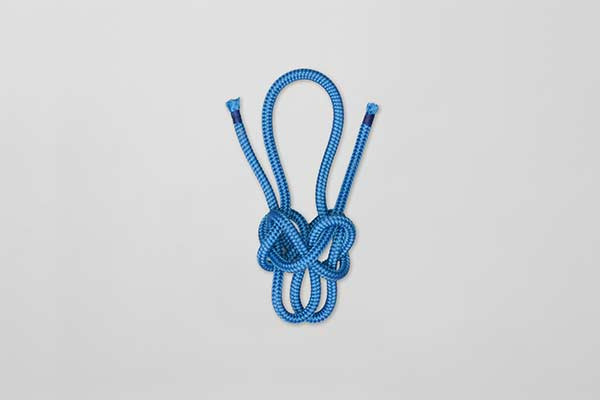
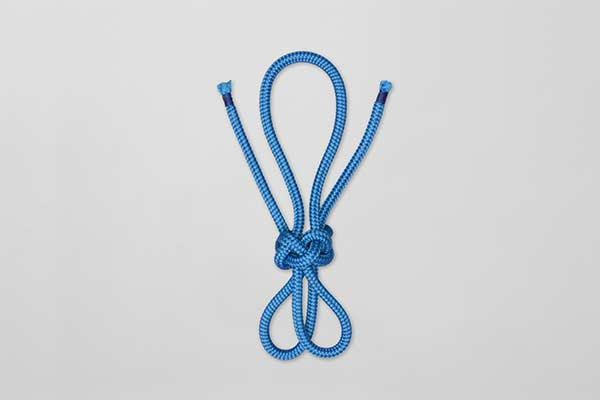
The Fiador Knot is essentially a four-strand diamond knot tied on the bight. It produces a symmetrical, bulbous decorative center with two loops emerging from one side and two lead lines from the other. Its primary legacy lies in the Spanish-Californian vaquero tradition, where it serves as the crucial connection point for a hackamore’s throatlash. However, its utility has expanded far beyond the corral, finding a home in the kits of survivalists, hikers, and tactical gear enthusiasts who value its security and ornate finish.
Also known as: Theodore Knot, Spanish Hackamore Knot, Four-Strand Diamond Loop.
What Is a Fiador Knot?
The Fiador Knot is a specialized loop knot characterized by its symmetrical, diamond-like appearance. Unlike simpler loops like the Bowline or the Figure-Eight, the Fiador Knot is designed to provide a centralized decorative "button" that holds multiple strands in perfect tension.
Practical Uses in Modern Contexts
While its origins are steeped in equine history—specifically used to create the fiador (a safety rope that keeps a bosal in place)—modern enthusiasts have found several other applications for this knot:
- Equine Tack: It remains the gold standard for tying rope hackamores and bosal sets.
- Lanyards and Fobs: Due to its decorative nature, it is frequently used in paracord projects for knife lanyards or flashlight fobs.
- Decorative Rigging: In maritime or architectural rope work, it serves as a beautiful stopper or junction knot.
- Outdoor Gear Customization: Hikers use it to create secure, non-slip loops for gear attachment points on backpacks.
Materials and Tools Needed
To successfully tie a Fiador Knot, the choice of material is paramount. Because this knot requires significant "dressing" (the process of tightening and straightening the strands), the texture of your rope will dictate the difficulty of the task.
Recommended Rope Types
- Paracord (550 Cord): Excellent for practice and for creating lanyards. Its elasticity makes it forgiving, though it can be difficult to keep the diamond shape perfectly symmetrical.
- Cotton or Yacht Braid: These are traditional choices for equine use. They offer a good grip and hold the "set" of the knot well.
- Static Climbing Cord: For those using the knot in rugged outdoor scenarios, a 3mm to 5mm static cord provides the necessary rigidity.
Essential Tools
- Marlinspike or Fid: This is highly recommended. As you tighten the Fiador Knot, the strands can become compressed; a fid helps you trace the path of the rope and adjust tension without fraying the fibers.
- Heat Source: If using synthetic rope, you will need a lighter to sear the ends to prevent unravelling.
- Measuring Tape: Since this knot consumes a significant amount of rope (the "knot eat"), starting with an adequate length is vital.
How to Tie Fiador Knot?
Tying the Fiador Knot requires patience and a steady hand. Follow these instructions precisely to ensure the structural integrity of the knot.
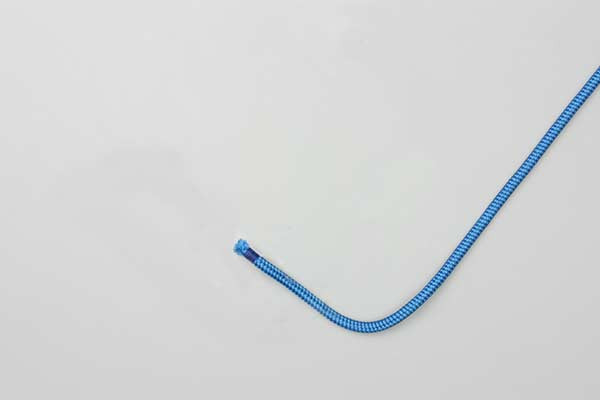
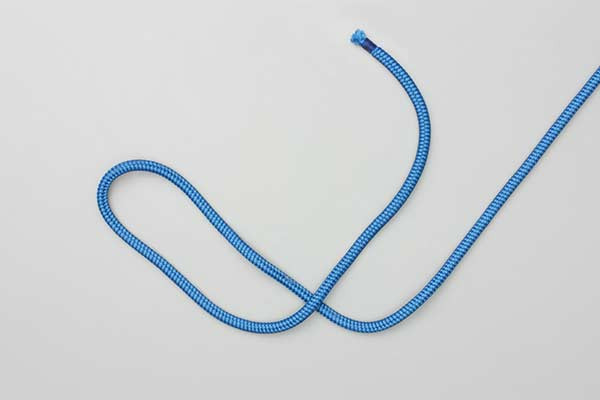
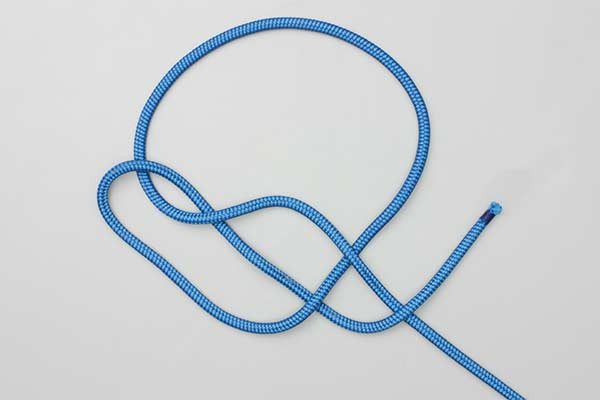
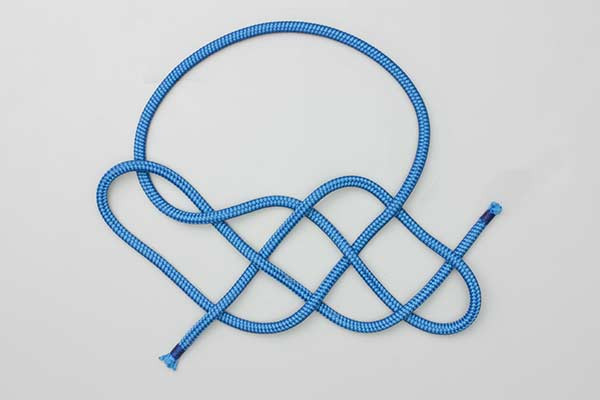
- Create an L-shaped loop in one end.
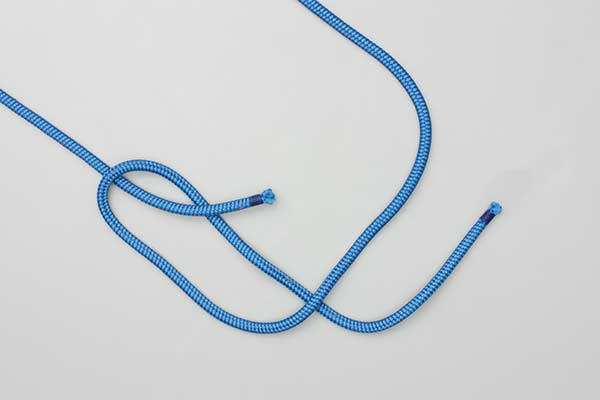
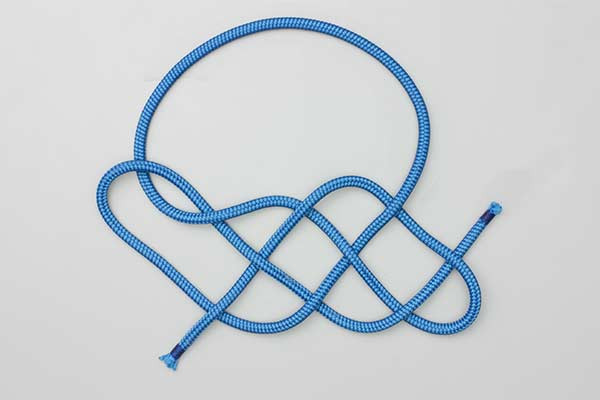
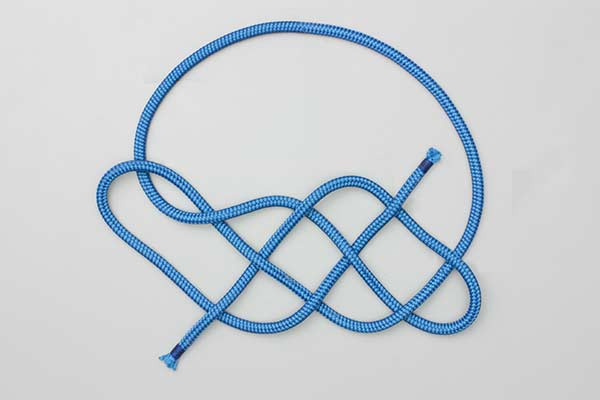
- Pass the other end through this loop to create a second interlocking L-shaped loop.
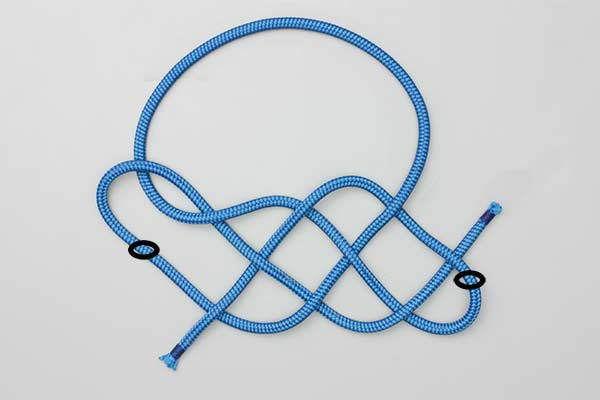
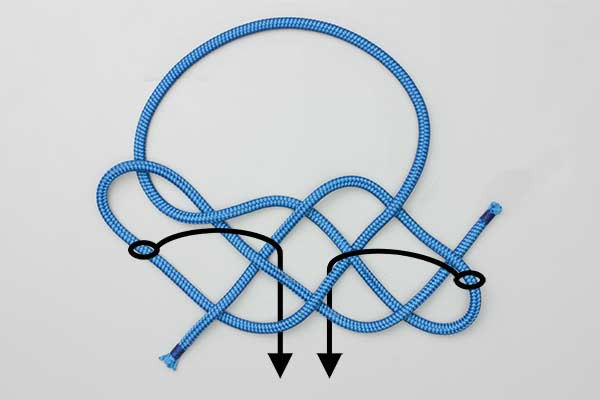
- Hold the outer sides of these two loops and pass them down through the diamond shaped hole in the middle.
- Pull the two loops away from the ends and the large loop and tighten carefully.
Common Mistakes to Avoid
The Fiador Knot is notorious for being "lost" during the tightening process. Even experienced practitioners can find themselves with a tangled mess if they aren’t careful.
1. Losing the "Diamond"
The "diamond shaped hole" mentioned in the instructions is the heart of the knot. If you lose track of this center point while passing the loops through, the knot will collapse into a disorganized bunch of rope. Always keep a finger or a fid in the center hole until the loops are successfully passed through.
2. Uneven Tensioning
This is the most common error in outdoor rope techniques involving decorative knots. If you pull one lead harder than the others, the knot will become lopsided. You must tighten the Fiador Knot incrementally—pulling a little on the loops, then a little on the ends, then repeating the cycle.
3. Using "Slippery" Rope
Using high-density polyethylene (like Dyneema) can be extremely difficult for a Fiador Knot because the strands slide against each other too easily. For beginners, a standard nylon paracord or a cotton rope is much more manageable.
4. Safety Considerations
While the Fiador Knot is secure, it is primarily a decorative and light-duty attachment knot. It should never be used in life-critical applications such as rock climbing or arboriculture as a primary load-bearing loop.
Related Knots and Splicing
Understanding the Fiador Knot often leads to an interest in similar structures. Here are a few related knots that share its DNA:
- The Diamond Knot (Stopper): A simpler version of the Fiador used as a stopper at the end of a rope, often seen on knife lanyards.
- The Turk’s Head: A decorative knot that creates a "sleeve" around another object, sharing the intricate over-under weaving pattern.
- The Chinese Button Knot: A very similar looking knot used in clothing and decorative crafts, though it typically involves only one strand.
- The Matthew Walker Knot: One of the most difficult stopper knots to tie, used to prevent the strands of a rope from unlaying while providing a decorative bulb.
Final Words
The Fiador Knot is more than just a functional tool; it is a piece of craftsmanship. Whether you are a horseman looking to repair a traditional hackamore, or an outdoor enthusiast wanting to elevate your rope knots skills, this knot offers a unique blend of complexity and beauty.
Mastering the Fiador Knot requires a transition from simply "following steps" to truly "understanding the rope." Once you can visualize the interlocking L-shaped loops and the central diamond, you will be able to tie it in any conditions. Practice with different materials, focus on the symmetry of your tensioning, and you will soon possess one of the most respected skills in the world of outdoor rope techniques.
Remember, the key to a perfect Fiador Knot is in the "dressing"—take your time, work the slack out slowly, and the result will be a secure, professional-grade knot that stands the test of time.
