
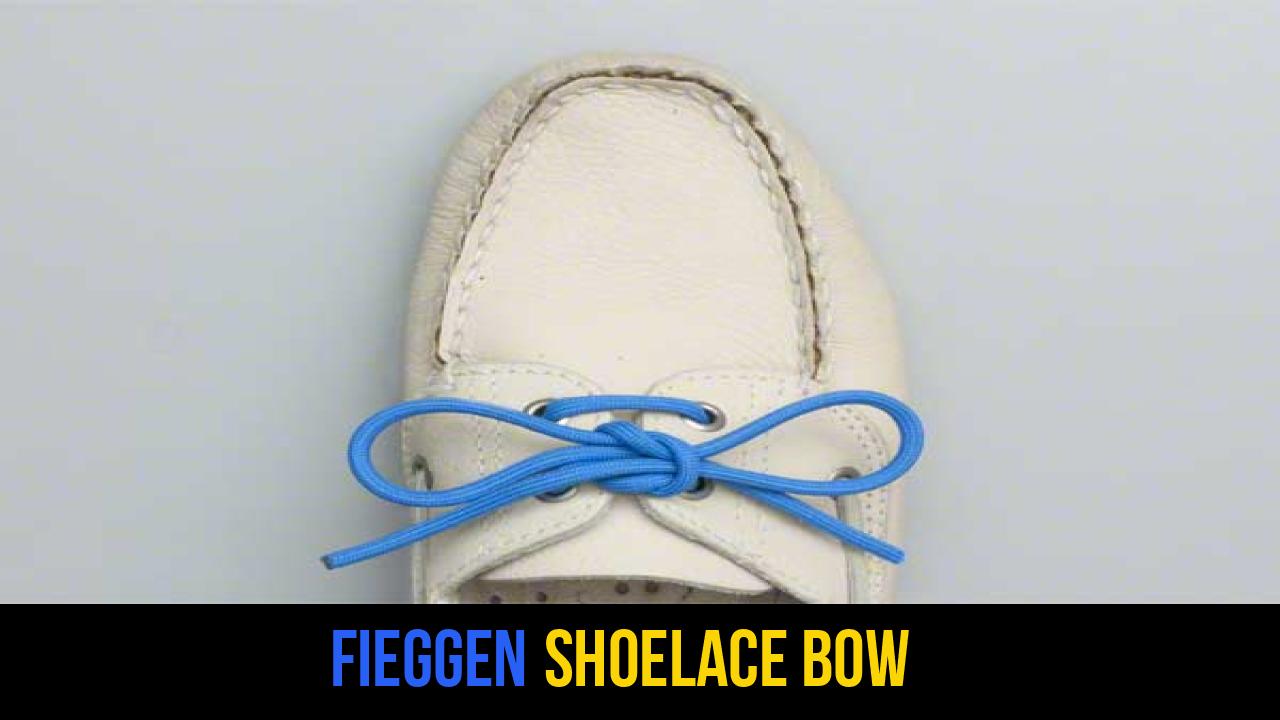
In the world of outdoor rope techniques, efficiency is often the difference between a seamless adventure and a frustrating delay. Whether you are prepping for a high-altitude trek or simply gearing up for a morning trail run, the way you secure your footwear matters. Enter the Fieggen Shoelace Bow. Developed by Ian Fieggen (often referred to as the "Professor of Shoelaces"), this knot has revolutionized the way outdoor enthusiasts and athletes approach their gear.
While most people learn the standard "around the tree" or "bunny ears" method in childhood, the Fieggen Shoelace Bow—commonly known as the Ian Knot—offers a symmetrical, lightning-fast alternative that reduces wear on your laces and provides a more balanced tension across the bridge of the foot. In this comprehensive guide, we will explore the mechanics of this knot, why it is a staple in technical outdoor circles, and how you can master it in seconds.
Alternative Names: The Ian Knot, The World’s Fastest Shoelace Knot, The Symmetrical Shoelace Bow, The Two-Loop Snap Knot.
What Is a Fieggen Shoelace Bow?
The Fieggen Shoelace Bow is a high-speed method of tying a standard shoelace bow. Unlike traditional methods that involve several sequential steps of wrapping and pulling, the Fieggen method uses a simultaneous "grabbing" motion. By forming two loops at once and pulling them through each other, the knot is completed in a fraction of the time.
Practical Uses in the Outdoors
For hikers, climbers, and trail runners, the Fieggen Shoelace Bow is more than just a "party trick." Its primary advantages include:
- Speed: In cold weather, you want to spend as little time as possible with your gloves off. This knot allows for rapid adjustments.
- Symmetry: Because both loops are formed and pulled simultaneously, the resulting bow is perfectly balanced. This prevents the "crooked" knot (a granny knot variation) that often comes undone during vigorous activity.
- Reduced Friction: The motion involves less dragging of the lace against itself compared to the "wrap-around" method, which can extend the lifespan of technical paracord or synthetic laces.
- Security: When executed correctly, it forms a secure square knot base, which is a fundamental principle in rope knots used for securing loads.
Materials and Tools Needed
To practice and master the Fieggen Shoelace Bow, you don’t need specialized equipment, but the type of "rope" or lace you use can impact the ease of learning.
- Footwear: Any shoe with laces will work, but high-top hiking boots or athletic trainers provide the best tension for practice.
- Lace Types:
- Round Synthetic Laces: Common in hiking boots; these can be slippery, making the quick "snap" of the Fieggen bow very effective.
- Flat Cotton Laces: These provide more friction and are the easiest for beginners to practice on because they stay in place during the loop-forming stage.
- Paracord: Often used in survival situations or as replacement laces; mastering outdoor rope techniques with paracord requires a firm grip.
- Tension: Ensure the laces are properly threaded through the eyelets of your boots before beginning, as the knot requires a solid base to hold its shape during the "pull" phase.
How to Tie Fieggen Shoelace Bow?
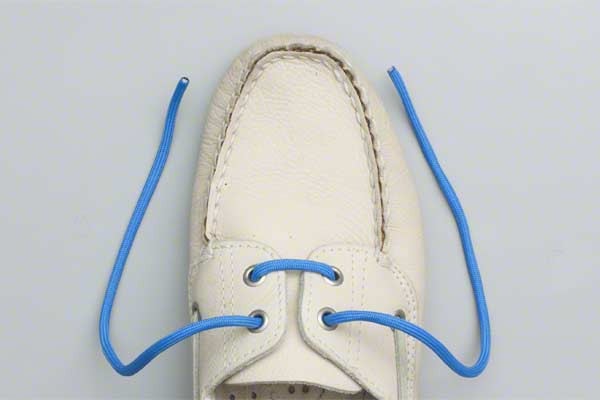
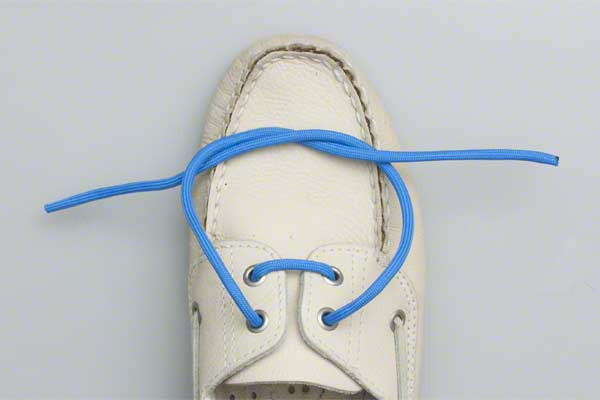
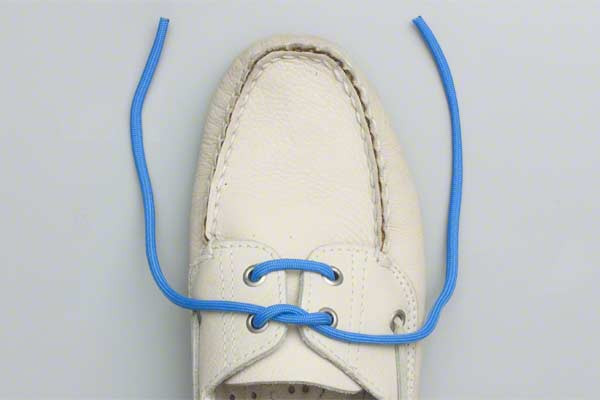
Mastering the Fieggen Shoelace Bow requires a bit of finger dexterity, but once the muscle memory is established, it becomes second nature. Follow these steps exactly as outlined for the best results:
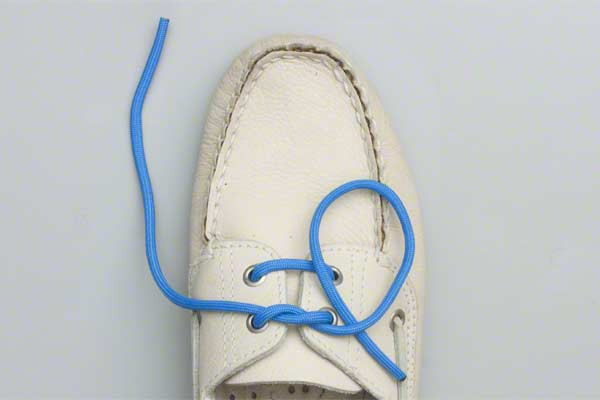
- Tie a half knot, and tighten.
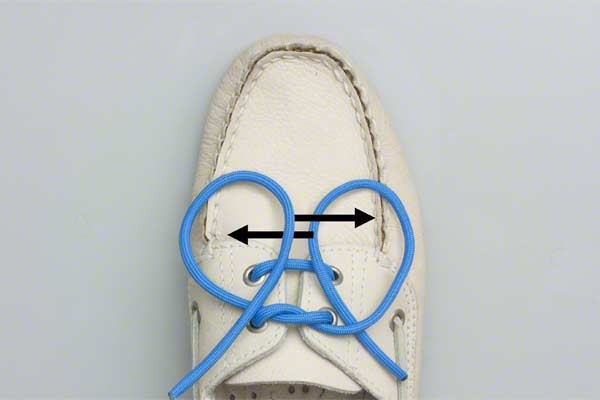
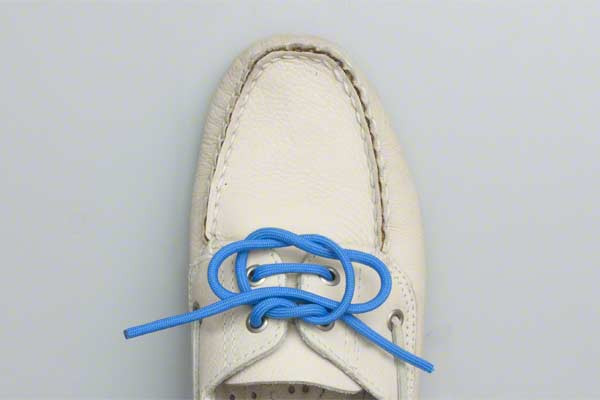
- Form a loop with each end with one end in front and one behind.
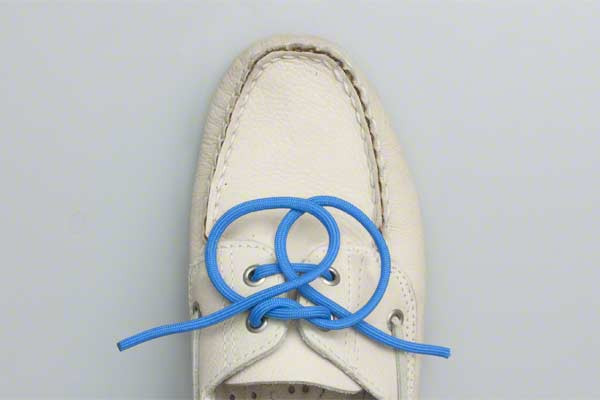
- Pass each loop across and into the other loop.
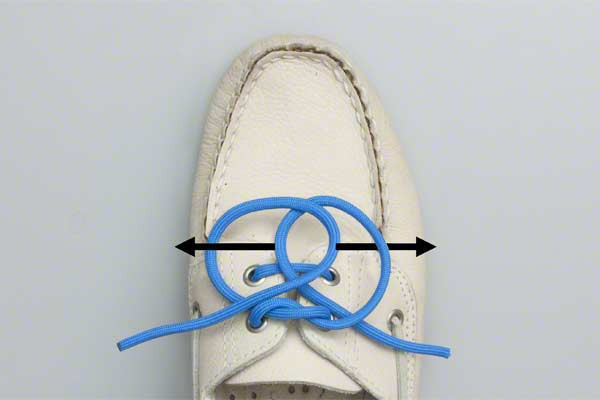
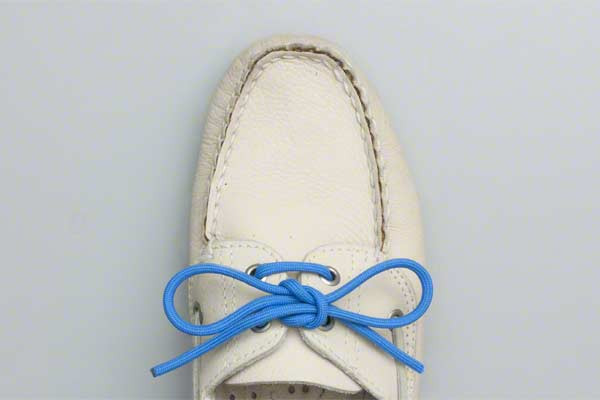
- Pull tight to form the bow.
- Adjust the ends and loops for a neat appearance.

Common Mistakes to Avoid
Even seasoned experts in rope knots can stumble when first learning the Fieggen Shoelace Bow. Here are the most common pitfalls:
1. Inconsistent Finger Placement
The "one end in front and one behind" step is the most critical part of the process. If you hold both loops in the same orientation, the loops will not "catch" each other, and the knot will simply fall apart. Ensure your left hand and right hand are creating mirrored versions of the loops.
2. Loose Initial Half-Knot
If the initial half knot is not tightened properly, the entire bow will lack the necessary tension to stay secure. In outdoor rope techniques, a knot is only as strong as its foundation. Always ensure the base is snug against the shoe tongue.
3. Pulling the Wrong Ends
When you pass each loop across and into the other loop, you must grab the opposite loop’s "wing." If you accidentally grab the loose ends (the aglets), you will pull the lace all the way through, resulting in a tangled mess rather than a bow.
4. Ignoring Safety in Technical Terrain
While the Fieggen Shoelace Bow is secure, for extreme mountaineering or technical climbing, always double-check that your loops aren’t excessively long. Long loops can snag on underbrush, rocks, or crampons, leading to trips and falls.
Related Knots and Splicing
Understanding the Fieggen Shoelace Bow is a gateway into the broader world of rope knots. Here are a few related techniques that every outdoor enthusiast should know:
- The Square Knot (Reef Knot): The structural foundation of a good shoelace bow. It is used to join two ropes of equal thickness and is essential for basic first aid and securing non-critical loads.
- Ian’s Secure Knot: A variation of the Fieggen bow that involves an extra pass-through. It is virtually un-tiable by accident, making it perfect for marathon runners or those using very slippery synthetic laces.
- The Surgeon’s Knot: This knot adds an extra twist to the initial half-knot. It provides increased friction to keep the laces from loosening while you are still in the process of tying the final bow.
- The Taut-Line Hitch: While not a shoelace knot, this is a vital outdoor rope technique used for tensioning lines (like tent guy-lines). It shares the principle of adjustable tension found in footwear lacing.
- Double Overhand Knot: Often used at the ends of laces to prevent them from slipping through the eyelets of the shoe, providing a permanent "stop" to the lacing system.
Final Words
The Fieggen Shoelace Bow is a masterclass in functional efficiency. By moving away from traditional, slower methods and adopting this symmetrical technique, you improve both your speed and the reliability of your gear. In the context of outdoor rope techniques, small optimizations like this contribute to better focus and performance on the trail.
Whether you are a professional guide looking to shave seconds off your morning routine or a beginner hiker wanting to ensure your boots stay tied through rugged terrain, the Fieggen Shoelace Bow is an invaluable tool in your kit. Practice the steps, avoid the common pitfalls of loop orientation, and you will soon find yourself tying the "world’s fastest knot" with ease. Remember: a secure knot is the first step toward a safe and successful outdoor adventure.
