
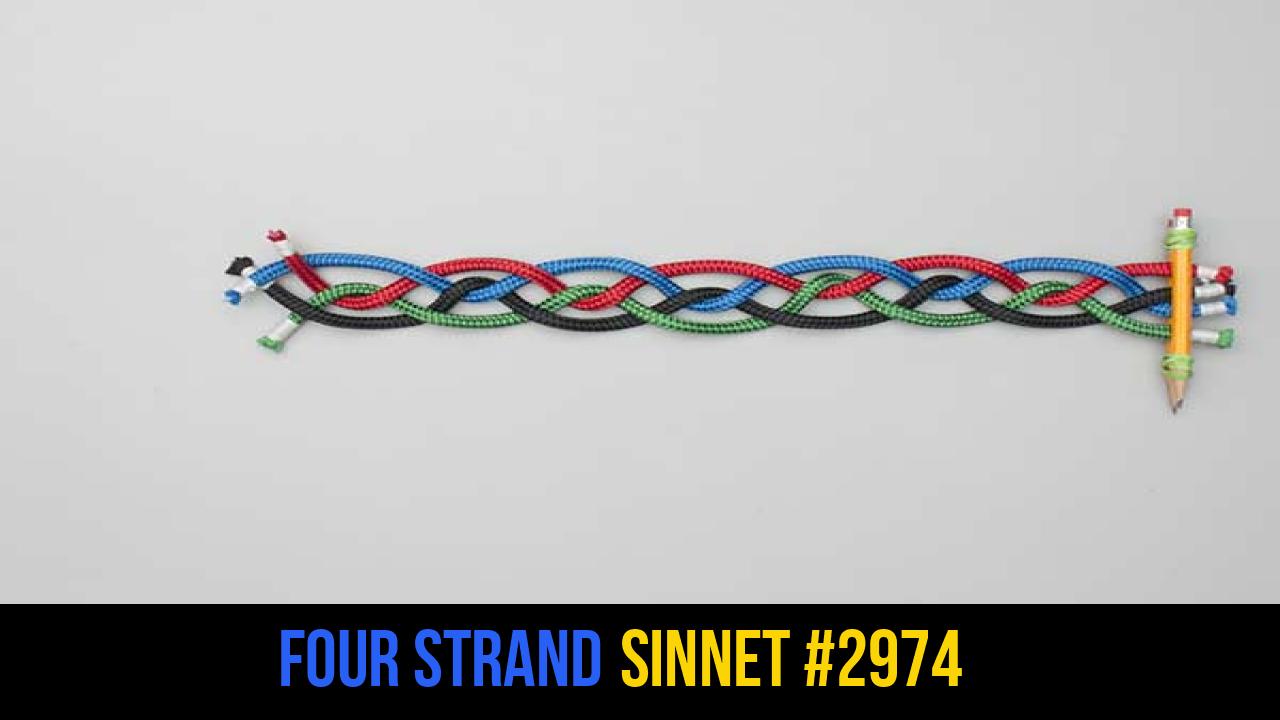
In the world of rope knots and cordage, the "sinnet" (often spelled sennit) represents a bridge between utility and artistry. Among the thousands of variations documented by maritime historians and knot enthusiasts, the Four Strand Sinnet #2974 stands out for its unique structural rhythm and aesthetic appeal. Whether you are a bushcraft enthusiast looking to create durable gear lanyards or a maritime hobbyist practicing traditional decorative marlingspike work, mastering this specific sinnet is a vital addition to your repertoire of outdoor rope techniques.
Sinnets are essentially braided cords, formed by plaiting three or more strands of rope or line together. While a basic three-strand braid is familiar to almost everyone, the four-strand variety—specifically the #2974 variation—offers a denser, more complex texture that resists unraveling and provides superior grip. This guide will delve deep into the mechanics, history, and practical applications of this specialized braid, ensuring you can replicate it with professional precision.
Alternative Names for Four Strand Sinnet #2974:
- Ashley’s #2974 Braid
- Square Sinnet Variation #2974
- Four-Strand Flat Sennit
- The Decorative Plait
What Is a Four Strand Sinnet #2974?
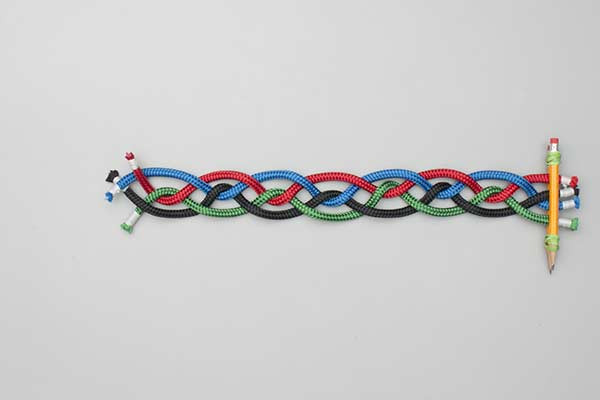
The Four Strand Sinnet #2974 is a decorative and functional braiding technique categorized in The Ashley Book of Knots, the definitive encyclopedia of cordage. Unlike simpler braids that follow a consistent "over-under" pattern throughout, the #2974 sequence involves a specific cadence of crosses that creates a distinct visual texture and a sturdy, semi-flat profile.
Practical Uses in the Modern World
While many rope knots are designed to secure a load or join two lines, a sinnet is designed to transform the lines themselves. The Four Strand Sinnet #2974 is particularly useful for:
- Lanyard Construction: Its density makes it perfect for knife lanyards, flashlight toggles, or keychains.
- Handle Wraps: When tied around a core, this sinnet provides an excellent ergonomic grip for walking sticks or tool handles.
- Marine Decor: Traditionally used on ships for decorative railing covers or "fancy work" on bell ropes.
- Outdoor Gear Repair: If a strap on a backpack or a tether on a tent bag breaks, the #2974 sinnet can be used to braid a replacement from paracord that is stronger than a single strand.
Materials and Tools Needed
Before you begin tying the Four Strand Sinnet #2974 knot, selecting the right material is crucial. The texture and "lay" of the rope will significantly impact the final look and feel of the braid.
Rope Types
- Paracord (550 Cord): The gold standard for modern outdoor rope techniques. It is elastic enough to allow for tight tension but firm enough to hold the sinnet’s shape.
- Hemp or Jute: For a traditional, rustic look. These natural fibers provide excellent friction, which helps the sinnet stay secure.
- Cotton Sash Cord: Best for practice. Its softness makes it easy on the hands during long braiding sessions.
- Nylon or Polypropylene: Useful for marine environments due to their resistance to rot and UV damage.
Essential Tools
- Clamping Device: A small vice, a clipboard, or even a heavy-duty binder clip is necessary to hold the "dead ends" while you work.
- Marlingspike or Fid: While not strictly required for the braid itself, a fid helps in tucking the ends back into the sinnet for a clean finish.
- Measuring Tape: Remember that braiding consumes significant length. As a rule of thumb, your starting strands should be roughly 3 to 4 times longer than your desired finished length.
- Lighter or Knife: For synthetic ropes, a lighter is needed to cauterize the ends to prevent fraying.
How to Tie Four Strand Sinnet #2974?
Tying the Four Strand Sinnet #2974 requires focus on the sequence of the "center pair" and the "outer pair." To achieve the correct structural integrity, follow these steps exactly as outlined in the technical documentation.
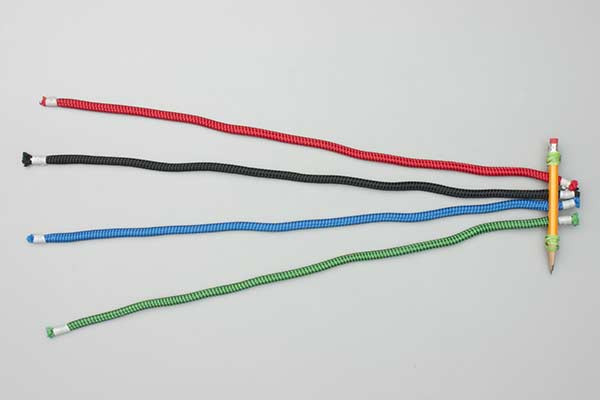
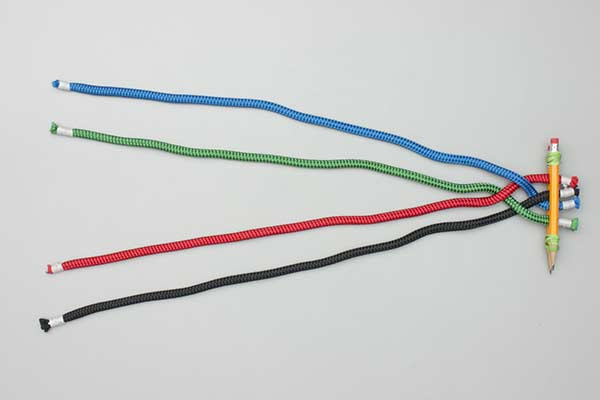
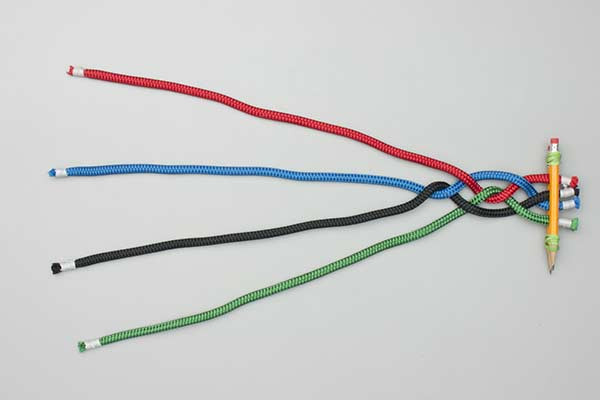
- Start with the ends clamped together. Ensure all four strands are of equal length and secured firmly to a stable surface to maintain consistent tension.
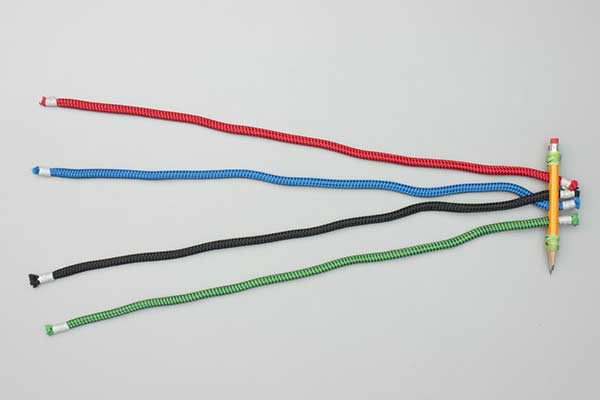
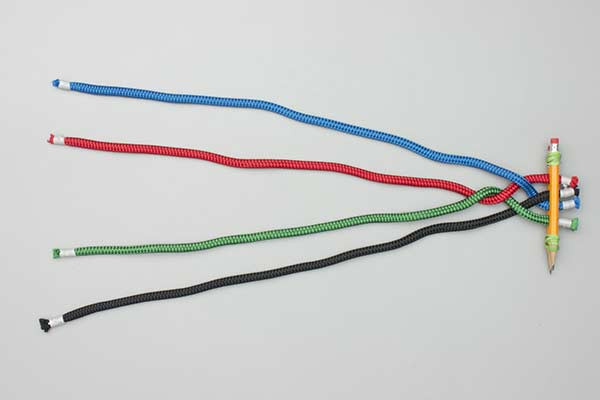
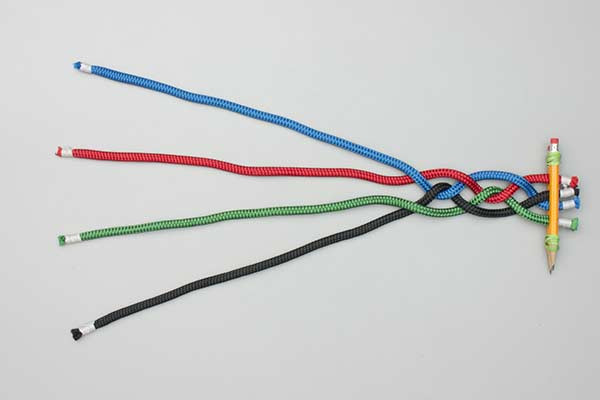
- Cross the center pair of lines and then the outer pair maintaining an under and over pattern. This establishes the base of the braid and sets the alternating rhythm.
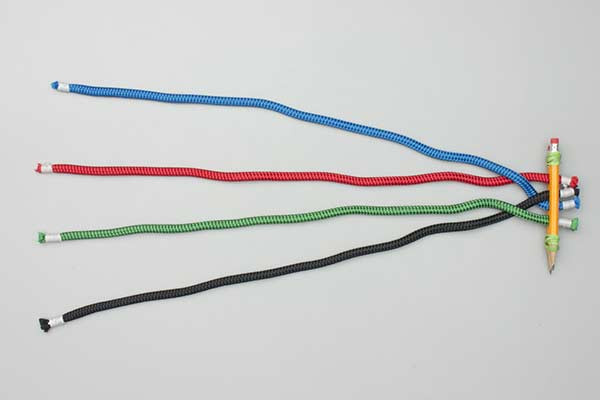
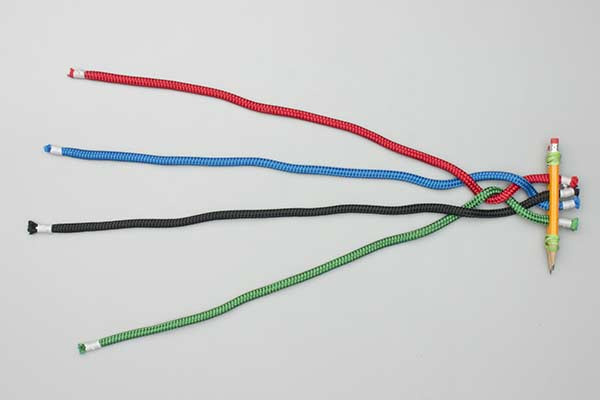
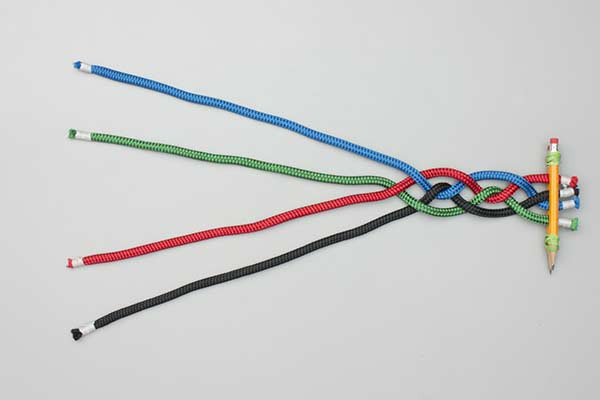
- Now cross the center pair twice and then the outer pair once. This specific 2:1 ratio is what defines the #2974 variation, creating a unique internal locking mechanism.
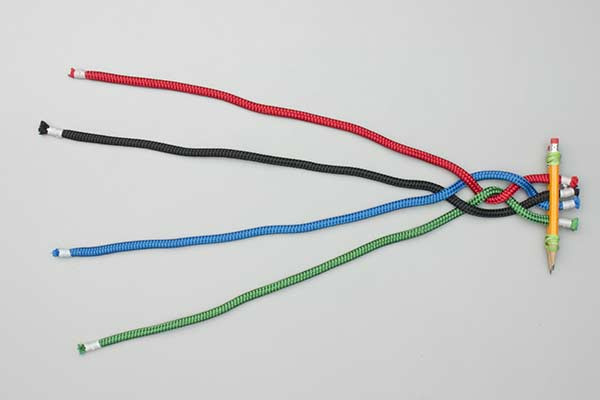
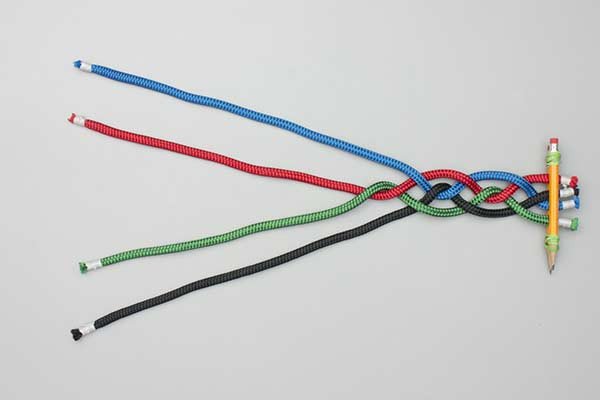
- Again cross center pair twice and then outer pair. Repeat the previous sequence, ensuring that each cross is pulled snug but not so tight that it distorts the rope.
- Continue to reach the desired length. Maintain the "two center, one outer" cadence until the sinnet is complete.
Common Mistakes to Avoid
Even experienced practitioners of outdoor rope techniques can run into trouble with the Four Strand Sinnet #2974. Here are the most common pitfalls:
1. Inconsistent Tension
If one strand is pulled tighter than the others, the sinnet will begin to "corkscrew" or twist. This ruins the flat profile of the #2974. Aim for a firm, rhythmic pull after every set of crosses.
2. Losing the Count
The #2974 is defined by the "cross center pair twice" instruction. It is easy to slip back into a standard 1:1 braid. If the pattern looks "off" or starts to look like a standard hair braid, you likely missed the second center cross.
3. Misidentifying the "Center Pair"
As you braid, the physical strands that occupy the "center" position change constantly. Always identify the two strands currently in the middle of the layout before performing the double cross.
4. Safety First
When working with high-tensile synthetic ropes like Dyneema or Kevlar, be wary of "rope burn" on your pinky fingers, which often bear the brunt of the tension. Wear gloves if you are braiding a long section of heavy-duty material.
Related Knots and Splicing
Understanding the Four Strand Sinnet #2974 is often a gateway to more complex decorative cordage. Here are a few related rope knots you might find useful:
- The Round Sinnet: A variation where strands are crossed in a circular fashion, creating a cylindrical cord instead of a flat one.
- The Square Sinnet (Crown Knot Braid): A classic four-strand technique that creates a solid square profile, often used for "fob" style keychains.
- The Diamond Knot (Lanyard Knot): Frequently used to terminate a Four Strand Sinnet, providing a decorative bulbous end that prevents the braid from unraveling.
- The Matthew Walker Knot: A more complex multi-strand terminal knot used to secure the ends of a sinnet permanently and decoratively.
Final Words
The Four Strand Sinnet #2974 is a testament to the fact that rope knots are as much about geometry and rhythm as they are about strength. By following the specific sequence of crossing the center pair twice and the outer pair once, you create a braid that is visually striking and physically robust.
Whether you are preparing for a survival situation, customizing your outdoor gear, or simply preserving the traditional arts of the sea, the #2974 sinnet is a rewarding skill to master. Practice with different materials to see how the texture changes, and soon you will be able to incorporate this expert-level braid into all your outdoor rope techniques.
Summary Table for Quick Reference:
| Feature | Specification |
|---|---|
| Knot Type | Sinnet / Braid |
| Strand Count | 4 |
| Complexity | Intermediate |
| Key Pattern | 2 Center Crosses / 1 Outer Cross |
| Best Material | 550 Paracord or Cotton Cord |
| Primary Use | Lanyards, Handles, Decorative Trim |
