
In the world of marlinespike seamanship and technical rope knots, few techniques offer the blend of aesthetic beauty and structural integrity found in the French Sinnet One. Historically, sinnets (also spelled sennits) were used by sailors to create flat, durable cordage from smaller lines. These were essential for everything from gaskets on sailing ships to decorative coverings for railings and handles.
Today, the French Sinnet One remains a staple for outdoor enthusiasts, survivalists, and craftspeople alike. Whether you are looking to create a custom strap for your hiking gear or a decorative lanyard for a bushcraft knife, understanding the mechanics of this flat braid is a foundational skill in outdoor rope techniques. The French Sinnet One is characterized by its flat profile and the rhythmic, alternating weave of its strands, providing a wide surface area that is both comfortable to hold and incredibly strong.
Alternative names for this technique include: Flat Sinnet, Common Sennit, Three-Strand Braid (Basic), and Woven Plait.
What Is a French Sinnet One?
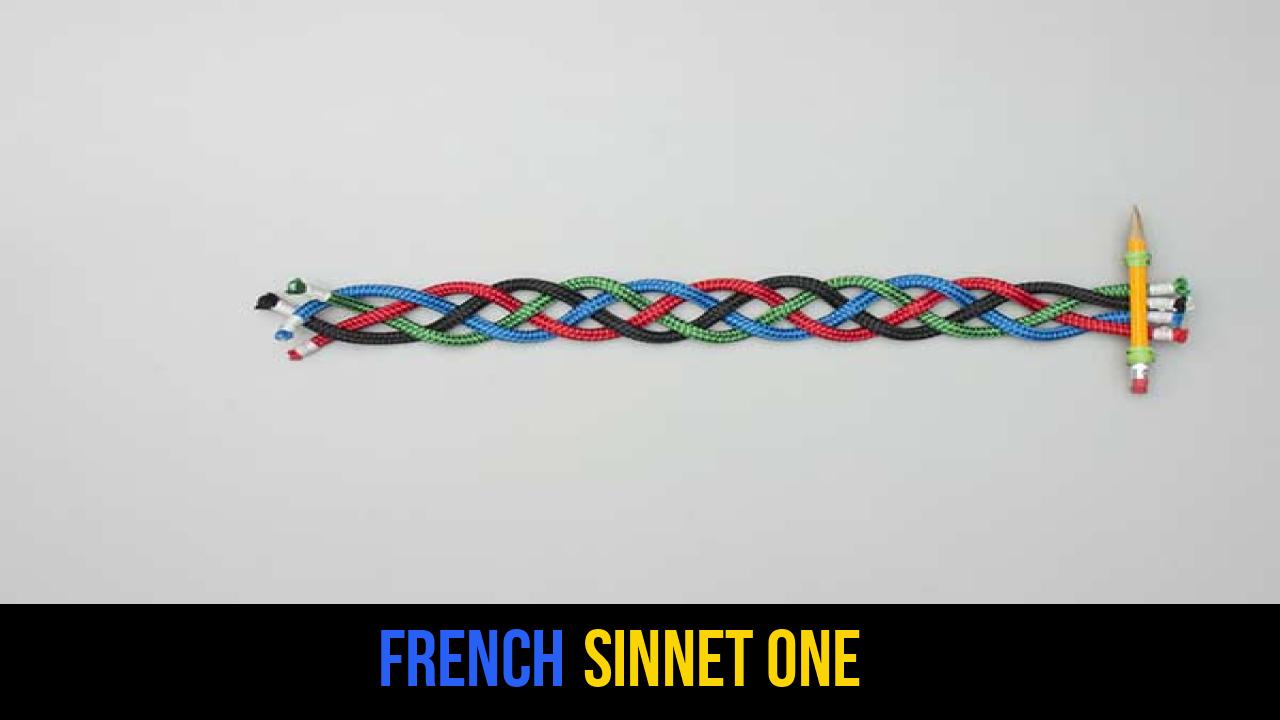
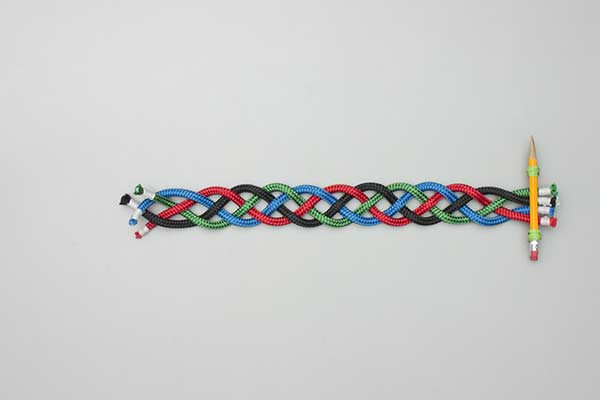
A French Sinnet One is a specific type of braided cordage where multiple strands are interwoven to form a flat, ribbon-like structure. Unlike round sinnets, which create a cylindrical shape, the flat sinnet is designed to lay flush against a surface. This makes it ideal for applications where a low profile is necessary or where comfort against the skin (such as a belt or watch strap) is a priority.
Practical Uses in the Modern World
- Outdoor Gear Customization: Use the French Sinnet One knot to create durable zipper pulls for backpacks, ensuring you can grab them even while wearing heavy gloves.
- Survival and Bushcraft: In a survival situation, braiding smaller threads into a sinnet increases the overall tensile strength, allowing you to create functional belts, slings, or heavy-duty lanyards from lighter cordage like 550 Paracord.
- Tool Maintenance: Wrapping the handles of hatchets, knives, or oars with a flat sinnet provides an ergonomic, non-slip grip that absorbs moisture and reduces friction blisters.
- Maritime Decorative Work: For those interested in traditional nautical crafts, this sinnet is the starting point for complex "fancy work" used to decorate ship wheels, ladders, and railings.
Materials and Tools Needed
To achieve a professional-grade French Sinnet One, selecting the right materials is paramount. The choice of rope affects not only the look of the finished product but also its durability and "hand" (how it feels).
Recommended Rope Types
- Paracord (Type III 550): The gold standard for modern outdoor rope techniques. It is rot-resistant, slightly elastic, and comes in a massive variety of colors.
- Hemp or Jute: Best for a traditional, rustic look. These natural fibers have excellent grip but are susceptible to rot if not treated or dried properly.
- Cotton Cord: Ideal for decorative indoor items or clothing accessories like belts. It is soft on the hands but lacks the strength required for heavy outdoor utility.
- Nylon or Polypropylene: Great for marine environments where water resistance is the primary concern.
Essential Tools
- Clamps or a Sinnet Board: To maintain the tension required for a symmetrical braid, you must secure the ends. A heavy-duty spring clamp or a dedicated knot-tying board is highly recommended.
- Sharp Scissors or a Knife: For clean cuts.
- Lighter or Heat Source: Essential for sealing the ends of synthetic ropes like paracord to prevent fraying.
- Measuring Tape: Since braiding consumes a significant amount of rope length (often 3 to 4 times the finished length), accurate measurement is key.
How to Tie French Sinnet One?
Tying the French Sinnet One requires patience and a keen eye for symmetry. Follow these steps precisely to ensure a high-quality finish.
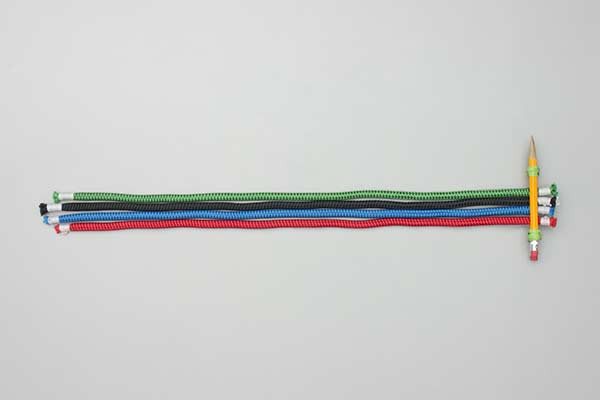
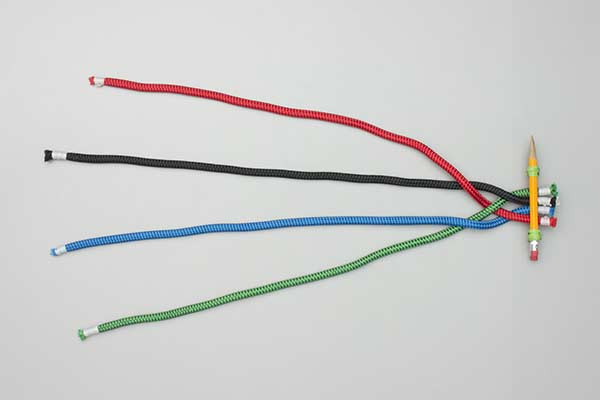
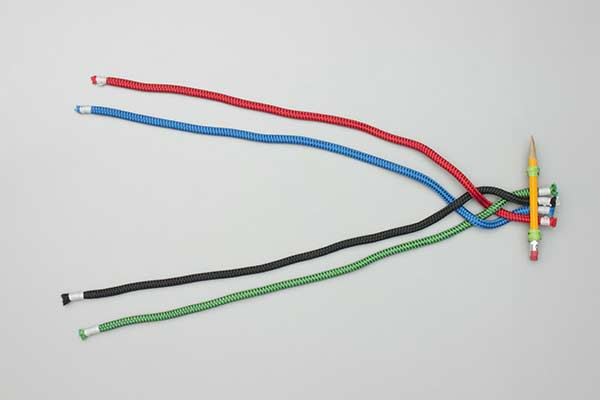
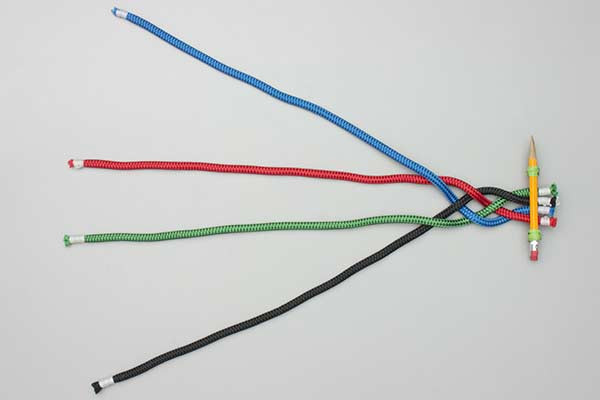
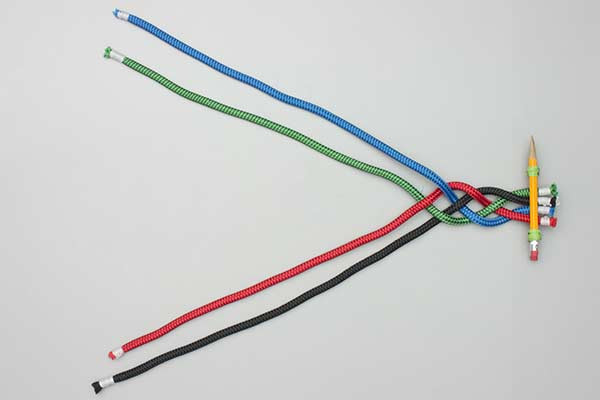
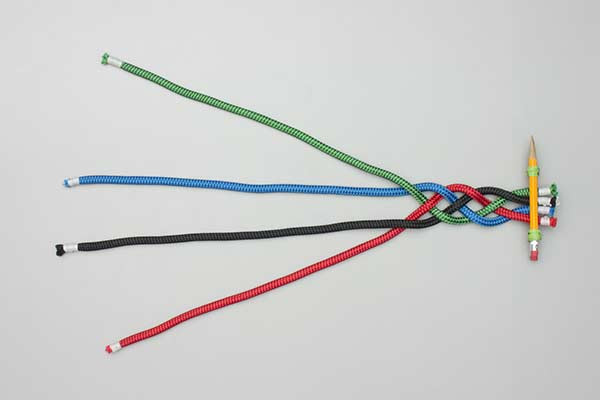
- Start with the ends clamped together. Ensure that all strands are of equal length and secured firmly to your workspace to allow for consistent tension.
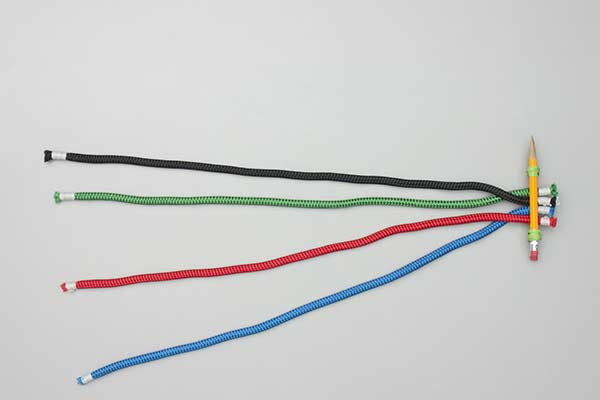
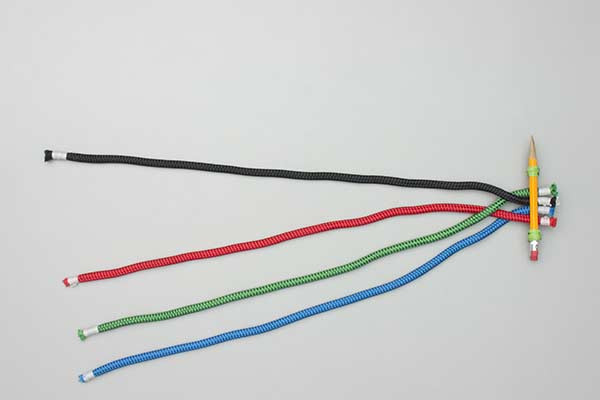
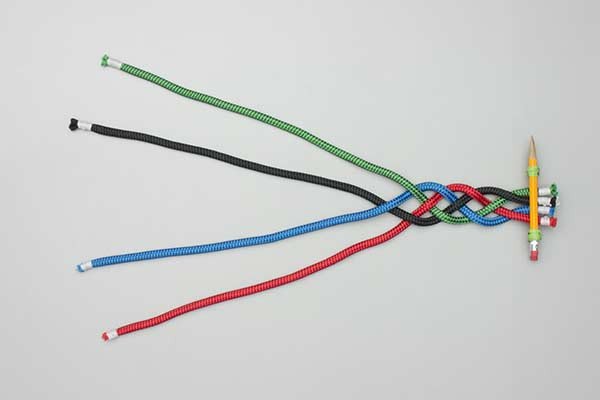
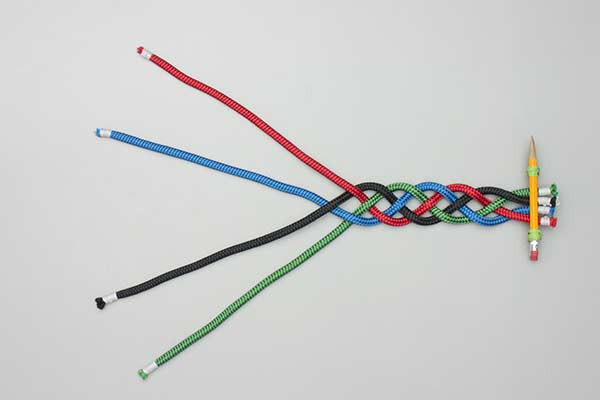
- Pass each strand alternately over and under its neighbor. This creates the interlocking weave that defines the sinnet’s structural integrity.
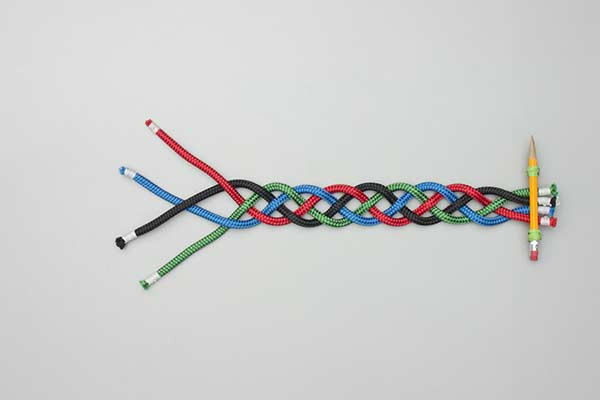
- Maintain even spacing and symmetry with spacing between the strands. This is the most critical step for aesthetics; if one section is tighter than the rest, the sinnet will warp or twist.
- If necessary rotate each strand to keep the sinnet lying flat. This prevents the cordage from developing internal torque, which can cause the finished braid to curl.
- Continue until the desired length is reached. Once finished, secure the ends with a terminal knot or by melting/whipping the strands together.
Common Mistakes to Avoid
Even experienced knot-tiers can run into trouble with the French Sinnet One. Here are the most common pitfalls and how to avoid them:
- Inconsistent Tension: This is the number one cause of a "messy" sinnet. If you pull too hard on one side, the braid will curve. Aim for a "firm but not tight" feel throughout the process.
- Strand Overlapping: It is easy to accidentally skip an "over-under" sequence. Always double-check the pattern every three or four passes. If the pattern looks "broken," you likely missed a neighbor strand.
- Twisted Strands: As noted in the instructions, you must rotate each strand to keep it flat. If the strands themselves are twisted, the sinnet will lose its smooth, ribbon-like appearance and feel rough to the touch.
- Improper Finishing: If you are using synthetic rope, failing to properly fuse the ends can lead to the entire sinnet unraveling under tension. Use a "melt and flat" technique with a lighter for a secure finish.
Safety Tips
When using the French Sinnet One knot for load-bearing applications (like a gear sling), always test the integrity of the braid before putting it into service. Remember that while braiding increases the thickness of the cord, the breaking strength is still limited by the quality of the individual strands and the friction of the weave.
Related Knots and Splicing
Expanding your repertoire of rope knots will make you a more versatile outdoorsman or artisan. Here are several techniques related to the French Sinnet One:
- Square Sinnet: A three-dimensional, four-strand braid that creates a solid, square-shaped cord, commonly used for heavy-duty lanyards and decorative keychains.
- Round Sinnet (Crown Knot Braid): This technique stacks crown knots to create a cylindrical, highly durable rope wrap that is excellent for handle grips.
- Cobra Stitch (Solomon Bar): A staple of paracord crafting, this involves two working strands tied around a central core, resulting in a wide, flat, and very strong bar.
- The Matthew Walker Knot: A complex multi-strand terminal knot used to prevent a sinnet from unraveling while providing a decorative, bulbous end.
- Eye Splice: A method of turning the end of a rope back into itself to create a permanent loop, often used in conjunction with sinnets for maritime rigging.
Final Words
The French Sinnet One is more than just a decorative braid; it is a versatile tool in the kit of anyone interested in outdoor rope techniques. Its flat profile makes it uniquely suited for comfort and utility, while the "over-under" weave ensures a classic look that has stood the test of time from the decks of 18th-century frigates to the modern-day hiking trail.
By mastering the rhythm of the weave and maintaining the discipline of even spacing, you can transform simple cordage into a functional work of art. Whether you are repairing a broken strap on your favorite pack or crafting a custom belt, the French Sinnet One knot provides a reliable, professional solution. Practice with different materials like leather or paracord to see how the texture changes, and soon this essential braid will become second nature in your technical repertoire.
