
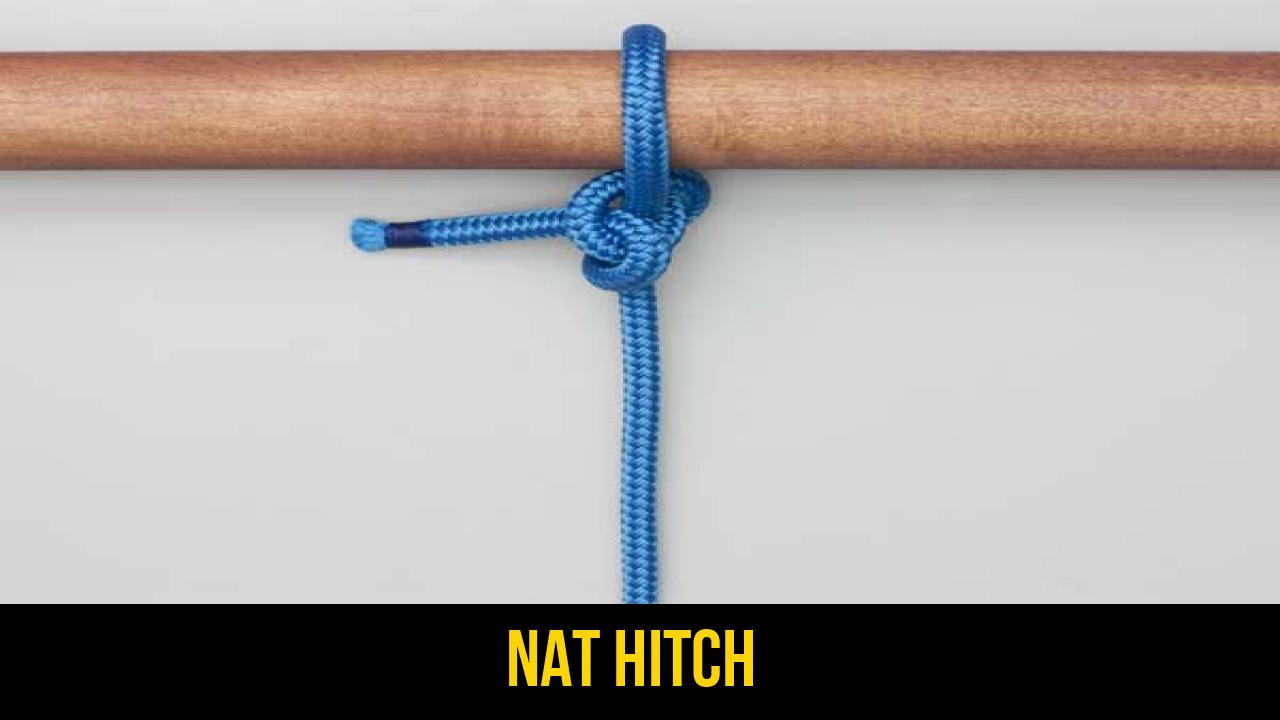
In the expansive world of rope knots, efficiency and reliability are the twin pillars of success. Whether you are an experienced arborist, a dedicated backpacker, or a weekend camper, the ability to secure a line to a fixed object—such as a pole, branch, or post—is a fundamental skill. Among the myriad of hitches available to the modern outdoorsman, the Gnat Hitch knot is a specialized, low-profile, and highly effective tool that deserves a place in your utility belt of knowledge.
The Gnat Hitch belongs to a family of knots designed to "jam" or grip tightly against the object they are tied around. Its name likely derives from its small, unobtrusive profile—like a gnat, it is tiny but holds its ground with surprising tenacity. While it may not be as famous as the Clove Hitch or the Bowline, its unique geometry makes it ideal for specific applications where other knots might slip or become overly bulky.
In this guide, we will explore the nuances of the Gnat Hitch, its practical applications in outdoor rope techniques, and the precise method for tying it correctly to ensure maximum security in the field.
Alternative Names: The Gnat Hitch is occasionally referred to as a variation of the Buntline Hitch or a modified Half-Hitch, though it is distinct in its final tuck and tightening mechanism.
What Is a Gnat Hitch?
The Gnat Hitch is a type of binding hitch used to secure the end of a rope to a cylindrical object. It is characterized by its simplicity and its ability to remain secure under a constant load. Unlike some hitches that can become unstable if the rope is shaken or if the tension is intermittent, the Gnat Hitch is designed to "set" firmly against the pole.
Practical Uses and Applications
The utility of the Gnat Hitch knot is found in its versatility across various environments:
- Bushcraft and Shelters: It is an excellent choice for securing ridge lines or guy lines to small trees or saplings. Because it is low-profile, it won’t snag on fabric or gear passing by.
- Light Load Securing: If you are hanging a lantern, a gravity-fed water filter, or a bear bag, the Gnat Hitch provides a quick and reliable attachment point.
- General Utility: It is perfect for tying off bundles of firewood or securing tool handles to a central transport line.
- Gardening and Agriculture: For those working with twine or light cordage, this hitch provides a non-slip grip on stakes and trellises.
While it is robust, it is important to note that the Gnat Hitch is generally used for utility purposes. In high-stakes environments like rock climbing or life-safety rigging, specialized knots with higher safety ratings are required. However, for 90% of daily outdoor tasks, the Gnat Hitch is more than sufficient.
Materials and Tools Needed
To master outdoor rope techniques, you must understand how different materials interact with specific knots. The Gnat Hitch knot performs differently depending on the diameter and texture of the cordage used.
Recommended Rope Types
- Paracord (550 Cord): The most common choice for this knot. The nylon sheath provides enough friction for the hitch to "bite" into itself.
- Bank Line (Tarred Nylon): Excellent for bushcraft. The tarred coating makes the Gnat Hitch nearly impossible to slip once tightened.
- Static Accessory Cord: For more permanent setups, a 2mm to 4mm static cord works wonders.
- Natural Fibers (Manila or Cotton): These provide excellent "tooth," but ensure the rope is in good condition, as fibers can degrade over time when under the high-pressure tension of a hitch.
Essential Tools
- A Solid Anchor: A pole, branch, or post with a diameter between 1 and 4 inches is ideal for practicing.
- Cutting Tool: A sharp knife or shears to trim the tail end if necessary (always leave a safety margin).
- Heat Source: If using synthetic rope, a lighter is necessary to seal the ends to prevent fraying.
How to Tie Gnat Hitch?
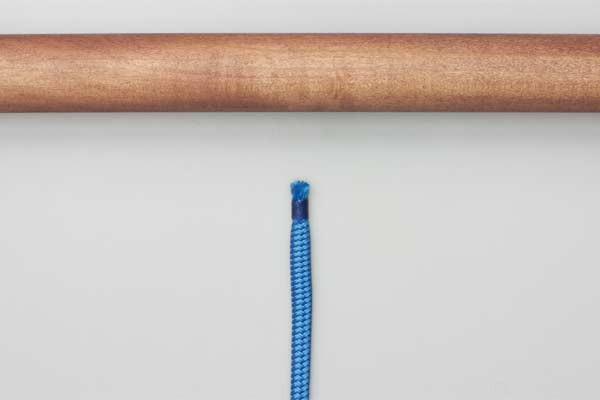
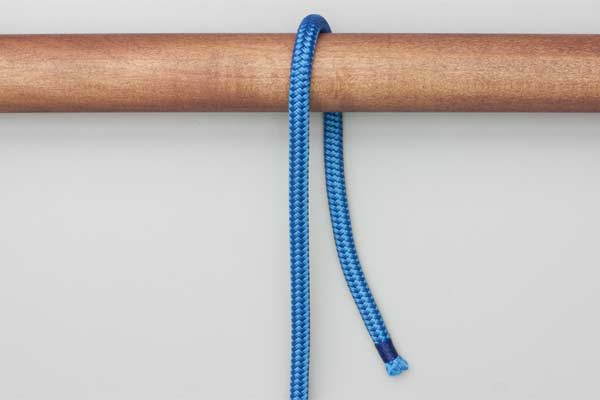
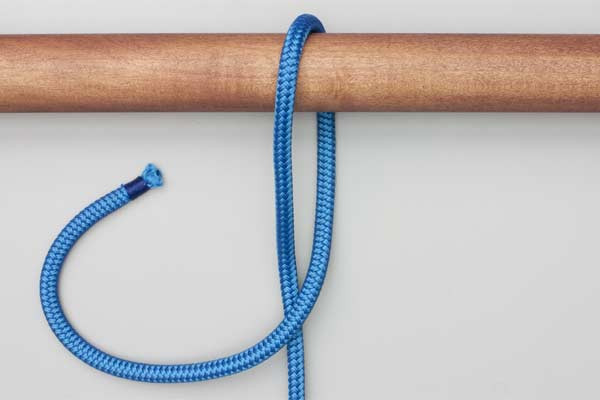
To ensure the security of your load, you must follow the steps precisely. The Gnat Hitch relies on the specific sequence of the tail passing through the loop to create the necessary friction.
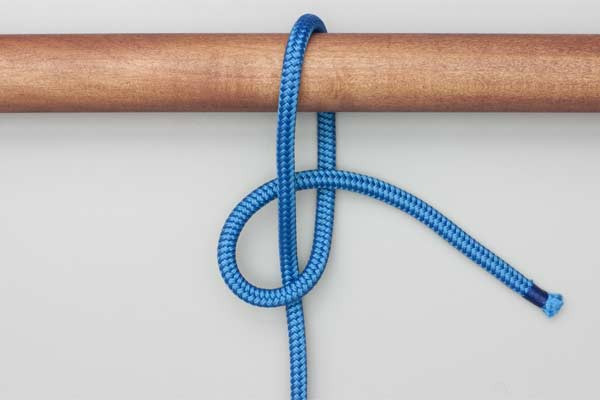
- Pass the tail end around the pole and tie a Half Hitch.
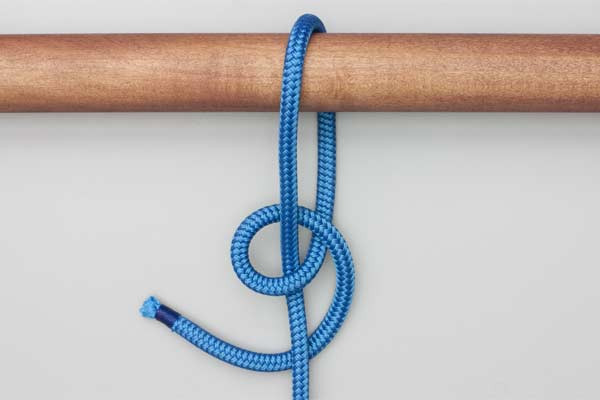
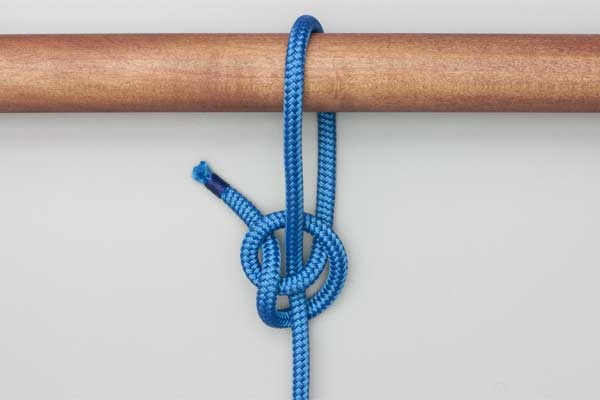
- Pass the tail behind the standing end and then down through the loop of the Half Hitch.
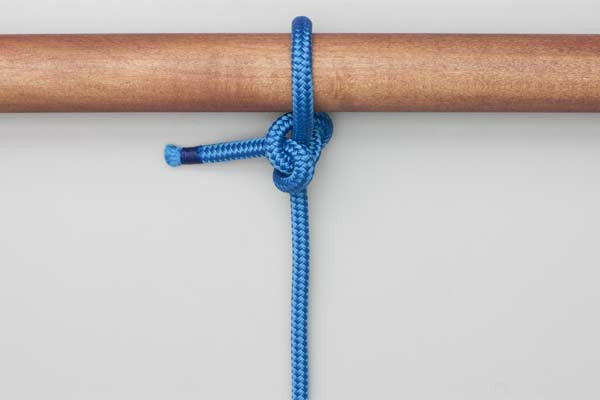
- Tighten the knot against the pole.
Expert Tip: When performing step 3, ensure you pull both the tail and the standing end simultaneously to "dress" the knot properly. A well-dressed knot is a safe knot.
Common Mistakes to Avoid
Even the most experienced outdoorsmen can make errors when tying rope knots in a hurry or under poor weather conditions. To ensure your Gnat Hitch knot remains secure, watch out for these common pitfalls:
1. Insufficient Tail Length
One of the most dangerous mistakes is leaving too short a "tail" (the free end of the rope). Under heavy tension, all knots can experience a small amount of "creep" or slippage. Always leave at least 2–3 inches of tail to prevent the end from being sucked back into the knot.
2. Failure to "Dress" the Knot
Dressing a knot means straightening out the turns so they lie flat and parallel. If the loops of the Gnat Hitch are crossed or twisted improperly, the friction will not be distributed evenly, which can lead to the knot failing or becoming impossible to untie after it has been loaded.
3. Using the Wrong Rope Diameter
If the rope is too thick for the pole (or vice versa), the hitch may not be able to grip the surface effectively. The Gnat Hitch works best when the rope can make full contact with the circumference of the pole.
4. Incorrect Orientation
Ensure that you are passing the tail behind the standing end as specified. Passing it in front changes the physics of the knot, essentially turning it into a different, and potentially less secure, hitch.
Related Knots and Splicing
Understanding the Gnat Hitch knot is part of a broader education in outdoor rope techniques. Here are a few related knots that share similar characteristics or functional applications:
- Buntline Hitch: A highly secure, self-jamming hitch often used in sailing to attach a halyard to a shackle; it is more permanent and harder to untie than the Gnat Hitch.
- Clove Hitch: A quick, temporary hitch that is easy to tie but can slip if the tension is not constant or if the rope is very slick.
- Two Half-Hitches: The "bread and butter" of camping knots; it is simpler than the Gnat Hitch but takes up more space on the pole and is less resistant to shaking.
- Taut-Line Hitch: An adjustable loop knot for use on lines under tension, perfect for tent guy lines that require frequent tightening.
Final Words
The Gnat Hitch is a testament to the idea that sometimes the most effective solutions are the smallest. By mastering this knot, you add a versatile, low-profile, and reliable tool to your repertoire of outdoor rope techniques. Whether you are securing a shelter against a sudden storm or simply organizing your gear in the garage, the Gnat Hitch knot provides the grip and stability required for a job well done.
Remember, the key to knot-tying proficiency is practice. Don’t wait until you are in the woods in the dark to try the Gnat Hitch for the first time. Take a piece of paracord, find a sturdy chair leg or a banister, and repeat the steps until the motion becomes muscle memory. Stay safe, stay prepared, and keep your lines tight.
[content]
