
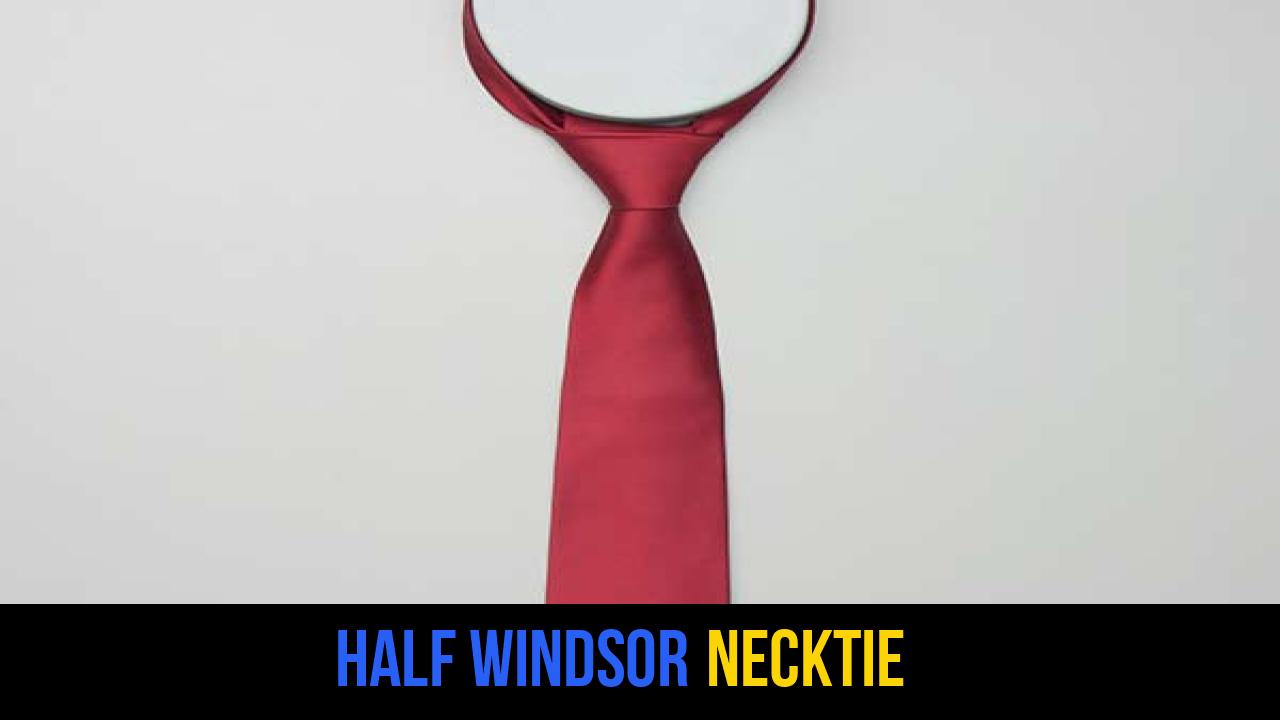
In the world of technical precision and aesthetic mastery, few things bridge the gap between functional utility and professional presentation as effectively as the Half Windsor Necktie. Whether you are preparing for a high-stakes corporate meeting or applying the same meticulous attention to detail found in outdoor rope techniques, mastering this knot is an essential skill.
The Half Windsor Necktie knot is often celebrated for its medium size and nearly symmetrical shape. It provides a substantial look without the overwhelming bulk of a full Windsor, making it the "goldilocks" of neckwear. For the technical outdoor specialist, the mechanics of this knot reflect the same principles of tension and friction found in rope knots used for securing gear or setting up camp.
Understanding the architecture of the Half Windsor Necktie allows a person to project authority and competence. It is a versatile choice that works well with most collar types and fabric weights, ensuring you remain "rigged" for success in any environment.
Alternative Names: Single Windsor, Half-Windsor Knot, Petit Windsor.
What Is a Half Windsor Necktie?
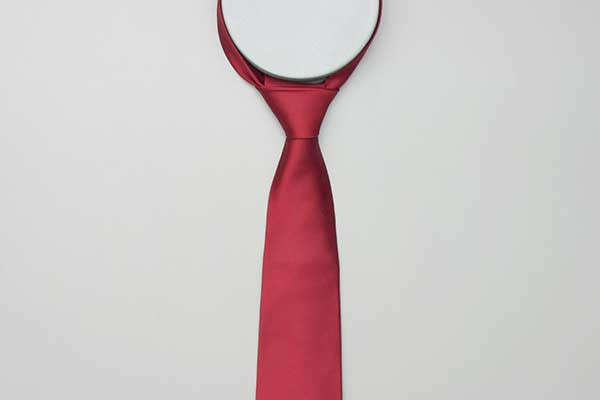
The Half Windsor Necktie is a triangular knot that is slightly larger than the Four-in-Hand but smaller than the traditional Windsor. Despite its name, it is not exactly half the size of a Full Windsor; rather, it provides about 75% of the bulk. It is characterized by a clean, triangular silhouette that sits firmly within the spread of a shirt collar.
Practical Uses and Versatility
From a technical standpoint, the Half Windsor Necktie knot is prized for its efficiency. In the same way that specific rope knots are chosen for their ability to hold under tension while remaining easy to untie, the Half Windsor is designed to maintain its structure throughout a long day of activity.
- Business Professional: It is the standard for daily office wear, providing a polished look that isn’t overly flashy.
- Formal Events: Its symmetry makes it appropriate for weddings, funerals, and galas.
- Interviews: It strikes the perfect balance between "effortless" and "meticulous," signaling to employers that you value precision.
- Technical Application: For those transitioning from the field to the boardroom, the muscle memory involved in creating a secure loop and a clean "tuck" mirrors the discipline required in complex outdoor rope techniques.
Materials and Tools Needed
To achieve a perfect Half Windsor Necktie, one must consider the "gear" involved. Just as the diameter and material of a rope affect its performance in the wild, the fabric and construction of your necktie dictate the final result.
1. The Tie (The Main Line)
- Silk: The gold standard for knot-tying. It offers the right amount of friction to hold the knot while allowing for a smooth "draw" when tightening.
- Wool or Knit: These are thicker "lines." If using a heavy wool tie, the Half Windsor may become quite bulky, similar to using a thick climbing rope for a delicate hitch.
- Polyester: More slippery than silk, requiring extra attention to the final tightening stage to ensure the knot doesn’t slip.
2. The Shirt (The Anchor Point)
- Spread Collar: Best suited for the Half Windsor as it provides enough "real estate" for the knot to sit comfortably.
- Point Collar: Works well, though the knot may feel slightly crowded if the tie is made of thick material.
3. Tools for Precision
- A Mirror: Essential for ensuring the symmetry of the "triangular face" of the knot.
- Collar Stays: These act as structural reinforcements, ensuring the "anchor" (the collar) remains rigid.
How to Tie Half Windsor Necktie?
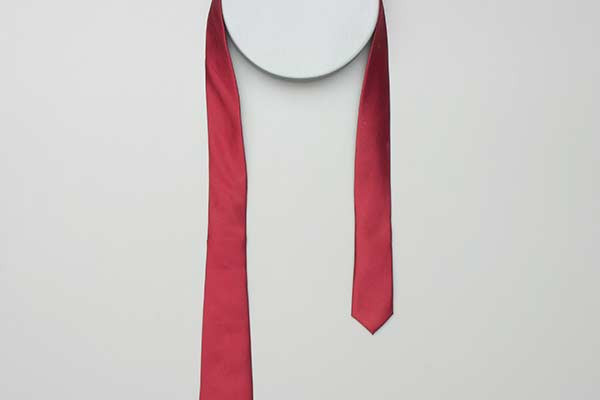
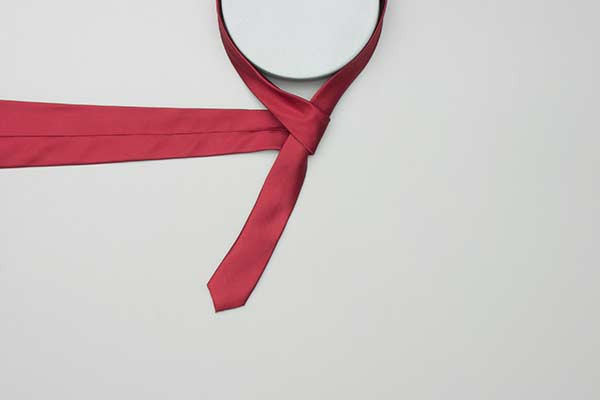
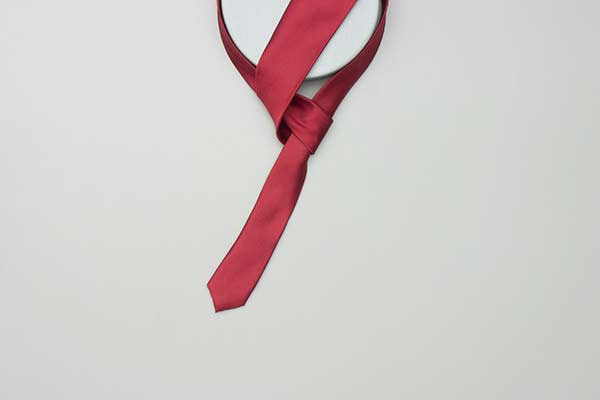
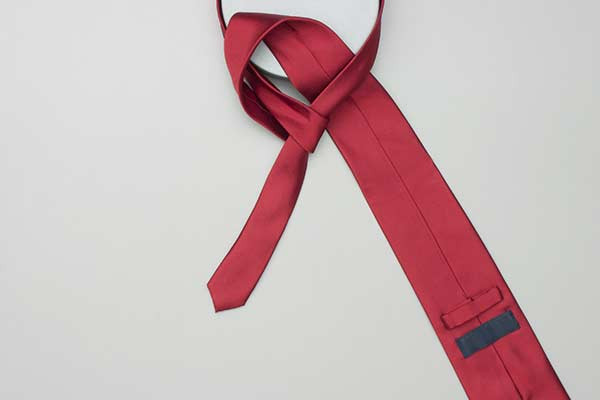
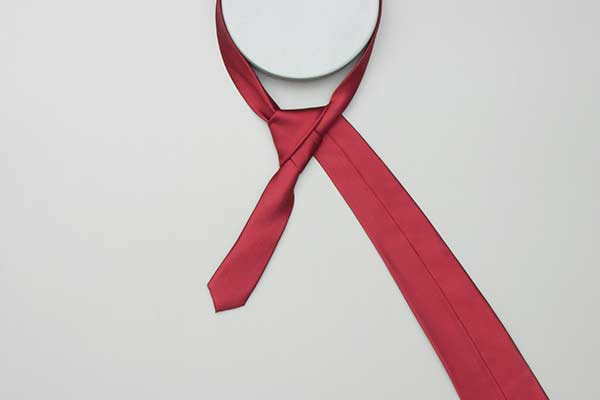
To achieve a professional and secure finish, follow these technical steps precisely. Treat the tie as you would a piece of specialized cordage, ensuring each pass is smooth and free of unnecessary twists.
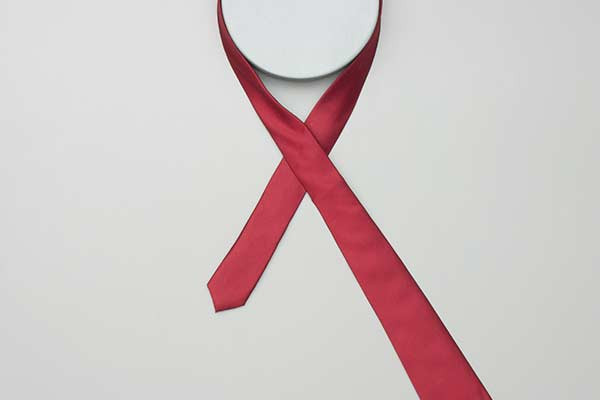
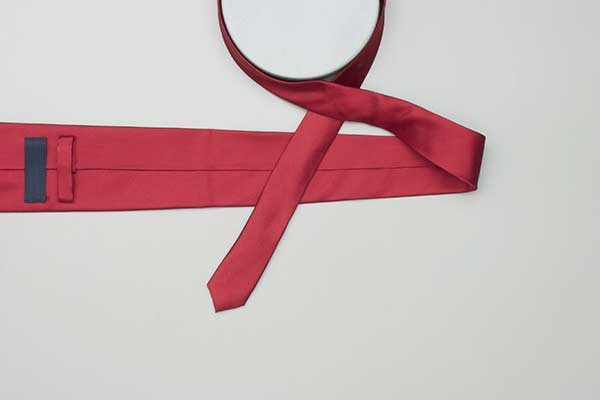
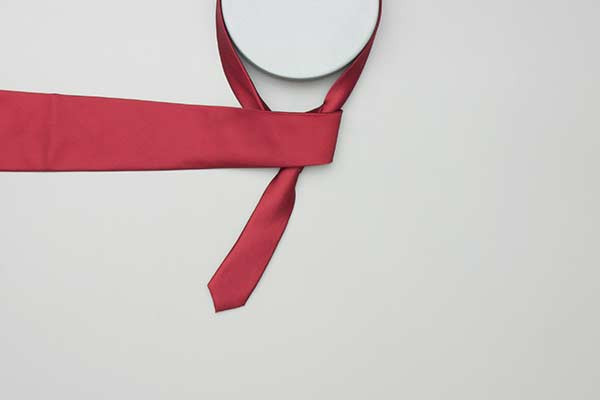
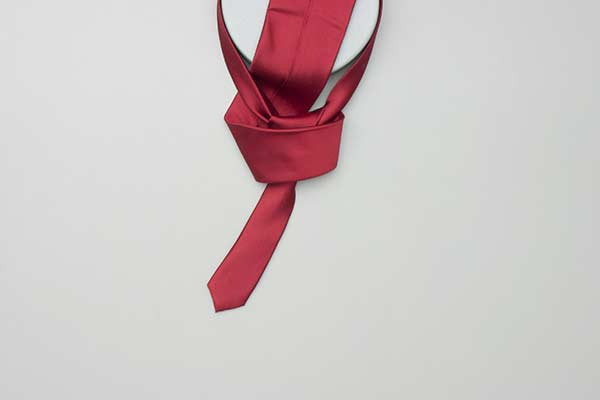
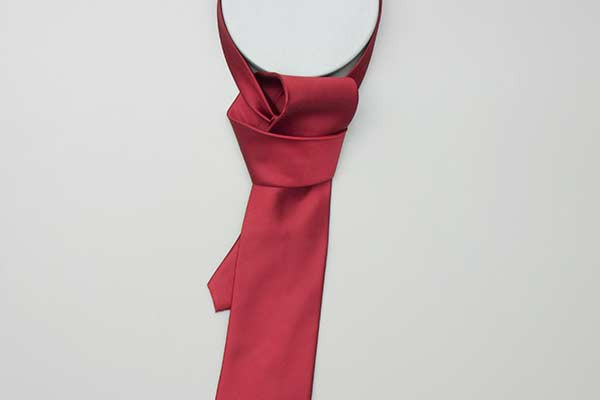
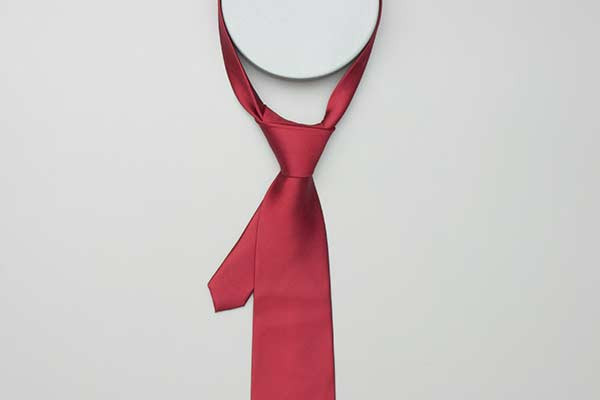
- Pass the long end over the short, back under it, and then backwards beside the neck emerging on the other side.
- Pass the end across, this time in front.
- Pass the end forwards beside the neck and down through the knot.
- Pull the long end to tighten the knot, then the short end to make snug against the neck.
Common Mistakes to Avoid
Even the most experienced technical specialists can encounter "knot failure" if they overlook the details. Here are the most common errors when executing the Half Windsor Necktie knot.
Lack of Symmetry
Unlike the Four-in-Hand, which is naturally slanted, the Half Windsor should be nearly symmetrical. If one side looks significantly bulkier than the other, you likely didn’t pull the "emerging" end through with consistent tension.
Incorrect Length
The tip of the long end (the "working end") should ideally rest right at the top of your belt buckle. If it hangs too low, it looks sloppy; if it is too high, it appears amateurish. Adjust your starting position (the "hitch") accordingly.
The "Gap"
A common safety and aesthetic error is leaving a gap between the knot and the top button of the shirt. Ensure you pull the short end to make snug against the neck as the final step. This ensures the knot is seated correctly against the anchor.
Ignoring the Dimple
In the world of high-end haberdashery, the "dimple" just below the knot is the mark of a pro. As you perform the final pull through the loop, use your index finger to create a small fold in the fabric. This adds structural integrity and visual depth to the knot.
Related Knots and Splicing
Expanding your repertoire of rope knots and tie techniques allows for greater adaptability in various environments. Here are a few related techniques:
- Full Windsor Knot: A larger, more complex version of the Half Windsor that involves an extra wrap for total symmetry and maximum volume.
- Four-in-Hand Knot: A simple, slender, and slightly asymmetrical knot that is the quickest to tie, ideal for casual settings or thick fabrics.
- Pratt Knot: Also known as the Shelby, this knot is unique because it starts with the tie inside-out, resulting in a neat, medium-sized finish.
- Bowline Knot: A foundational outdoor rope technique used to form a fixed loop at the end of a rope; it is highly secure and easy to untie after loading.
- Clove Hitch: A classic among rope knots, used for securing a line to a cylindrical object, much like a tie secures around a neck.
Final Words
The Half Windsor Necktie is more than just a piece of fashion; it is a demonstration of technical proficiency. By applying the same rigor one uses for outdoor rope techniques to the art of neckwear, you ensure a result that is both functional and aesthetically superior.
Whether you are navigating the "urban jungle" or preparing for a formal presentation, the Half Windsor offers a reliable, symmetrical, and sophisticated solution. Remember that practice is key—the more you handle the material, the more intuitive the tensioning and placement become. Master the Half Windsor Necktie knot today and elevate your professional gear to the next level.
