
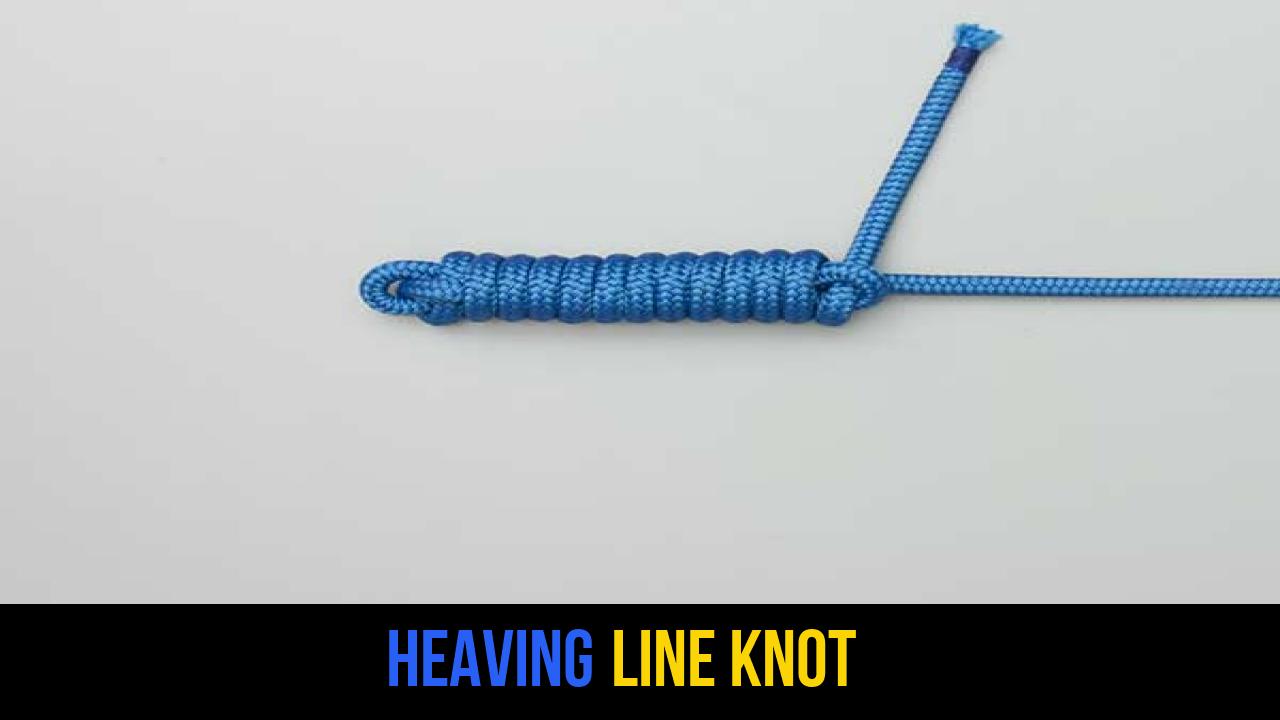
In the world of maritime operations, search and rescue, and general outdoor survival, the ability to deliver a rope from point A to point B is a fundamental skill. However, a lightweight rope is notoriously difficult to throw accurately over a long distance, especially when battling high winds or choppy seas. This is where the Heaving Line Knot becomes an indispensable tool in your arsenal of outdoor rope techniques.
The Heaving Line Knot is a weighted knot used primarily to add mass to the end of a light line (the "heaving line"). By increasing the weight at the terminal end, the rope gains the momentum necessary to fly through the air, allowing a sailor or rescuer to pass a line to a dock, another vessel, or a person in distress. Once the light heaving line is caught, it is often used to pull across a much heavier hawser or mooring rope.
While there are several weighted knots available to the modern outdoorsman, this specific knot is favored for its simplicity, speed of tying, and the fact that it does not require an external weight—such as a lead sinker or a stone—which could cause injury upon impact.
Alternative Names: Francis Barker’s Knot, Heaving Knot, Weighted Stopper Knot.
What Is a Heaving Line Knot?
At its core, the Heaving Line Knot is a terminal knot that functions as a "weighted end." Unlike a standard stopper knot, which is designed to prevent a rope from slipping through a block or eyelet, the primary purpose of the Heaving Line Knot is physics-based: it shifts the center of gravity to the very end of the line.
Practical Uses in the Field
- Maritime Docking: Sailors use this knot to toss lines to shore-side line handlers when a ship is docking.
- Ship-to-Ship Transfers: Essential for passing messenger lines between vessels for refueling or supply transfers.
- Emergency Rescue: If a swimmer is out of reach, a heaving line can be thrown much further than a standard coiled rope.
- Arborist Work: Tree climbers often use variations of weighted knots to throw "throw lines" over high branches to set their climbing systems.
- Decorative Knotting: Due to its neat, cylindrical appearance, it is often used in macramé and nautical-themed decor.
The Heaving Line Knot is often compared to the Monkey’s Fist. However, while the Monkey’s Fist is more spherical and can hold an internal weight, the Heaving Line Knot is faster to tie in emergency situations and relies solely on the bulk of the rope itself for weight.
Materials and Tools Needed
To tie a secure and effective Heaving Line Knot, you must select the right materials. The effectiveness of the knot depends heavily on the type of rope and the environment in which it is used.
Recommended Rope Types
- Three-Strand Twisted Nylon: This is the traditional choice for maritime use. It has excellent "stretch" and the texture of the strands helps the knot "bite" into itself, preventing it from unraveling.
- Braided Polypropylene: Often used for water rescue because it floats. However, it can be slippery, so extra care must be taken to tighten the wraps.
- Kernmantle Rope: While common in climbing, its smooth sheath can make the Heaving Line Knot slightly more prone to loosening if not dressed (tightened) properly.
Essential Tools
- Sharp Knife or Rope Cutter: For trimming the tail end if necessary.
- Heat Source (Lighter/Torch): For synthetic ropes, you must sear the ends to prevent fraying.
- Fid or Marlinspike: While not strictly necessary for this knot, these tools can help in tightening the wraps if you are using very thick, stiff rope.
How to Tie a Heaving Line Knot
Tying this knot requires a balance between the length of the tail and the number of wraps. Follow these instructions precisely to ensure the knot is weighted correctly and remains secure during flight.
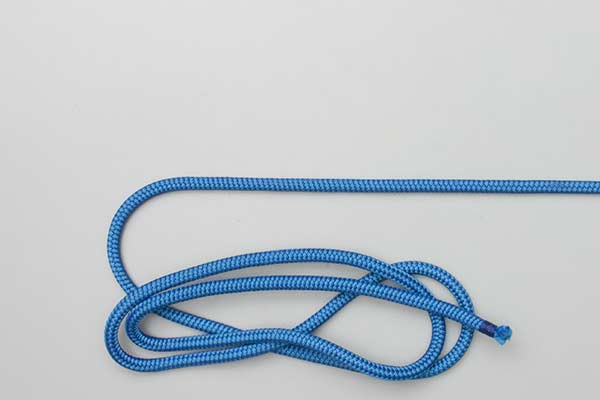
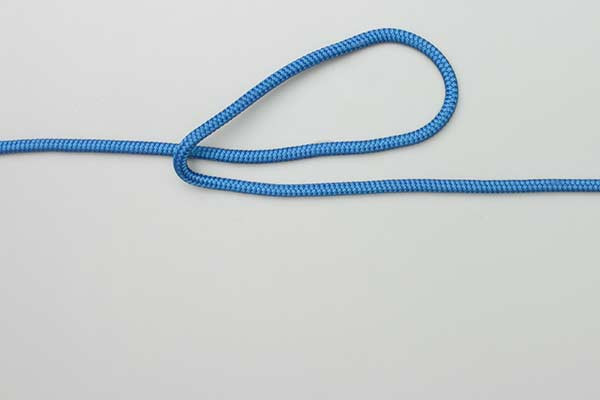
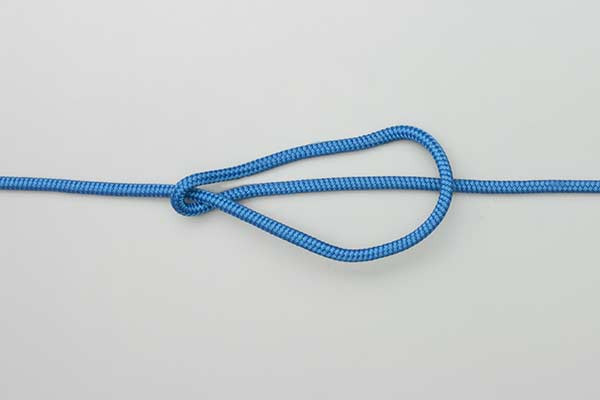
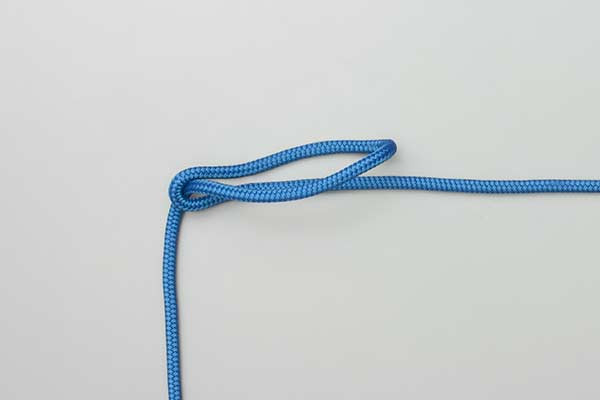
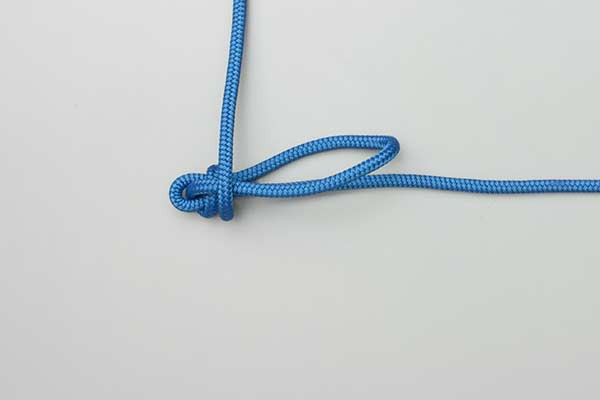
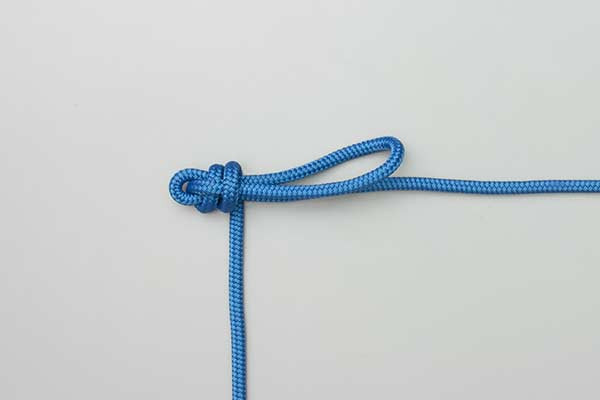
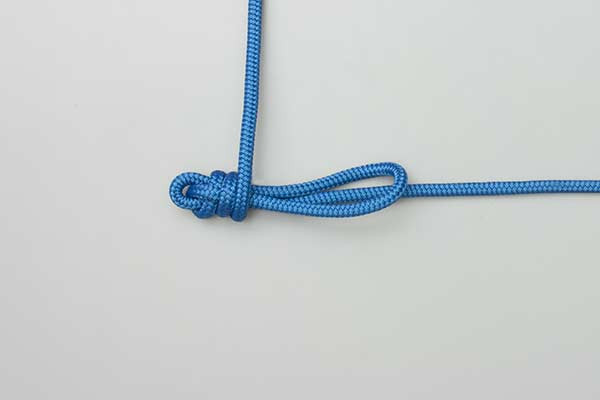
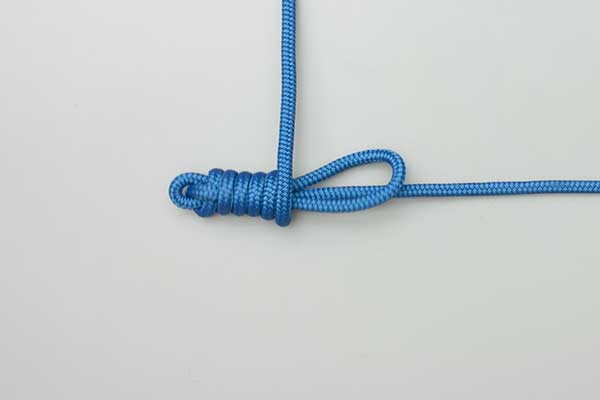
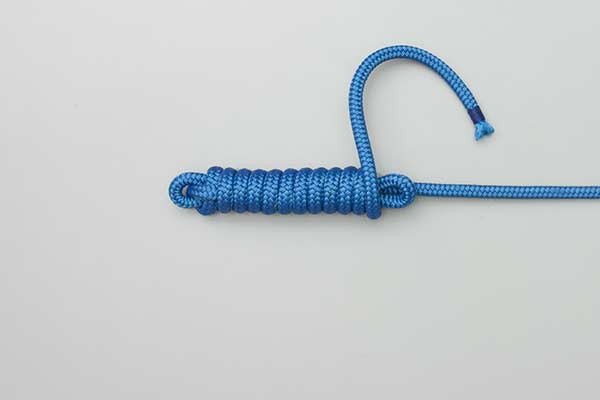
- Prepare enough rope. Ensure you have a significant length of the "tail end" (the working end) to create the necessary wraps.
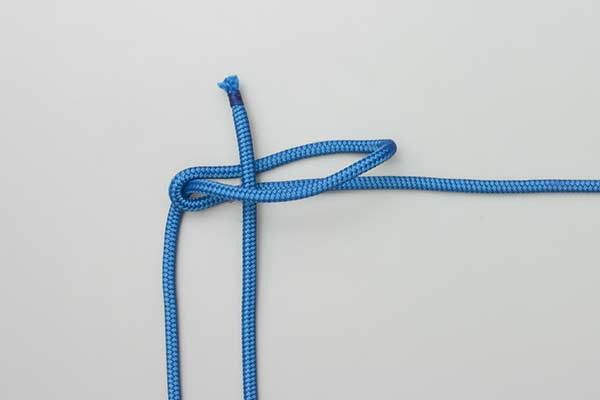
- Make a bight and hold it so that it encloses the tail end.
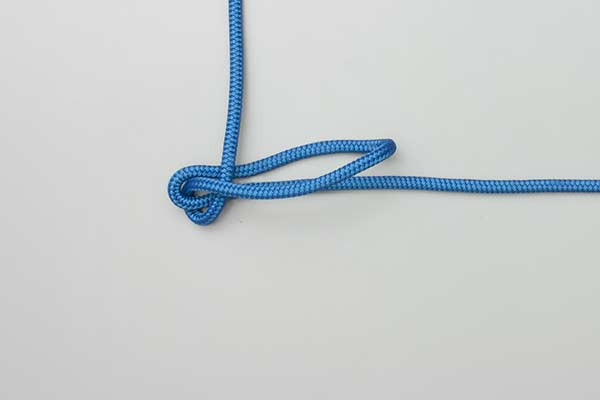
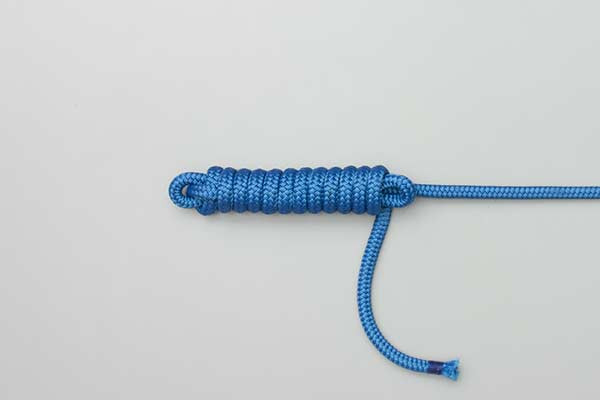
- Wrap the tail end initially around just two strands and then around all three strands to use up the tail end.
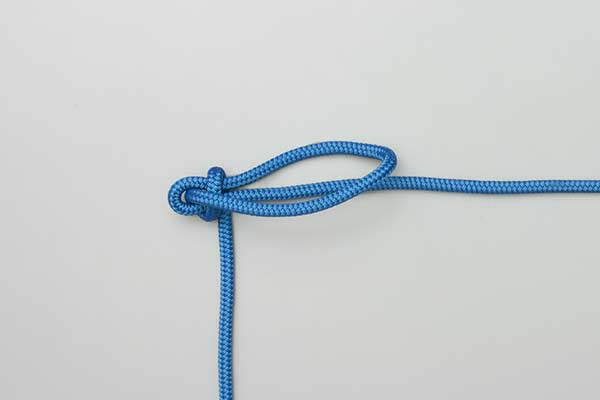
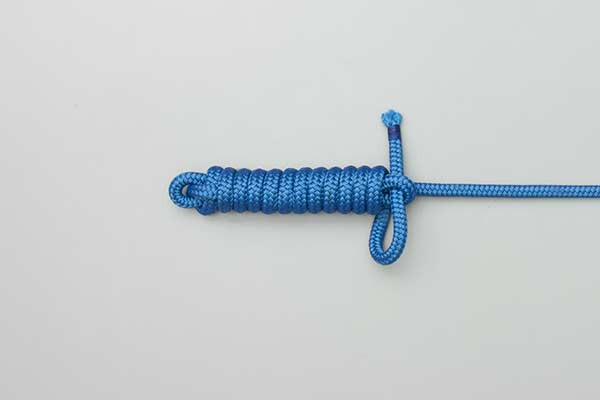
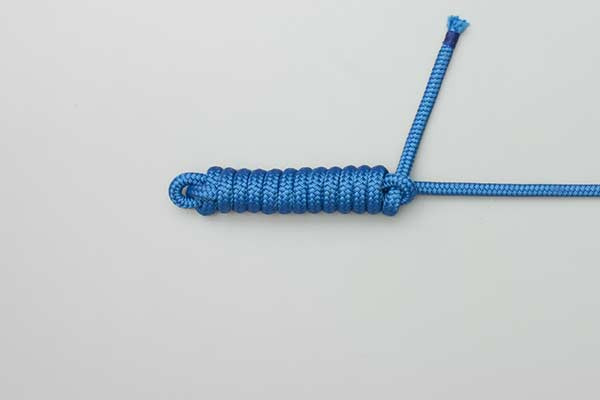
- Complete the knot by passing the tail end through the loop.
Pro Tip: After passing the tail through the loop, pull the standing part of the rope to cinch the loop down onto the tail. This "locks" the knot in place so it doesn’t fly apart when thrown.
Common Mistakes to Avoid
Even experienced sailors can make errors when tying the Heaving Line Knot. To ensure safety and performance, avoid these common pitfalls:
1. Insufficient Wraps
The weight of the knot comes from the density of the wraps. If you only wrap the tail end two or three times, the knot will lack the mass required to overcome air resistance. Aim for a substantial "cylinder" of rope.
2. Loose Tension
If the wraps are loose, the knot can deform or "spill" during the throw. This not only ruins the trajectory but can also cause the rope to tangle mid-air. Always dress the knot by pulling each wrap tight individually.
3. Ignoring the "Tail" Length
If the tail end is too short after passing it through the final loop, it may slip back through. Ensure at least an inch of the tail is visible, or tuck it back into the wraps for a cleaner look.
4. Safety Warning
Never throw a weighted knot directly at a person. The Heaving Line Knot adds significant force to the rope. Always aim slightly past or to the side of the recipient so they can grab the trailing line safely.
Related Knots and Splicing
Understanding the Heaving Line Knot is often a gateway to mastering other rope knots used in professional and recreational settings. Here are a few related techniques:
- Monkey’s Fist: A complex, spherical weighted knot often containing a core; it provides more weight but takes significantly longer to tie than the Heaving Line Knot.
- Bowline: Known as the "King of Knots," this creates a fixed loop at the end of a rope and is often tied to the other end of a heaving line.
- Figure-Eight Stopper: A simple, bulky knot used to prevent a rope from slipping through a hole; it lacks the weight for throwing but is a fundamental stopper.
- Sheet Bend: The primary knot used to join the light heaving line to a heavy hawser once the line has been successfully thrown and caught.
Final Words
The Heaving Line Knot is a testament to the elegance of functional knot-tying. It transforms a simple length of cordage into a precision tool for communication and rescue. Whether you are a professional mariner, an outdoor enthusiast, or a student of outdoor rope techniques, mastering this knot is essential for any situation where distance and accuracy are required.
By following the structured steps provided and practicing with different rope diameters, you will develop the "muscle memory" needed to deploy this knot under pressure. Remember, a well-tied knot is not just a skill—it is a safety measure that can make all the difference in a critical moment at sea or in the wilderness.
Summary of Practical Applications:
- Passing lines in high winds.
- Securing gear in hard-to-reach places.
- Adding a decorative, professional finish to marine rope work.
- Enhancing water rescue capabilities.
Always inspect your rope for wear and tear before tying, and ensure your Heaving Line Knot is dressed tightly before every toss. Happy tying!
