
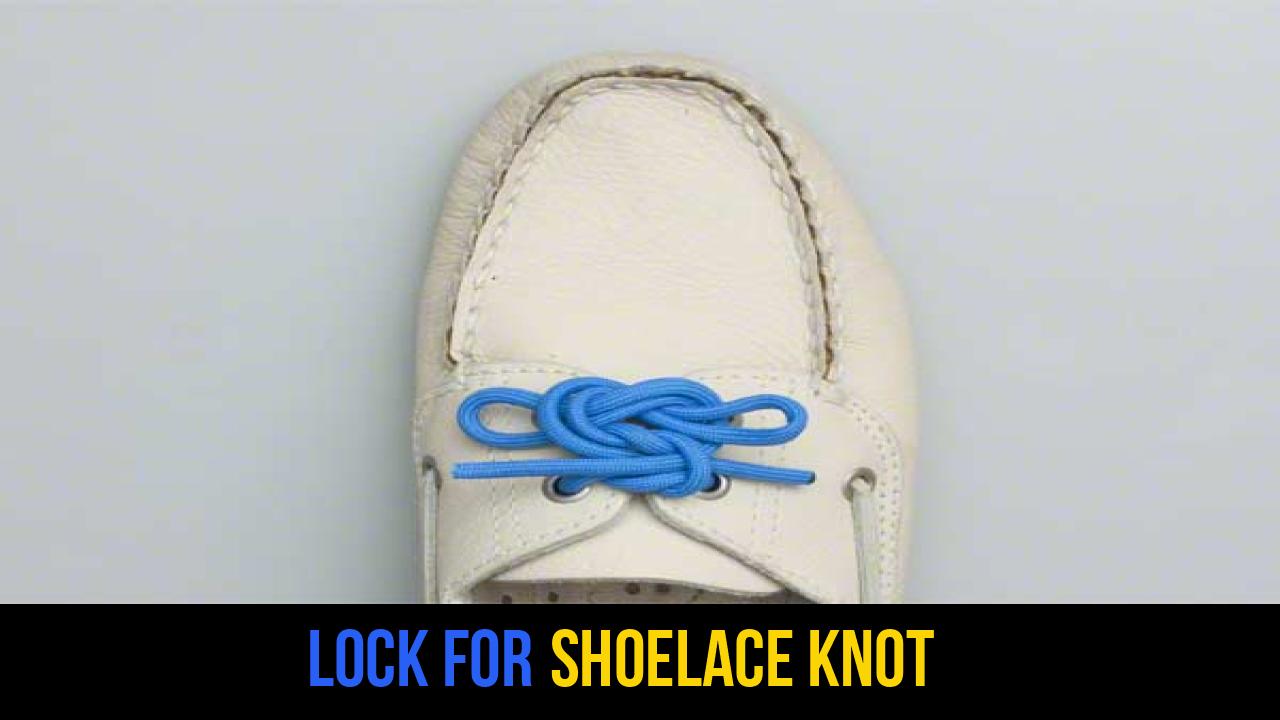
In the world of high-performance athletics and rugged outdoor exploration, the reliability of your gear is paramount. While many enthusiasts focus on the tread of their boots or the breathability of their jackets, one of the most critical points of failure is often the most overlooked: the way you secure your footwear. A loose lace is more than a nuisance; it is a safety hazard that can lead to trips, falls, and compromised ankle support during a technical ascent.
The Lock for Shoelace Knot is a specialized method designed to provide maximum security without sacrificing the ease of removal. Whether you are navigating a muddy trail, sprinting on a track, or securing heavy-duty work boots, understanding the mechanics of this knot is essential. This guide provides a deep dive into the history, utility, and technical execution of this essential outdoor skill.
Alternative names for this technique include: The Double Bow Knot, The Secure Shoelace Knot, The Better Bow, and the Two-Loop Lock.
What Is a Lock for Shoelace Knot?
The Lock for Shoelace Knot is a functional variation of the standard bow knot, engineered to increase friction and prevent the "slippage" that occurs during repetitive motion. In technical terms, it utilizes the principles of rope knots to ensure that the tension applied to the laces remains constant, even under the stress of vibration and impact.
Practical Uses and Benefits
- Trail Running: Prevents laces from snagging on brush or coming undone during high-intensity elevation changes.
- Mountaineering: Ensures that heavy leather boots remain tight, providing the necessary heel lock to prevent blisters.
- Children’s Footwear: Provides a "set it and forget it" solution for parents whose children often struggle with loose laces throughout the school day.
- Tactical Operations: Military and first responders use locking techniques to ensure their footwear remains a stable platform during unpredictable maneuvers.
Unlike a standard knot, which can often transform into a "Granny Knot" (a slip-prone orientation), the Lock for Shoelace Knot focuses on a balanced structure. By wrapping the loops strategically, the knot creates a mechanical advantage that resists the forces of the foot pushing upward against the laces.
Materials and Tools Needed
To master the Lock for Shoelace Knot, one must understand the relationship between the cordage and the eyelets. Not all laces are created equal, and the material you choose will dictate the knot’s ultimate security.
Recommended Lace Types
- Paracord (550 Cord): Highly durable but can be slippery. This knot is essential when using paracord to ensure it doesn’t slide open.
- Flat Nylon Laces: These provide the most surface area and friction, making the Lock for Shoelace Knot nearly impossible to undo accidentally.
- Round Polyester Laces: Common in hiking boots; these require the extra security of a locking technique because their shape offers less natural friction.
- Waxed Cotton: Often found in dress boots or hockey skates, these hold knots well but benefit from the "Lock" to prevent the wax from smoothing out under heat.
Essential Considerations
Before tying, ensure your laces are of adequate length. A locking knot requires slightly more "tail" than a standard bow to ensure the loops can be properly wrapped and tightened. If your laces are too short, you may find the final step difficult to execute.
How to Tie Lock for Shoelace Knot?
To ensure the highest level of security, follow these instructions precisely. This method focuses on creating a solid foundation and a balanced finish.
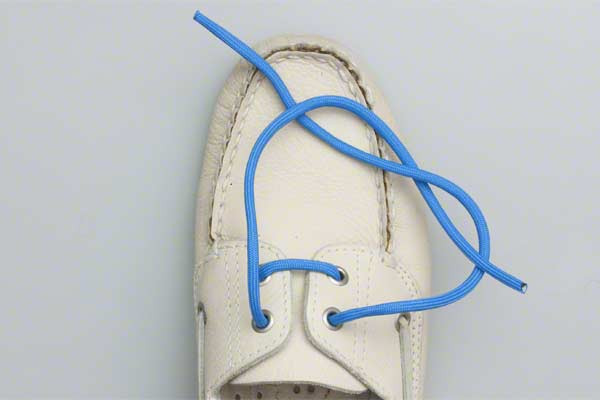
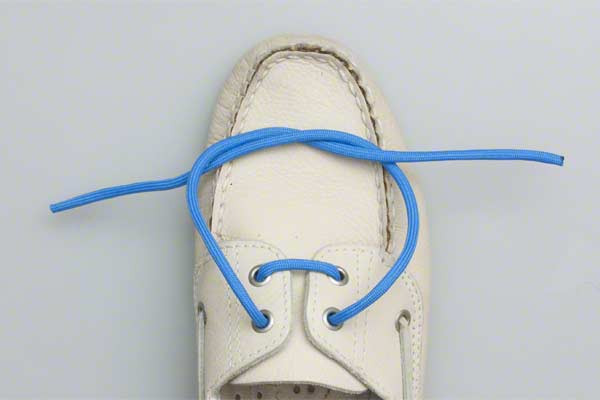
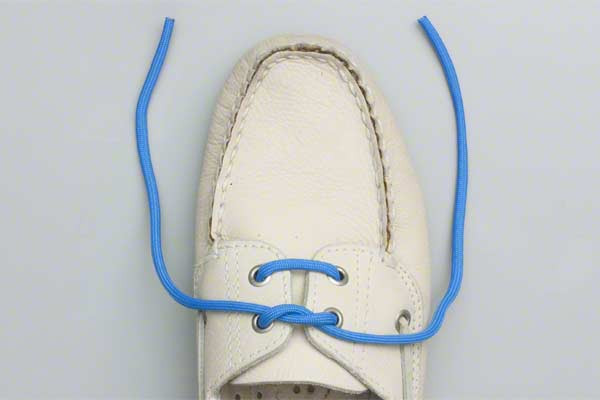
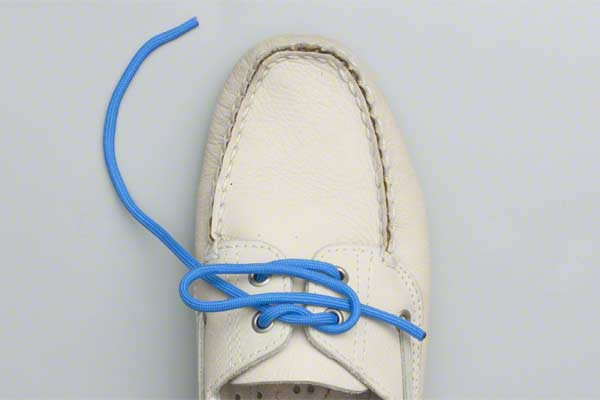
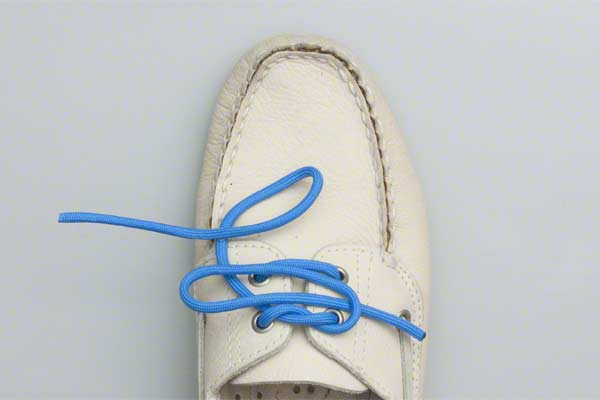
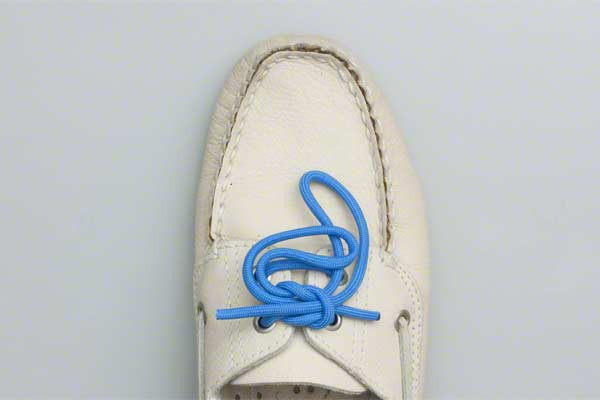
- Wrap one end round the other to tie a Half Knot. Pull tight.
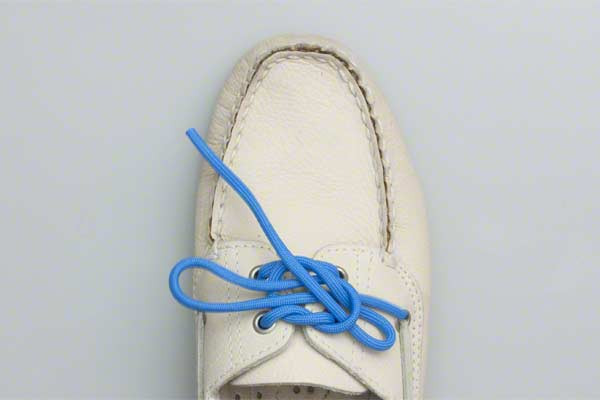
- Form a loop with one end.
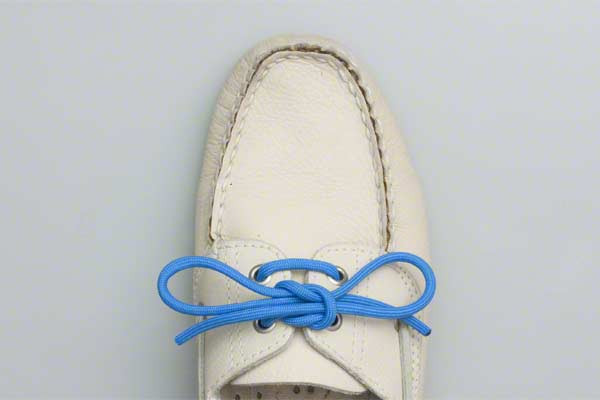
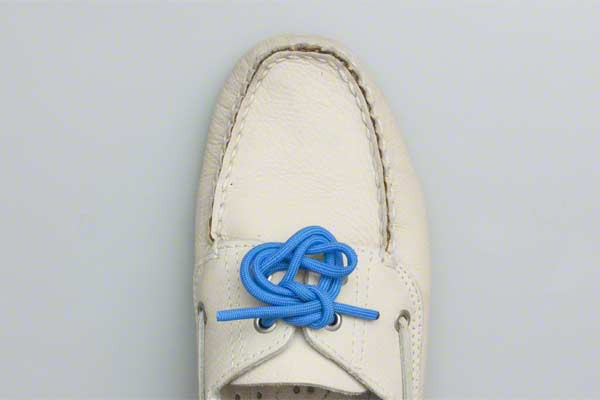
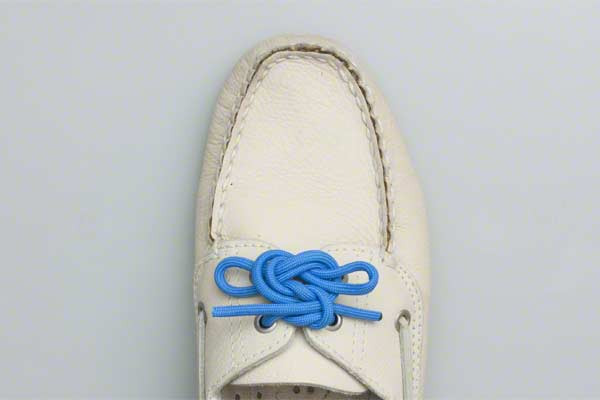
- Then form a loop with the other and wrap it around the first loop to complete the bow.
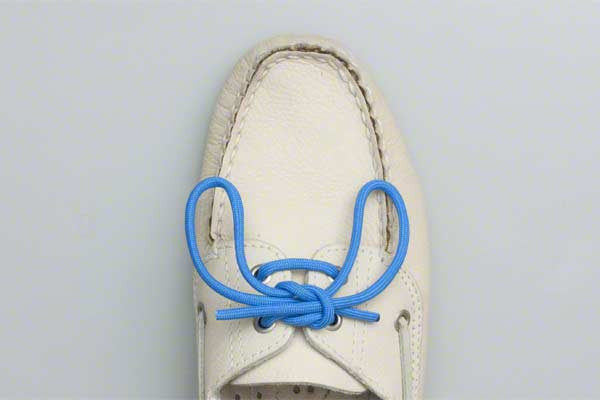
- Tighten and make the loops and ends all roughly the same length.
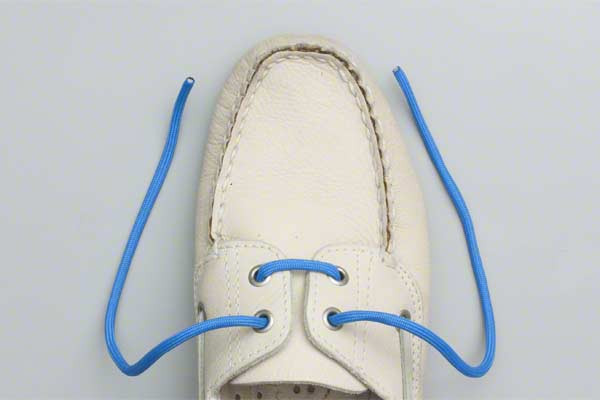
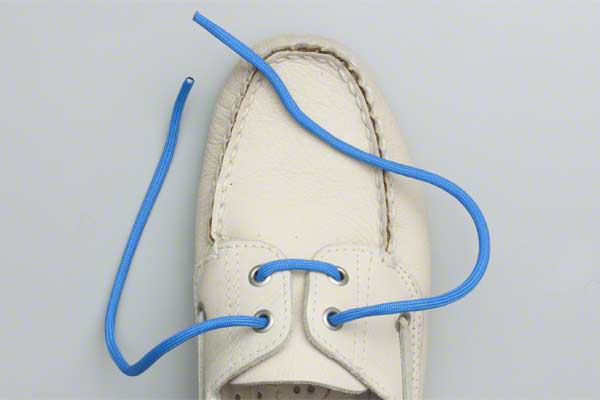
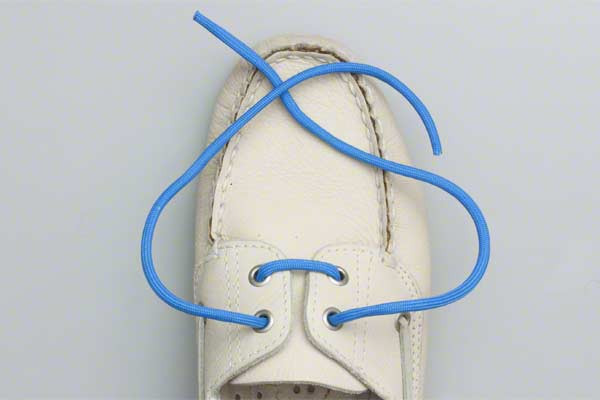
Common Mistakes to Avoid
Even seasoned outdoor professionals can make errors when applying outdoor rope techniques to their footwear. Avoid these common pitfalls to ensure your Lock for Shoelace Knot performs as intended.
1. The "Granny Knot" Foundation
If your finished bow sits vertically (aligned with your foot) rather than horizontally (across the shoe), you have likely tied a Granny Knot. This happens if the direction of the initial Half Knot does not complement the direction of the loops. To fix this, simply reverse the direction of your first wrap in step one.
2. Uneven Loop Tension
A common mistake is having one loop significantly larger than the other. This creates an unbalanced knot that is more likely to snag on external objects like roots or pedals. Always ensure you make the loops and ends all roughly the same length during the final tightening phase.
3. Over-Tightening the Initial Half Knot
While the instructions say to "Pull tight," over-compressing the bridge of your foot can lead to "lace bite" or restricted circulation. The goal is to secure the foot, not to cut off blood flow. Find a balance where the shoe feels like an extension of your foot.
4. Ignoring Lace Wear
A knot is only as strong as the material. If your laces are frayed or the inner core is exposed, the Lock for Shoelace Knot may still fail due to material degradation. Inspect your laces regularly as part of your gear maintenance routine.
Related Knots and Splicing
Understanding the broader context of rope knots can improve your overall technical proficiency. Here are a few related techniques:
- Square Knot (Reef Knot): A foundational knot used to join two ropes of equal diameter; it serves as the structural cousin to the shoelace knot’s base.
- Surgeon’s Knot: An extra wrap in the first stage of the knot, often used in fly fishing and surgery to maintain tension before the final tie.
- Ian’s Knot: Known as the "World’s Fastest Shoelace Knot," this technique uses a unique finger-looping method to achieve a similar result in record time.
- Double Overhand Knot: Often tied at the ends of laces to prevent them from slipping back through the eyelets of the shoe.
- Taut-Line Hitch: A sliding hitch used in outdoor rope techniques to create adjustable tension, useful for securing gear to a pack.
Final Words
The Lock for Shoelace Knot is a prime example of how a simple adjustment in technique can significantly impact performance and safety. By moving beyond the basic bow and utilizing this more secure method, you ensure that your focus remains on the trail or the task at hand, rather than on your equipment.
Mastering this knot is a rite of passage for hikers, runners, and anyone who relies on their footwear in demanding environments. Practice the steps until they become muscle memory, and you will enjoy the peace of mind that comes with knowing your boots are truly "locked" in. Whether you are teaching a beginner or refining your own professional kit, the Lock for Shoelace Knot is an indispensable tool in your knot-tying repertoire.
