
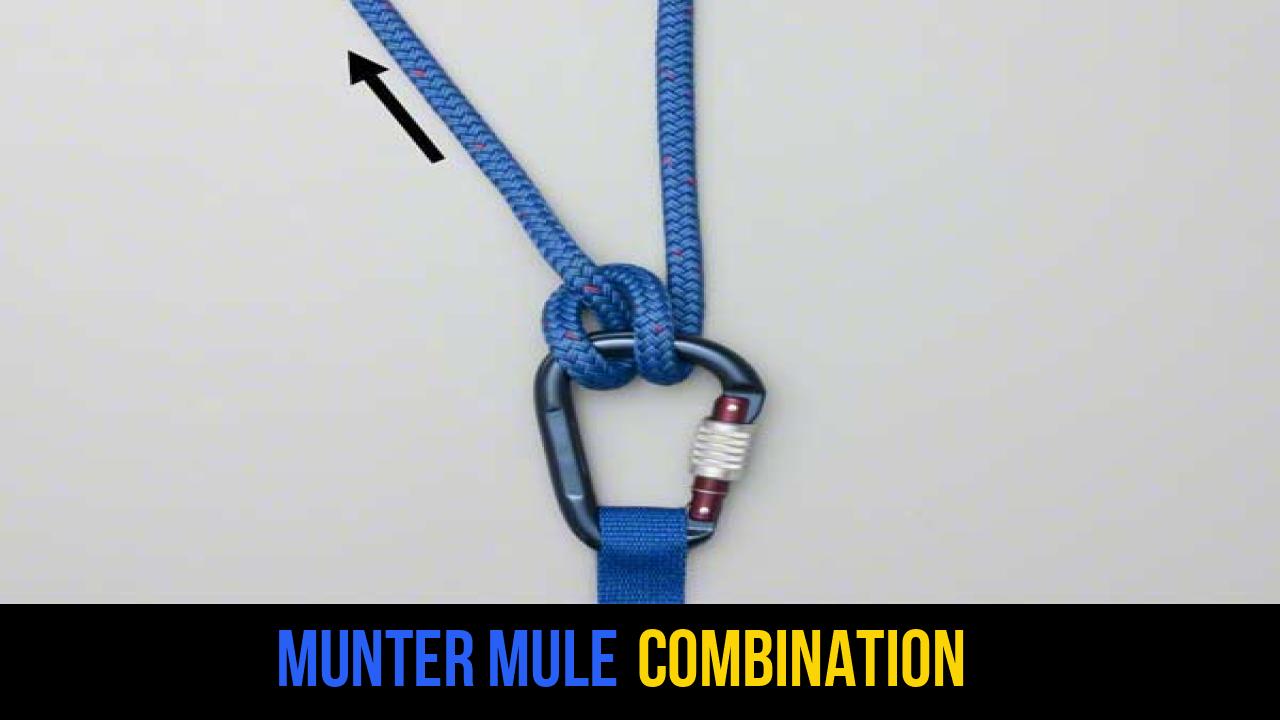
In the world of technical ropework, few configurations are as versatile or as critical as the Munter Mule Combination. Whether you are an alpinist, a search-and-rescue professional, or an enthusiast of outdoor rope techniques, mastering this specific knot assembly is a rite of passage. The Munter Mule Combination (often abbreviated as the MMO) provides a reliable way to secure a load, lock off a belay, or create a releasable anchor system under tension.
The beauty of this system lies in its simplicity and its ability to be "releasable under load." This means that even if a climber’s full weight is hanging on the rope, a technician can safely unlock the knot and transition back to a lowering or belaying system without the need for complex mechanical haul systems. It is the gold standard for "escaping the belay"—a vital self-rescue skill where a belayer must transfer the weight of an injured climber to an anchor to go for help.
Throughout this guide, we will explore the mechanics of this essential rope knot, the gear required to execute it safely, and the precise steps needed to ensure it holds when your life—or the life of your partner—depends on it.
Alternative Names: Munter Mule Overhand (MMO), Italian Hitch with Mule Lock, Releasable Munter, HMS Mule.
What Is a Munter Mule Combination?
The Munter Mule Combination is a three-part system designed to provide friction, a temporary lock, and a final safety backup. To understand the combination, one must understand its components:
- The Munter Hitch (Italian Hitch): This is the foundation. It is a friction hitch that allows a rope to slide through a carabiner with controlled resistance. It is unique because it is "bi-directional," meaning it provides friction regardless of which way the rope is moving.
- The Mule Knot: This is a specialized slip knot tied around the load-bearing strand of the rope. It acts as the primary "lock," stopping the rope from moving through the Munter Hitch.
- The Half Hitch (or Overhand): This is the "keeper" or backup knot. It prevents the Mule knot from accidentally slipping or being untied prematurely.
Practical Uses
- Escaping the Belay: If a climber falls and is unconscious, the belayer uses the Munter Mule Combination to lock the rope off hands-free so they can build an anchor and move toward the victim.
- Rescue Loads: When lowering a heavy litter or a patient, the MMO allows rescuers to stop the descent and lock the system securely.
- Tensioning Lines: It is frequently used in the construction of temporary Tyrolean traverses or tensioned rope bridges where the ability to release the tension safely is required.
- Contingency Anchors: In canyoneering, the MMO is used to set up a "releasable rappel," ensuring that if a person gets stuck under a waterfall or caught in their gear, the person at the top can lower them to safety.
Materials and Tools Needed
Before practicing the Munter Mule Combination knot, you must ensure you have the correct hardware. Not all carabiners or ropes are compatible with this technique.
1. The Carabiner
You must use an HMS Carabiner (Hemscheid-Mastwurf-Sicherung). These are pear-shaped carabiners specifically designed with a wide top bar. This extra space is necessary because the Munter Hitch needs room to "flip" or rotate within the carabiner when the direction of the rope changes. Using a small D-shaped carabiner can cause the rope to jam or rub against the gate, which is a major safety hazard.
2. The Rope
- Dynamic Ropes: Typically used in lead climbing. The Munter Mule works well here, though the elasticity of the rope must be accounted for when locking it off.
- Static Ropes: Common in rescue and rappelling. These offer less "creep" when the Mule knot is engaged, making the lock-off more precise.
3. Safety Considerations
Ensure your carabiner is a locking carabiner (screw-gate or auto-lock). Friction from the Munter Hitch can inadvertently rub against a non-locking gate and open it, leading to a catastrophic system failure.
How to Tie Munter Mule Combination?
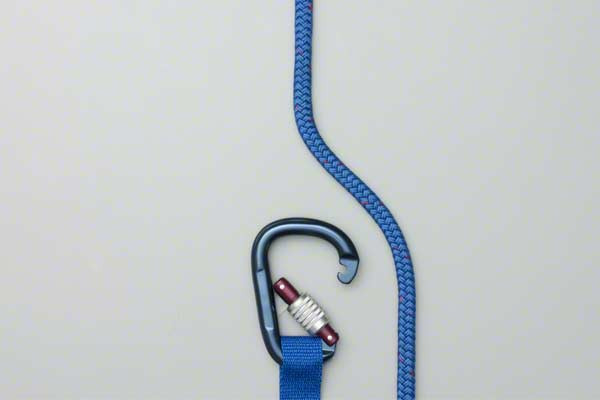
To ensure safety and reliability, follow these instructions precisely. This sequence ensures the friction is properly applied before the locking mechanism is engaged.
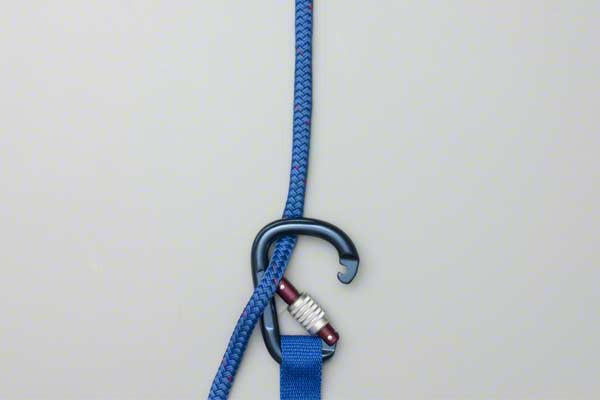
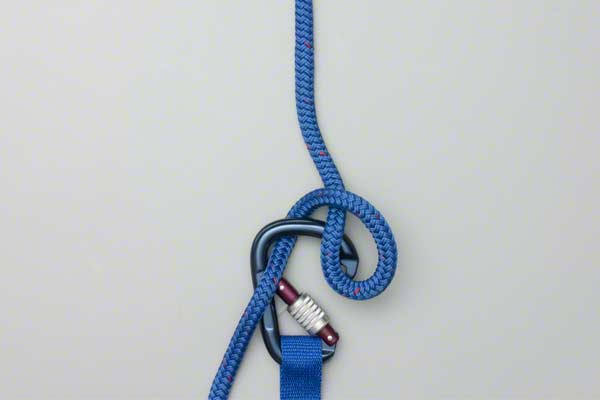
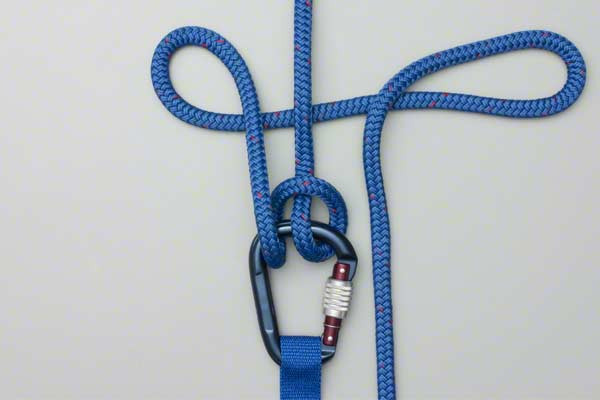
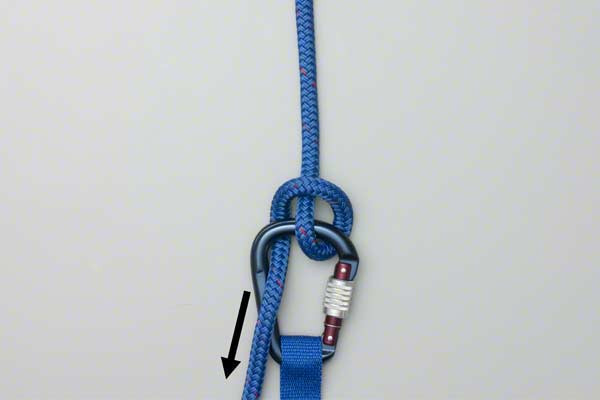
- Pass the rope into the carabiner.
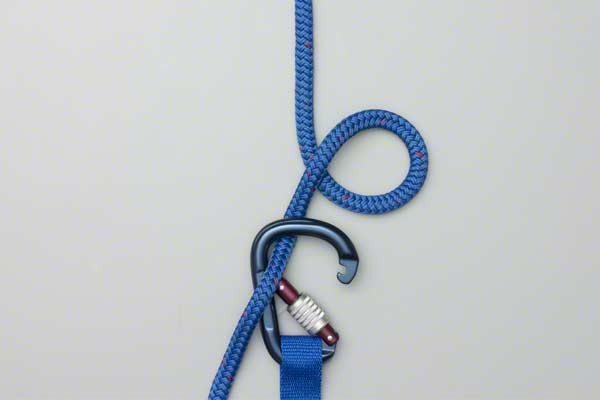
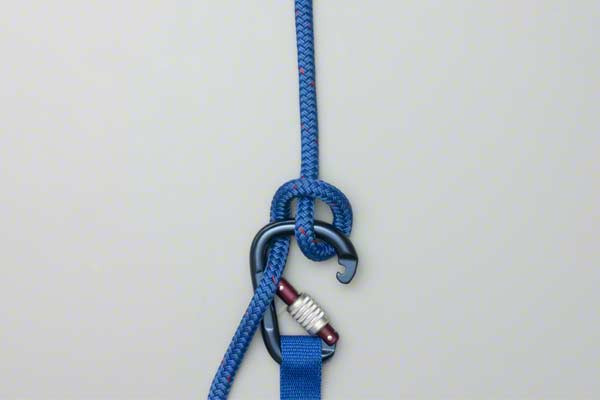
- Twist the rope above into a loop and hook it onto the carabiner to take the load.
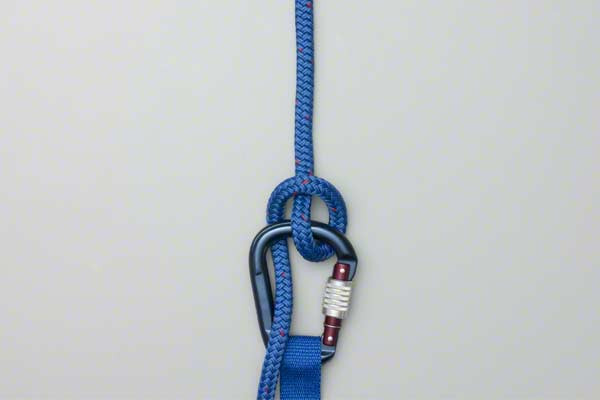
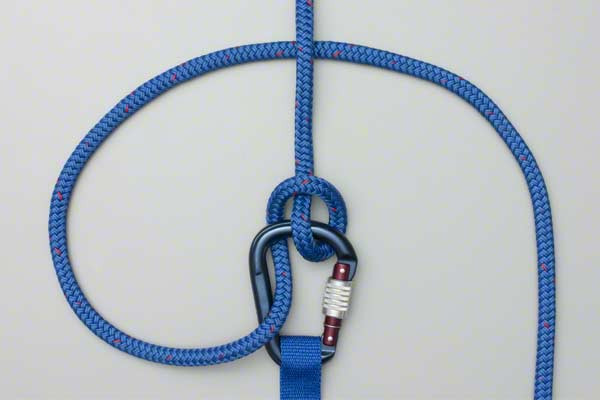
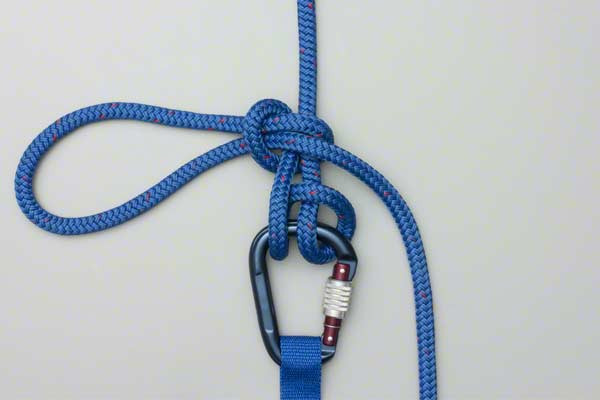
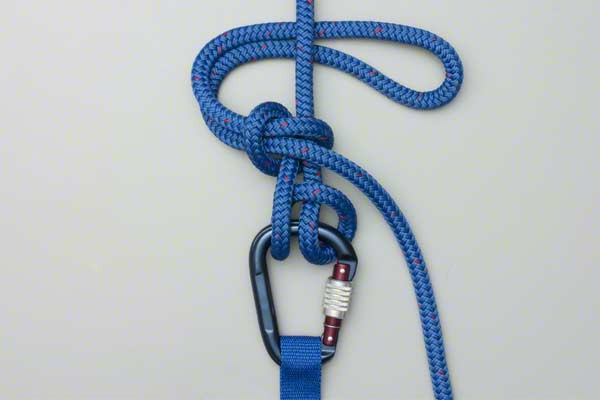
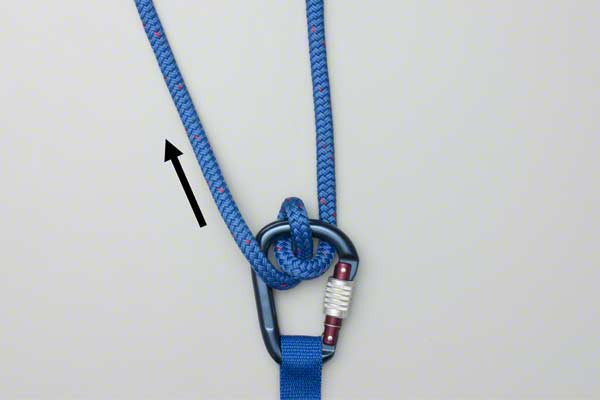
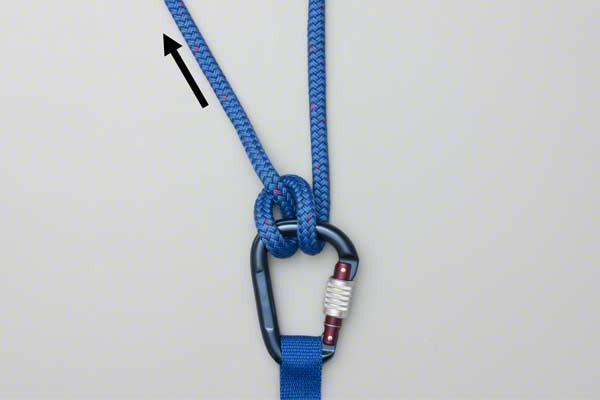
- Create two loops and then, around the climbing rope, tie a slip knot leaving a long loop.
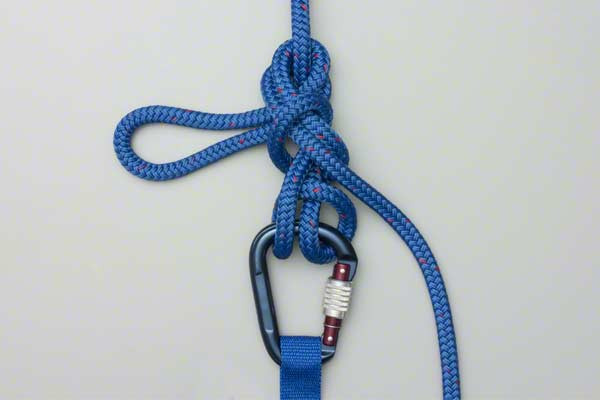
- Use it to tie a Half Hitch to secure the knot.
Common Mistakes to Avoid
Even experienced practitioners can make errors when under stress. When utilizing outdoor rope techniques, awareness of these pitfalls can prevent accidents.
- Tying the Mule Too Far from the Carabiner: If there is too much slack between the Munter Hitch and the Mule knot, the rope will "creep" or slip several inches when the load is applied. This can shock-load the system or cause the climber to drop unexpectedly.
- Loading the Wrong Strand: The Mule knot must be tied around the load strand (the rope going to the climber) using the brake strand (the rope in your hand). If you tie it incorrectly, the knot will not hold.
- Omitting the Final Backup: The Half Hitch is not optional. The Mule knot is a slip knot by nature; without the Half Hitch to secure the loop, a simple tug on the tail could release the entire system.
- Rope-on-Rope Friction: Ensure the rope is not rubbing against the locking sleeve of the carabiner. Friction can unscrew a manual gate, leading to "gate shimmer" or total failure.
- Using a Narrow Carabiner: As mentioned, if the carabiner is too narrow, the Munter Hitch cannot flip. This prevents the hitch from providing proper friction or locking correctly.
Related Knots and Splicing
Understanding the Munter Mule Combination is easier when you recognize the individual components and related rope knots used in similar scenarios.
- Munter Hitch: A simple friction hitch used for belaying or lowering without a mechanical device.
- Clove Hitch: A quick-binding knot used to secure a rope to a carabiner or post, though it is not releasable under high load.
- Bowline Knot: A classic loop knot used to tie into a harness or create a fixed loop at the end of a rope.
- Prusik Hitch: A friction hitch (or "soft touch" cam) used to grab the rope, often used in conjunction with a Munter for rescue.
- Overhand Bend: A simple knot used to join two ropes together, often called the "European Death Knot" in climbing circles.
Final Words
The Munter Mule Combination is more than just a knot; it is a fundamental tool for safety and versatility in the vertical environment. By combining the friction of the Munter Hitch with the security of the Mule and Half Hitch, you create a system that is robust, reliable, and—most importantly—releasable under load.
Whether you are practicing for a professional rescue certification or simply want to increase your self-sufficiency while rock climbing, the MMO is a skill that should be in every outdoorsman’s repertoire. Remember that technical ropework requires hands-on training. Use this guide as a theoretical foundation, but always practice in a controlled, low-stakes environment—ideally under the supervision of a certified instructor—before applying these techniques in the field.
Mastering outdoor rope techniques like the Munter Mule Combination ensures that when challenges arise on the mountain, you have the technical expertise to manage them safely and efficiently.
