
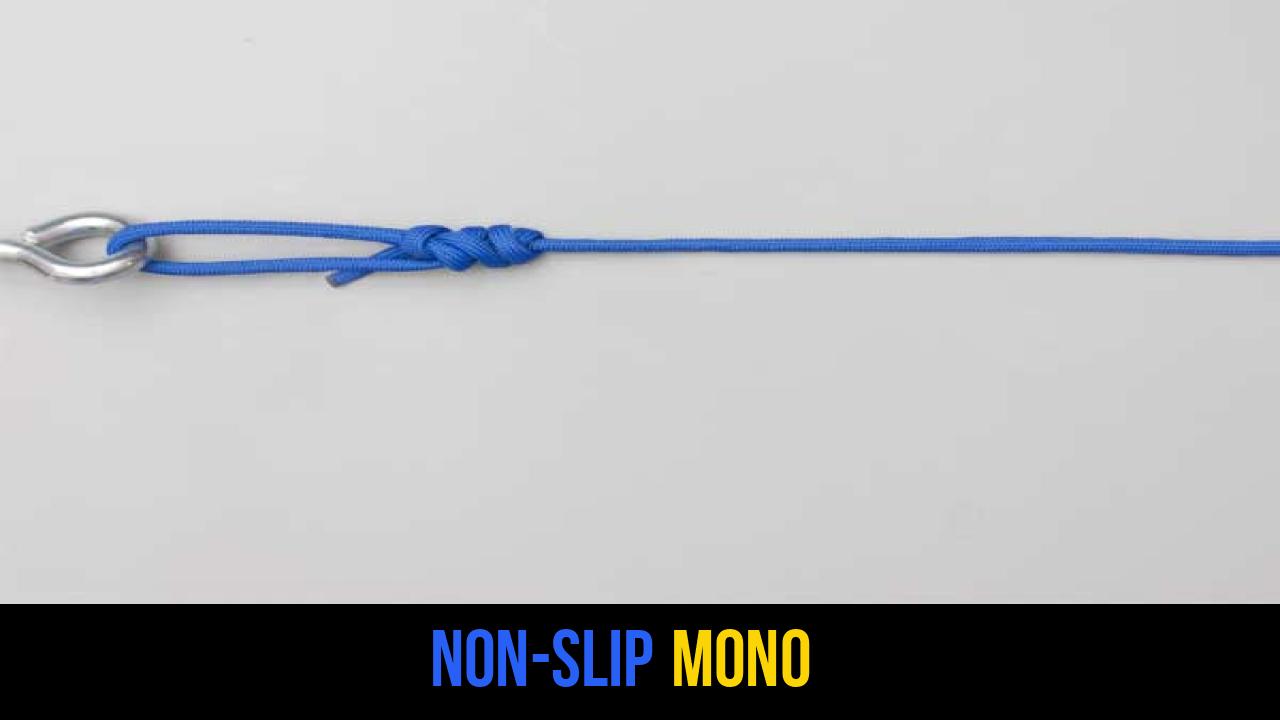
In the world of angling and technical rope knots, few connections are as revered for their simplicity and strength as the Non-Slip Mono. Whether you are a professional guide navigating the flats or a hobbyist exploring outdoor rope techniques, understanding how to create a fixed loop that does not cinch down on the eye of a hook or lure is a fundamental skill.
The Non-Slip Mono knot is designed specifically for use with monofilament and fluorocarbon lines. Its primary advantage is that it creates a permanent loop, allowing a lure or fly to move with a natural, uninhibited action. Unlike standard clinch knots that pull tight against the eye, this knot provides a "hinge" effect that can be the difference between a strike and a refusal.
While it is most famous in the fly fishing community—often attributed to the legendary Lefty Kreh—its applications extend to various outdoor rope techniques where a small, secure, non-slip loop is required in synthetic materials.
Alternative Names: Lefty Kreh’s Loop Knot, Non-Slip Loop Knot, Mono Loop.
What Is a Non-Slip Mono?
The Non-Slip Mono is a terminal tackle loop knot. In technical terms, it is a variation of a wrap-and-tuck knot that utilizes an overhand knot as its primary locking mechanism.
Practical Uses and Benefits
- Lure Action: By providing a loop rather than a tight connection, the lure can swing freely. This is vital for topwater plugs, streamers, and jigs that rely on "flutter" or side-to-side movement.
- Maintaining Line Strength: This knot is known for its high breaking strength. Because the line does not cross over itself in a way that creates a "cutting" action, it retains a significant percentage of the line’s original pound-test rating.
- Versatility in Materials: While optimized for monofilament (hence the name), it performs exceptionally well in stiff fluorocarbon, which can often be difficult to seat properly with other rope knots.
- Outdoor Utility: Beyond fishing, this technique is useful in light-duty outdoor rope techniques, such as creating a small attachment loop in paracord or utility cordage for gear organization.
Materials and Tools Needed
To master the Non-Slip Mono, you must consider the physical properties of the materials you are using. Synthetic lines behave differently under tension than natural fibers.
Recommended Materials:
- Monofilament Line: The standard choice. Its slight stretch helps the knot seat firmly.
- Fluorocarbon Line: Denser and more abrasion-resistant. This knot is one of the few that handles the stiffness of heavy fluorocarbon without slipping.
- Utility Cord: For practice, use a 2mm or 3mm accessory cord to visualize the wraps clearly.
Necessary Tools:
- Line Clippers or Scissors: For a clean trim of the tag end.
- Pulling Tool/Pliers: While hand-tightening is usually sufficient, pliers can help seat the knot in very heavy pound-test lines (50lb+).
- Lubricant: Water or saliva is essential to prevent heat damage during the tightening process.
How to Tie Non-Slip Mono?
To ensure the integrity of the connection, follow these steps precisely. This method is the industry standard for creating a secure, non-binding loop.
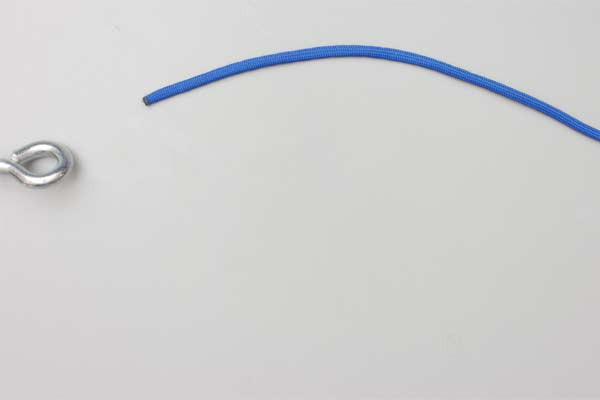
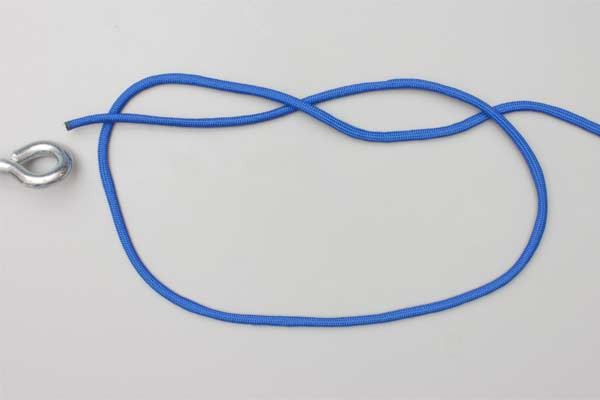
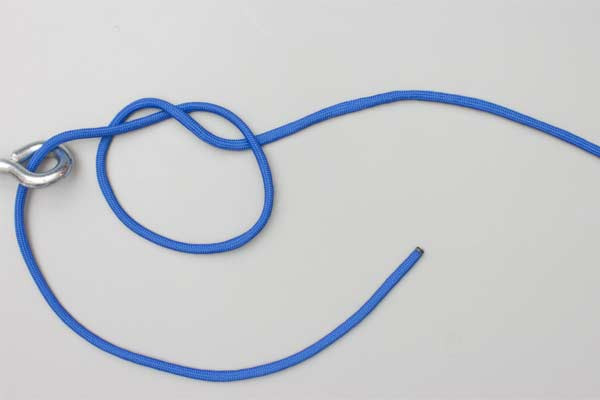
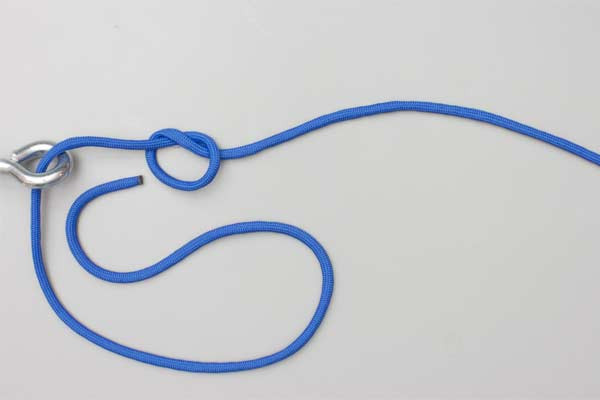
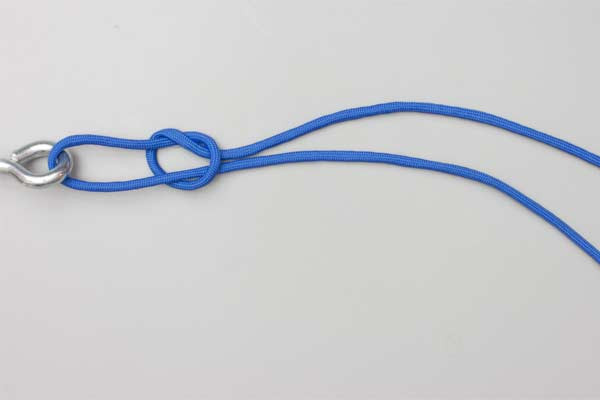
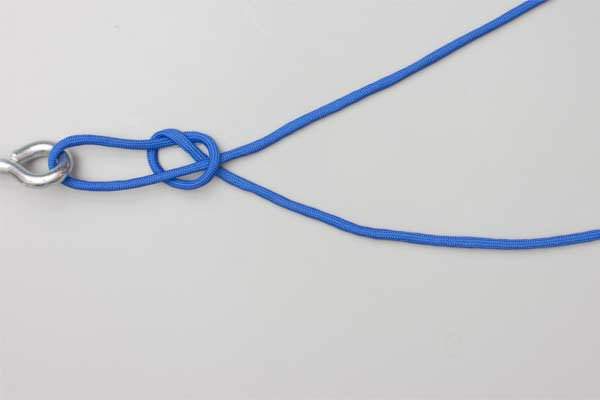
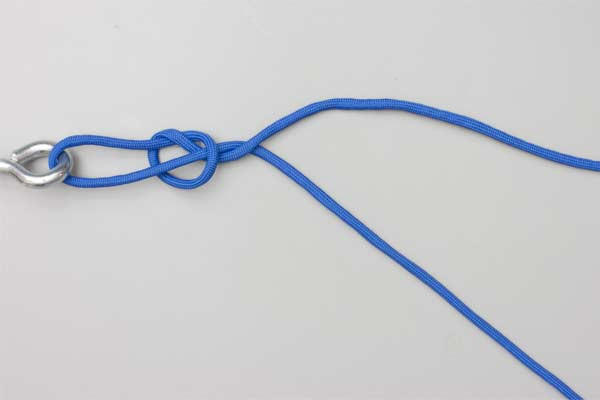
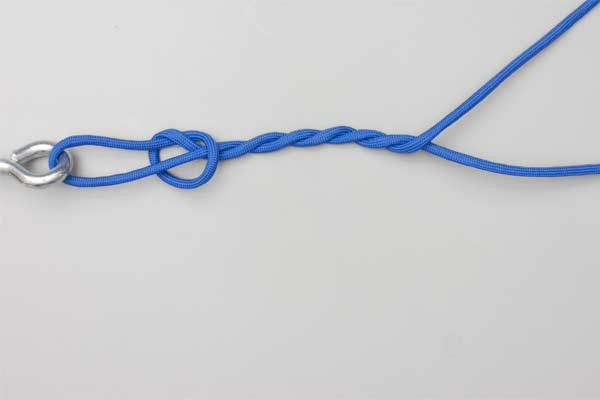
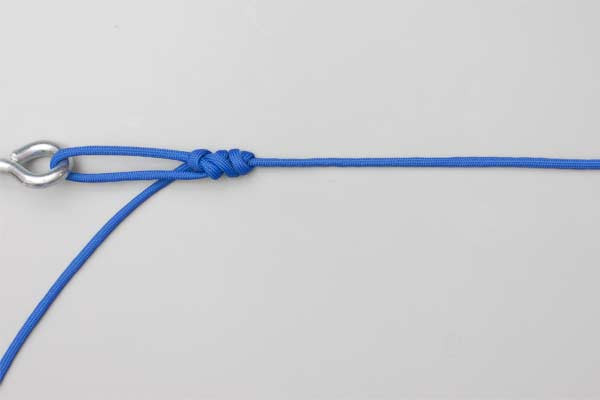
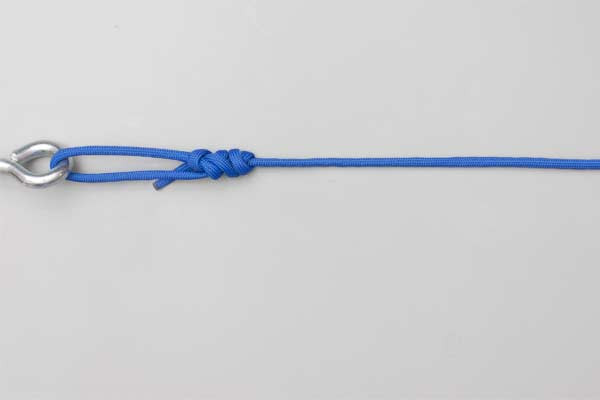
- Tie a loose overhand knot and pass the tag end through the eye, then back through the overhand knot.
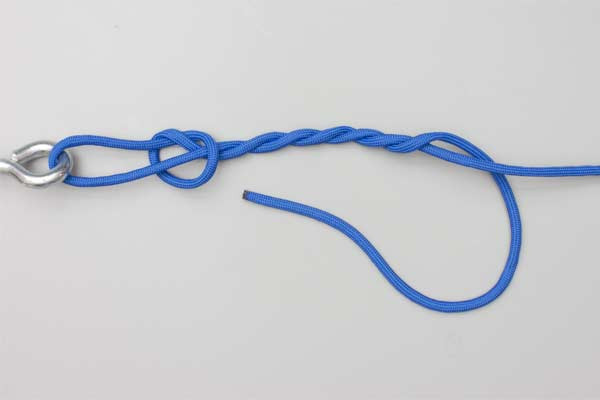
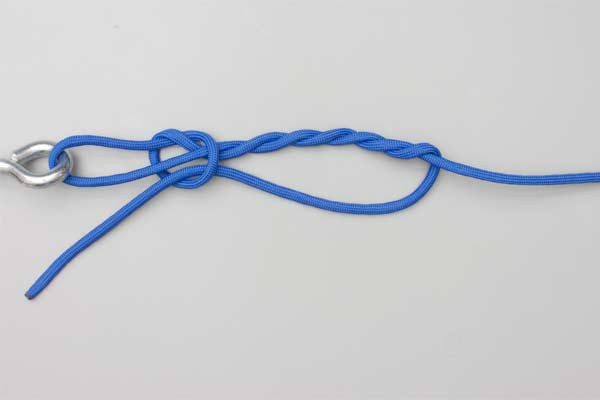
- Wrap the tag end around the standing end about five times and back through the overhand knot.
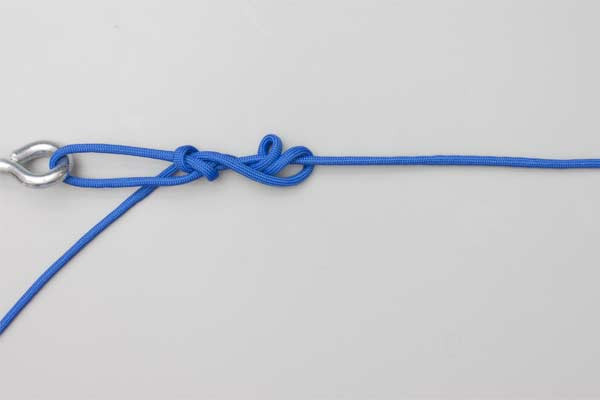
- Lubricate, tighten, and trim the end.
Common Mistakes to Avoid
Even experienced outdoorsmen can encounter failures with rope knots if they overlook the nuances of the material. Here are the most common errors when tying the Non-Slip Mono:
1. Neglecting Lubrication
The most common cause of knot failure in monofilament is heat damage. As you pull the wraps tight, friction creates heat, which weakens the plastic. Always lubricate with water or saliva before the final cinch.
2. Incorrect Number of Wraps
While the instructions specify about five times, this can vary based on line diameter. For very heavy mono (80lb+), three wraps might suffice. For very thin line (6lb or less), you might need seven. However, five is the "sweet spot" for most standard outdoor applications. Too few wraps lead to slippage; too many make the knot bulky and difficult to seat.
3. Entering the Overhand Knot from the Wrong Side
When passing the tag end back through the overhand knot, it must enter from the same side it exited. If you enter from the opposite side, the knot will be asymmetrical and may fail under sudden shock loads.
4. Over-Trimming the Tag End
While a clean look is desirable, trimming the tag end too close to the knot can be dangerous. If the knot "settles" under the weight of a heavy load, the tag end may pull back slightly. Leave a small "tail" (about 1/8th of an inch) for safety.
Related Knots and Splicing
Understanding a variety of rope knots allows you to choose the right tool for the specific task at hand. Here are a few related techniques:
- Rapala Knot: A similar loop knot that involves an extra step of passing the tag end through the secondary loop created during the wrapping process.
- Perfection Loop: A sleek, perfectly inline loop knot often used for the butt end of fly fishing leaders or for creating permanent loops in thin cordage.
- Improved Clinch Knot: The most common terminal knot; unlike the Non-Slip Mono, it cinches tight against the eye, providing a rigid connection.
- Figure-Eight Loop: A foundational knot in outdoor rope techniques used to create a secure, non-slip loop in thicker ropes and climbing lines.
- Bowline Knot: Known as the "King of Knots," it is used to form a fixed loop at the end of a rope that will not slip or bind under a heavy load.
Final Words
The Non-Slip Mono is an essential addition to any outdoorsman’s repertoire of rope knots. Its ability to maintain line strength while allowing for maximum movement makes it a superior choice for both tactical fishing and general outdoor rope techniques.
By mastering the simple overhand entry and the five-wrap finish, you ensure that your gear remains secure and your presentation remains natural. Remember that the key to a successful knot lies in the details: consistent wraps, proper lubrication, and a careful final seat. Whether you are securing a lure for a trophy catch or organizing gear in the backcountry, the Non-Slip Mono provides the reliability and performance required in the field.
