
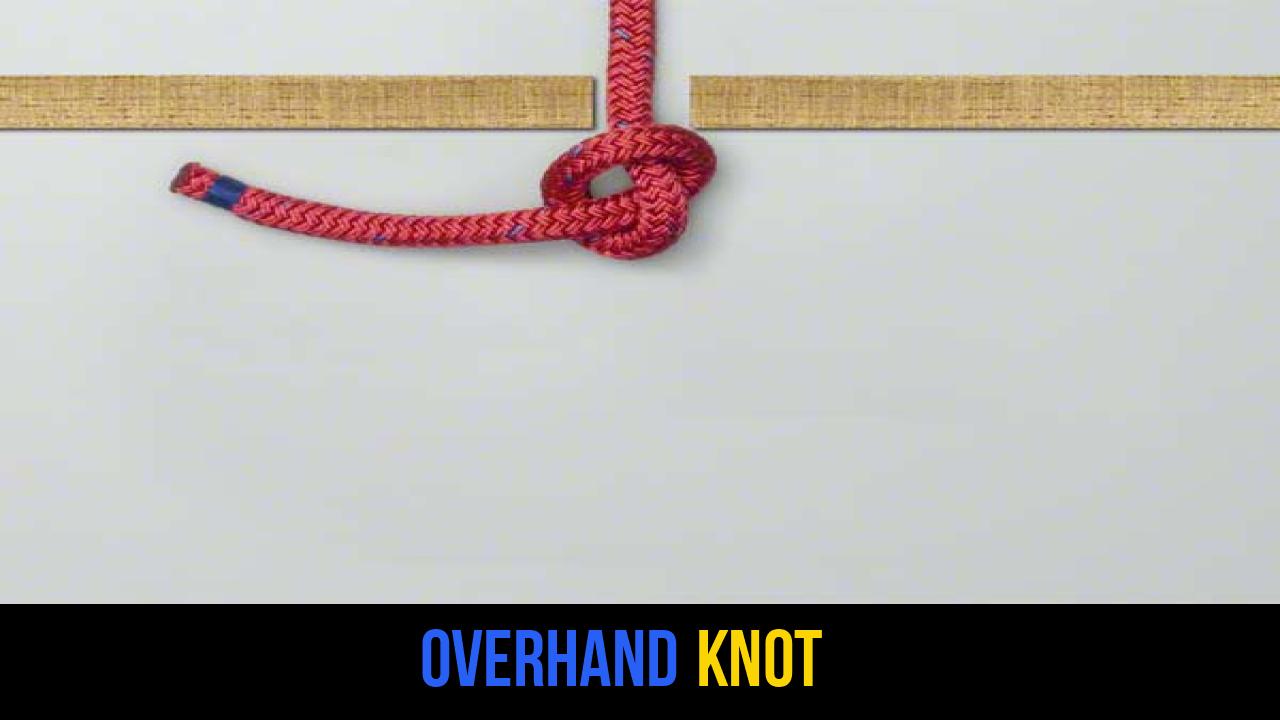
In the world of outdoor rope techniques, few structures are as fundamental or as universally recognized as the Overhand Knot. Often the very first knot a child learns, its simplicity belies its immense importance in various fields, ranging from high-stakes mountain climbing to everyday household tasks. Whether you are securing a load on a roof rack, preparing a fishing line, or beginning a complex macramé project, the Overhand Knot serves as the primary building block for more complex hitches, bends, and loops.
As an expert in technical outdoor gear, I have seen firsthand how a properly executed knot can be the difference between a successful expedition and a gear failure. The Overhand Knot is categorized as a "stopper knot," designed to prevent the end of a rope from slipping through a hole, a pulley, or another knot. While it is simple, understanding its physics and limitations is crucial for any outdoorsman or professional rigger.
Alternative names for the Overhand Knot include: Half Knot, Thumb Knot, Single Knot, and Common Knot.
What Is an Overhand Knot?
The Overhand Knot is defined as a fundamental knot that forms a permanent or semi-permanent lump in a piece of cordage. It is the most basic of all knots and is essentially the "atom" of the knot-tying world. When you tie a pair of shoes, the initial cross you make is a variation of the overhand technique.
Practical Uses and Applications
- Stopper Knot: Its most common use is to prevent the end of a rope from unravelling or from passing through an eyelet, block, or belay device.
- Base for Other Knots: It is the starting point for the Fisherman’s Knot, the Reef Knot (Square Knot), and the Water Knot.
- Safety Backup: In climbing and rappelling, a Double Overhand Knot is often used as a "backup" or "dead-man" knot at the end of a rope to ensure the climber does not rappel off the end.
- Textile and Sewing: It is used at the end of a thread to prevent it from pulling through fabric.
- Grip Enhancement: Tying a series of overhand knots at intervals along a rope can provide better hand-holds for climbing or pulling.
Despite its versatility, it is important to note that the Overhand Knot can become extremely difficult to untie once it has been subjected to a heavy load, especially if the rope is wet or thin.
Materials and Tools Needed
To practice and master the Overhand Knot, you don’t need specialized equipment, but the choice of rope can change how the knot behaves.
- Rope Types:
- Static Rope: Best for practicing stopper knots as it holds its shape well.
- Dynamic Rope: Used in climbing; the Overhand Knot may "creep" slightly under tension due to the rope’s elasticity.
- Paracord (550 Cord): Excellent for beginners due to its flexibility and high visibility.
- Natural Fiber (Hemp/Manila): These provide excellent friction but can be harder to untie once the knot is jammed.
- Tools: Generally, no tools are required. However, a marlinspike or a small pair of pliers may be useful for untying an Overhand Knot that has been "frozen" or jammed under extreme weight.
- Safety Consideration: Always inspect your rope for fraying or "hernias" (core damage) before practicing any rope knots.
How to Tie Overhand Knot?
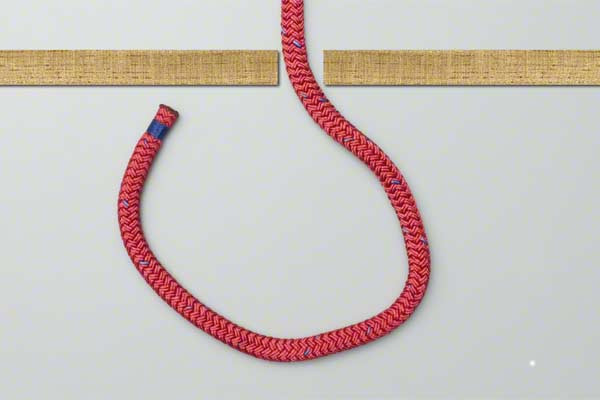
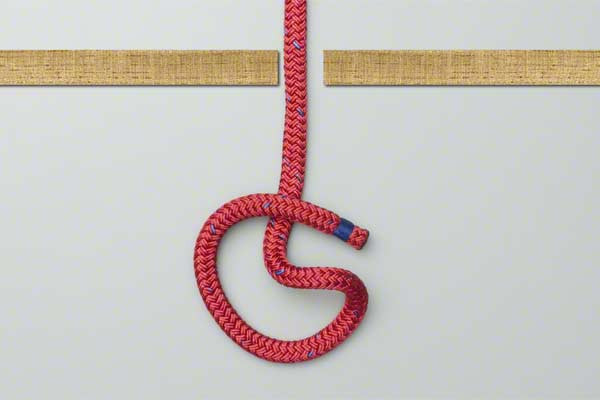
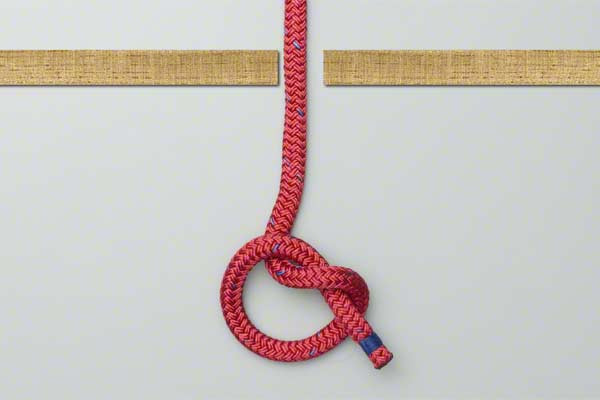
Follow these steps precisely to ensure a secure and functional knot. This technique is the standard for creating a reliable stopper.
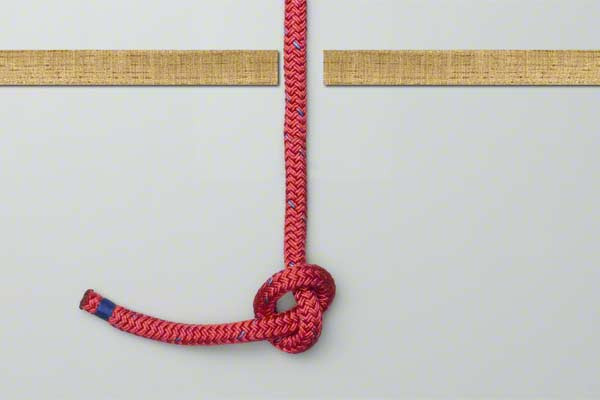
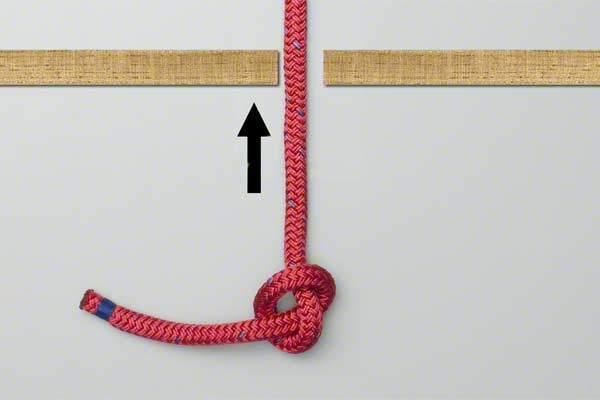
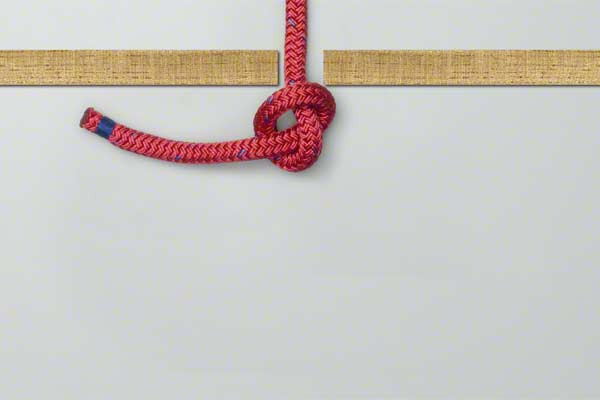
- Form a loop and pass the end through it.
- Tighten it to form the Overhand Knot.
- When pulled tight it can function as a simple stopper knot.
Common Mistakes to Avoid
Even with a knot this simple, errors can occur that compromise its effectiveness.
- Insufficient Tail Length: Always leave enough "tail" (the end of the rope) extending from the knot. If the tail is too short, the knot may "roll" or slip off the end of the rope under tension. A good rule of thumb is to leave a tail at least three to five times the diameter of the rope.
- Failure to "Dress" the Knot: Dressing a knot means straightening the strands so they lie parallel and neat. A messy Overhand Knot is weaker and more prone to jamming than a well-dressed one.
- Using it as a Life-Support Bend: Never use a single Overhand Knot to join two ropes together if they are intended to hold a human’s weight. For joining ropes (bends), use more secure options like the Double Fisherman’s or Figure-Eight Follow-Through.
- Over-Tightening in Wet Conditions: If you tie this knot in a wet natural-fiber rope and let it dry under tension, it may become virtually impossible to untie without cutting the rope.
Related Knots and Splicing
Understanding the Overhand Knot opens the door to a variety of other essential outdoor rope techniques. Here are the most closely related structures:
Double Overhand Knot
The Double Overhand Knot is created by passing the end through the loop twice instead of once. This adds significantly more bulk, making it a superior stopper knot that is less likely to slip through large openings. It is also the basis for the Grapevine Knot.
Figure-Eight Knot
Often preferred by climbers over the standard overhand, the Figure-Eight Knot is larger and much easier to untie after being loaded. It is the "gold standard" stopper knot in life-safety applications because it does not "jam" as severely as the overhand.
Fisherman’s Knot
This is a "bend" used to join two ropes of similar diameter. It consists of two Overhand Knots tied around the standing part of the opposite rope. When pulled together, the two knots jam against each other, creating a secure connection.
Slip Knot
A Slip Knot is essentially an Overhand Knot tied with a bight (a fold of rope) instead of the end. This creates a temporary loop that can be instantly released by pulling the "tag" end, making it perfect for light-duty tasks.
Water Knot
The Water Knot (or Tape Knot) is an Overhand Knot tied in flat webbing. One end forms an overhand, and the second end "follows" the first in reverse. It is the primary way to join pieces of webbing for climbing anchors.
Final Words
The Overhand Knot is the quintessential starting point for anyone interested in outdoor rope techniques. While it is the simplest of all rope knots, its utility as a simple stopper knot and its role as the foundation for more complex rigging cannot be overstated. From the decks of historical sailing vessels to the modern harnesses of search-and-rescue teams, the Overhand Knot remains a vital tool in the kit of any professional.
Mastering this knot is about more than just passing a rope through a loop; it is about understanding tension, friction, and the reliability of your equipment. As you progress in your knot-tying journey, you will find that the principles learned here—dressing the knot, leaving an adequate tail, and understanding the "jamming" threshold—apply to every other hitch and bend you will ever use. Stay safe, practice often, and always double-check your knots before putting them to the test in the field.
